The Wonder Years: Looking Back at Television’s Most Lovely Coming-of-Age Classic
On January 31, 1988, nearly 29 million television sets across the United States remained tuned to ABC after Super Bowl XXII came to an end. The sporting event had concluded with the Washington Redskins' overwhelming victory over the Denver Broncos, but what kept that enormous audience glued to their sofas wasn't an analysis of touchdowns. It was the melancholy sound of an acoustic guitar picking out the opening chords of “With a Little Help from My Friends,” in Joe Cocker's unmistakable, gravelly voice, making way for shaky images of home movies filmed in Super 8. That was the moment The Wonder Years was born, a series that didn't ask permission to enter television history but instead slipped in through the back door of collective memory.
That winter night marked the beginning of an unusual television experience. In an era dominated by lively studio comedies, saturated colors, and soundtracks filled with canned laughter, audiences in 1988 suddenly found themselves facing an almost cinematic silence. The series operated on a different emotional frequency, without a laugh track, guided solely by the voice-over of an adult Kevin Arnold, played by Daniel Stern, looking back on his childhood from exactly twenty years later. The pilot ended with a revelation that left America collectively holding its breath: amid the everyday dilemmas of the first day of junior high and the first kiss with the girl next door, the narration revealed that Winnie Cooper's older brother had been killed in combat in Vietnam. It was the precise moment viewers realized they weren't watching a silly comedy about the 1960s, but an emotional portrait of the loss of innocence.
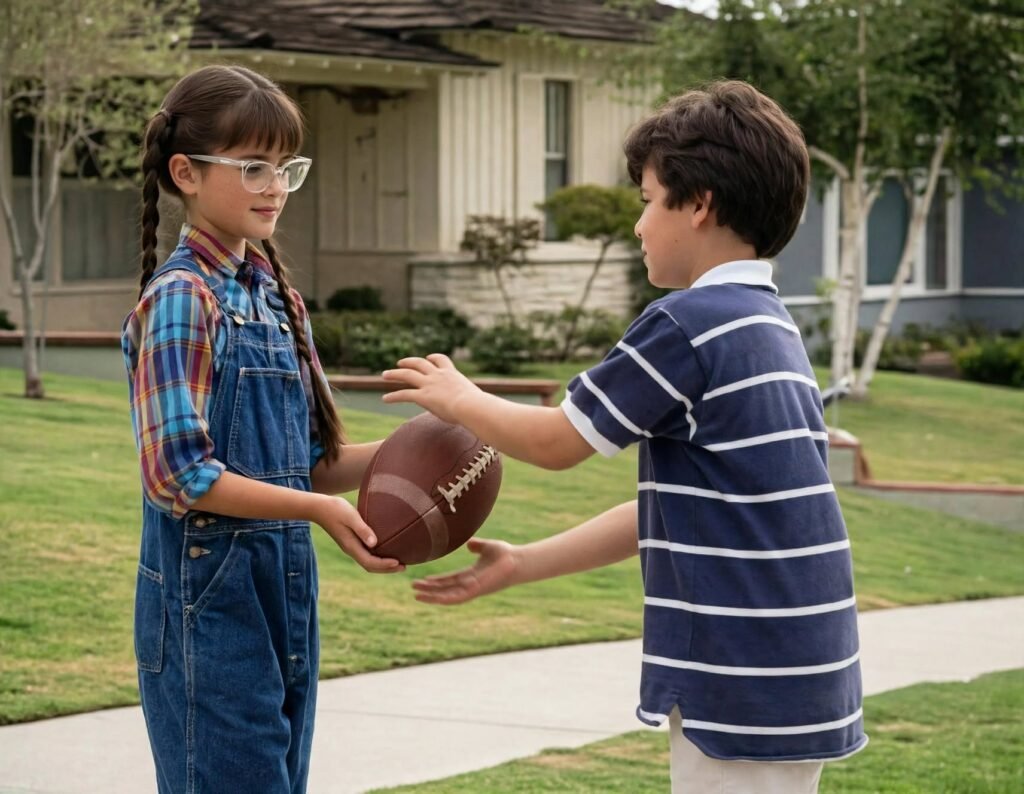
The strength of The Wonder Years lay precisely in its honesty when portraying the small but monumental dramas of adolescence. In interviews around the time of its premiere, co-creator Carol Black recalled how she and her husband, Neal Marlens, sought to capture the exact feeling of being twelve years old at the end of such a turbulent decade. During the early production days at the studios in Burbank, surrounded by extras dressed in corduroy and the soft purple lighting of school dances, the creative team understood that life's greatest emotional wounds don't require grand stages. One of the most memorable behind-the-scenes stories involves the filming of Kevin and Winnie's first kiss. Decades later, the actors recalled the sheer nervousness of that day on set, the very real tension of two twelve-year-old children experiencing something like that for the first time in front of cameras and powerful studio lights. That genuine shyness translated beautifully to the screen, turning the scene into one of the purest and most relatable moments in television history.
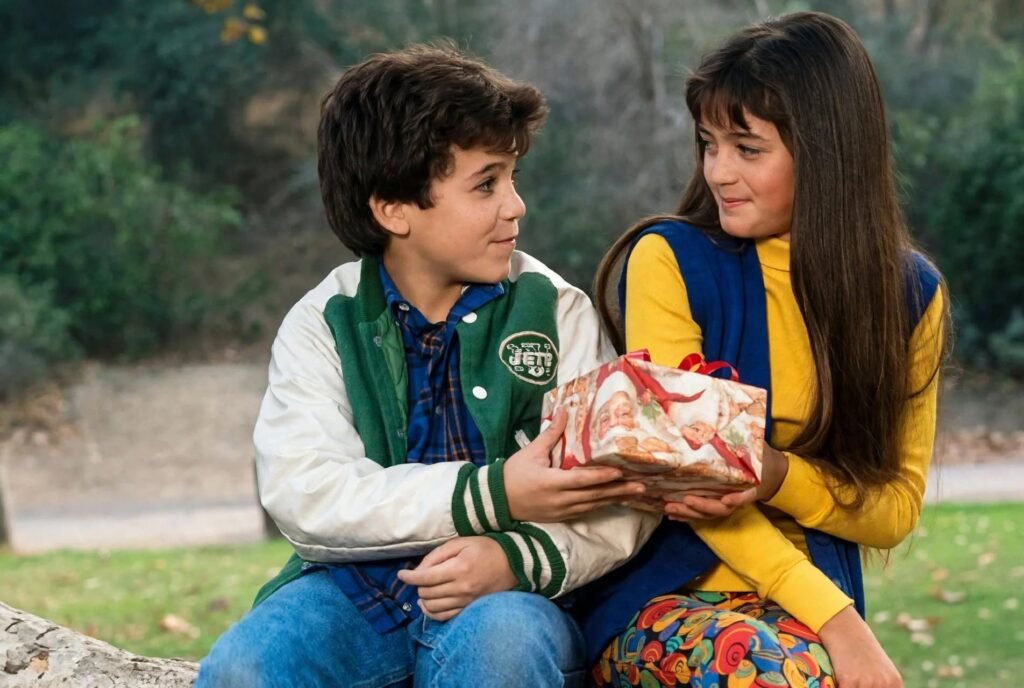
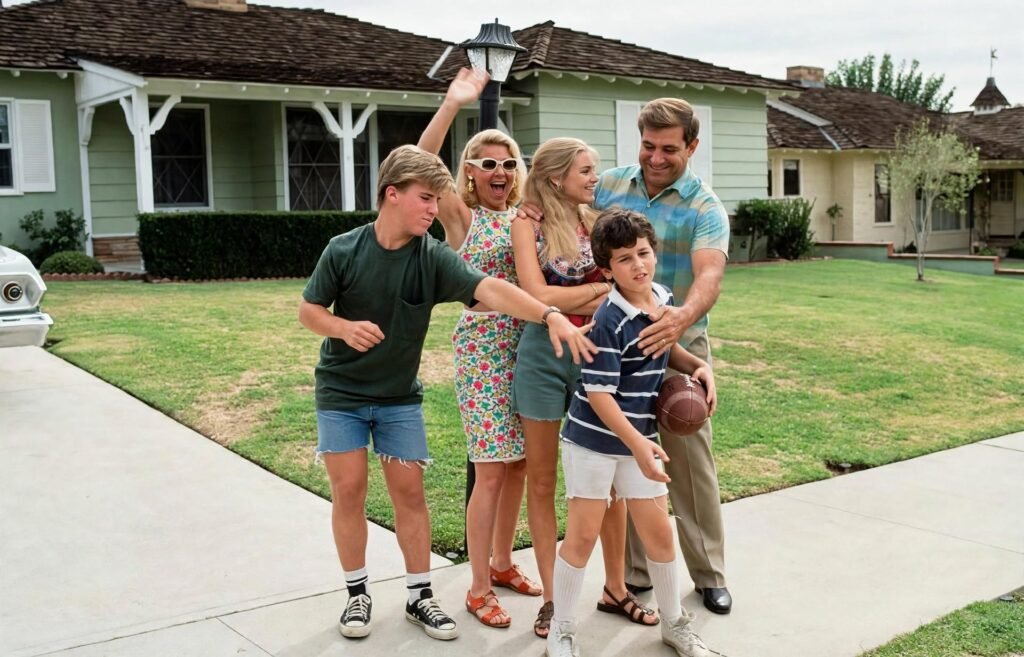
By weaving major historical events — such as the space race and political protests — together with the tragedy of getting a bad grade at school or the pain of watching a best friend drift away, the series established a new standard for the coming-of-age genre. Its soundtrack, filled with classics by Bob Dylan, The Byrds, and Joni Mitchell, worked like an instant time machine, not only for the generation that had lived through the 1960s, but also for the young audiences watching the show in the late 1980s and early 1990s. The American suburb portrayed on screen, with its identical houses, white picket fences, and wide lawns where children rode their bikes until sunset, became the universal backdrop of childhood for millions of people.
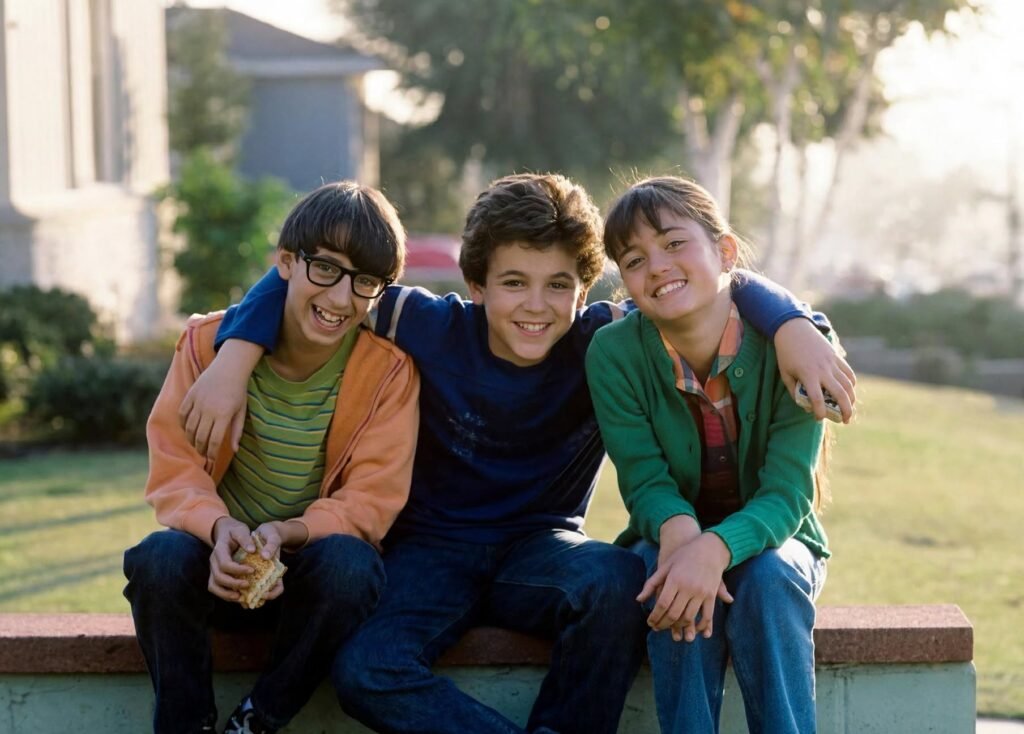
The Wonder Years remains alive in our memories not because of spectacular plot twists, but because it understood how seriously childhood should be taken. The series recognized that, at twelve years old, the outside world and the world within collide every day at the family dinner table or in the back seat of a car during a family vacation. Tuning in to any of its classic episodes once again doesn't simply transport viewers to a particular moment in history; it takes them back to their own past — to the smell of classrooms, the echo of metal school lockers, and that bittersweet feeling that time is passing far too quickly.