Ghost Whisperer: The Night CBS Premiered The Show Among the Headstones

Two weeks before Ghost Whisperer ever aired on television, CBS did something no network does for a Friday-night drama about an antique-shop owner: it threw the premiere party in a cemetery.
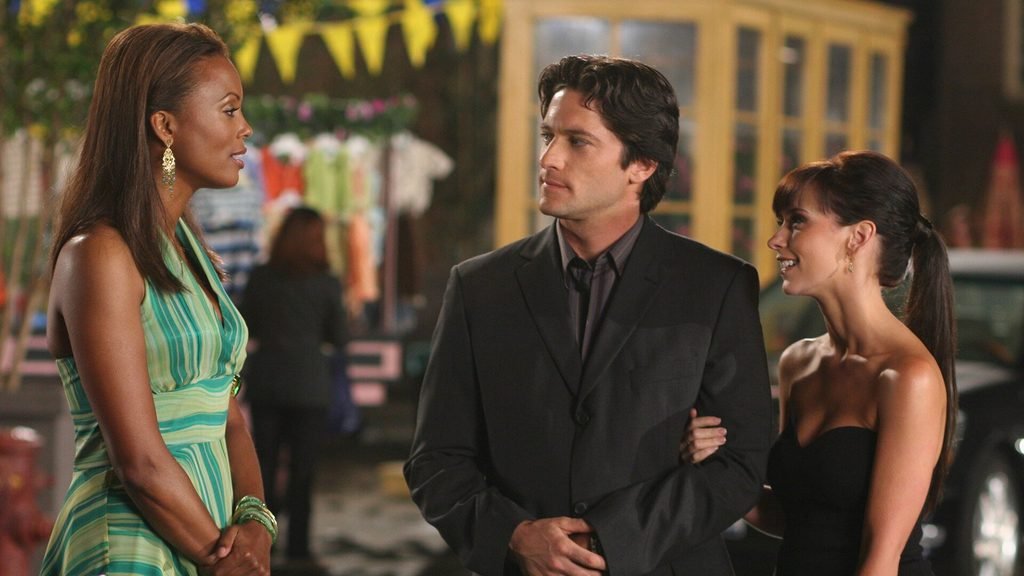
On Friday, September 9, 2005, guests arrived at Hollywood Forever Cemetery in Los Angeles for a fan screening of the new series, alongside a companion premiere for the sci-fi thriller Threshold. Jennifer Love Hewitt walked the arrivals line with her co-star Aisha Tyler. Series creator John Gray posed for photos with the cast. Scattered among the guests that night were faces from elsewhere in Hollywood — Peter Dinklage, Carla Gugino, Brent Spiner, Charles Dutton, William Mapother — all filing past the grounds where Rudolph Valentino has rested since the 1920s, to watch a pilot episode about a young woman who can see the dead.
It's easy to read that booking as a cute publicity stunt, and on one level it was exactly that. But sit with it a moment longer and it starts to feel like the smartest possible introduction to what Ghost Whisperer actually was. This wasn't a haunted-house franchise or a horror anthology looking for jump scares. It was a show about Melinda Gordon, a newlywed who ran a small antique store in the fictional town of Grandview, New York, and who spent her days doing something almost mundane by supernatural-television standards: listening. The ghosts who found her weren't there to terrify anyone. They were there because they had one piece of unfinished business left, and Melinda was the only person who could hear them long enough to help them finish it. Premiering that story in a real cemetery, among real gravestones, wasn't about spectacle. It was about honesty — this was, quite literally, a show that took place among the dead, and CBS let the setting say so before a single frame had aired.
That gentleness wasn't invented by a writers' room chasing a trend. Hewitt has said the show grew out of her own brush with the idea that the dead might have unfinished business of their own. She described bringing a real-life "ghost buster" — a medium who consulted on the series — to her own 1927 house in Los Angeles, where the woman identified two spirits, a man and a woman, and told Hewitt that lingering ghosts can quietly drain the energy of the living, showing up as fatigue or headaches nobody can otherwise explain. The medium, by Hewitt's account, simply asked the spirits if they were ready to go, spoke with them the way you'd speak to anyone, and sent them on. That conversation became the emotional engine of the entire series: not banishment, but permission to leave.

The set carried some of that same eerie charge once cameras started rolling. Hewitt later described lights exploding during production and a strange white film that appeared over her makeup artist's face in one photo, then vanished in a picture taken minutes later. She was careful never to oversell it — "I think it's really cool and exciting," was about as far as she'd go — but the anecdotes stuck to the show the way ghost stories tend to stick to old houses, passed along by a cast that seemed to genuinely believe something was watching them work.
When Ghost Whisperer premiered for real on September 23, 2005, it slotted into Friday nights at 8 p.m., a timeslot networks usually treat as a graveyard shift for a very different reason: nobody's home to watch. CBS, a network built on procedurals and courtroom dramas, wasn't an obvious home for a show about a woman negotiating with the dead. And yet audiences showed up anyway, curling up on couches at the end of the week for a season that would average north of ten million viewers an episode — a number that made Ghost Whisperer quietly one of the more dependable hits on the network's schedule, without ever needing to be flashy about it.
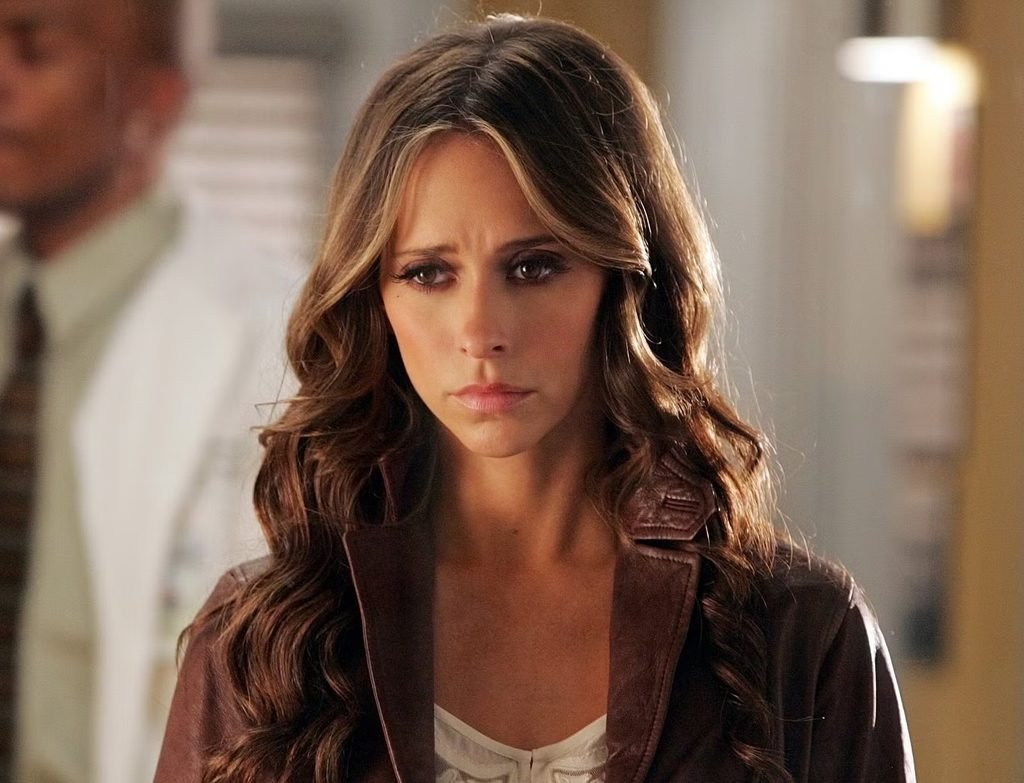
What people remember now isn't really the mythology, the demonic side plots that crept in during later seasons, or even the finale. It's Friday nights specifically — the sense of a show that understood television could still function as a small, private ritual, the same hour every week, before streaming made that kind of appointment-viewing feel almost quaint. It's the moment a viewer realized Melinda wasn't going to solve a mystery so much as sit with someone's grief until it resolved itself. And for anyone who was there in 2005, it might be that image of a network built on hard-nosed crime dramas deciding, for one September evening, that the right place to introduce this particular show was a hundred-year-old cemetery under the Hollywood sign — letting the dead, quite literally, host the party.
That's the show worth returning to: not the ratings, not the eventual cancellation in 2010, but a Friday-night hour that treated the space between the living and the dead as something worth sitting with quietly, the same way its network chose, just once, to let a graveyard do the talking.