Who Is Meryl Streep?
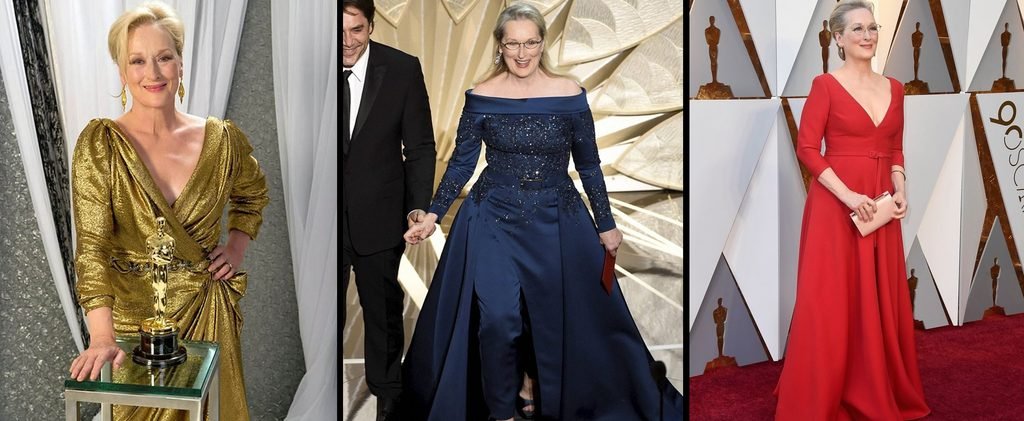
There is a version of this series that asks how someone becomes ubiquitous overnight, how a face with no history behind it suddenly ends up on every poster, every red carpet, every trending topic. Meryl Streep breaks that question before it can even be asked, because there was no overnight. There was no algorithm, no viral moment, no single campaign that made her inevitable.
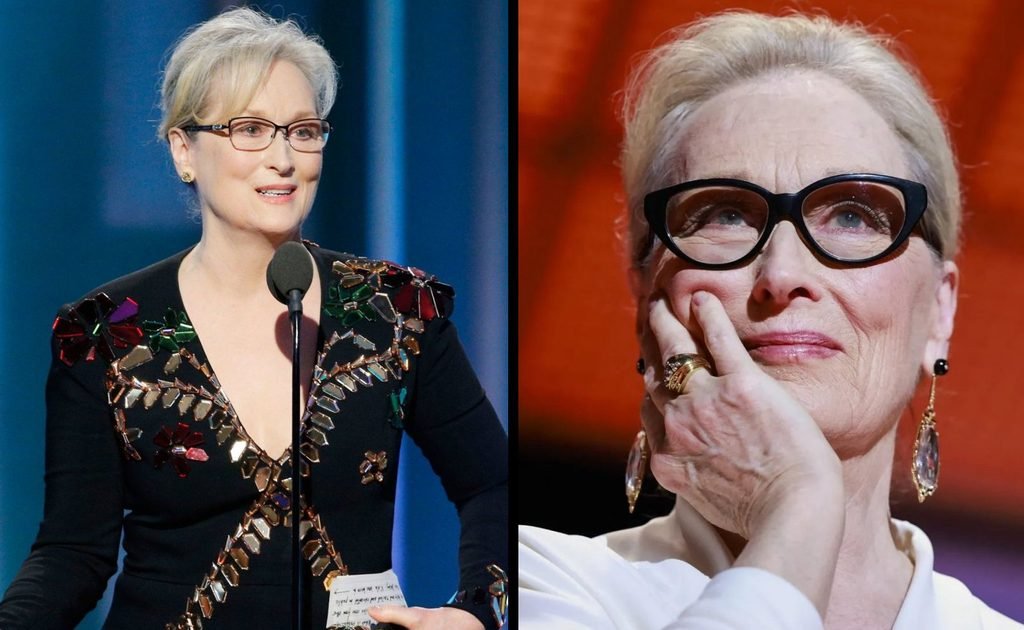
What she has instead is something rarer and, in its own way, more interesting to investigate: fifty years of steadily, almost stubbornly earning a level of cultural authority that no studio publicity department could manufacture even if it tried. If the usual subject of this series is a star built in a single news cycle, Streep is the control group, the proof that the old model still exists, still works, and still sets the terms every other model gets measured against.
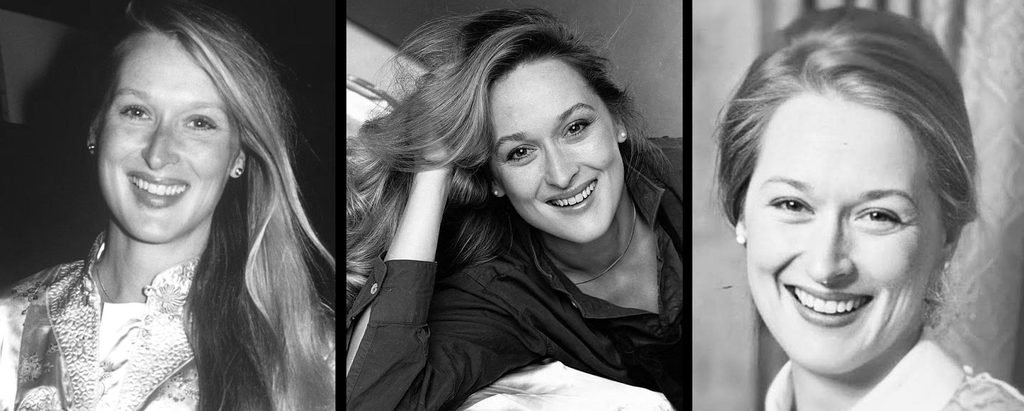
She was born Mary Louise Streep in Summit, New Jersey, in 1949, and her path to Hollywood ran through exactly the kind of institutional pedigree that today's fastest-rising stars almost never have: Vassar College, then the Yale School of Drama, then years of serious stage work in New York before a camera ever found her. Her film debut came in 1977, in Julia, a supporting role most audiences barely registered. What they could not ignore for long was what came next. When producers learned that her co-star and partner, John Cazale, was dying of cancer and moved to replace him, she reportedly threatened to walk away from The Deer Hunter entirely. The story says as much about how she was perceived within the industry — a person whose conviction carried weight — as it does about her talent. By 1979 she had an Oscar nomination for the film, and in 1980 she won her first Academy Award, for Kramer vs. Kramer. Three years later came her second, for Sophie's Choice, a performance still frequently cited as one of the most technically demanding in American film history. By the time most modern movie stars are finishing their first franchise, Streep already had two Oscars and a reputation that preceded her into every room.
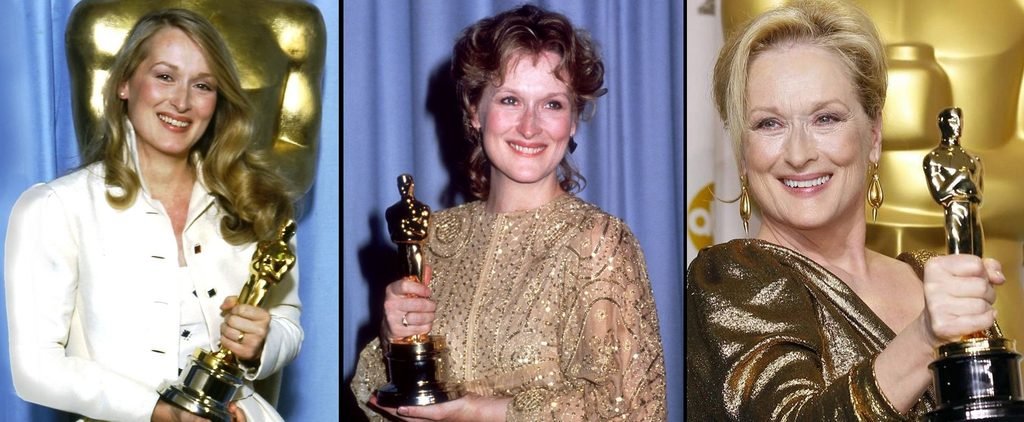
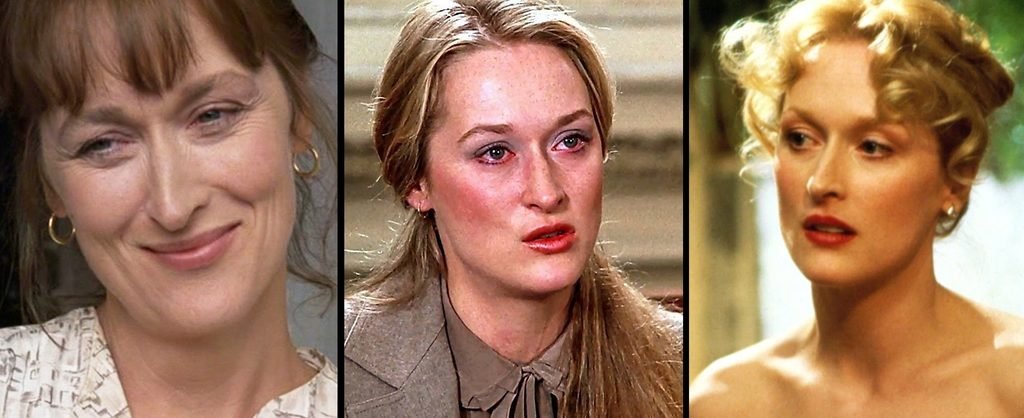
What followed across the 1980s and 1990s was not a single defining franchise or partnership, the kind of engine that tends to build today's fastest-rising names, but a deliberately restless run through accents, genres, and eras: the Danish author in Out of Africa, the whistleblower in Silkwood, the washed-up screen legend in Postcards from the Edge, the Iowa housewife in The Bridges of Madison County. Where a contemporary star's rise tends to be legible through a handful of very large, very visible projects, Streep's authority accumulated the old-fashioned way, film by film, critic by critic, until "the greatest actress of her generation" stopped being a compliment and became something closer to consensus.
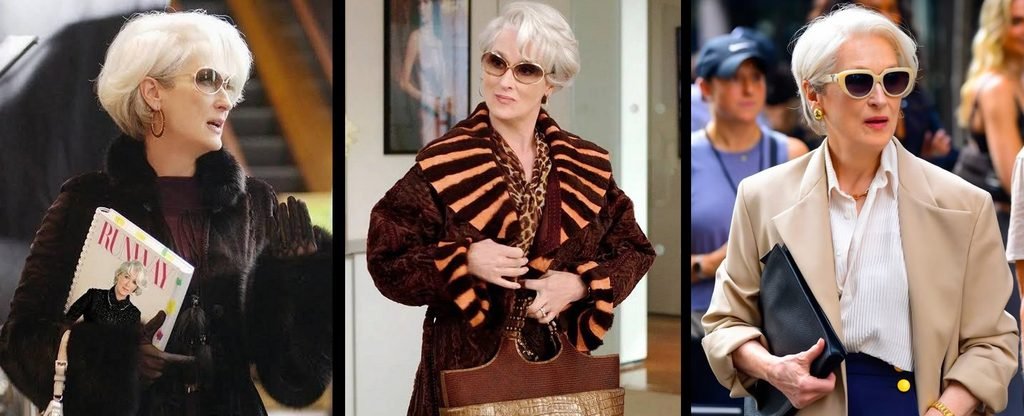
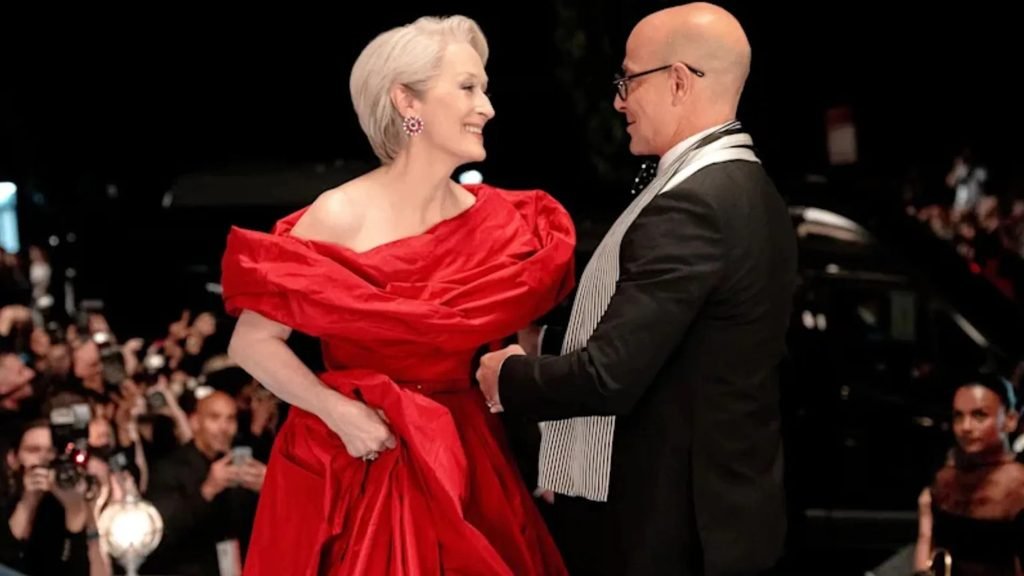
The fascinating twist, and the part of her story that actually connects to the phenomenon this series usually investigates, is that Streep's mainstream pop culture ubiquity, the version of her that lives in memes and GIFs and college dorm posters, is a comparatively recent development. It arrives largely with The Devil Wears Prada in 2006, when she was already 57 years old and thirty years into her career. Miranda Priestly did something none of her prestige work had quite done before: it made her a figure of pure, quotable, internet-ready pop culture, adopted by an audience far younger than the one that had watched her win those first two Oscars.
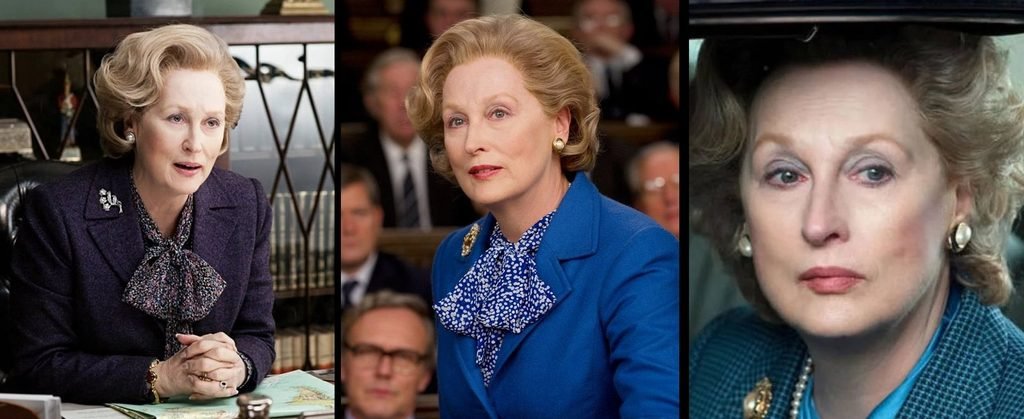
Mamma Mia! two years later doubled down on that reinvention, turning an actress synonymous with gravity and restraint into someone audiences associated with pure, unembarrassed joy. Then, in 2011, The Iron Lady brought her a third Academy Award, proof that the newfound pop relevance had cost her nothing in prestige. Few careers manage both registers at once; Streep's has run on that dual track for close to two decades.
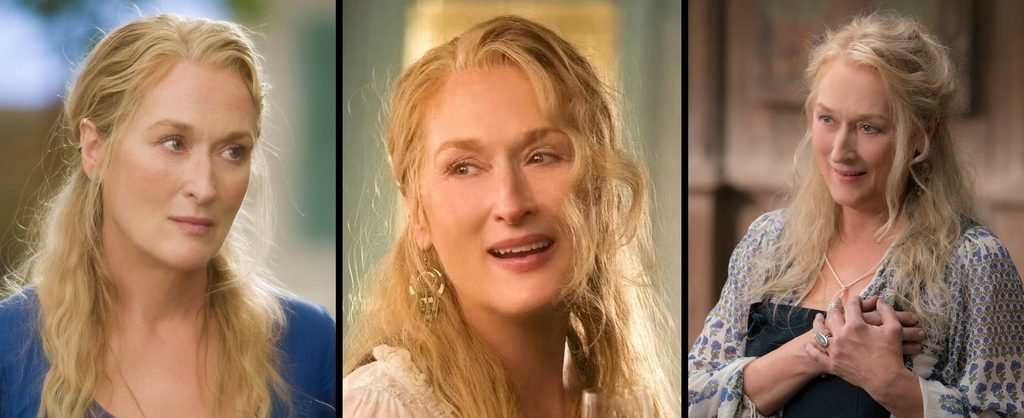
The infrastructure of her continued visibility is worth examining on its own, because it looks nothing like the machinery that powers a fast-rising star today. There is no brand deal cycle, no dedicated social media presence doing the work of staying top of mind, no franchise contractually obligating her to a press tour every eighteen months. What she has instead is directors who keep casting her because the work is genuinely better with her in it, a filmography deep enough that new generations keep discovering her backward, and an awards trajectory that has simply never stopped: 21 Academy Award nominations, still the record for any performer, alongside eight competitive Golden Globes out of more than thirty nominations. As recently as 2018, for The Post, she extended the acting nomination record she had owned for fifteen years. That is not a career being sustained by exposure. That is a career that keeps generating new evidence for why it deserves the attention it gets.
And she is, as of this year, still very much an active presence rather than a legacy act making occasional appearances. She has spent recent seasons as Loretta Durkin on Only Murders in the Building, a recurring television role that introduced her, once again, to an audience that primarily knows streaming comedy rather than 1980s prestige drama, with the show's sixth season relocating to London for a December 2026 premiere. She is also set to reprise Miranda Priestly in The Devil Wears Prada 2, due in theaters on May 1, 2026, and to make a voice cameo in Project Hail Mary, the big-budget adaptation of Andy Weir's novel arriving March 20, 2026. Nearly fifty years after Julia, she is not being cast for nostalgia. She is being cast because the work is still in demand.
That is precisely what makes her useful to this series, even as its exception rather than its subject. The stars this series usually investigates raise a question about exposure versus genuine audience investment, about whether fame is being generated faster than a real body of work can justify it. Streep represents the opposite risk profile entirely: an actress whose reputation so thoroughly precedes her that it can be easy to forget how much of it was built one specific, difficult, unglamorous performance at a time, long before there was any audience guaranteed to be watching. Hollywood does not keep putting Meryl Streep everywhere because she is famous. She is famous because Hollywood, and audiences, keep finding new reasons to put her in front of a camera. In an industry increasingly built around stars manufactured at speed, she remains the reminder of what the word used to require: not visibility, but proof, repeated for half a century.