The Lord of the Rings : Middle-earth Comes Home Early This Fall — and It’s Bringing the Nine With It
There is a small, reliable pleasure that belongs to the American autumn: the window cracked against the first cold, the kettle on, the blanket that only comes down from the closet shelf when the leaves do. This November, that ritual gets an outrageous upgrade. On Wednesday, November 11, The Lord of the Rings: The Rings of Power returns to Prime Video — and for the first time in the show's history, Amazon is not dispensing Middle-earth one patient installment at a time. The first four of eight episodes arrive at once, like a host who, upon answer the door, sets the whole table before you can take off your coat. Two more chapters follow on November 18, and the season closes — as we now know the truly great stories insist on doing — with a two-part finale on November 25. In an era when streaming schedules are engineered to ration your longing, the gesture reads like something almost old-fashioned: an invitation to settle in beside the fire and stay.
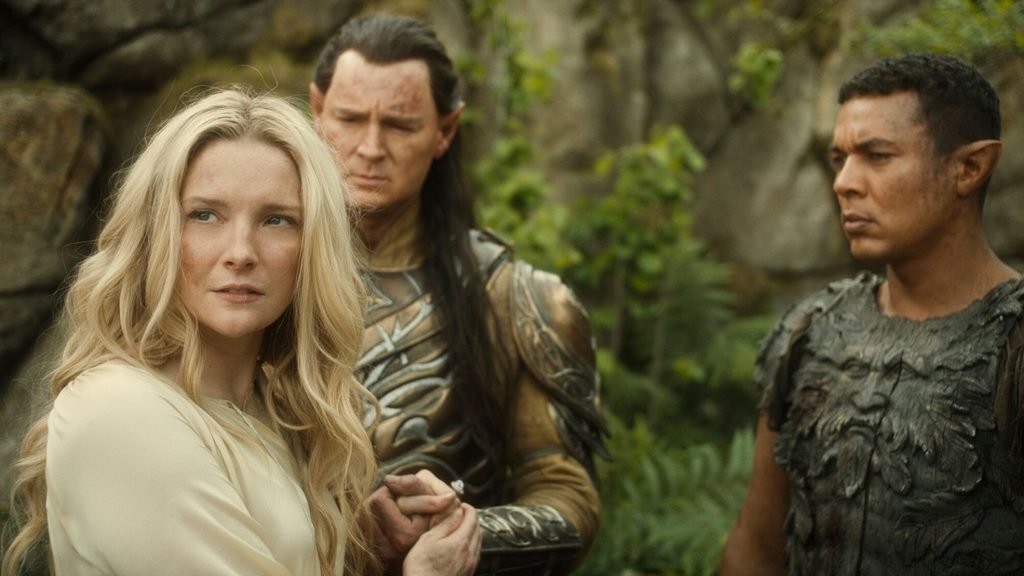
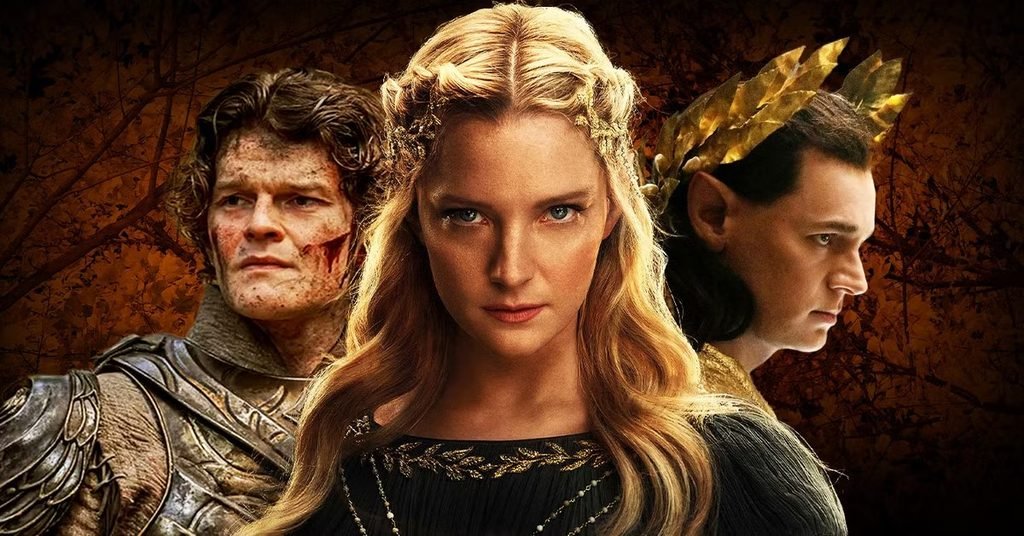
And what is waiting behind that door deserves the candlelight. The showrunners have told us where we're going — five years after the fall of Eregion, a war story in which what was gathering shadow finally begins to take shape — and the season's center of gravity is not a battle at all, at least not at first. It's a reunion. After two full seasons of absence, invisibility, and grief that Galadriel carried like a hidden wound, Celeborn arrives — played by Jamie Campbell Bower, in what may be the single most quietly awaited entrance the series has staged. Think about what the show has been holding in reserve: a wife who believes she is widowed, learning that her husband lives. Tolkien's Second Age is a chronicle of realms and rings, but its most devastating magic has always been intimate, and the return of a love thought lost is exactly the kind of grace note this series has been saving for the moment its world turns darkest. The season's warmth and its shadow arrive together — which is, perhaps, the most Tolkien thing about it.
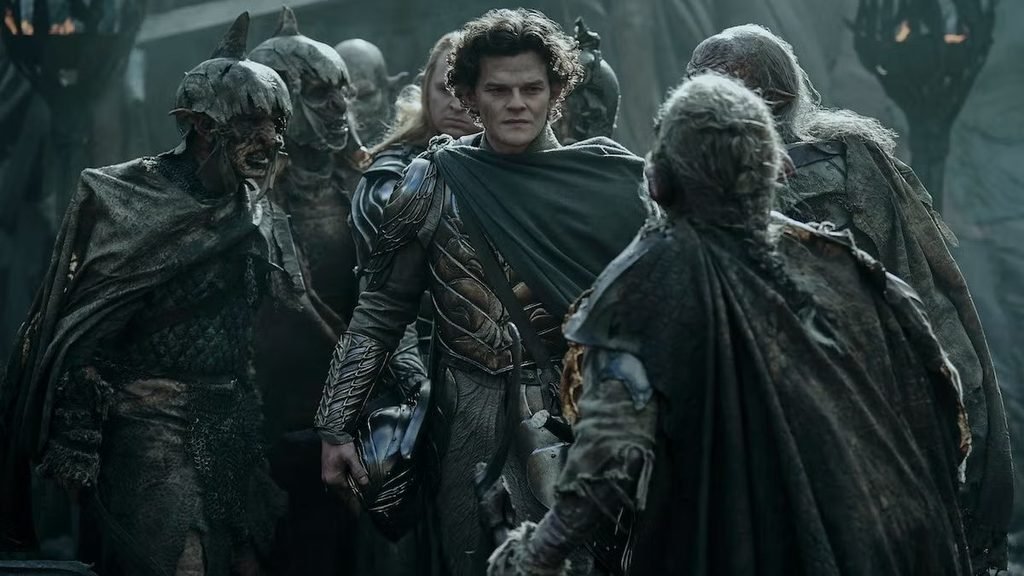
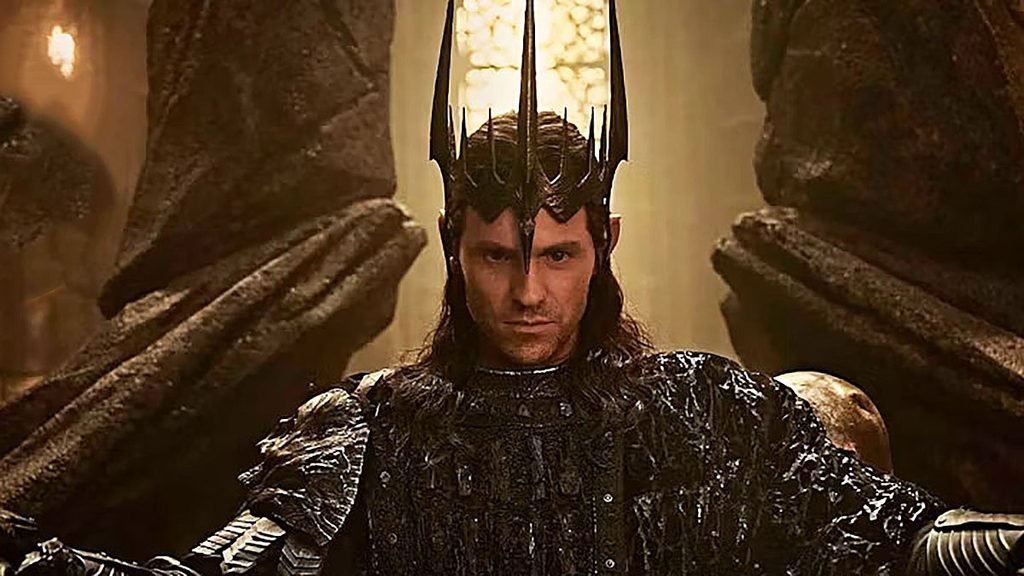
Then there is the matter of the Ring itself. Patrick McKay, half of the showrunner duo, has confirmed plainly what the teaser promised: this is the season in which Sauron — Charlie Vickers, chilling in his restraint — makes the One Ring, in the volcano, and the forging that the entire saga has been orbiting finally begins in earnest. McKay has described the change of tone bluntly: "Darker, more dangerous. No-one is safe," with the first two seasons having spent their years lighting fuses so that all those bombs could start exploding now. And alongside the One Ring comes its promise of servants: the studio has introduced four ring-wraiths of Sauron — figures the official material frames as an earlier Second Age incarnation of the Ringwraiths we know are coming, with the Easterling Khamûl among them. Parse that carefully and you feel the floor tilt: the clay of the Nine Kings of Men, the Nazgûl-to-be, is already being gathered somewhere offscreen. That is the show's masterstroke of dramatic architecture — we, the audience, are the only ones in the theater who know how the poem ends, and every honor these characters perform, every vow they swear, is being inscribed in a hand they cannot yet read.
What a gift, honestly, that it all lands in the heart of the season made for it. The Rings of Power has spent its life being argued about, but Season 3 feels designed for the people who stopped arguing and just stayed — the ones who kept the faith that this间的 Middle-earth would grow into its own weather. A darker season, yes. A war, yes. But war in Tolkien was never the point; it was the pressure that revealed what love, and loyalty, and small stubborn courage were actually made of. So light the candle. Queue the first four episodes the way earlier generations queued the carols — without irony, without apology. Middle-earth does not come home often, and when it does, it comes full: the husband returned from the edge of death, the Ring on its way to being, the wraiths stirring in the distance, and three quiet weeks of November to watch the age turn. Some marathons are about deciding whether a show is good. This one is about remembering why we ever wanted to go there in the first place — and how good it feels, on the first cold night of fall, to be believed when we say we're going.