The Last of Us Season 3: What We Know About the Abby Era, the New Cast and the 2027 Premiere
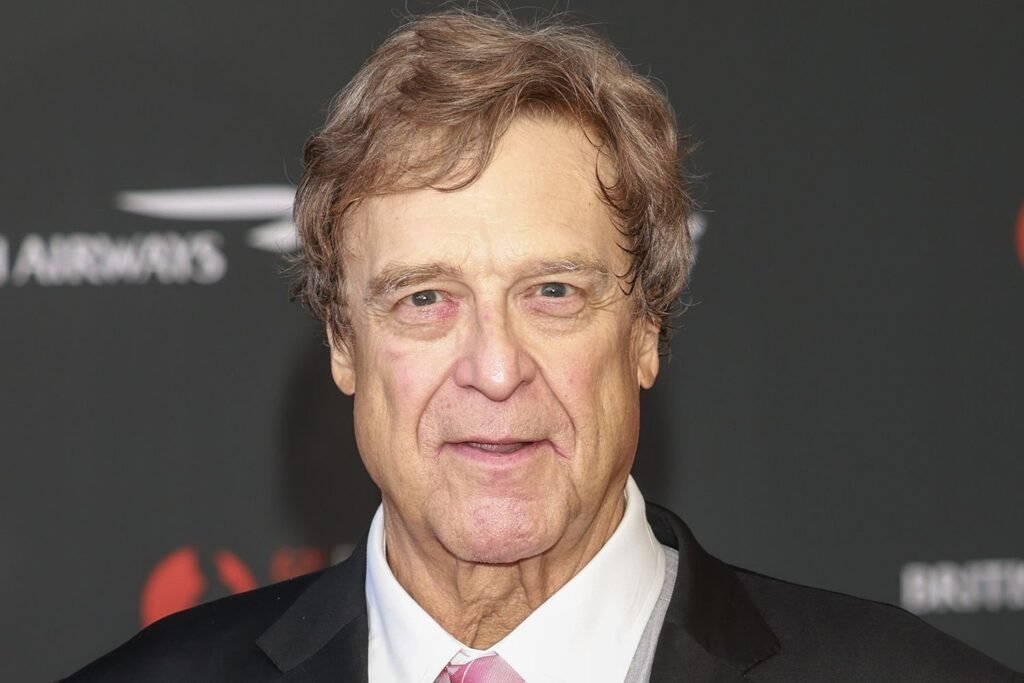
HBO's The Last of Us is in the rare position of being one of television's most decorated dramas with its most turbulent stretch still behind it — and Season 3 is now close enough to touch, even if the network is holding the calendar. Filming ran in Vancouver through 2026, and by October 3 production listings had the season in post-production with principal photography complete. HBO chief Casey Bloys put it plainly to Deadline in September: the new season will happen in 2027, and he doesn't have a date. No official trailer has been released, which means every casting announcement is currently doing the work a teaser would normally do — and the most recent one, John Goodman joining the cast on September 26, is exactly why the show keeps surfacing in conversations it isn't technically participating in yet.
The trajectory so far explains why the fanbase is watching every move. The first season premiered January 15, 2023, and its finale drew 8.2 million same-night viewers, with later reporting putting the season at 32 million cross-platform viewers; it holds 96% on Rotten Tomatoes and 84 on Metacritic, and racked up 24 Emmy nominations with eight wins, including acting prizes for Nick Offerman and Storm Reid. Season 2 arrived April 13, 2025, and split the audience in a way few shows manage: critics stayed at 92% on Rotten Tomatoes while the audience score fell to 37%, the finale drew 3.7 million first-night viewers on a Memorial Day weekend HBO noted was soft for sampling, and the documented backlash around Joel's death, Ellie and Dina's relationship and Bella Ramsey's performance was loud enough that Variety covered it directly. The season still earned 16 Emmy nominations and a win for sound editing, and HBO renewed the series for Season 3 on April 9, 2025 — before Season 2 even premiered.
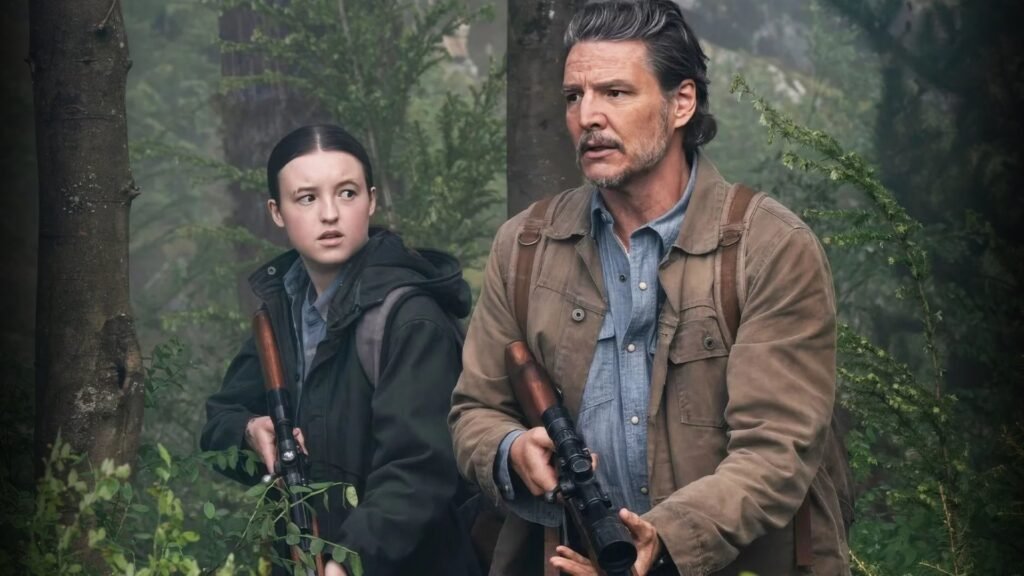
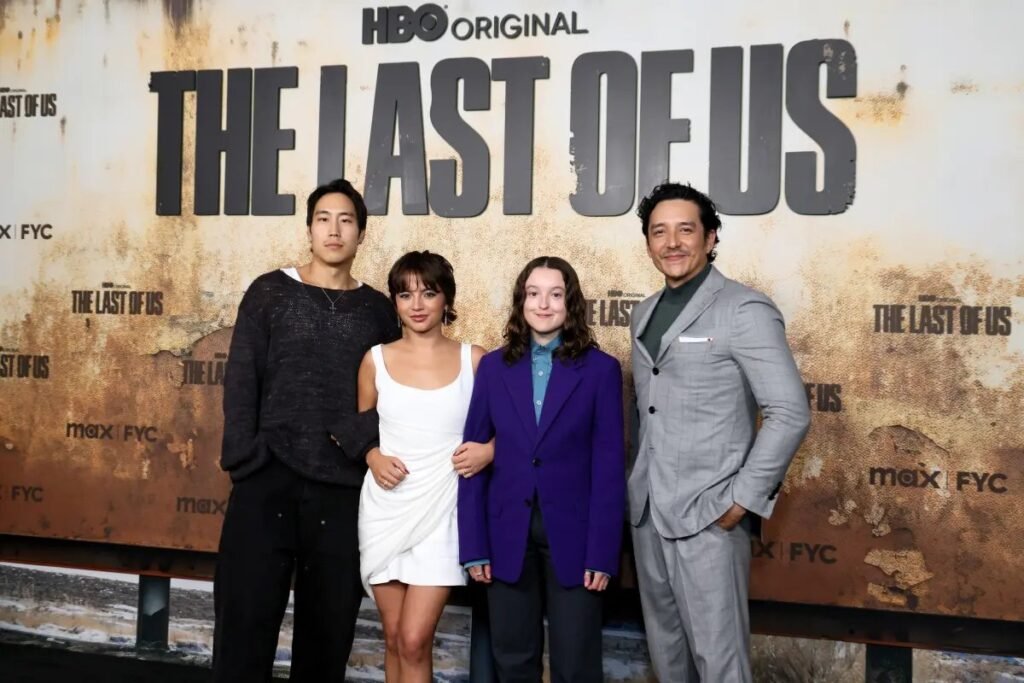
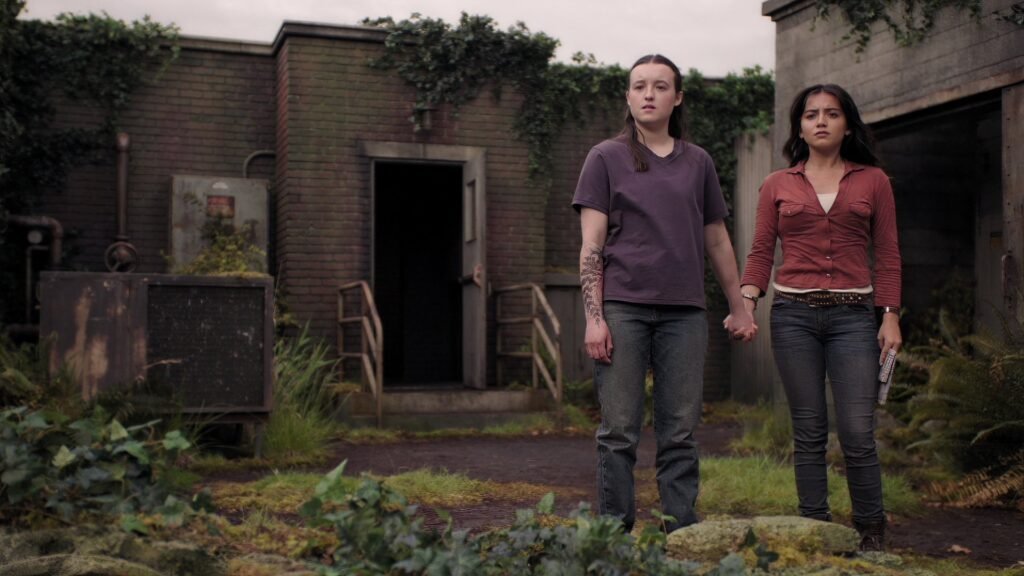
What Season 3 is doing is the thing the second game did: changing whose story you're following. Joel is dead, killed with a golf club in the second episode of Season 2, and the new season moves to Abby's perspective — Kaitlyn Dever's character, a soldier of Seattle's Washington Liberation Front, whose three days in the city overlap with everything Ellie just lived through. Bella Ramsey returns as Ellie but has said she expects to appear "not a whole bunch," which tracks with the game's structure of handing the lead to its other protagonist. The confirmed roster blends both worlds: returning faces include Isabela Merced as Dina, Gabriel Luna as Tommy, Jeffrey Wright as Isaac, and Tati Gabrielle, Spencer Lord and Ariela Barer — Nora, Owen and Mel — promoted to series regulars. The newcomers are the surprise: Patrick Wilson as Jerry, Abby's father; Jason Ritter; Peter Sarsgaard as Amon; Clea DuVall as a Seraphite; Jorge Lendeborg Jr. taking over as Manny; and in the September wave, Goodman as Joey, plus Ian Alexander and Laura Bailey, both of whom voiced characters in the games and are now playing someone else entirely on screen. Pedro Pascal's participation has not been confirmed, though flashback sequences would fit the source material.
The bigger question hovering over all of it is whether Season 3 is the last one. Craig Mazin, now the sole showrunner after Neil Druckmann stepped back following Season 2, said in May 2025 that there was no way to finish the story in a third season and that a fourth was the most likely outcome — but by September 2026, Bloys said he believed Mazin had planned Season 3 as the final chapter, while carefully framing that as his understanding rather than a network order. No Season 4 has been announced, and no Season 3 episode count has been made public, though Mazin has said it will run longer than Season 2's seven installments and feel closer to Season 1. That ambiguity may be the most faithful adaptation element of all: Part II was a game about perspective shifts that divided its own audience, and its television version is now asking viewers to wait two years, switch sides, and find out whether the show can pull off live TV's most divisive structural gamble.