Supergirl Was Declared Dead in June. This Fall, She Refused to Stay Buried
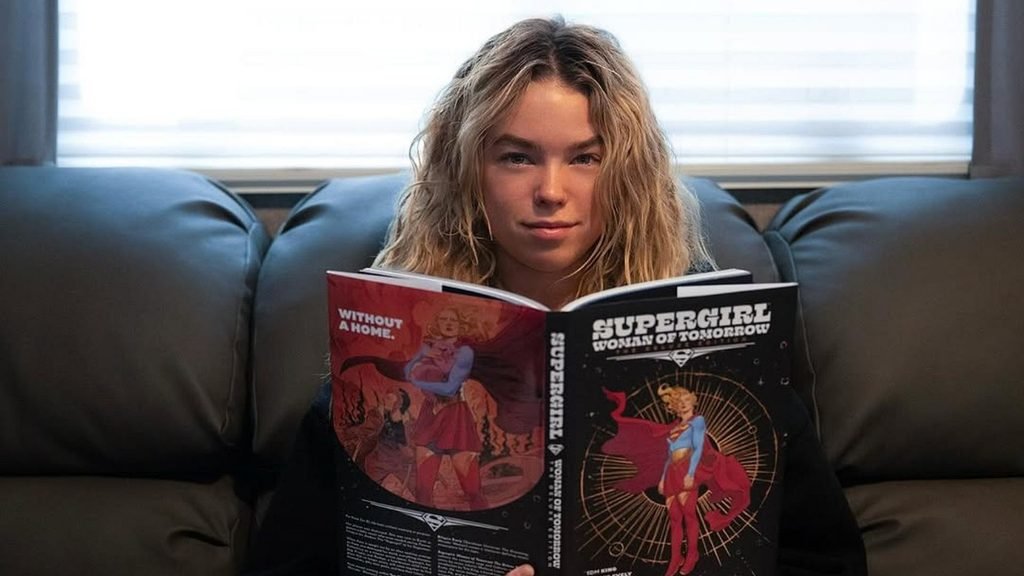
There is a particular cruelty to the modern superhero blockbuster: a movie can be pronounced dead on a Friday in June and resurrected by a Wednesday in September. That is precisely the arc of Supergirl, the Craig Gillespie film that crashed into theaters on June 26, 2026, grossed a bruising $37.1 million domestically on opening weekend against a $170 million budget, and limped to $126.5 million worldwide — a loss, by industry estimates, of hundreds of millions once marketing and the roughly $300–375 million breakeven threshold are counted. Variety called it a bomb; the hot takes wrote themselves. Then the film quietly arrived on HBO Max on September 10, hit #1 on the platform's U.S. movie chart, and logged a staggering 304 million minutes of American viewing in its first four days on the service — enough to rank among the top five most-watched movies across all measured streamers that week. The theatrical obituary was correct. It was also, it turns out, incomplete.
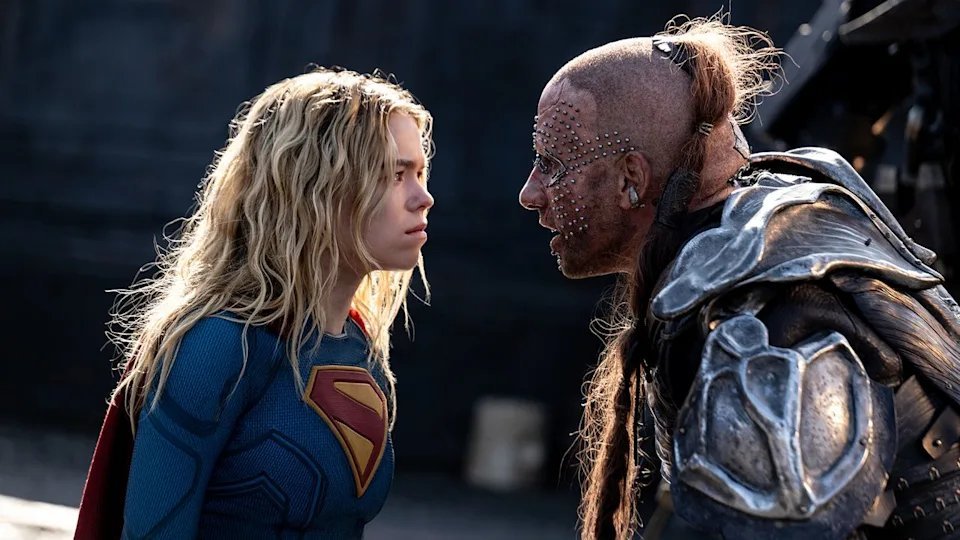
For the comic readers and cinephiles paying attention, none of this is surprising, because Supergirl was never trying to be a crowd-pleaser in the traditional mold. Ana Nogueira's script adapts Tom King and Bilquis Evely's Supergirl: Woman of Tomorrow, the eight-issue, Eisner-nominated 2021 series that took DC's sunniest Kryptonian and dragged her across the galaxy on a revenge quest — a young alien named Ruthye seeking vengeance on Krem, the mercenary who murdered her family. It is a western disguised as a space opera, and the film largely keeps its spine. Milly Alcock's Kara Zor-El is the revelation here: hungover, grieving, scarred by watching her planet die from orbit, and refreshingly allergic to the syrupy, quipping hero archetype the character wore like a costume for decades. Even the film's harshest critics — and there were plenty, with a 53% Rotten Tomatoes score — converged on one point of surrender: Alcock carries the movie on her cape. The BFI's review called her performance the film's engine, and the additions (Jason Momoa's Lobo, a rewritten ending) matter less than the fidelity of the tone: this is a story about trauma, grief, and the moral cost of vengeance, told with a heroine who bleeds.

Here is the part that matters for the other audience — the tens of millions scrolling Max on a Tuesday night who have never read a comic and feel no obligation to start. Supergirl functions completely on its own terms. You need zero homework on the new DC Universe, zero memory of whatever came before, zero encyclopedic baggage. What you get instead is a grand, mature science-fiction adventure — a road movie across hostile alien worlds, a surrogate-parent dynamic between a broken woman and a fatherless girl, visuals that lean into vastness rather than noise. In a genre drowning in connected-universe obligations, the film's freedom is its selling point: it asks you to care about two characters and a dog, not a franchise roadmap. For the streaming viewer exhausted by superhero fatigue, this is the rare entry that doesn't feel like homework — it feels like Dune-adjacent melancholy with a cape, and that is exactly why it found its people at home.
The industry story beneath the entertainment story is the more provocative one. Supergirl's second life is the clearest evidence yet that the opening weekend no longer defines a film's audience — it only defines the audience willing to pay $20 to sit in a specific chair on a specific date. The people this movie was actually made for — genre-curious adults, comic readers who waited for home viewing, families sampling on a whim — were never going to show up in June's crowded corridor. They showed up in September, at no marginal cost, on a service that needed exactly this kind of win. Warner Bros. discovered what the streaming era has been whispering for years: theatrical failure and cultural failure are no longer the same event.

There is an ironic poetry in the outcome. A film about a survivor of apocalypse — someone written off, drifting in the dark, waiting for a reason to burn again — got precisely that arc in real life. Supergirl died in multiplexes and was reborn in living rooms, and in doing so it handed Hollywood a lesson it keeps needing to relearn: the audience exists. The question is no longer whether they'll come. It's whether the industry can afford to keep building stadiums for movies whose crowds live somewhere else entirely.
Editor's note on the data: Verified figures used: $37.1M opening / $126.5M worldwide / $170M budget (The Numbers, Variety); Max premiere September 10, 2026; #1 on Max's U.S. movie chart (Polygon); 304 million Nielsen viewing minutes in the first four days, top-five movie across measured platforms that week (Media Play News). The "25 million accounts in 10 days" and "biggest streaming launch of the year" claims circulating on social media are not substantiated by Warner Bros. Discovery or Nielsen reporting — I'd recommend not publishing them.