Nobody Watched ‘The Love Hypothesis’ in a Theater. This Fall, That Was the Smartest Bet in Hollywood.
For two decades, the genre that built Hollywood — the studio romantic comedy — was declared dead, exiled to niche streamers and Katherine Heigl B-movies. Then, in a single September week of 2026, the algorithm delivered its verdict: The Love Hypothesis, the adaptation of Ali Hazelwood's BookTok-best-selling romance, dropped straight onto Prime Video on September 23, no IMAX, no opening weekend, none of the traditional marketing playbook — and promptly hit #1 on the platform's film charts in dozens of countries while becoming the most-watched Prime Original film of the week, per Amazon's own Top 10. No cinema. No box office. And yet, the fall's hottest cultural conversation. If Supergirl's theatrical collapse and streaming resurrection taught us that opening weekend is no longer the whole story, Amazon just took that logic to its natural conclusion: why even pretend theaters are part of the plan?
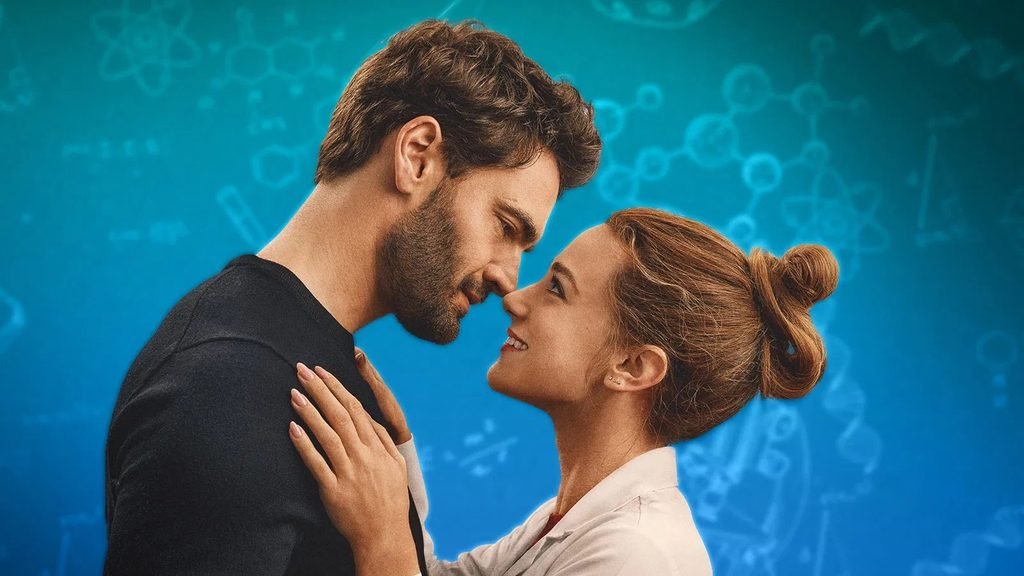
For Hazelwood's army of fans — the millions of readers who made this novel a TikTok phenomenon before Hollywood knew what BookTok was — the movie is a case study in honoring source material without embalming it. The essentials are all there: the desperate fake kiss PhD candidate Olive Smith plants on the department's most feared professor to convince her best friend, Anh, that she's over their shared crush; the resulting fake-dating bargain; the lab-coat texture of academic subplots and science-poster precision; and yes — the famous Chapter 16, which director Claire Scanlon and producer Elizabeth Cantillon admitted to Publishers Weekly they recreated after fans begged for it, consent choreography intact. Lili Reinhart plays Olive with the perfect blend of anxious overthinking and surprising bravado, while Tom Bateman finds Adam Carlsen's sarcastic register exactly — the grumpy monster with the unexpectedly soft center — and their chemistry is the one thing even the film's mixed critics (a solid 75% critic score on Rotten Tomatoes, with 74% audience approval not far behind) refuse to deny.
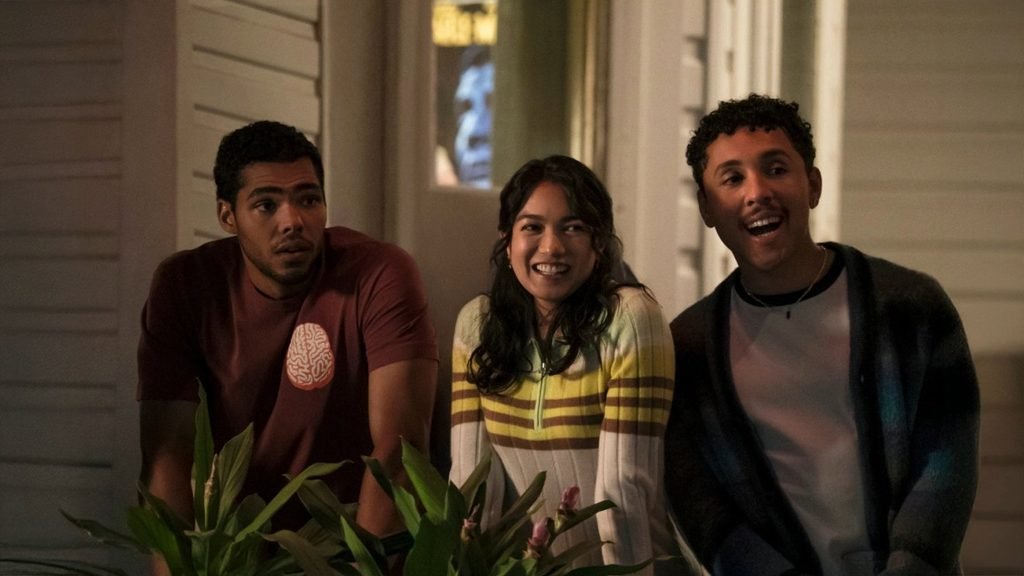
The smarter surprise is that the film requires zero homework. You never need to have touched the novel to fall for it, because Scanlon — a genre veteran whose Set It Up was one of Netflix's streaming joys — builds a mature, adult romantic comedy about two brilliant people who have treated self-sabotage like a research protocol. The book-to-screen changes, made deliberately, serve the general audience: the film reorders Adam's most telling moment so that his falling for Olive emerges on its own terms, and the ending is rewritten with a female-forward lens, making the story more conclusive on its own. What remains is genre DNA — the slow burn, the science-love banter, the "hypothesis" paying off with interest — updated for an era that wants its rom-com leads to have lab work and problems, not just meet-cutes. It's a comfort-watch with a grad-school brain, and it's precisely why it works for both the BookTok faithful and the uninitiated.
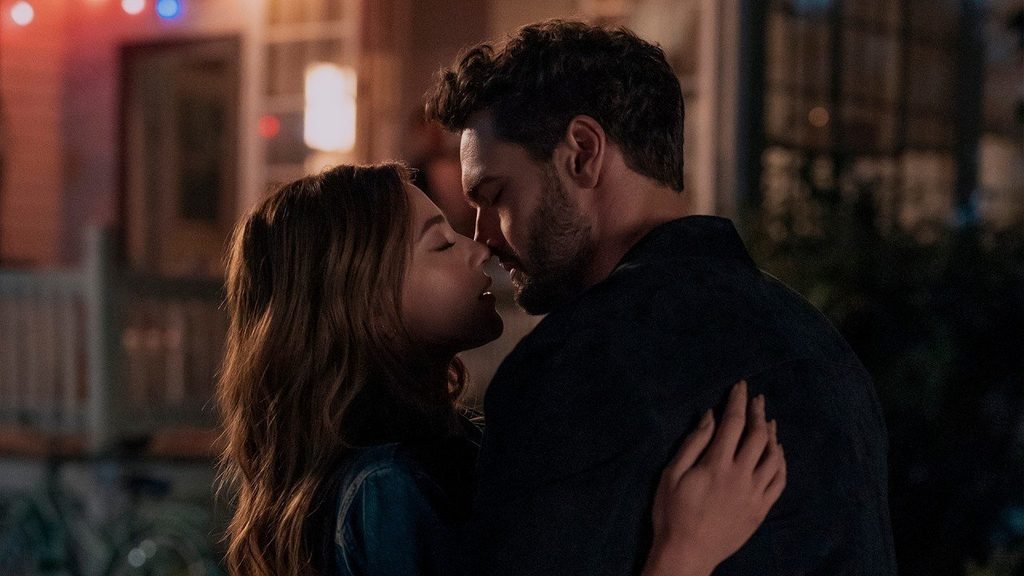
The meaning behind the entertainment is the delicious irony. In the same fall that saw a $170 million superhero film die in theaters and rise again on streaming, a romantic comedy engineered as a passive-catalog bet became the season's most-watched event — and it never needed a theater lobby to do it. The film's marketing engine was the fandom itself: Reinhart's TikTok campaign pulling 57 million views overnight, proving that a premiere is no longer a weekend — it's a conversation. Hollywood spent a decade telling rom-com fans that their comedies couldn't pay for their own tickets. Amazon just demonstrated that the math was wrong from the start: the genre audience never disappeared, it simply moved from the multiplex to the watchlist.
The hypothesis, it turns out, was right all along. The rom-com audience exists, it is enormous, and it is measurable — it just lives on the couch, scrolling with its thumbs. The Love Hypothesis didn't just prove a genre's viability; it handed Hollywood its most uncomfortable thesis of the fall, alongside a capeless Supergirl: the box office is dead; long live the feed.