Anthony Edwards On The Abuse That Shaped His Early Years — And The Thing That Finally Set Him Free
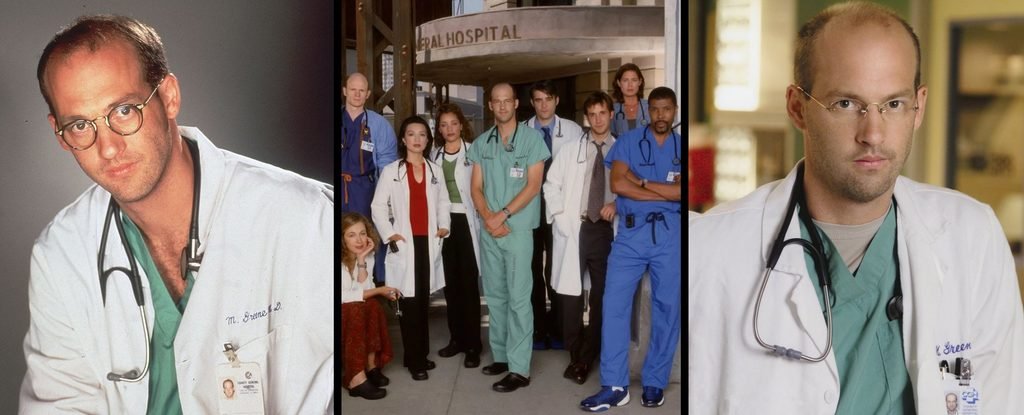
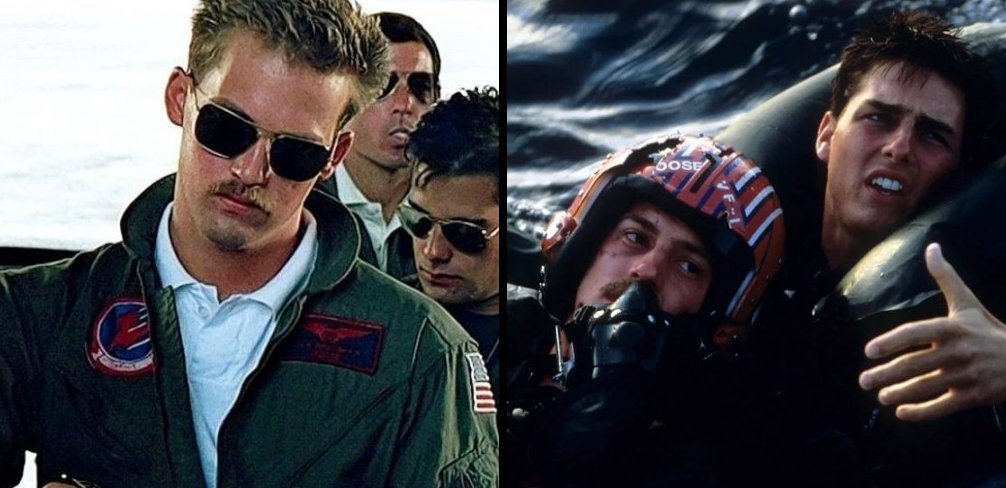
For most of the public, Anthony Edwards will always be Dr. Mark Greene, the steady moral center of ER for eight seasons, or Goose, the ill-fated wingman whose death became one of the most quietly devastating moments in Top Gun. What audiences rarely saw was the story running underneath that career the entire time — one Edwards has only recently begun to tell in full, in a conversation that moves far beyond a typical career retrospective and into something closer to testimony.
The interview centers on abuse Edwards experienced as a child actor, at the hands of a manager roughly a decade older than him, a man who built his influence not through force but through belonging. Edwards describes a small circle of boys around this figure, all of them competing for proximity to him, all of them convinced they'd been chosen for something rare and irreplaceable. That dynamic, he explains, is precisely what made the abuse possible: manipulation dressed up as intimacy, control disguised as mentorship, until the relationship itself became the only measure of the boys' worth. When Edwards' mother later raised concerns about the man's behavior, years into the abuse, Edwards defended him without hesitation — a reflex he now understands as the natural, devastating logic of a child who has been taught that love is conditional on silence.
What makes this account resonate beyond its specifics is Edwards' clear-eyed account of what came after: the shame he carried for decades, the suppressed anger he redirected into caretaking other people, and the particular cruelty of learning, twenty years after confronting his abuser directly, that the man was still causing harm. That discovery, Edwards says, doubled the betrayal — first as a child, then again as an adult who believed the matter had been resolved.
Threaded through the darker material is something more unexpected: Edwards' account of how acting itself became his way out. He's careful to draw a distinction between the theater community that shaped him as a young performer and the abuse that happened alongside it — insisting the two were never the same thing, even though they arrived in his life together. The stage, he explains, was where he first experienced something unconditional: a room full of people building something collaborative, trusting each other, without an agenda attached. It's a striking reframe, one that recasts a career often read simply as talent and good fortune into something closer to a lifeline. For eight years on a television set, Edwards says, being at work felt safer than being at home, because it was one of the few places where trust wasn't contingent on anything.
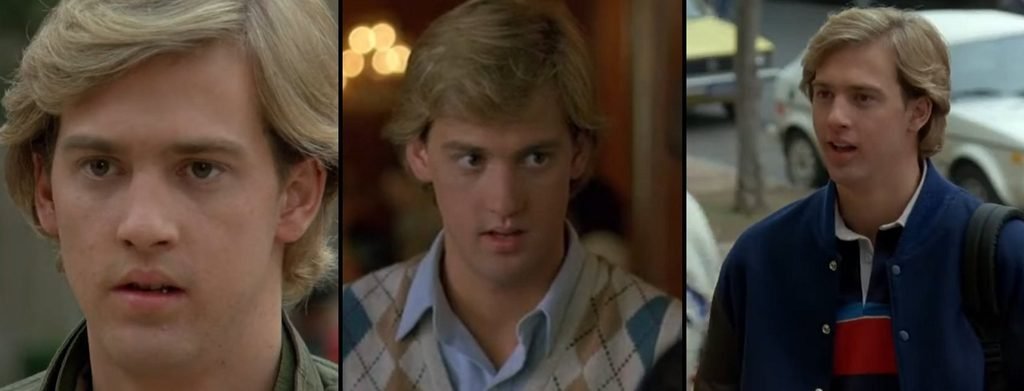
The conversation doesn't resolve into a tidy story of recovery. Edwards is candid that it took him until his fifties to fully understand how much of his adult life — his relationships, his self-image, even his professional confidence — had been built around compensating for a wound he couldn't yet name. He describes healing not as a finish line but as something closer to daily maintenance: noticing old patterns of fear before they take hold, learning to separate what happened to him from anything resembling his own responsibility for it. He points, too, to something that surprised him — a sense of kinship with other men who carry similar histories, and the statistic that roughly one in six men share some version of this experience, often in silence.
If there's a single thread holding the interview together, it's Edwards' insistence that the child he was never needed fixing in the first place. Something was done to him; he wasn't broken by it, whatever it cost him to believe that for most of his life. That distinction — between what happened to someone and who they are — sits at the emotional center of everything else he says, and it's the reason this conversation lands less like a celebrity disclosure and more like an act of genuine reclamation.
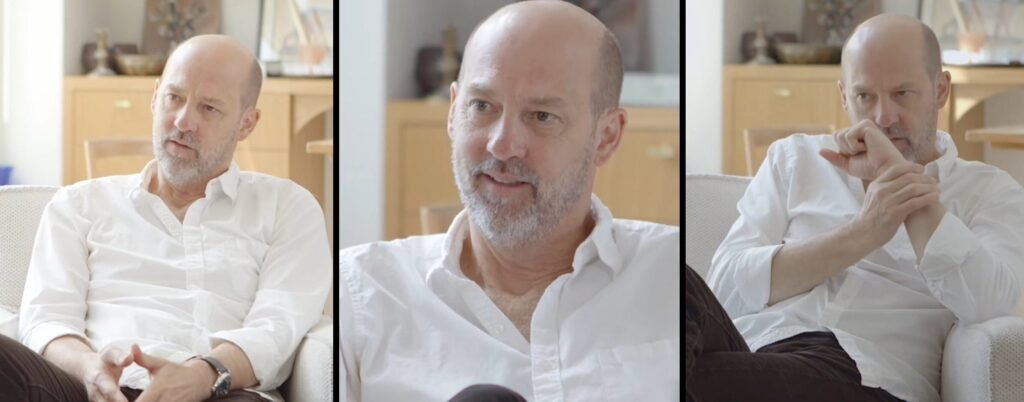
Coming from an actor whose defining early roles were built on quiet decency and steadiness, the interview reframes decades of that public persona in a new light. It also adds Edwards to a growing, painfully necessary chorus of men speaking openly about childhood abuse — not for sympathy, but in the hope that naming it might make the silence a little less automatic for the next person carrying it.