Who Is Jennifer Aniston?
How did Hollywood turn Jennifer Aniston into a household name?
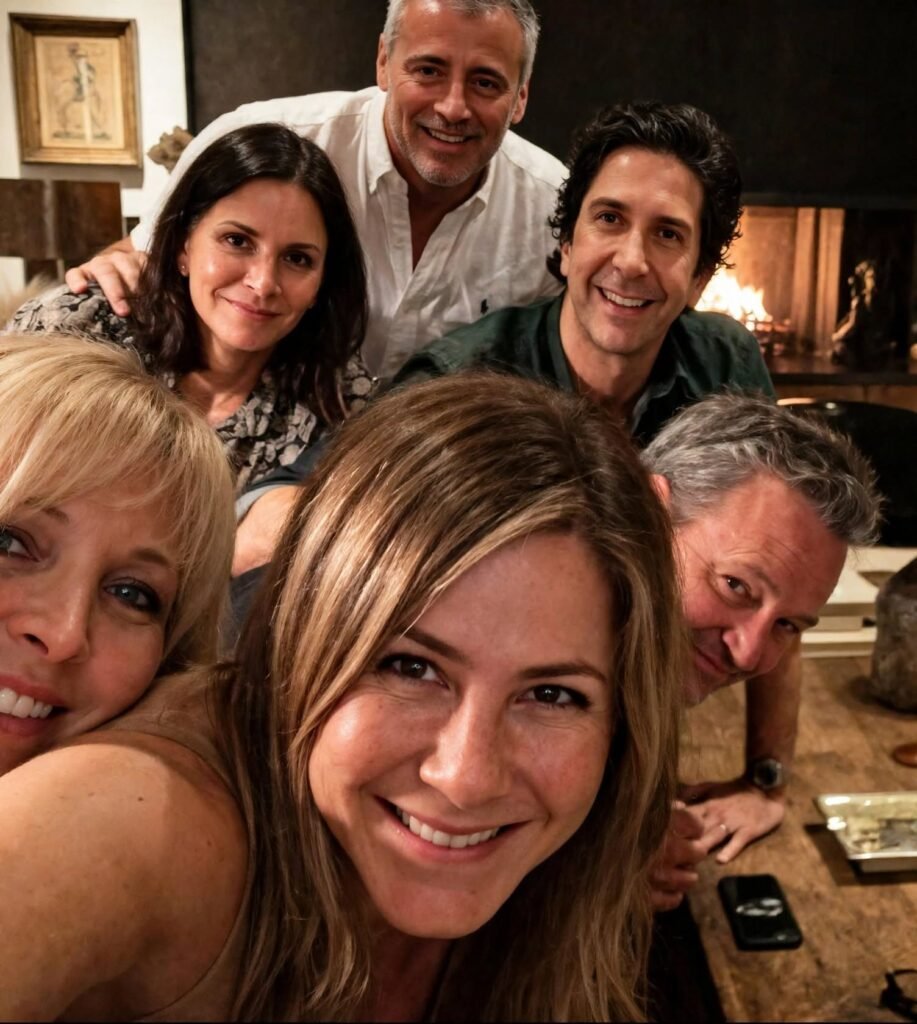
In October 2019, an actress whose seven highest-grossing films were all released between 2003 and 2013 posted a single photograph online — six old friends crowded onto a couch — and the internet briefly stopped working as intended. It took her five hours and sixteen minutes to collect one million followers on Instagram, a Guinness-recognized record at the time, one that stood until David Attenborough came along the following year. No studio was opening a movie that week. No franchise was dropping a trailer. The number belonged to a person, not to intellectual property — and that is the anomaly worth investigating.
Because that is the real question. Celebrity journalism asks "who is that person?" as an act of curiosity; Hollywood answers it with money, and the more useful version is the one this piece starts from: who is Jennifer Aniston, and how did she become one of the most recognizable women alive — so quickly, and then, more strangely, for so long? Ask it honestly and the usual evidence gets in the way. The hit movies, the thing that used to make a star, had already gone quiet.
The quick part is well documented. She was born in Sherman Oaks, California, to two working actors, John Aniston and Nancy Dow, trained at New York's LaGuardia High School, appeared on stage in the late 1980s, and then ground through television shows that mostly didn't last — Molloy, The Edge, Ferris Bueller, Herman's Head — plus a first film, the low-budget horror comedy Leprechaun, that became a punchline rather than a launch. In 1994 she was cast as Rachel Green on Friends. Ten seasons later she was one of the most famous people on the planet: the entire "how did she become a star so fast" question was answered by one casting decision and one ratings season. Everything that has happened since is a different phenomenon — the maintenance of fame long after the reason for it has expired.

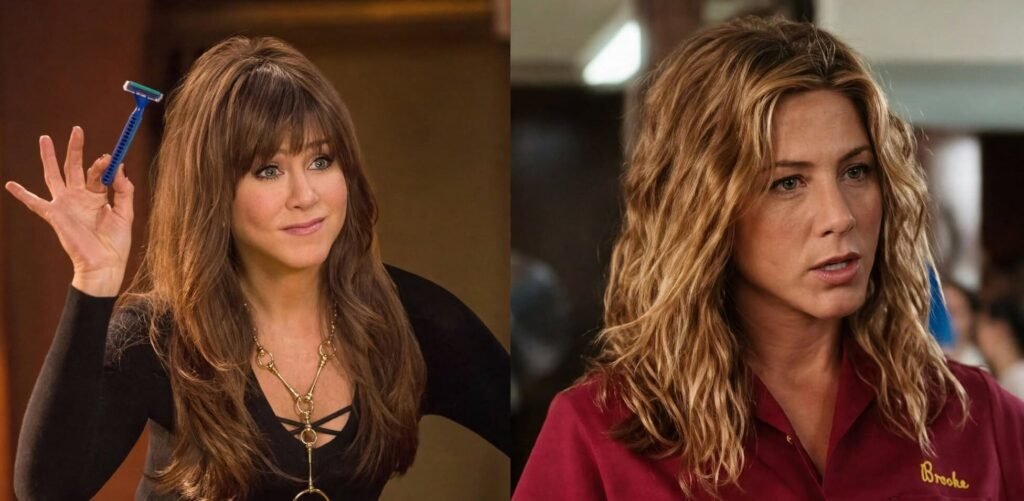
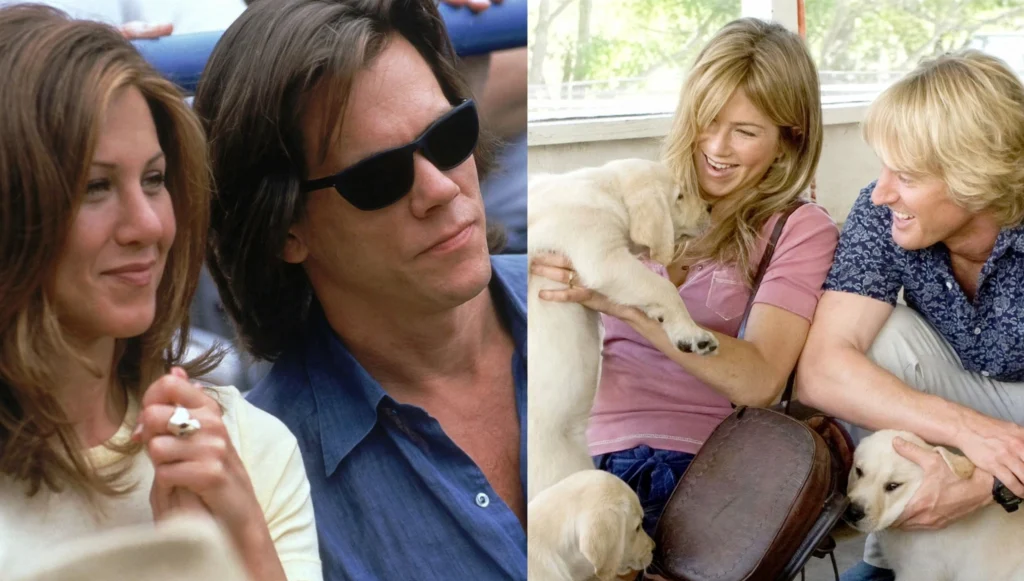
The movies took longer and never quite did what the legend suggests. The Good Girl, in 2002, was her first real test as a lead: an independent film that earned $16.9 million worldwide and serious reviews. The following year she appeared in Jim Carrey's Bruce Almighty, which grossed $484.6 million and remains the biggest hit she has ever been part of — a film built around someone else. Then came a decade of romantic comedies with her as the reliable center: Along Came Polly ($178.3 million), The Break-Up ($205.7 million), Marley & Me ($255.7 million), Just Go with It ($214.9 million), Horrible Bosses ($209.8 million), We're the Millers ($269.9 million). Compiled totals put her filmography around $1.59 billion worldwide — an impressive aggregate, with the caveat that it counts every title in a database, not only the ones she sold.
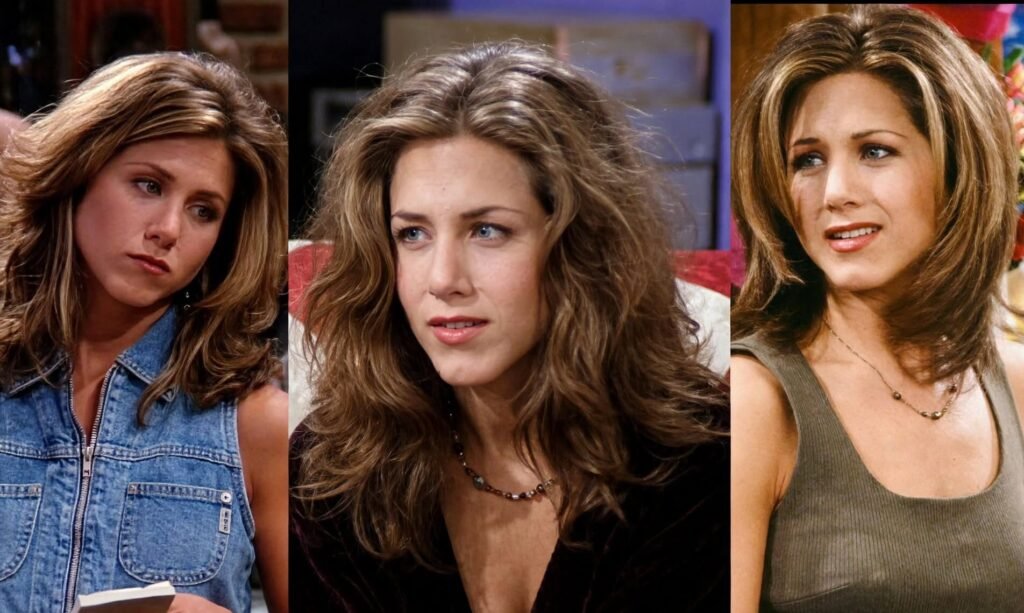
Look at that list closely and the pattern is the story. She was rarely the only reason to buy a ticket, and almost never the reason a film became huge; her biggest successes paired her with Jim Carrey, a dog, or an ensemble. That is not a takedown — it is the first clue. Hollywood did not discover that Jennifer Aniston could open a picture. It discovered something rarer: that audiences trusted her, consistently, for twenty years. Trust is harder to manufacture than excitement, and considerably harder to lose.

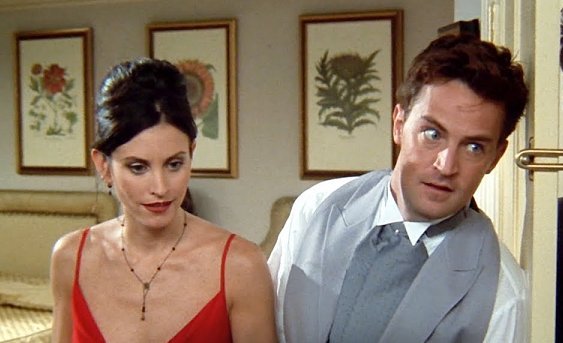
The first machine maintaining her was not a movie but a rerun. Friends never left: syndication, then streaming, then collective memory, and when the reunion arrived it reached an estimated 29% of U.S. streaming households on its first day (a third-party estimate from TVision, reported by Variety). Unlike today's rising stars, who have to build a legacy in public, Aniston inherited one that renews itself every time someone presses play. Nostalgia is not competing with her fame; it is the floor beneath it. Her family ties to the business are real but modest — two working actors, no dynasty — so the legacy sustaining her image was not handed down; it was licensed, rerun, and kept warm.
The second machine was advertising, which does not care whether a film opens on Friday. She has been selling things with the same face since the L'Oréal Elvive campaign in 1997: Aveeno's spokesperson since 2013 (Page Six reported the deal could be eight figures — a report, not a disclosure), Emirates' global campaign in 2015 (her alleged fee, $5 million; the much-quoted $20 million was the airline's media spend, not her paycheck), Smartwater since 2007 with a fresh campaign this year, Vital Proteins' chief creative officer since 2020, and an equity stake in Living Proof that ended when Unilever bought the brand outright in 2016 for an undisclosed price. She founded her own haircare line, LolaVie, and has franchised a fragrance since 2010. A Forbes editor estimated in 2018 that endorsements alone paid her more than $10 million a year — an expert estimate, not a contract. Note what she sells, though: not couture but normality — water, supplements, drugstore skincare, haircare. That is an interpretation of a pattern, but the pattern is documented, and it is the opposite of how the newest stars are packaged.
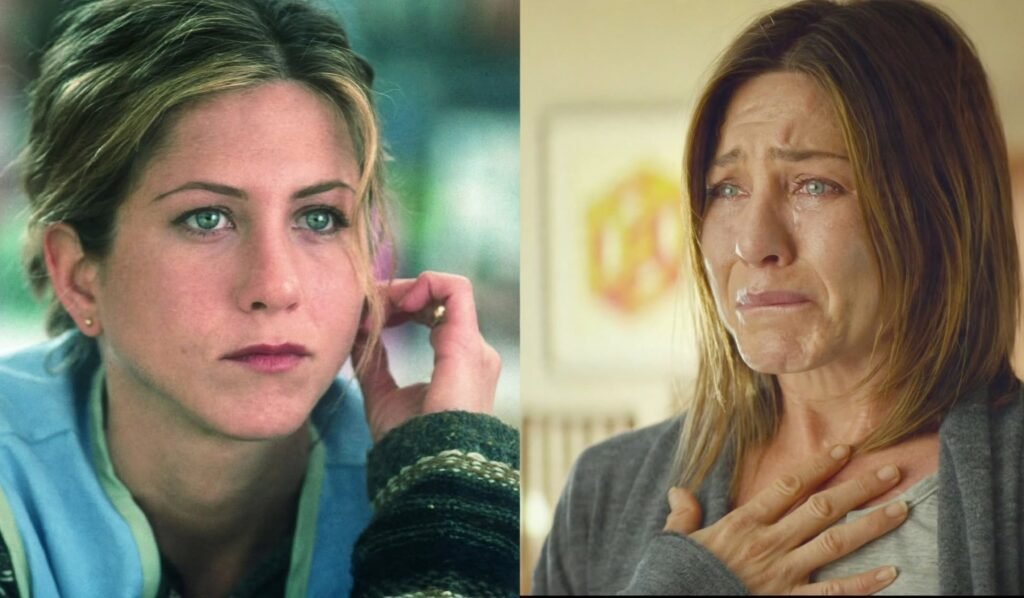
The third machine was the press, and it fed on her the way it feeds on nobody else. Vanity Fair's 2025 cover story described her as having appeared on roughly two thousand tabloid covers — the profile's own characterization, but a revealing one. People named her the World's Most Beautiful Woman twice, in 2004 and 2016. Her romantic life was treated as national property for the better part of two decades. None of that was box-office driven; it was exposure driven, and exposure is the one input the industry can manufacture on demand. Her trophy shelf points to the same place: an Emmy and a Golden Globe for Friends, a Screen Actors Guild win decades later for The Morning Show, ten Emmy nominations in total — and never an Academy Award nomination, which matters less as a slight than as a map. Her legitimacy has always come from television and the public, not from the Oscar corridor.
This is where the three words we use interchangeably have to come apart. Fame means people know who you are, and on that the data is close to unanimous: YouGov measures 95% public awareness, her Instagram following sat at 44.6 million as of a September 2025 count, and her debut on the platform broke a world record. Popularity means people actively like and follow her — the evidence is real but softer: 70% popularity in the same polling, a 91% appeal score in a 2018 survey of 1,000 people by the Marketing Arm, a shelf of audience-voted People's Choice Awards, and 73 million Netflix households that watched Murder Mystery to at least 70% completion in its first four weeks. Star power is the hard one: the ability to make people pay attention, or money, simply because a name is attached. And on that, the record is genuinely ambiguous.
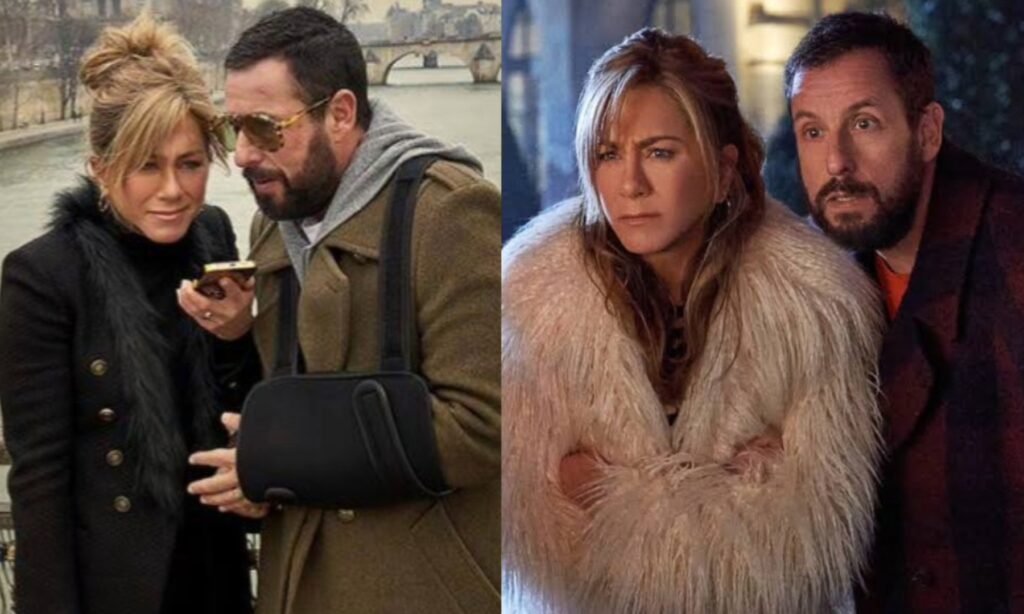
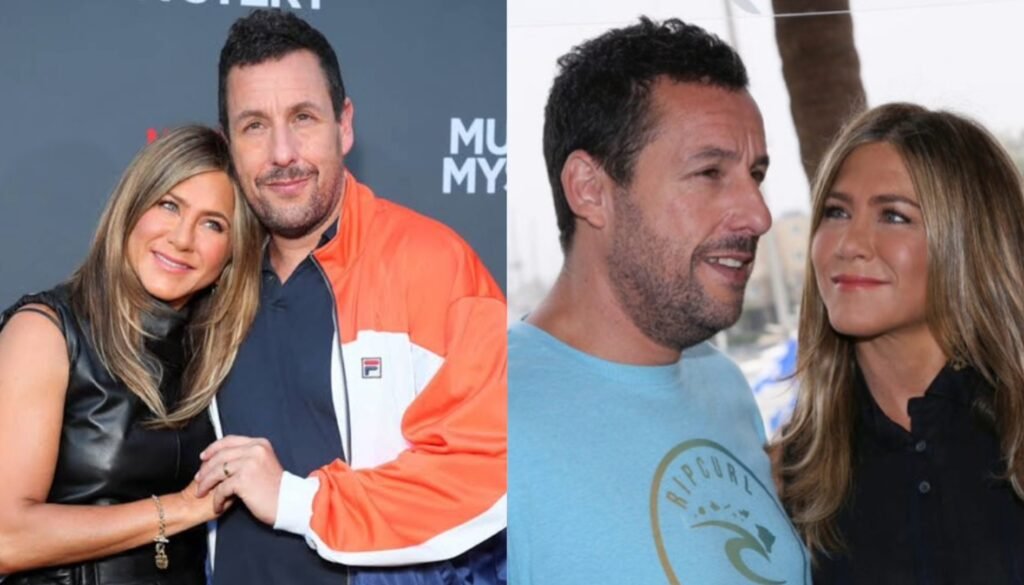
The classic star-power test — can your name open a picture? — has not been applied to her in years, because her recent work has gone where the test doesn't exist. Netflix reported 30.9 million households watched Murder Mystery in its first three days (at the time, the biggest movie opening in the platform's history) and 42 million views for the sequel's first three days; Apple pays her a reported $2 million per episode for The Morning Show, which has been renewed for a fifth and final season. Those are real numbers, but they are not box office: Netflix counts hours divided by runtime, and Apple does not disclose title-level viewership at all. So the honest verdict splits: her theatrical star power is unproven in the current era, while her streaming and brand star power is documented. Hollywood is buying the second one, and it is buying a lot of it.
The comparison with the previous generation clarifies how much the yardstick moved — not that older stars were better, but that they were measured by a machine that no longer exists. In 2000, Julia Roberts opened Erin Brockovich to $28.1 million domestically, took it to $257.9 million worldwide on her eighth $100 million film, and commanded a reported $20 million salary; Pretty Woman grossed $463.4 million and Notting Hill $364 million. The star was the product. By 2023, the biggest domestic openings belonged to Barbie ($162 million) and The Super Mario Bros. Movie ($146.4 million); by 2024, to Deadpool & Wolverine ($211.4 million); in 2025, to a video-game adaptation, A Minecraft Movie ($162.8 million). Characters, not actors.

The numbers behind that shift are striking, if imperfect. A 2024 independent analysis defined a movie star as someone with at least three leading roles in $20 million-plus films over five years, budgets inflation-adjusted, and found that this population peaked above 150 in the mid-2000s and has shrunk since; a late-2023 National Research Group survey had no actor under 44 in its top fifteen "most want to see in theaters," with Zendaya ranked 49th and Timothée Chalamet 94th. Both come from outside analysts working with their own definitions rather than official industry counts — but they point the same way as the opening-weekend charts. Even the fastest-rising new names now prove themselves differently: Zendaya's biggest hit is a sequel ($714.8 million for Dune: Part Two) while her original Challengers took $96.1 million, and her luxury alignment is Louis Vuitton; Glen Powell's leverage surfaced as a first-look deal with Universal rather than a guaranteed opener, after Twisters ($372.3 million); Sydney Sweeney's Anyone But You grossed $220.3 million while her original Immaculate did $34.9 million, and her American Eagle campaign was credited by the company with 790,000 new customers and 40 billion impressions in six weeks — company-reported, with foot-traffic data pointing both ways. The new stars are not selling tickets the way Roberts did. They are selling association.

Which finally answers the practical question: why does Hollywood keep putting Jennifer Aniston everywhere? Because in a market where instant recognition is the scarcest resource, she is the safest asset available — 95% awareness, zero explanation required, equally credible in a workplace comedy, a prestige drama, a water ad, and a Netflix mystery, with none of the cost attached to teaching an audience who someone is. One event she co-hosted with Selena Gomez generated an estimated $6.8 million in media impact value in a single week, according to Launchmetrics data reported by WWD — a measurement of exposure, not of demand, and the distinction is the whole point. This is interpretation, not proof: no studio publishes data showing audiences are asking for her. But every number they do publish — follower counts, completion rates, campaign results, per-episode salaries — rewards familiarity, and she has more of it than almost anyone alive.

So: who is Jennifer Aniston, and how did Hollywood turn her into a household name? She was made in one season by a character the world chose to keep, and she has been kept ever since — by reruns, magazine covers, brand campaigns, and platforms that measure her in different units but value her for the same thing. The answer is emphatically not that she is the biggest movie star alive; by the old definition — a name that alone sells tickets — the case has never been weaker. The answer is that "movie star" no longer means what it meant when an actress could open a film on a Friday on the strength of her face. It now means someone the entire industry recognizes on sight and can place anywhere with predictable results, which is exactly why her face is still, inevitably, everywhere. Hollywood did not turn her into a household name with one movie. It turned her into a household name, and then discovered that a household name is worth more than a hit.