Why psychological thrillers dominate the Netflix Top 10 in 2026
The blue glow of a television in a dark American living room has become this decade's campfire, and the stories we gather around it are no longer comfort stories. They are case files. Somewhere between the credit sequence of one thriller and the autoplay of the next, a nation has quietly confessed its appetite: we want to be afraid, we want it contained, and above all we want the answer. Look at what Netflix's charts looked like through August and September of 2026 and you will see a genre holding the fort like a suspicious neighbor — UNABOMBER debuting at No. 1 with 16.4 million views, The Last House burning through 33.5 million views in its second week, Death of the Pastor's Wife opening with 19 million, Monster: The Lizzie Borden Story leading the television list twice, climbing from 12.1 to 14.5 million views, and The Whisper Man refusing to leave, five consecutive weeks on the chart after peaking at 33.4 million. One caveat deserves honesty: this is an August-and-September sample, not a statistical verdict on the entire year. But the pattern is too loud to ignore — while comedies flickered and faded, the dark stuff stayed lit.
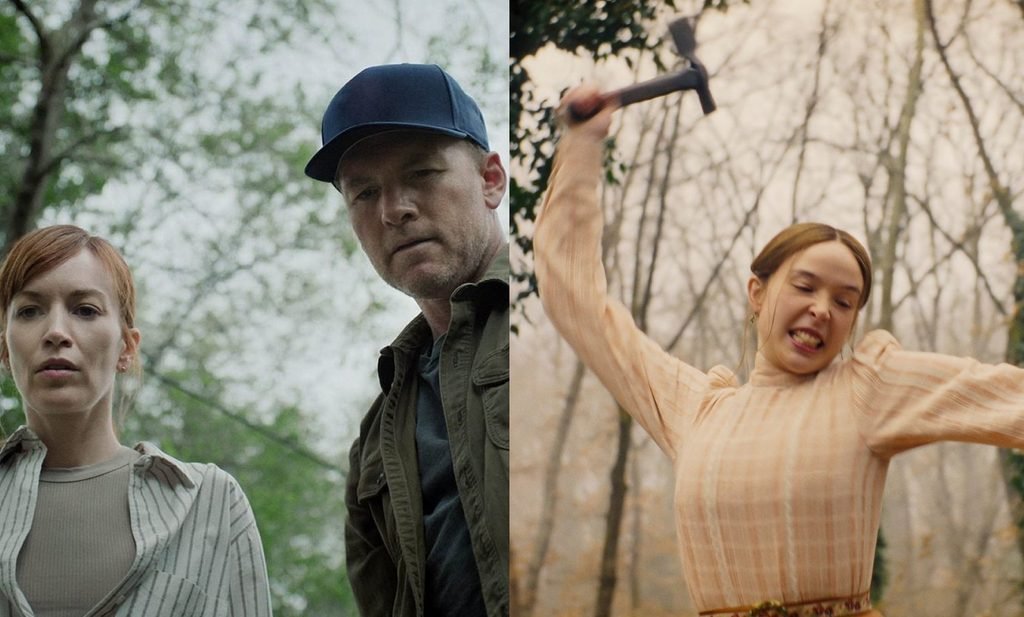
What the genre understands better than any other is the architecture of the question. A thriller does not need a franchise, a shared universe, or homework; it needs a single unbearable question planted in the first ten minutes — who took the child, who is the voice, who is lying. That question fits inside a thumbnail, survives an autoplay preview, and follows you into a second episode the way debt follows a paycheck. In an era where the menu itself is the enemy, where 4,000 titles compete for the first three seconds of attention, psychological suspense is the genre with the lowest barrier to entry and the highest gravitational pull. It is fear with the living-room lights on: the viewer knows the cage is safe, the remote is in hand, and still the unanswered question refuses to release its grip.
But the numbers only tell half the story, because the appetite is not really about plot mechanics — it is about control. America in 2026 has turned true crime into a civic ritual, a way of staring directly at the chaos it cannot legislate away, whether it arrives as a defendant in Idaho, a manifesto in a Montana cabin, or an axe in a Fall River bedroom. The docuseries let us play investigator; the scripted thrillers go one step further and restore the illusion of justice that the morning news keeps stealing. There is a bargain being struck on every couch in the country: give me the worst thing that can happen, but promise me resolution. And the genre speaks every language at the gate — Facing El Chapo opened to 18 million views and held a No. 1 seat among non-English films for five weeks, while a Swedish mystery (Blood Sacrifice) and a Dutch thriller (The Perfect Lie) each topped their own global lists. Guilt, suspicion, and the hunger for answers apparently need no translation.
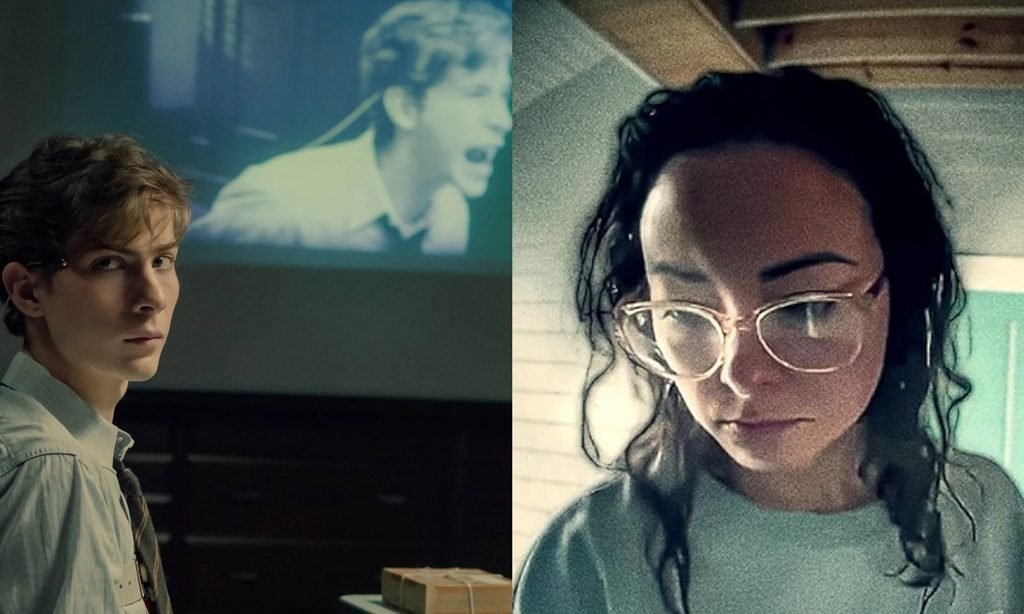
Which brings us to the most revealing number of the season: 46. That is The Whisper Man's Rotten Tomatoes score, a verdict of near-contempt from critics — set against a 33.4-million-view peak and a month of chart residency, alongside I Will Find You's nine-week marathon. The split is not an accident; it is a diagnosis. The Top 10 measures reach, not merit, and the audience has learned to optimize for feeling rather than form — a premise that grips, stars they trust, an ending that closes the wound, and originality be damned. Netflix, meanwhile, has every reason to feed the machine, because a thriller is efficient to produce, travels without a passport, and converts anxiety into watch time at a rate no rom-com can match.
So the credits roll, the screen goes black, and the room returns to its ordinary darkness — except it isn't quite ordinary anymore. Somewhere down the hall, a parent pauses outside a child's door for one beat too long, and the silence of the house feels newly charged, as if it were listening back. That is what the genre is really selling in 2026: not scares, but a recalibration of the everyday, the sensation that danger might be wearing the face of the familiar. Millions clicked because the question was irresistible; the charts can measure that. What they cannot measure is the hallway, the pause, the held breath — the aftershock that keeps the next case file one autoplay away.