Mud, Wind, and Tears: The Visceral Realism of 1995’s ‘Sense and Sensibility’
It is not the red carpet or the glitter of awards season that stays with me when I think of Sense and Sensibility arriving on screens at the close of 1995. The memory that lingers from those final months of the year is the surprise the press registered at the time, astonished by what the production had become. Audiences in cinemas were not looking at an immaculate porcelain painting, but at a story in which people felt the cold, in which mud clung to the hems of dresses, and in which poverty sounded like wind beating against the windows.

There was a curiosity bordering on suspicion in the cultural coverage of those months. The film pages of 1995 noted how a director from the intimate dramas of Taiwan had taken on the quintessential British classic, working from a screenplay that had taken years to polish line by line. But the test of the big screen erased every reservation the moment audiences first stepped through the door of Barton Cottage.
The Detail of the Lawn and the House Without an Attic
During production in the hills of Devon, the crew battled the harsh weather and an obsession with authenticity. In one of the most remarkable documented stories from the shoot, the team had to ask the crowd of onlookers and locals who had gathered on a sunny day of filming to kneel in the grass and help pick the daisies that had bloomed out of season — the scene needed to depict a different time of year, and nature stubbornly refused to cooperate with the story's calendar. That sea of people on their knees, clearing the field so the Dashwood sisters could walk across it, captured the spirit of the film perfectly: the collective effort required to create something that looked absolutely untouched.
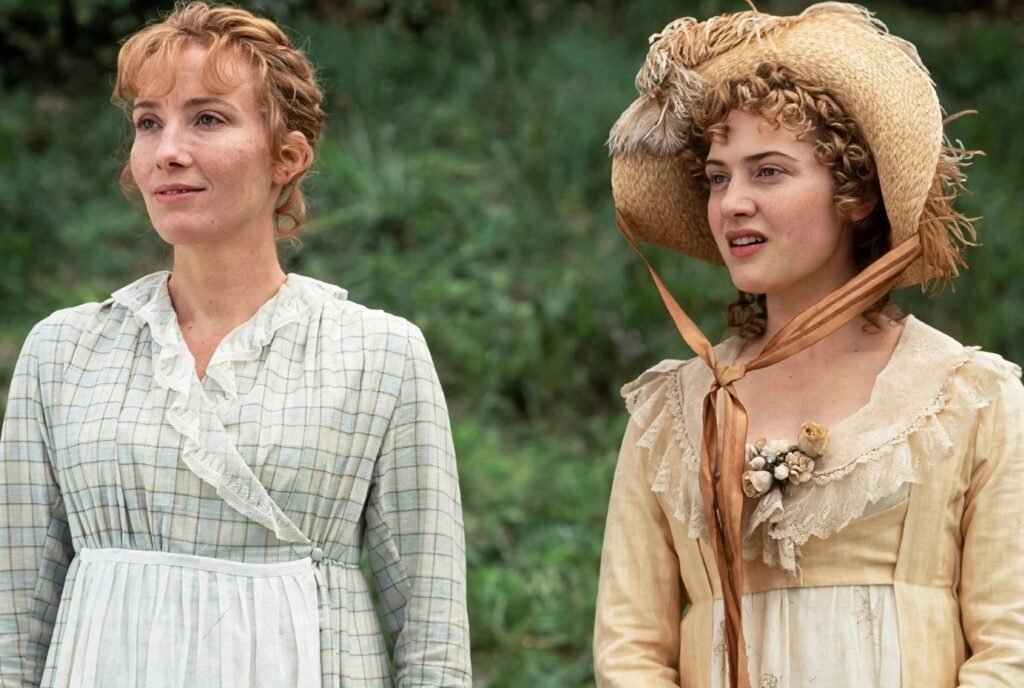
On screen, Barton Cottage did not feel like a studio set, but like a real house where rain lashed the walls and wind crept through the cracks. The costumes followed the same austerity: Elinor's dark dress, re-worn with different shawls across the months, told of the family's dwindling resources without a single line of expository dialogue. Audiences felt the severity of that winter not through visual effects, but through the texture of the rough cloth and the natural light that seemed to come only from candles and the weak glow of the window.
The Held Breath and the Weeping in the Dark
Anyone who saw the film in its opening weeks remembers how audiences reacted to the contrast between the two sisters. While Marianne's passion for rain and poetry seemed to overflow without restraint, it was Elinor's containment that kept the viewer breathless.

The scene in which Edward Ferrars enters the drawing room at Barton Cottage to reveal that he is not married produces one of the most searing moments in 1990s cinema. The silence that fell over the darkened auditorium was broken only by Elinor's raw, uncontrolled weeping — the physical collapse of a woman who had spent the entire film smothering her own pain to keep the household standing. This was not aesthetic or melodramatic crying; it was the sudden decompression of suffering kept secret for months.
On the other side of that coin, Marianne's walk through the storm to the ridge above Combe Magna worked as something far more than mere melodrama. It was the collision between the fantasy of romantic love and the dangerous reality of fever and isolation, culminating in the rescue on horseback amid the tempest. The contrast between restraint and excess took physical shape in the film's very climate.
The Echo That Lingers on the Bend of the Road
In the final sequence, as the camera pulls away from the wedding celebration in the small village church and reveals, deep in the frame, the solitary figure on horseback atop the hill — watching from a distance, then turning to ride away — the film seals its impeccable elegance.

Sense and Sensibility endures not only as a flawless literary adaptation, but as a record of an era when cinema knew how to look at the past with truth and human respect. Three decades after that release, rewatching the wind bend the grass in the hills around Barton Cottage, the feeling in the cinema is the same as it ever was: that the real drama of life so rarely lies in the great tragedies, but in the silences we keep to protect the ones we love.