Why Did Warner Bros. Call Steven Soderbergh to Rescue ‘The Batman Part II’?
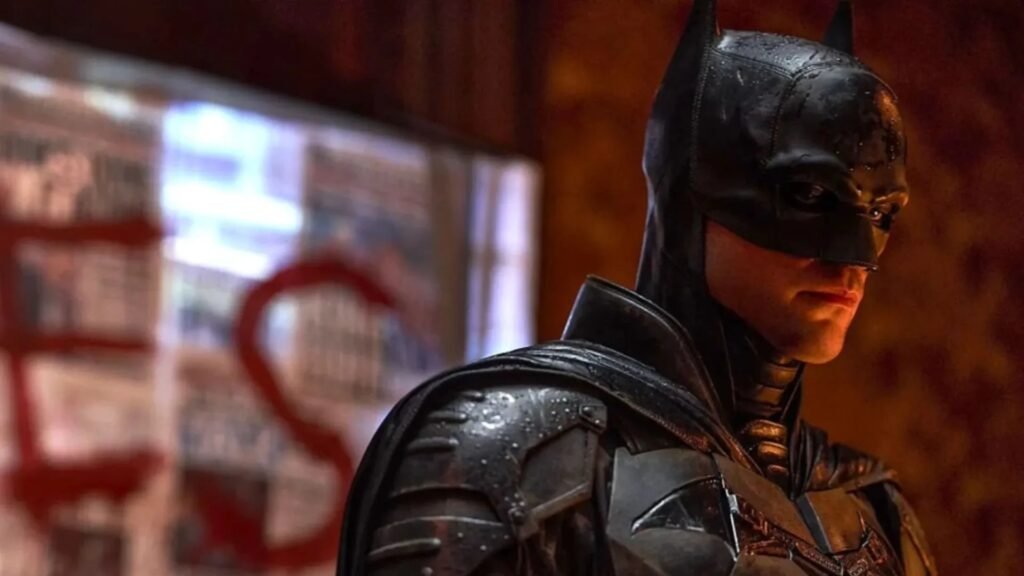
When a studio needs a director rescued, it usually calls a journeyman, a trusted replacement, someone who knows how to keep a set moving. Warner Bros. did not make that call this time. After Matt Reeves paused The Batman Part II on October 5 to deal with a family matter, the studio confirmed on October 15 that Steven Soderbergh — the man who won the Academy Award for Best Director for Traffic in 2001 — would fly to London and shoot the final weeks of principal photography himself. The trades are consistent on the arrangement: this is not a replacement. Soderbergh is generating footage designed to integrate seamlessly with what Reeves has already filmed, Reeves stays on from Los Angeles and takes over post-production when he can, and Reeves made a point of stating he is not leaving the movie. An Oscar-winning auteur picking up a camera so another director's vision can survive a crisis is not how blockbusters usually get finished — and that says something about what this particular script is considered to be worth.
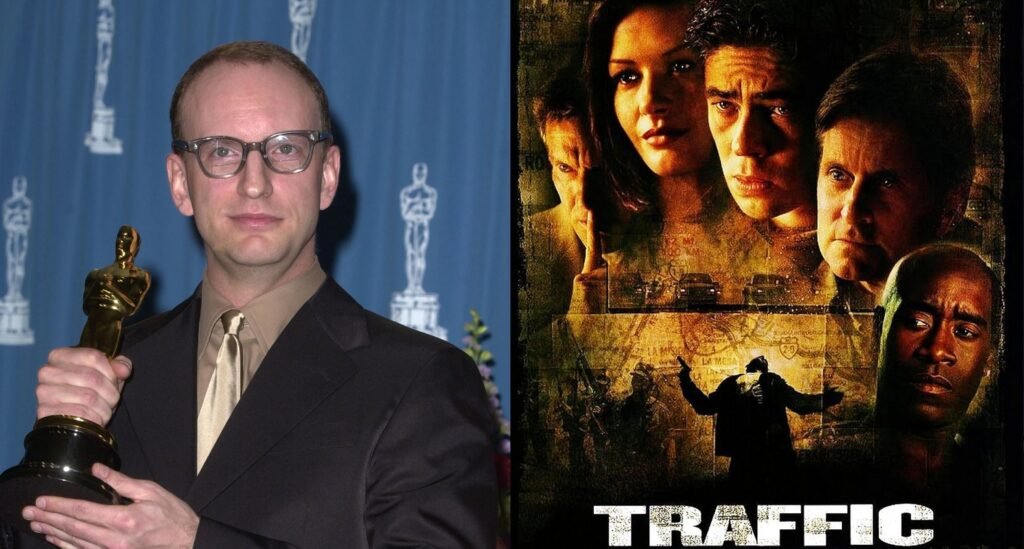
Consider how rarely this happens. Soderbergh has spent his career protecting his own independence: the Ocean's trilogy for Warner Bros., then a run of smaller, faster films — Presence, Black Bag — that he makes on his own terms. He does not need a paycheck job, and nobody brings in a director of his stature to babysit footage unless the footage is worth protecting. That is the part of this story worth sitting with. The Batman Part II is not being rescued because the schedule demands it; it is being rescued because what is already in the can — Pattinson's Bruce Wayne deepened further, Farrell's Oz Cobb, a cast that now includes Scarlett Johansson, Sebastian Stan as the reported Harvey Dent, Brian Tyree Henry, Sebastian Koch and Charles Dance — represents something the studio and the filmmakers have decided cannot be gambled. A two-thirds-complete $200 million movie is expensive to pause. Volunteering to finish someone else's shoot is expensive in a currency directors care about more.
The track record around that script helps explain the urgency. The Batman opened in 2022 with $772.8 million worldwide, holds 85% on Rotten Tomatoes and 72 on Metacritic, and drew three Oscar nominations. The Gotham it built held up on television: The Penguin premiered September 19, 2024 on HBO and Max, grew from 5.3 million viewers in four days to nearly 17 million by November, closed with 2.1 million on finale night, and collected 24 Emmy nominations with nine wins, plus a Golden Globe and a Critics Choice award for Colin Farrell. Reeves has said the sequel will turn more toward Bruce Wayne after a first film told almost entirely from Batman's perspective — the kind of character-first ambition that survives only when the material earns it. No villain has been confirmed, no full trailer exists beyond a July 15 camera test of Pattinson in the cowl, and the release has moved four times to its current February 18, 2028 IMAX date. The Soderbergh news is, right now, the strongest signal that the story underneath all that turmoil is considered genuinely good.
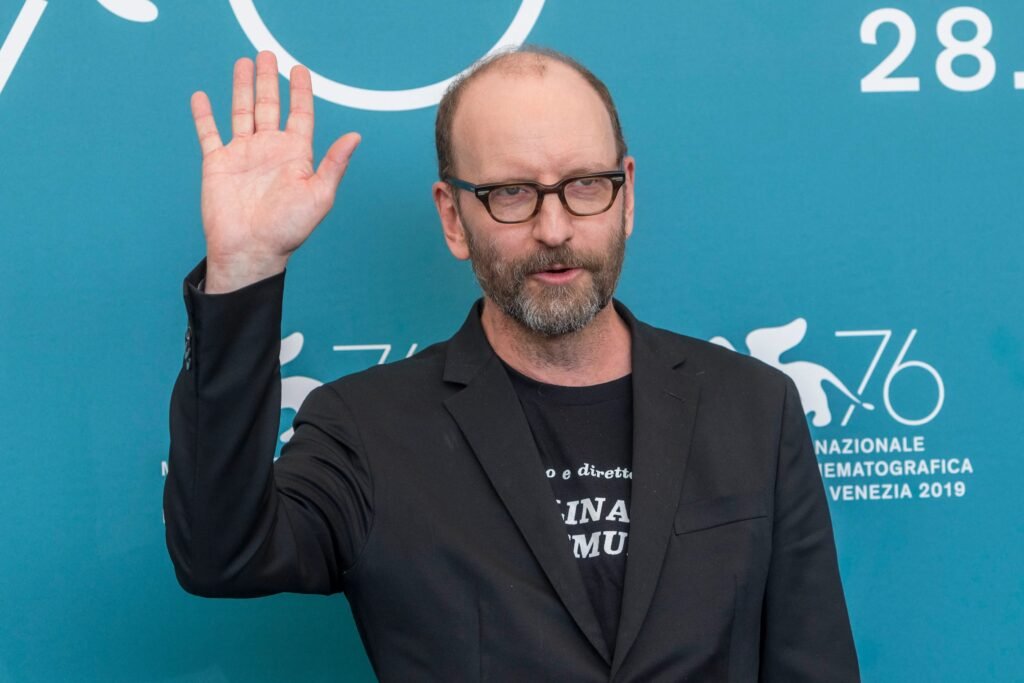
There is precedent for Soderbergh being exactly the right emergency call, even if this particular role is new for him. He directed the Ocean's films for Warner Bros., worked with the studio on HBO's No Sudden Move, and has spent decades moving between studio scale and personal projects faster than almost anyone in the business. What the reporting has not found is any well-documented case of him stepping in to complete another director's interrupted photography, which is why every trade describes the setup as unusual. His own framing was modest: the goal, he said, is to work with Reeves and the team to generate footage that integrates with what has already been shot so Reeves can properly finish his film. That sentence is the whole story in miniature — a marquee director subordinating his name to someone else's authorship, because the script underneath it warranted it. After five years between installments and four release-date shifts, Gotham's rescue came not from a new plan, but from a filmmaker willing to help an old one land.