Lizzie Borden, Netflix’s ‘Monster,’ and the Rhyme That Outlived the Verdict
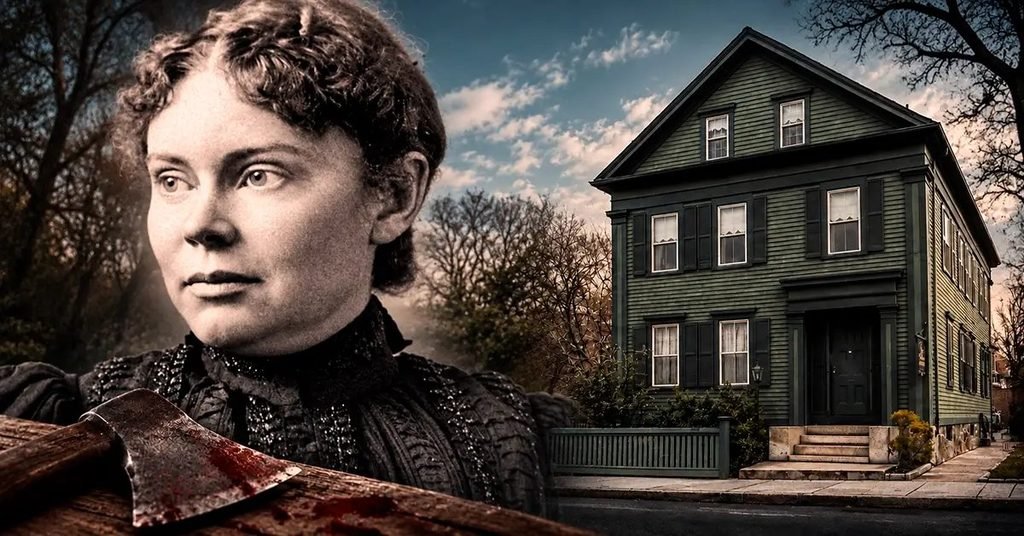
The first thing America ever wrote about Lizzie Borden — at least the earliest version anyone has ever located in print — ran in an Ohio newspaper on February 15, 1894, eight months after a jury acquitted her. The verse said she gave her mother "twenty whacks." Within a generation, the count had swelled to forty. Within our own, it's taught to schoolchildren with the confidence of scripture: forty whacks for the mother, forty-one for the father, eighty-one total. The real autopsy tallies, per historians, suggest roughly 29 blows combined — 18 or 19 to Abby Borden, 10 or 11 to Andrew. And Abby wasn't Lizzie's mother at all. She was her stepmother. The weapon was never conclusively identified. And the verse, despite the minor detail of an acquittal in June 1893, states her guilt as flat fact. Every single line is wrong. It's still the most successful piece of true-crime content America ever produced, and it ran on nothing but rhythm and spite.
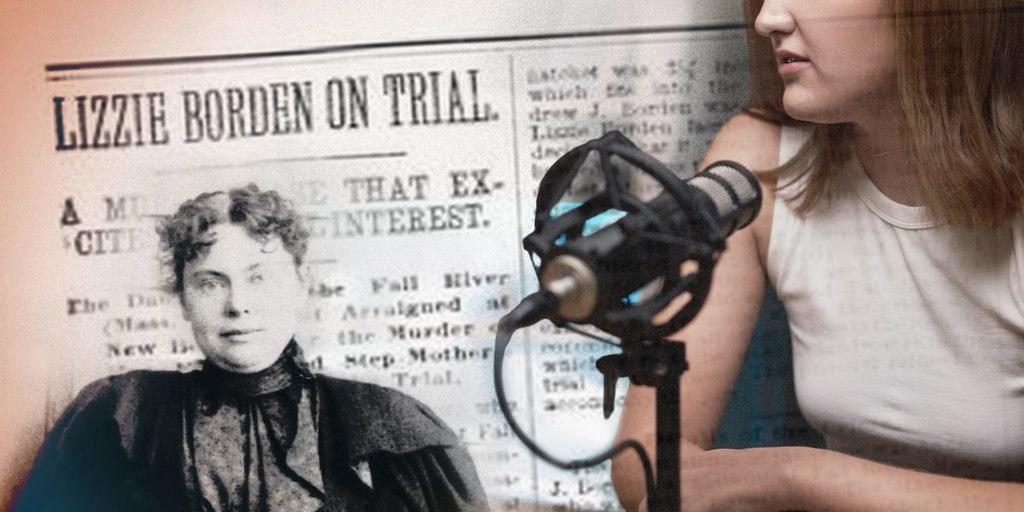
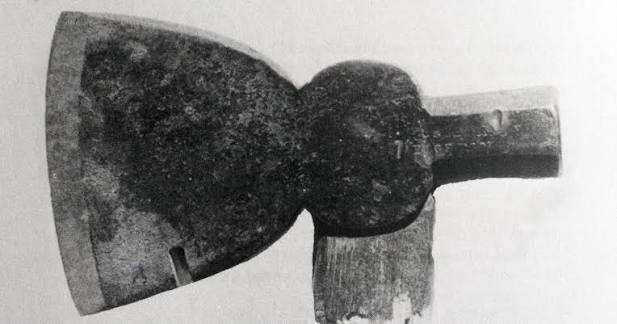
The actual case was messier than the rhyme allowed, which is precisely why the rhyme won. On August 4, 1892, Andrew and Abby Borden were killed in their Fall River, Massachusetts home, with evidence suggesting the deaths came perhaps ninety minutes apart — Abby's body was cold when officers arrived; Andrew's was still warm. Lizzie, 32, was home with the maid, Bridget Sullivan, and her account of the morning — a trip to the barn to look for fishing sinkers — shifted under inquest questioning. Then there was the blue dress, burned in the kitchen stove days after the murders, per a neighbor's testimony; prosecutors thought it might have been painted with something other than paint, though it was never proven. A hatchet head with a broken handle and a clean blade surfaced in the basement. None of it added up to a conviction, and at the 1893 trial in New Bedford, the prosecution displayed the victims' skulls in open court — one account has Lizzie fainting at the sight — before an all-male jury needed roughly ninety minutes to acquit. The newspapers of 1893 didn't wait for the verdict to decide anything. They never do. That's not a bug of American media; it's the business model.
Now Netflix has run the story back, and America has hit play the way it always does. Monster: The Lizzie Borden Story, the fourth installment of Ryan Murphy and Ian Brennan's anthology, premiered September 17 with Ella Beatty as Lizzie, Vicky Krieps as Sullivan, Rebecca Hall as Abby, and Charlie Hunnam as Andrew. It hit No. 1 on Netflix's Top 10 and pulled in about 12 million views in its first four days, per Variety — a September surge the streamer did not have to wait for. Which is the thing worth sitting with: a case with no surviving evidence pointing anywhere definitive, no weapon, no confession, a defendant legally innocent for 133 years, and yet the number one show in America. The algorithm is just the Ohio newspaper with better distribution. The rhyme compresses uncertainty into a verdict; the streaming platform compresses it into a thumbnail, and the physics are identical — the story always beats the evidence, because evidence requires effort and a hook requires only an axe.
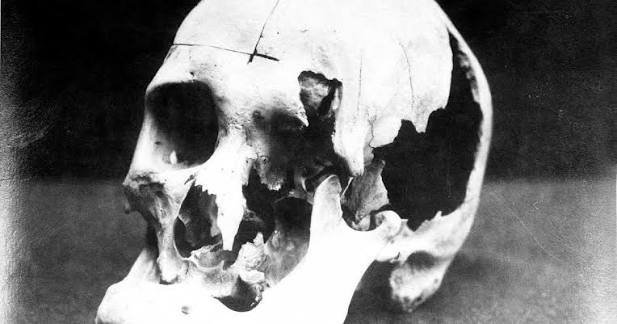
Here's the anxious part, the part the view count quietly confesses: we don't actually consume true crime for truth. We consume it for permission. The 1893 public got to gasp at skulls in a courtroom; the 2026 public gets eight episodes and a closed narrative loop, and in both cases the entertainment is settled in a way the facts never were. The rhyme convicted Lizzie because a conviction made a better verse; Netflix flagged nothing unresolved, because an unresolved case makes worse autoplay. This is the same appetite that fills the Lizzie Borden House — the actual murder house at 230 Second Street, operating as a museum and bed-and-breakfast since 1996 — with paying guests who book overnight stays and ghost hunts at the scene of crimes no one was ever convicted of. We sleep in it, we stream it, we hum it. Lizzie herself lived the aftermath the rhyme never bothered to mention: ostracized in Fall River, estranged from her sister Emma by 1905, dead in 1927. The law acquitted her. The culture never did. In 1894, somebody edited the rhyme up to forty whacks. In September 2026, the algorithm added twelve million views. The verdict never mattered. The story does.