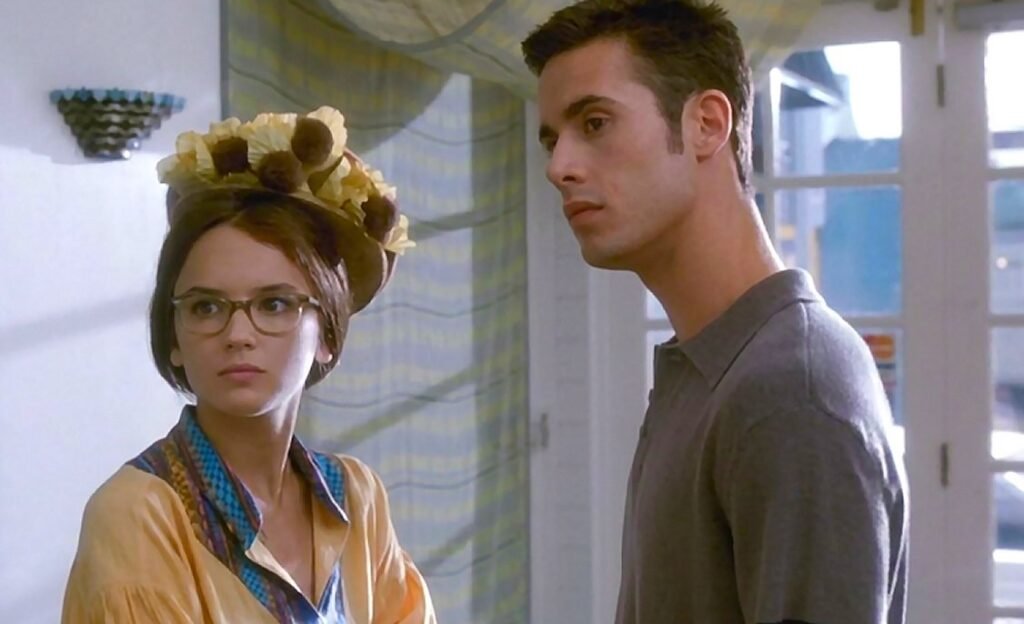
The Three Wishes of Billy Grier: Ralph Macchio’s Quietest Role, and the One That Nearly Didn’t Happen
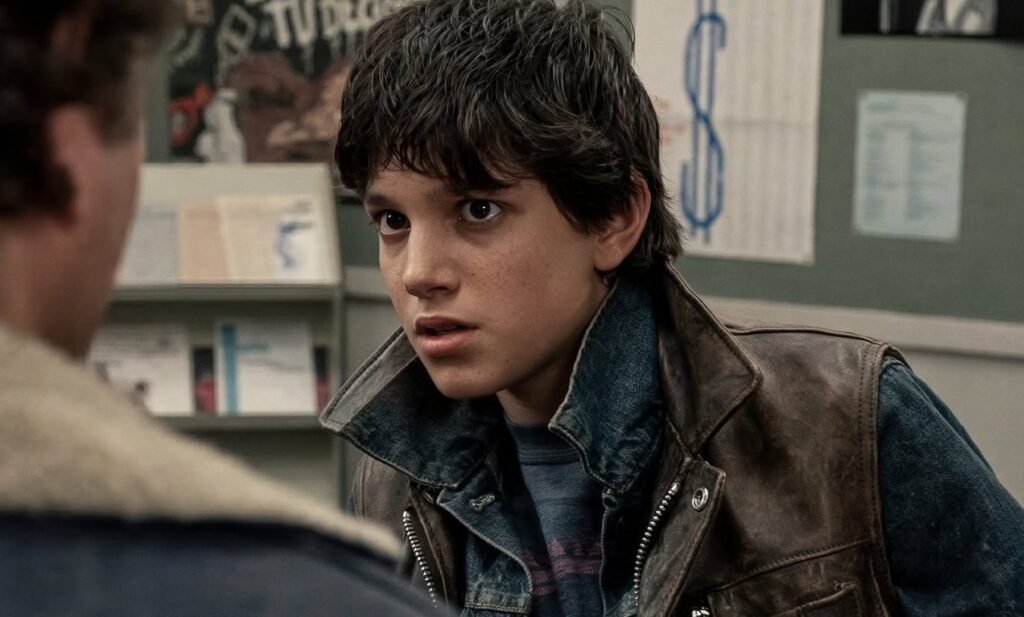
There is a particular kind of 1980s television movie that people remember in whole rooms rather than in scenes — a Tuesday night, an ABC logo, a story announced in the title before the first commercial break. The Three Wishes of Billy Grier, broadcast on November 1, 1984, was one of those, and its title still works the way it worked then: you knew exactly what you were about to watch, and you watched anyway. A teenager named Billy Grier learns that a rare disease is aging him far too fast, and he sets about spending the time he has on three things worth having — finding the father who left, making music, and letting himself be loved. It is a small, tender premise, made with a seriousness that the era's so-called disease-of-the-week movies are rarely given credit for, and nearly four decades later the film's reputation rests on the same thing its plot does: what someone chose to do with limited time.
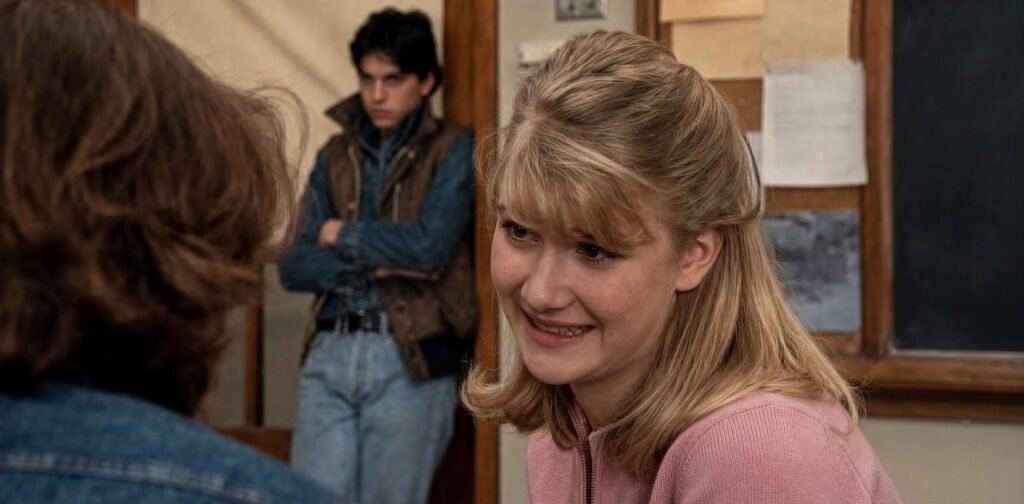
The door into its making is Ralph Macchio himself, who looked back on it in a 2012 interview and remembered the exact tension of that autumn. The original Karate Kid was just taking off — the film that would make him a household name was still in theaters, still becoming what it became — and there was a real debate over whether he should do a television movie at all. He took it, describing Billy as a stretching role, and the movie he made in the gap between obscurity and stardom is the one the industry itself noticed: at the 1985 Emmy Awards, The Three Wishes of Billy Grier won for Outstanding Achievement in Makeup, the Television Academy's records confirm. That trophy tells you what the film was actually doing on screen — a young man visibly becoming an old one, hour by hour, in an ABC Sunday movie, with the craft of it good enough to beat everything else on television that year.

The makeup award matters because the makeup is the movie's clock. Billy's wishes only mean something because time is the one thing he cannot wish for more of, and the film had to make that physically legible in a living room — in close-ups, at a kitchen table, in the face of an 23-year-old Ralph Macchio carrying a lifetime's endgame. Around him sat a cast built for credibility rather than spectacle: Betty Buckley as his mother, Hal Holbrook as his grandfather, with Season Hubley, Jeffrey Tambor and a young Laura Dern in support, per the film's credits. Nothing about that ensemble belongs to a disposable telefilm. The people making this believed the material was worth their best work, and the Emmy says the television academy agreed.
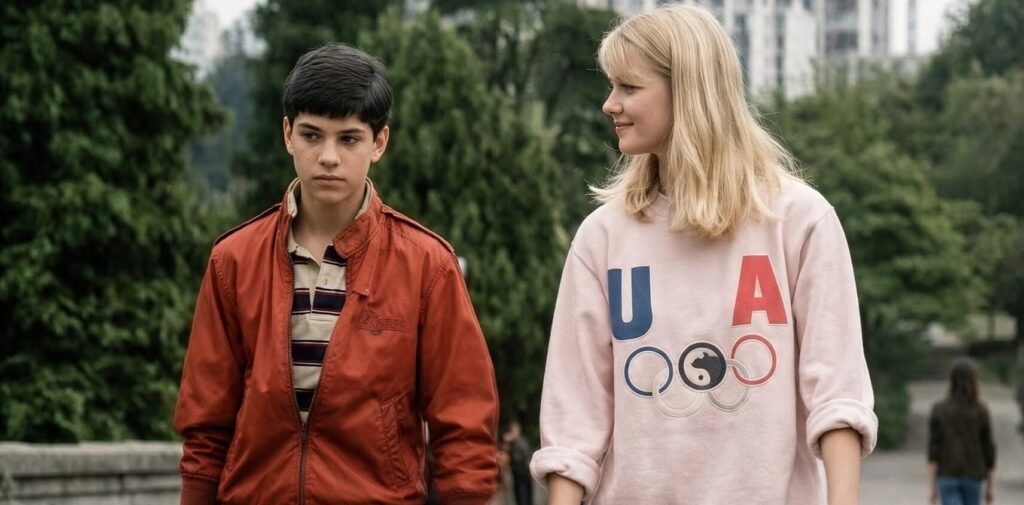
What the film captures best is the mood of its moment: an era when network television told these stories every week without irony and without apology, when a movie like Billy's could arrive unannounced in the schedule and ask an entire country to sit with a teenager's last wishes for two hours. Macchio remembered wondering whether television was the right move at all — a question that only looks ironic in hindsight, since the answer arrived a few months earlier in a karate dojo and would follow him forever. But it is precisely the non-ironic, unglamorous format that gives the movie its warmth: no studio machinery, no release date games, just a boy, three wishes and a father-shaped hole. The Three Wishes of Billy Grier went out on ABC on the first night of November 1984, and the record around it is small — one broadcast date, one Emmy, one star's careful memory of saying yes. What survives of it is the premise itself, still intact after all these years: when you know the time you have, here is how you spend it.