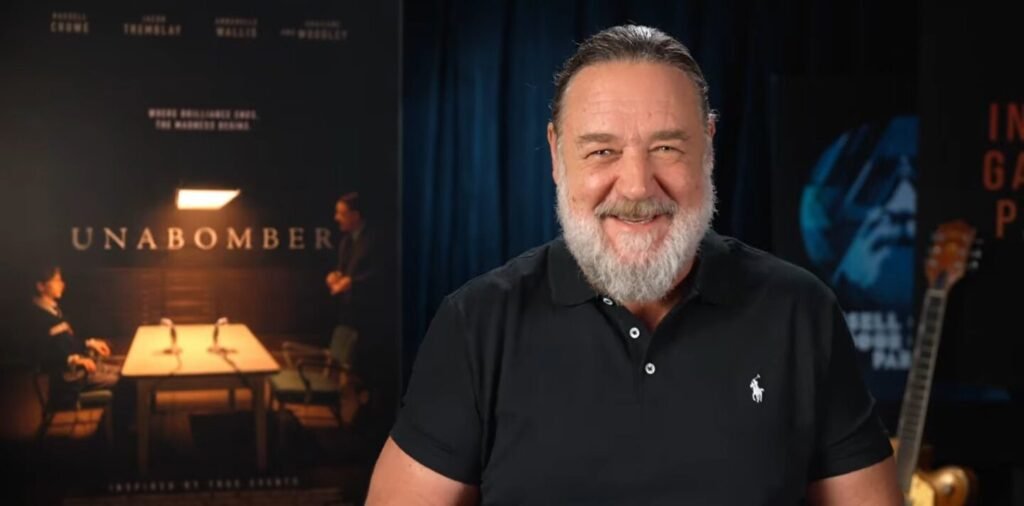
Russell Crowe’s Creative Philosophy: From Gladiator to His New Netflix Thriller Unabomber
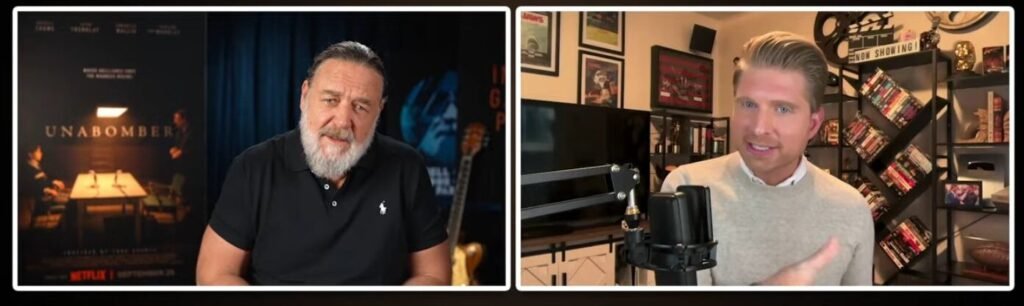
In the annals of modern cinema, few actors possess the formidable physical presence and visceral emotional intensity of Russell Crowe. From his breakout turns in L.A. Confidential and Gladiator to his remarkable track record of portraying real-world figures, the Academy Award-winning actor has built a career grounded in psychological authenticity and absolute commitment. Whether embodying the volatile brilliance of historical icons or stepping into complex modern figures, the veteran performer continues to approach his craft with the rigorous focus of a true cinematic craftsman.
Sitting down for an extended conversation with long-time interviewer Jake Hamilton, the performer offered a illuminating look into his creative philosophy, reflecting on the delicate art of biographical acting and the formative experiences that continue to shape his artistic evolution.
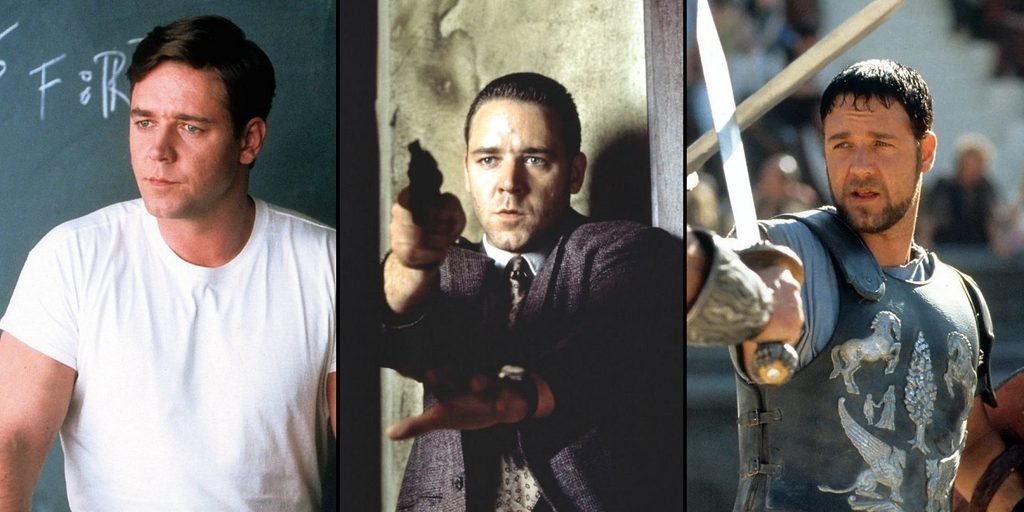
At the heart of the actor’s methodology lies a surprising paradox. Despite earning widespread critical acclaim for his portrayals of notable real-life figures—ranging from whistleblower Jeffrey Wigand in The Insider to tragic genius John Nash in A Beautiful Mind and heavy-weight champion Jim Braddock in Cinderella Man—he remains naturally hesitant to meet the actual people he is set to portray. Rather than stemming from indifference, this instinct arises from a deep sense of humility regarding the actor's craft. The objective is never simple mimicry or surface-level impersonation, but rather the holistic capture of an individual's internal essence.
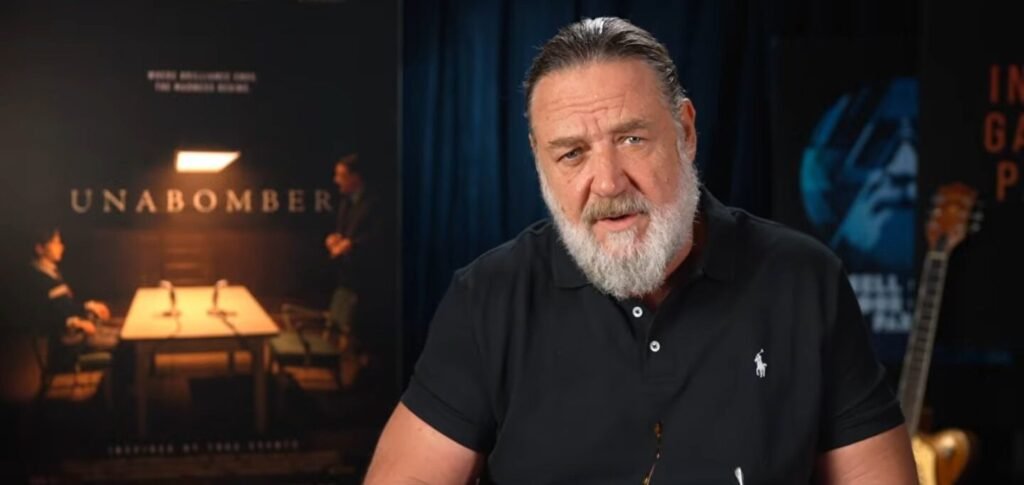
This hesitation yielded an unforgettable, serendipitous moment during the production of A Beautiful Mind. Having recently taken home the Oscar for Best Actor for his career-defining performance in Gladiator, the actor arrived at Princeton University exhausted following a whirlwind night of celebrations and non-stop travel. Still adjusting to the physical transformations required for the role, he found himself standing in full costume when the real-life Nobel Laureate unexpectedly appeared on set.
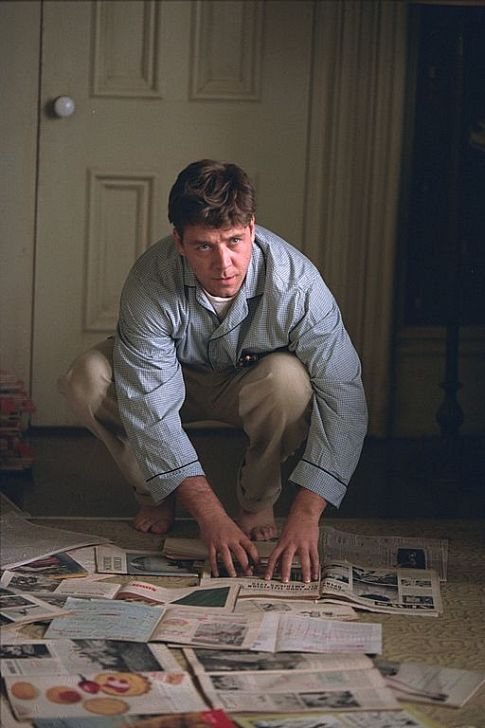
Because the mathematician still lived and worked on the Princeton campus, his presence became a daily reality for the production team. Upon their first meeting, the mathematician took a moment to observe the performer in character, noting the uncanny physical resemblance. When offered a simple hot beverage, the legendary academic launched into an exceptionally detailed discourse comparing tea harvested from northern India to varieties from the southern regions, meticulously breaking down the precise differences in flavor profiles and aroma.
That spontaneous interaction unlocked an essential doorway into the character's psyche. Recognizing that such intense focus on a mundane subject revealed the extraordinary, hyper-detailed nature of the mathematician's intellect, the actor immediately integrated the moment into his performance. He improvised references to those specific regional tea varieties during filming, even adding subtle physical beats—such as lingering over the aroma of a cup—to subtly convey the character's relentless mental activity. It remains a masterclass in how a brief, real-world observation can be transformed into compelling screen business.
The actor's approach remains equally nuanced when portraying historical figures whom he never had the chance to meet in person. In his recent work exploring complex historical figures, including psychologist Henry Murray and his connections to controversial psychological research programs, the performer delves deeply into the darker, ambiguous corners of human history. Exploring characters tied to secretive academic studies, intelligence organizations, and influential cultural figures of the mid-twentieth century requires a different kind of analytical rigor—one that relies heavily on historical research and atmospheric understanding rather than personal interaction.
Beyond the technicalities of character work, decades in the entertainment industry have provided the legendary artist with a broader perspective on the trajectory of a life in the arts. Reflecting on the long span of his career, he acknowledges that the experiences of youth—both positive and negative—play an undeniable role in shaping an artist's worldview. Early struggles, difficult working relationships in regional theater, and the guidance of mentors all serve as crucial raw material that ultimately informs a performer's depth on screen.
That appreciation for the journey extends to the next generation of creative talent. Working alongside rising stars like Jacob Tremblay, the veteran actor expresses immense admiration for the skill and poise of younger performers navigating the modern film industry. Recognizing exceptional talent in the rising generation, he views the continuation of the craft with both optimism and genuine enthusiasm.
Ultimately, what continues to make the acclaimed performer a vital force in contemporary cinema is his unwavering dedication to truth over spectacle. By prioritizing internal truth over external imitation, he creates portraits of humanity that resonate long after the credits roll. As his storied filmography continues to expand, his work serves as a lasting reminder that true screen acting is not merely about playing a role, but fully living within it.