Movie Star: Who Is Kevin Costner
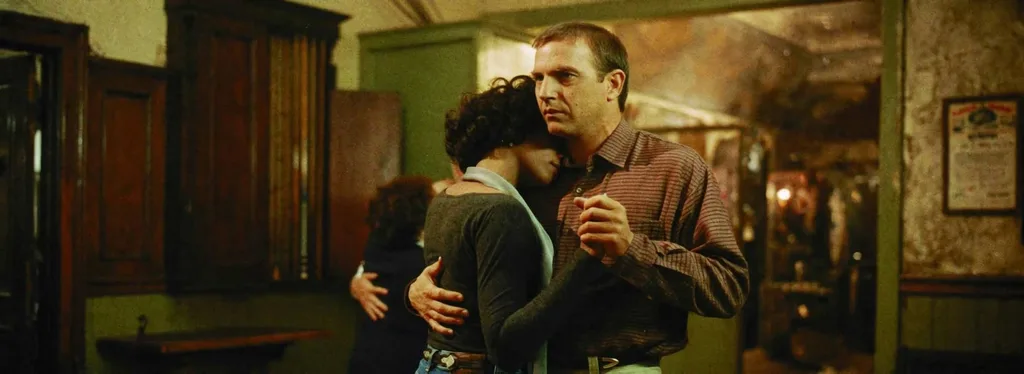
Somewhere in a drawer, in millions of houses, there is still a VHS tape with his face on the cover. Maybe it is The Bodyguard, maybe Robin Hood, maybe Field of Dreams, whispering its promise across a cornfield under a purple Iowa sky. For a stretch of the late eighties and early nineties, Kevin Costner was not merely an actor; he was the feeling of going to the movies on a Friday night, the guarantee that the next two hours would mean something. And that is the strange, tender place to begin answering the question of who he really is — because Costner has always seemed less like a man chasing fame and more like a man defending something older and quieter: the idea that stories about decent, stubborn people are worth betting everything on.
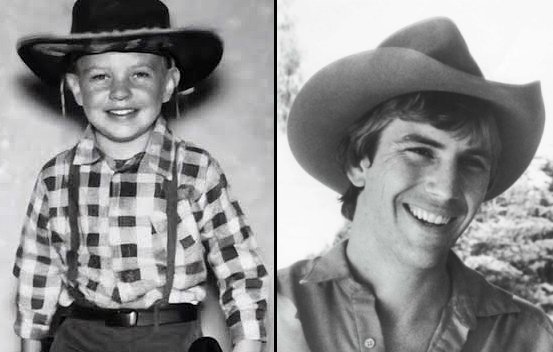
The world knows the legend, but the beginnings were stubbornly ordinary. He was born in January of 1955, the youngest of three boys, and his childhood was a relay of California towns as his father climbed the modest ladder of an Edison utility job, moving the family wherever the work went. He was not discovered in a Soda shop and he did not arrive with a plan.
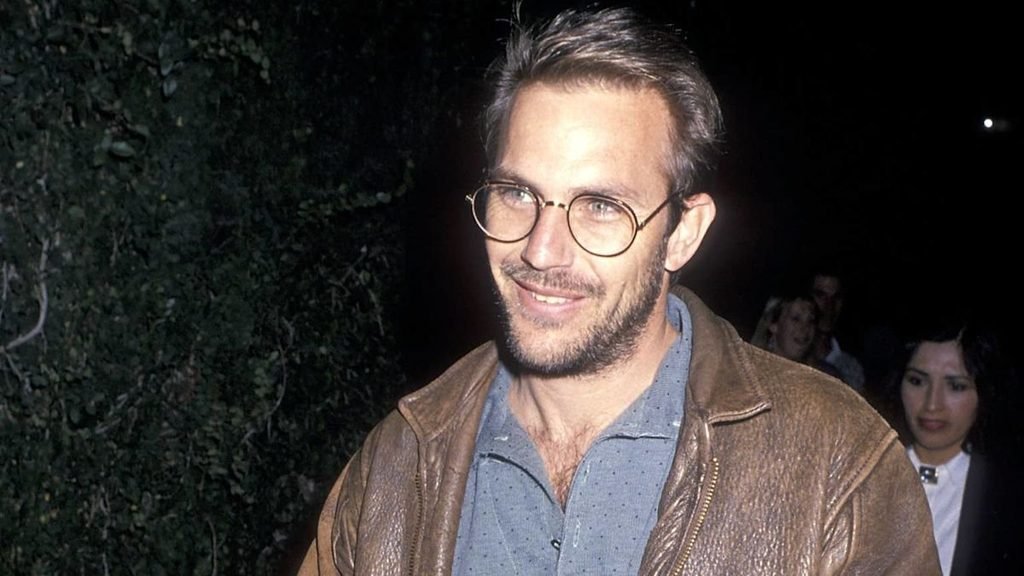
He studied business, drifted, worked on fishing boats and delivery trucks, and took acting classes at night because something in him refused to settle down. For years Hollywood treated him as a maybe, giving him bits and cut scenes, including a tragic stretch where his entire role was edited out of a major film. Most men read that as a sign to quit. Costner read it as tuition.
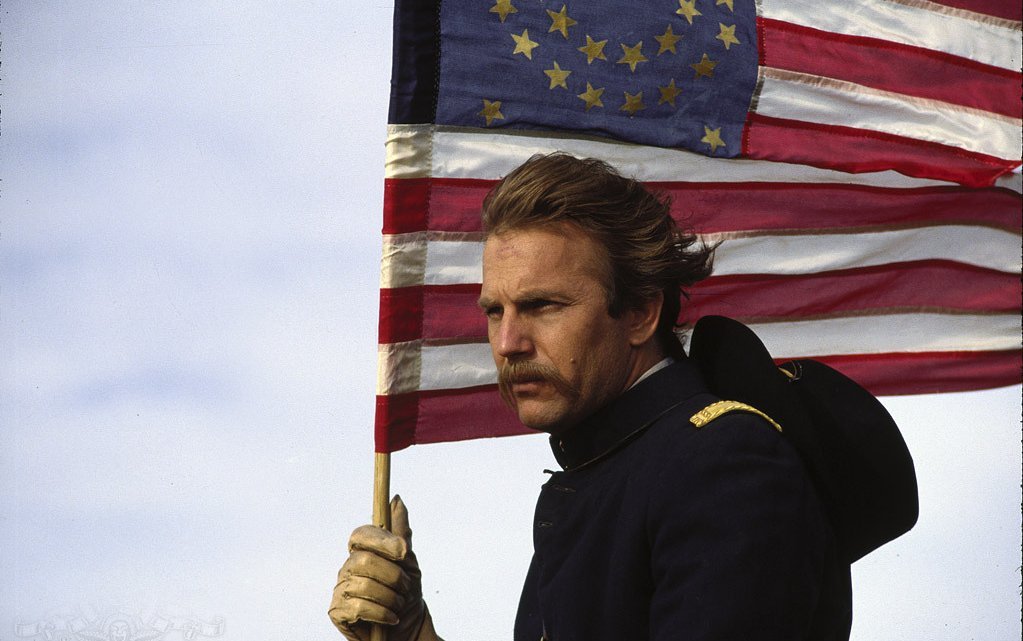
What happened in 1990 remains one of the great gambles in the history of the town. He was a handsome, bankable leading man at the peak of his market value, and he chose to spend that capital directing himself in a three-hour western about a soldier who falls in love with a culture his own army was destroying. Dances with Wolves was the kind of project studios politely call ambitious and privately call a funeral. Instead it earned twelve Oscar nominations and won seven, including Best Picture and Best Director, and it did something movies had nearly forgotten how to do: it made the audience feel the size of the land.
Overnight, the journeyman from the delivery trucks was the most trusted man in Hollywood, the rare star who could open a film, carry a drama, and even carry the camera on his own shoulder.
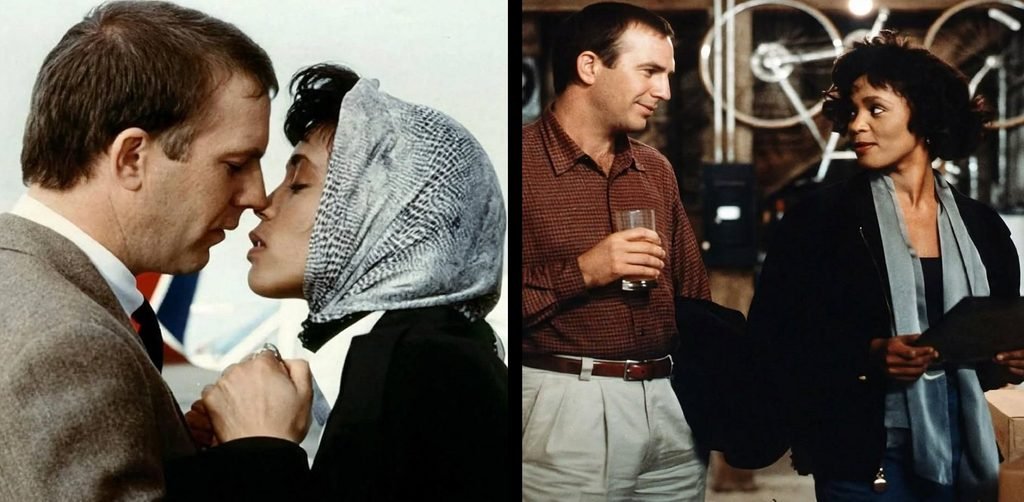
Then came the golden run, and if you lived through it, you can still hum it. The fevered courtroom certainty of JFK in 1991. The green-shaded swagger of Robin Hood the same summer. The suffocating, glamorous protection of The Bodyguard in 1992, with Whitney Houston, a film that belongs as much to the radio as to the screen.
A Perfect World opposite Clint Eastwood in 1993, quiet and wounded and still underrated. He had a decade most actors would trade a career for, and he spent it playing men defined by loyalty — bodyguards, lawmen, ballplayers, fathers — as if he were slowly building one long character study about what it costs to stand your ground.
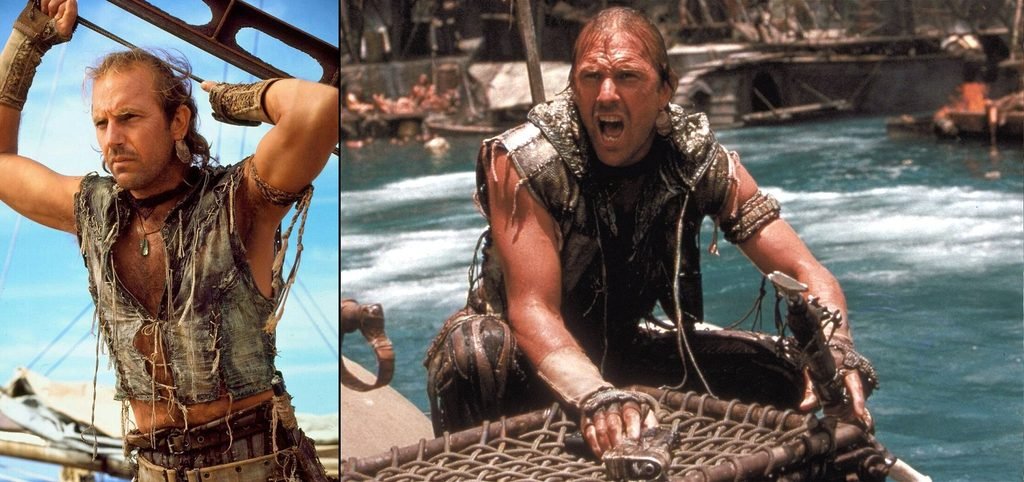
And then the ground gave way, the way it eventually does. Waterworld in 1995 became the joke everyone needed it to be, a budget gone mad that the press roasted long before anyone checked whether the movie itself was actually watchable. The Postman in 1997 took the same beating. Here is where the second answer to "who is Kevin Costner" lives: not in the fall, but in the walk afterward. He did not vanish into irony, did not apologize for being earnest in an era that was about to grow sarcastic. He kept playing baseball in Tin Cup, kept showing up, and in 2003 quietly directed Open Range, a western of weathered faces and long silences, telling anyone who was still listening that the genre was not a phase for him. It was a homeland.
Television, of all places, gave him his throne back. As Devil Anse Hatfield in 2012 he collected an Emmy and a Golden Globe, and in 2018 he became John Dutton, the flint-hard patriarch of Yellowstone, and a whole new generation learned to fear and love him in the same scene. The role fit him like an old jacket, because Dutton is Costner's entire career in one man: the last believer in a code, guarding land the modern world wants to pave. The run ended in friction — scheduling wars, contract disputes, a bitter exit from the final episodes — but there is a certain poetry in how it ended too. He left because he was off making his own western.
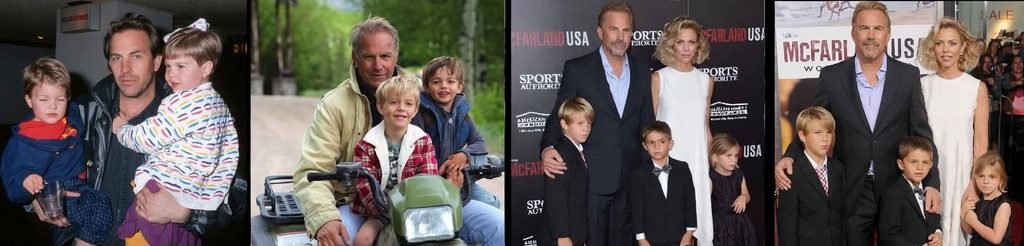
That brings us to Horizon: An American Saga, the project that explains him better than any biography could. He has carried this idea since his twenties, a vast portrait of the settling of the west, and when no studio would carry it with him, he mortgaged his own confidence to fund it, directed it, and put his own weathered face at the center of it. The first chapter arrived in June 2024 to mixed reviews and soft numbers; the second was pulled from its release date and drifted into limbo while he searched for another way to get it to the screen. A cynical man would have stopped years ago.
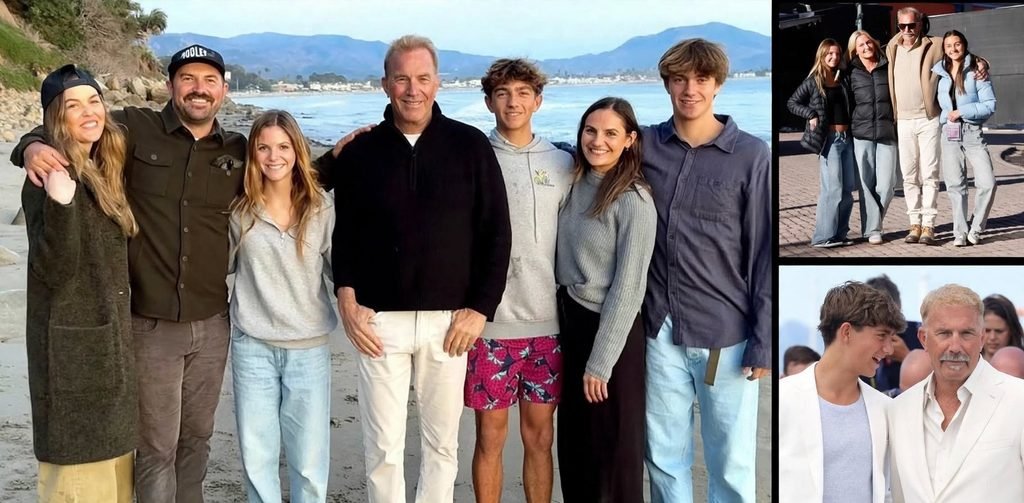
Costner, past seventy now, with nothing left to prove and a Golden Globe on the shelf and a country-rock band called Modern West still waiting for him on weekends, is out there trying to finish a four-part frontier epic nobody asked for. That is not a career move. That is a conviction.
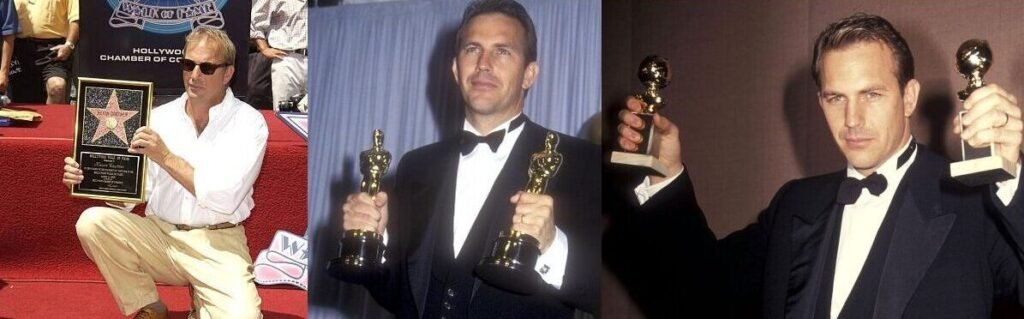
So who is this person, really? Strip away the Oscars and the box office and the tabloid friction, and what remains is the last movie star built from a previous century's materials — a man who believes in baseball diamonds and campfire songs and long takes of open grassland, who has spent forty years making the same quiet argument: that honor is a story worth telling even when the audience has stopped believing in it.
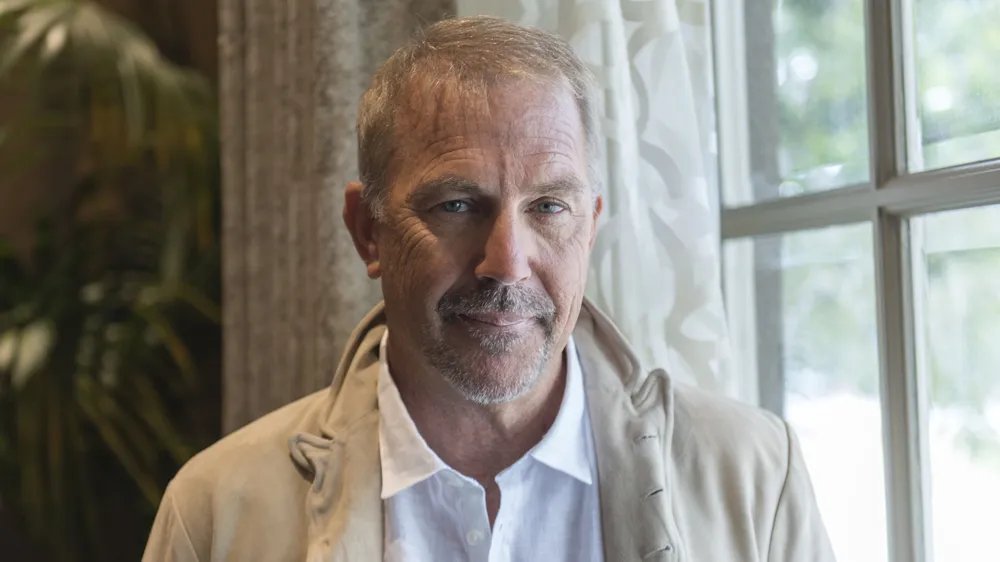
The VHS tapes are gone now, replaced by streaming and scrolling, and Hollywood has moved on to louder, faster things. But on some Friday night, somewhere, a kid is watching Field of Dreams for the first time and hearing that voice from the corn. Kevin Costner built things. That is who he is. He is still building.