With an already interconnected universe and a loyal audience forming, Marvel entered a phase of growing boldness at the turn of the 1960s into the 1970s. It was no longer enough to introduce heroes with human flaws — it was time to expand who could fill that role, exploring genres, backgrounds, and themes the publisher had not yet touched.
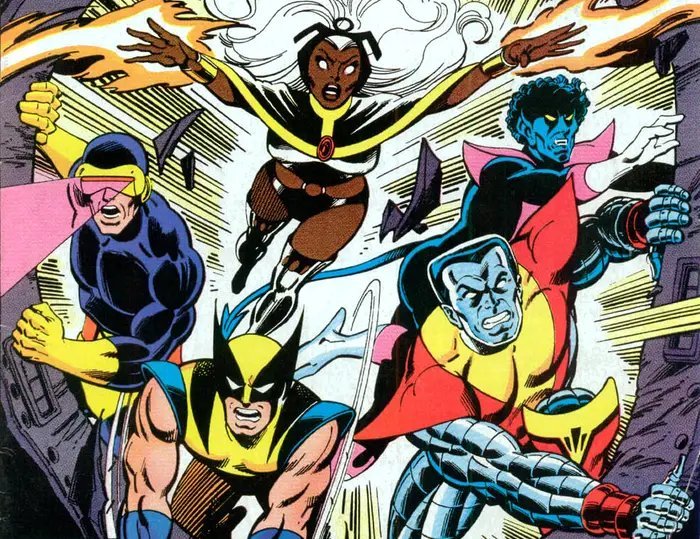
The idea was to diversify without losing the backbone of Marvel’s philosophy: each new hero still carried real internal conflicts, but now those conflicts came wrapped in entirely different contexts — supernatural horror, racial tension, African mythology, and espionage. Marvel wanted to prove that its formula of imperfect heroes could fit into any genre.
Thus arrived Wolverine in 1974, a mutant with a violent and enigmatic past who would quickly become one of the publisher’s most popular characters; Ghost Rider in 1972, bringing gothic horror into superhero comic books; and Luke Cage, also in 1972, the first Black superhero to star in his own solo series, reflecting the cultural landscape of the United States. Sometime later, Storm would join the X-Men in 1975, as one of the first high-profile Black superheroines in the genre, combining weather-controlling powers with a presence that would redefine the mutant team itself.
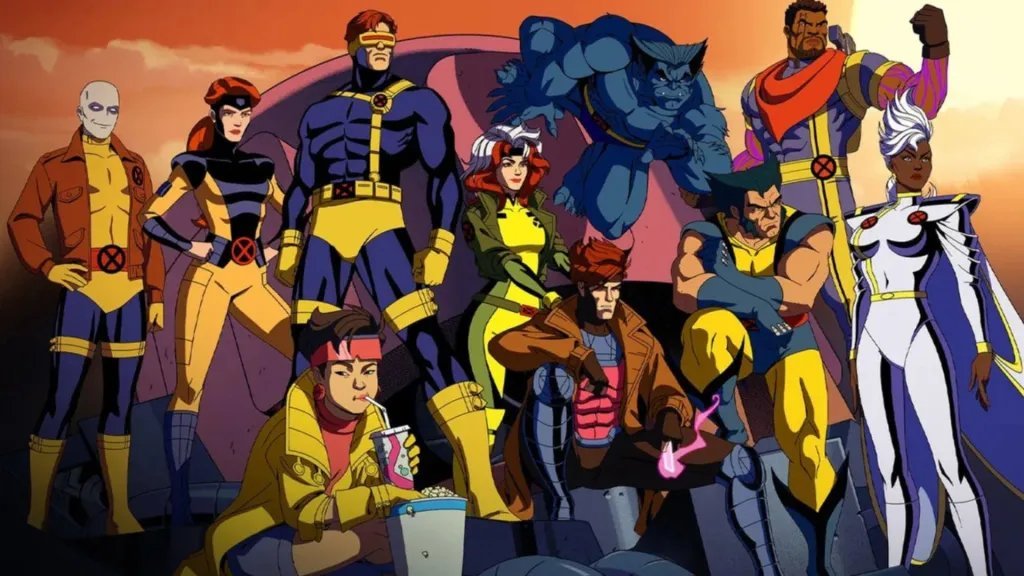
Each of these names expanded not just the roster, but the very concept of what Marvel could tell — and by embracing genres and voices that the 1960s did not yet have room to explore, the universe became, piece by piece, a more complete reflection of the real world itself.