In the early years of the 1960s, Marvel was still proving to the market that its bet on imperfect heroes was not an isolated accident. The Fantastic Four had opened the door, but it was necessary to show that this new philosophy worked on different scales — from the billionaire genius to the overwhelmed teenager — so that the audience understood that a universe was, in fact, being born there, rather than just a repeated formula for success.
Stan Lee, alongside partners like Jack Kirby, Larry Lieber, and Bill Everett, then threw himself into an experiment: what if each new hero carried an internal conflict as great as their powers? It wasn’t enough to have armor or a magic hammer — the character needed to fight, above all, against themselves.
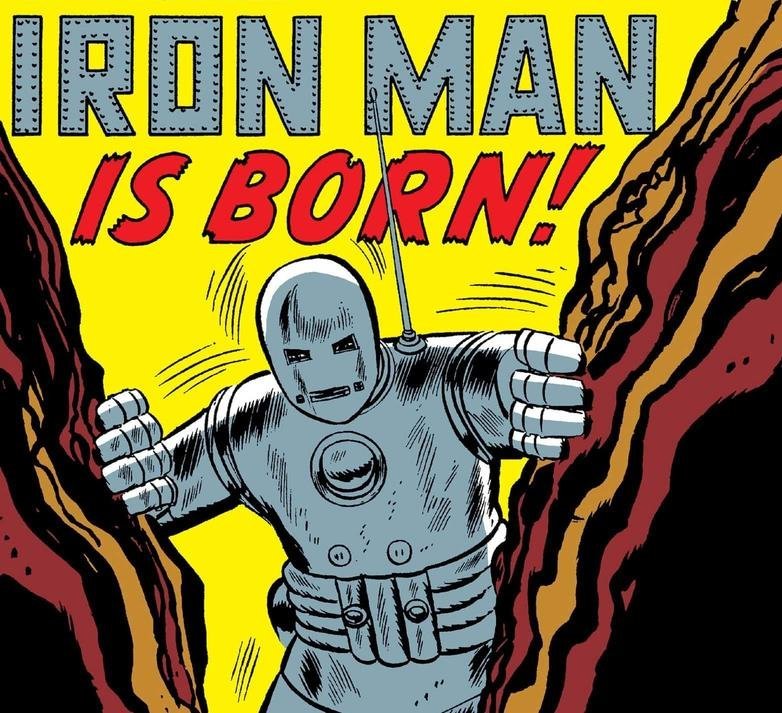
Thus arrived Iron Man in 1963, a billionaire industrialist who built his armor while trying to save his own heart — quite literally. That same year, Thor emerged, bringing Norse mythology into the Marvel universe through an Odinson exiled to Earth to learn humility. Doctor Strange appeared soon after in 1963 as well, an arrogant surgeon transformed by his own downfall. And in 1964, Daredevil hit the pages: a blind lawyer whose heightened senses made him, paradoxically, the hero who saw further than everyone else.
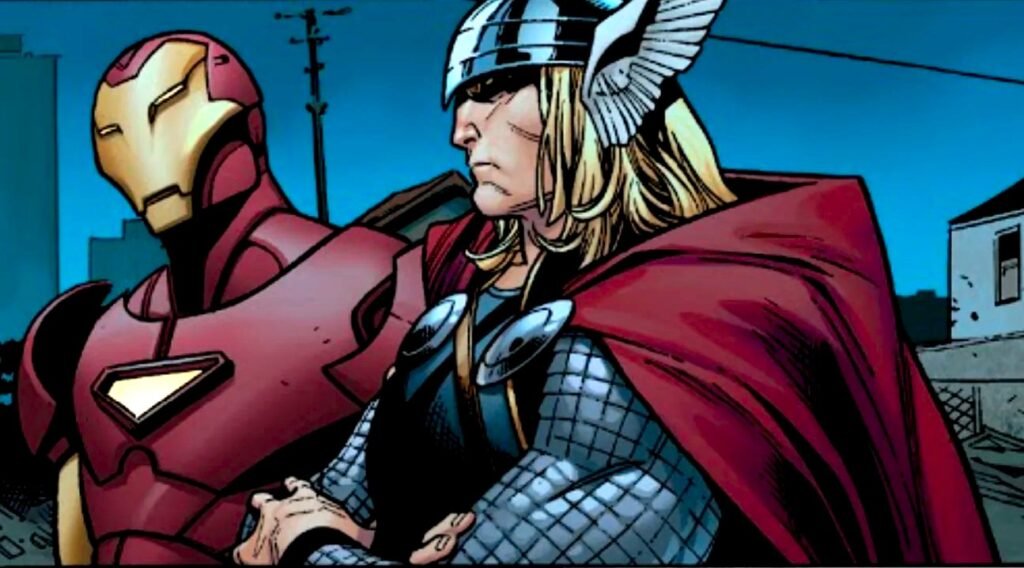
Each of these names reinforced the same founding idea — heroes who carried weaknesses as real as their powers — and, by stacking so many stories together, Marvel ceased to be just a publisher with a clever hook. It was becoming, piece by piece, a universe.