Jessica Lange Doesn’t Watch Her Own Work. She Listens to It
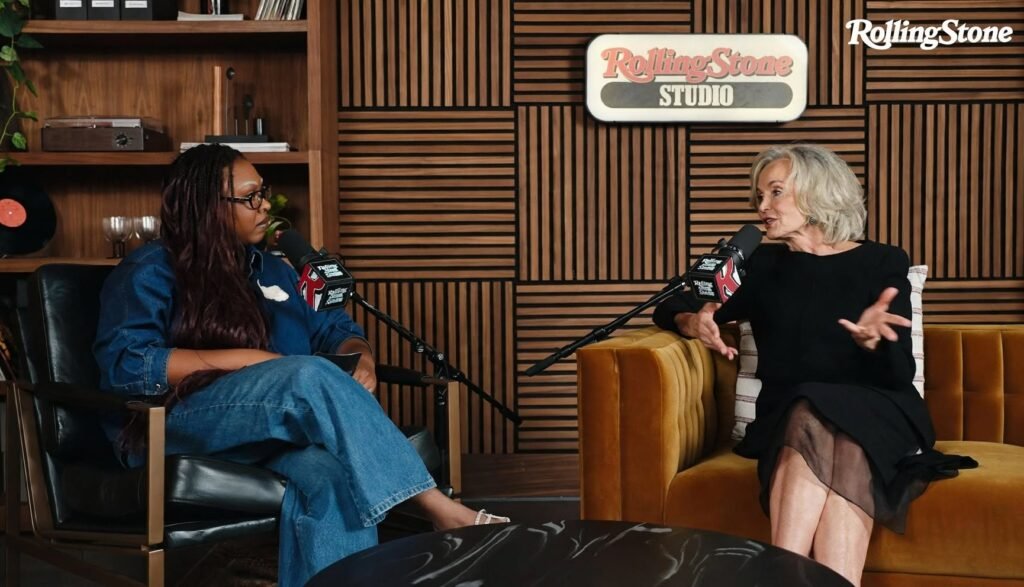
She came back for the sound of her own voice
Jessica Lange said yes to American Horror Story: 13, which premiered September 24 on FX and Hulu, on one condition she has repeated with pleasure ever since: she wanted a musical number. What she told Ryan Murphy she wanted was "a greatest hits season." She got her four signature characters back — Constance Langdon, Sister Jude, Fiona Goode, Elsa Mars — and then a fifth one she unveiled on Good Morning America two days before the premiere. Murphy has described the whole enterprise as an Avengers-style convergence: six or seven Sarah Paulsons, five Evan Peterses, every available regular returning to defeat the ultimate evil. But the part worth studying is smaller and stranger — how Lange found four women she had not played in more than a decade.
"The voice is what always brought me back"
She did not rewatch the episodes. She listened to them. The asymmetry of the season explains why. Constance carried scenes across the first five or six episodes, so she came back slowly, at leisure. Elsa Mars got one episode. Sister Jude got one. For those, audio was the only door in: she played the original scenes without looking at them and rebuilt the performances from cadence alone. The one exception proves the method — the only scene she admits to rewatching is the "naughty pine" one from Murder House, and only because she needed the voice right and because Danny Huston is so good in it that the scene comes alive. She hit that take on the first try. She also had no idea the line had been a meme for years; she is not on social media and does not understand it.
The three years after King Kong
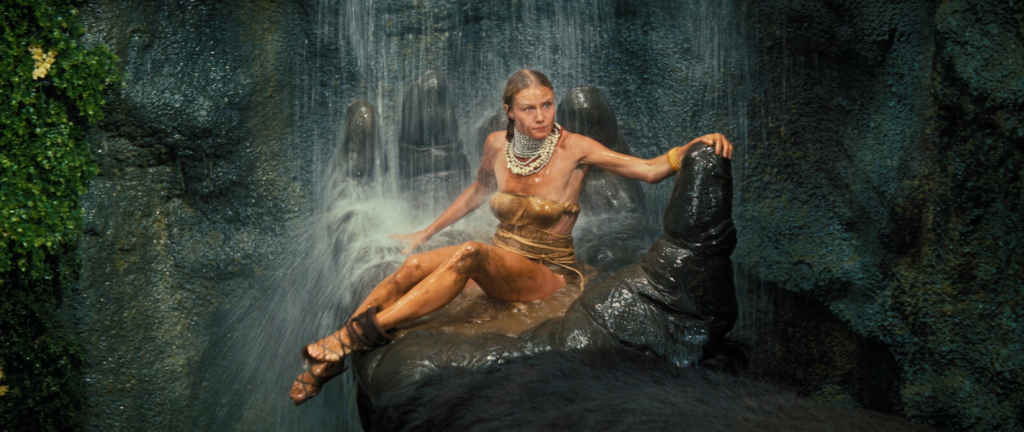
Her first film was her first audition. She had been studying mime in Paris, came back to New York to take classes at Herbert Berghof, and was waiting tables at the Lion's Head for about $10 a night in tips when De Laurentiis flew her to Los Angeles, disliked the look of her, and was talked into rolling film anyway. King Kong made her a public thing overnight and cost her the next three years of work; the reviews dismissed her as a dumb blonde, with Pauline Kael the lone dissenter. She remembers crying on a plane home to Minnesota for Christmas, looking at a stranger's copy of Time with her own face on the cover, cradled in a giant mechanical hand. She did not know, until this interview, that she had once been in the running for Wendy in The Shining; the source, she was told, was a Jack Nicholson interview. "Well, I didn't," she said. Fifty years in, she is still being briefed on her own career.
What the monitors took off the set
Ask what changed and she does not mention money, or streaming, or the death of the mid-budget drama. She mentions where the director stands. When she started, the camera was set for the scene and the director stood beside it, five or ten feet from the actor, close enough for "a wonderful exchange of energy." Then video playback arrived. Now the take is checked on a screen afterwards, and "oftentimes you don't even see the director on the set." She calls that "very detrimental," and she is unusually well placed to say so: an actress who has never liked watching herself, arguing that the industry's central mistake was learning to watch instead of standing there.
An ending she has already chosen
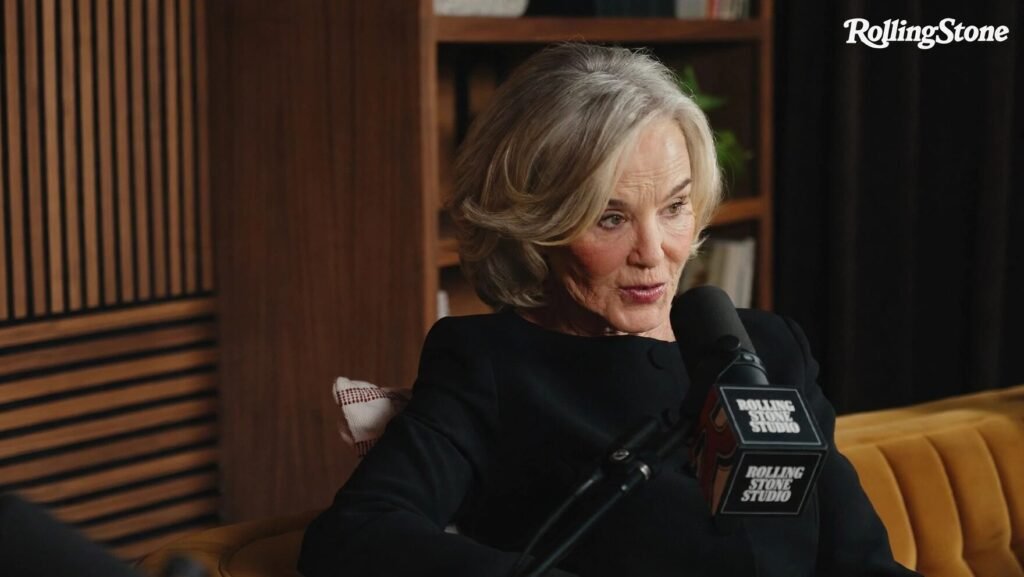
Frances and Tootsie arrived together and gave her two Oscar nominations in a single year — the first performer in almost forty years to manage that — with the win going to Tootsie, though she still calls Frances the first real high. Bob Fosse had intervened once already, writing the Angel of Death in All That Jazz for her when nobody else was calling. Now she says she feels she is "coming to an end," and that the end may be Mary Tyrone: she played O'Neill's morphine-addicted matriarch in London in 2000, won the Tony for her in 2016, and appeared in Jonathan Kent's film of the play opposite Ed Harris, which Quiver released in September. The SCAD Savannah Film Festival gave her its lifetime achievement award at a screening of it in October. "There's not a false moment in it," she says, and she could play it for another twenty years. The one script she still wants made is Marlene Dietrich — the Feud question restated, what a woman does when Hollywood decides she is finished. Failing that, she will take the line she wrote for herself: an honest actor.