From Action Star to Santa: Schwarzenegger’s Long Game
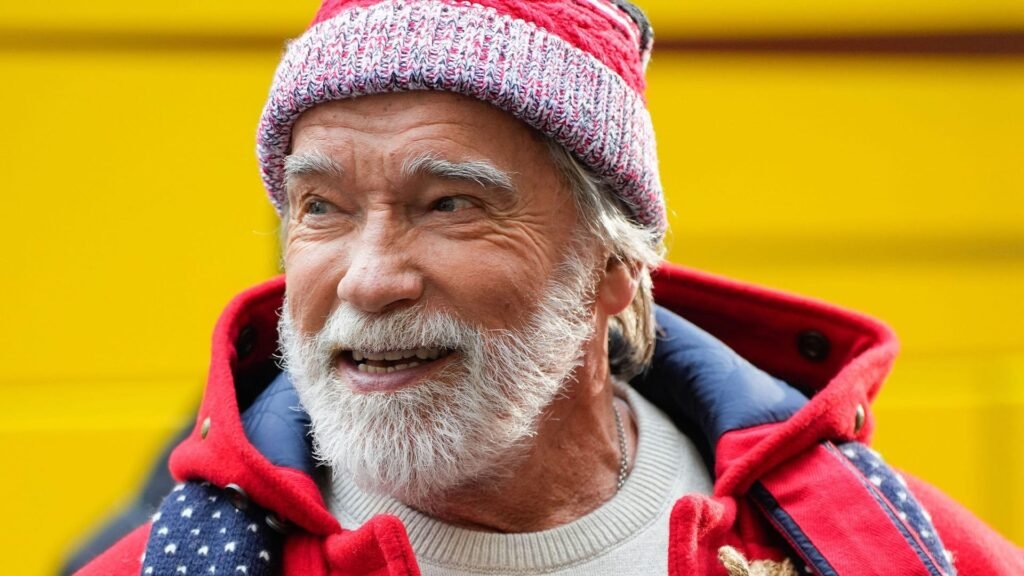
There is one image that sums up Arnold Schwarzenegger's audacity better than any exploding helicopter ever could. Gray-haired, white-bearded, and grinning under a red velvet coat, he stands next to Alan Ritchson in The Man with the Bag, the holiday heist comedy from Amazon MGM Studios that premieres worldwide on Prime Video on December 2. To a casual scroller, it looks like an easy visual gag — the aging action hero winking at his own age and his own bulk in the catalog of a streaming service. But anyone who understands the engineering behind this particular career sees something else entirely. Stepping into the center of a family Christmas comedy, decades after ruling global box offices with machine guns, swords, and metallic one-liners, is the signature move of an artist who has spent half a century converting what everyone called his biggest limitation into his most valuable asset.
How Hollywood initially rejected Arnold Schwarzenegger
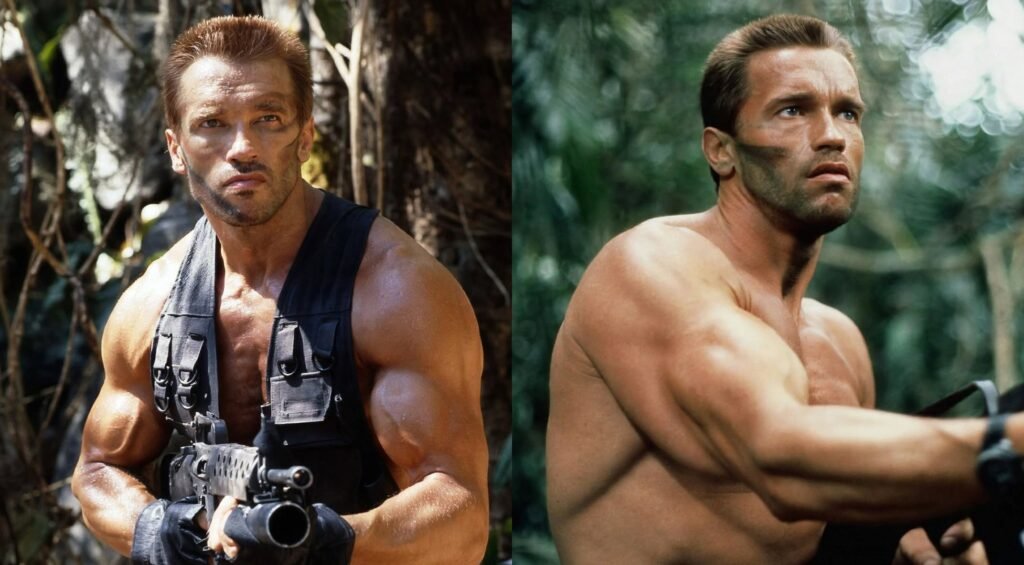
Most of us carry a simplified version of his story in our heads, and it fits into four or five silhouettes: the silent barbarian in a loincloth, the remorseless cyborg in dark glasses, the mud-caked commando in the jungle, and maybe the governor of California. That clean, almost mythological version hides the most fascinating part of the journey. When Schwarzenegger landed in Los Angeles in 1968, a 21-year-old from the village of Thal in Austria with a thick accent and a surname nobody could spell, the Hollywood studio system simply had no shelf for him. American movies of the late 1960s and early 1970s were celebrating the fragile, neurotic, urban antihero — the era of Dustin Hoffman, Al Pacino, and Robert De Niro. Against that standard, agents and producers looked at a 6-foot-2 young man carrying roughly 240 pounds of sculpted muscle and handed down the verdict: at best, a mute henchman in a B movie or a monster in the background.
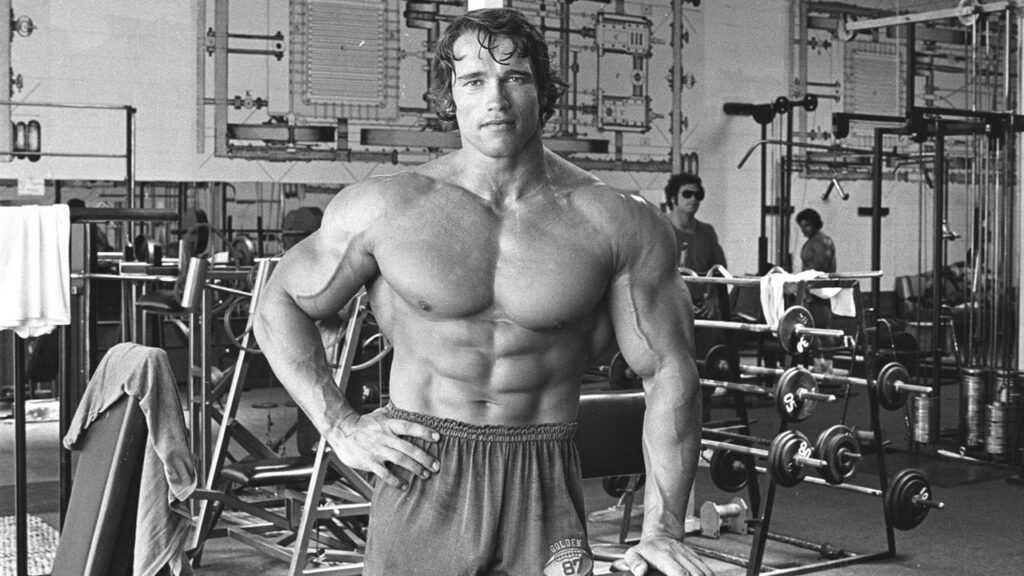
The first documented evidence of that rejection is Hercules in New York (1970), where he was billed as "Arnold Strong" and where his dialogue had to be dubbed by another actor because the studio considered his English incomprehensible. Instead of accepting the role of walking spectacle, Schwarzenegger treated Hollywood the way he had treated bodybuilding: with strategic obsession, market research, and long-term patience. Before he ever won over a mass audience, he had already built a quiet fortune off-screen, becoming a millionaire in the 1970s through California real estate ventures and mail-order training manuals. That financial independence was the invisible foundation of his stardom. While other young actors took any bit part to make rent, Arnold could say no to Nazi thugs and generic brawlers, holding out for the project that built a brand instead of a paycheck.
The detour that built the star
The turning point came far from any explosion, in a small independent drama directed by Bob Rafelson called Stay Hungry (1976). Playing opposite Jeff Bridges and Sally Field, Schwarzenegger was Joe Santo, an Austrian bodybuilder who played the violin and searched for spiritual balance. The performance earned him a Golden Globe for New Star of the Year in 1977 and proved to a small circle inside the industry that there was charisma, humor, and real screen presence behind that monumental anatomy.
A year later, the documentary Pumping Iron introduced American audiences not only to the seven-time Mr. Olympia but to a charismatic strategist who owned the camera with a wide smile, sharp irony, and near-hypnotic self-confidence. That was the real reveal. The muscles got him in the door; the personality is what kept the door open for the next fifty years.
How the 1980s turned a limitation into a language
It was only in the 1980s that all these pieces locked into place and created a new model of movie stardom. Director John Milius saw in Conan the Barbarian (1982) that Schwarzenegger's physical presence made long monologues unnecessary, turning his verbal economy into mythic gravity. Two years later, James Cameron had the opposite and equally brilliant instinct for The Terminator (1984): use the stiffness of Arnold's delivery, his inhuman bearing, and his facial immobility to build the perfect machine. Shot on a modest budget of about $6.4 million, the film grossed more than $78 million worldwide and redrew the map of commercial cinema. For the first time, audiences weren't buying tickets just to follow a story; they were buying tickets to watch the physical, magnetic spectacle of that man owning the frame.
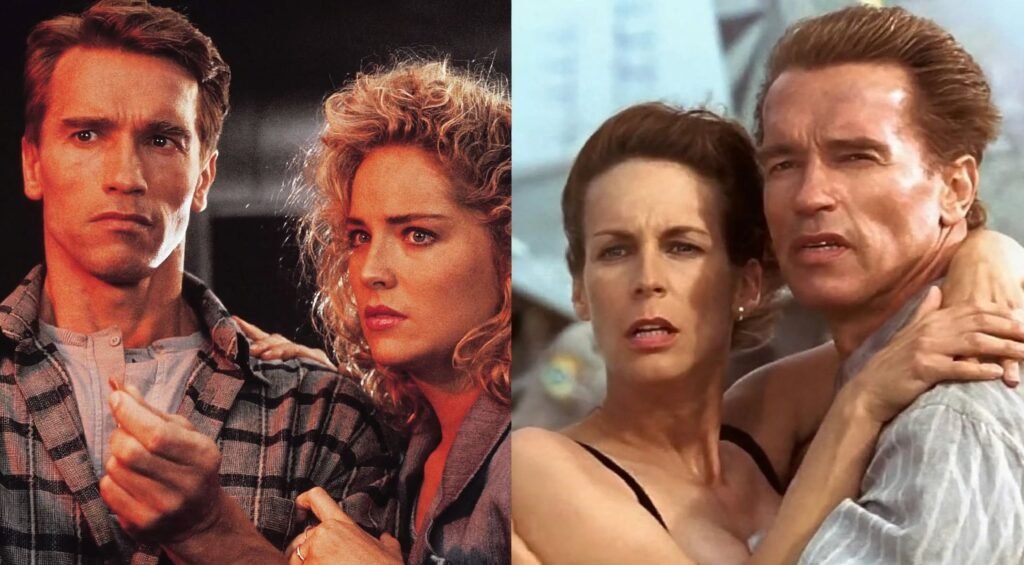
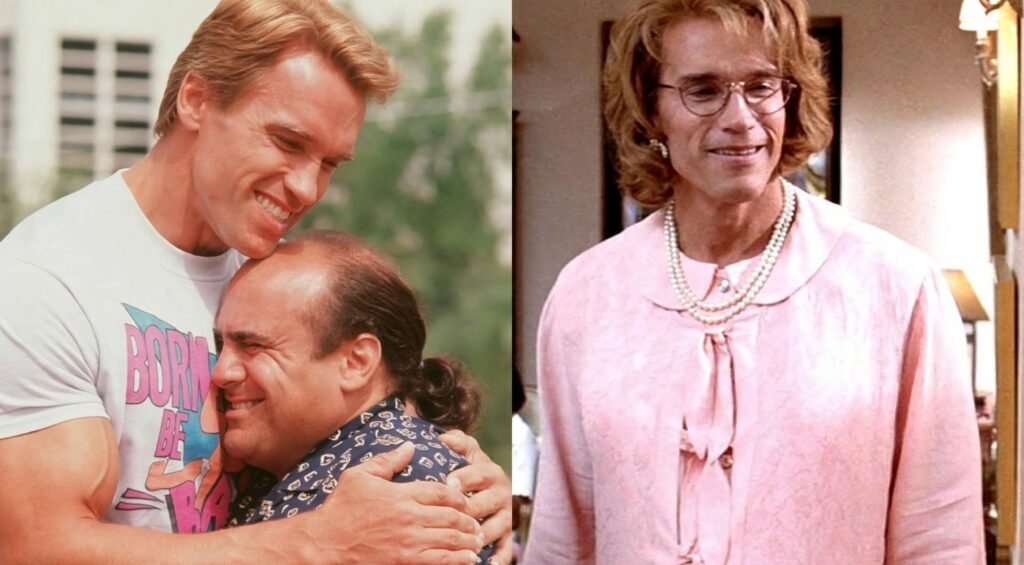
The difference between fame and genuine star power became obvious when Schwarzenegger decided to sabotage his own image at the absolute peak of his invincibility. In 1988, after hits like Commando and Predator, Universal executives hesitated at his pitch to star in a comedy directed by Ivan Reitman opposite Danny DeVito. To shrink the financial risk, Schwarzenegger, Reitman, and DeVito gave up their upfront salaries in exchange for a large share of the profits. Twins grossed more than $216 million worldwide and became one of the most profitable films of Arnold's career, outearning any of his shootouts. He had figured out something many stars take decades to learn: the audience didn't only want to see him invincible. They wanted to see him laughing at his own invincibility.
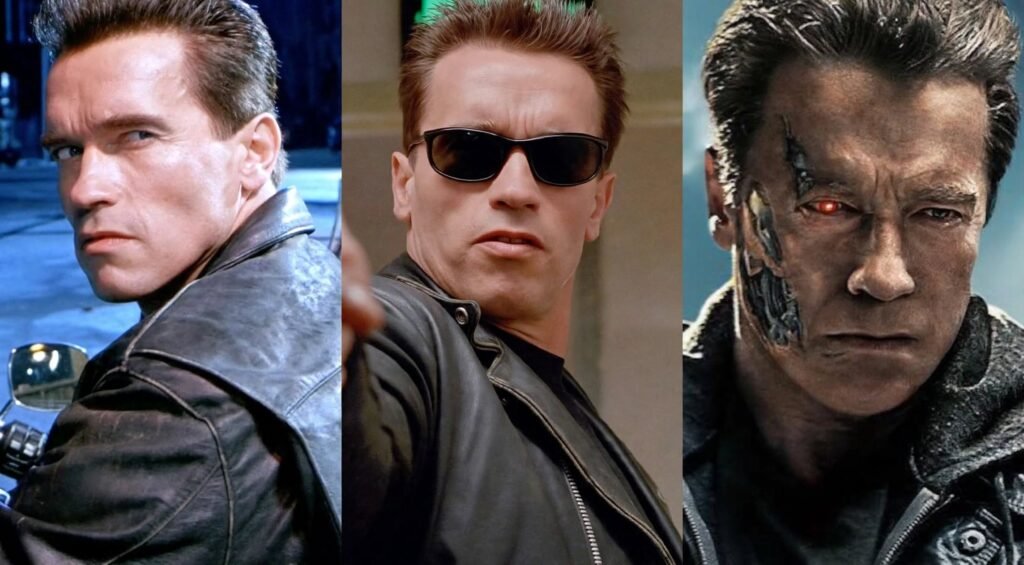
That commercial intelligence reached its peak in the early 1990s. In Terminator 2: Judgment Day (1991), again under Cameron, Schwarzenegger agreed to turn the relentless villain of the first film into a paternal protector who learns the value of human life — and who takes orders from a teenager. The film blew past $520 million worldwide and cemented his status as the biggest global star of the era, an actor who could open a movie simultaneously in Tokyo, Berlin, São Paulo, and Los Angeles without needing cultural translation. His power came precisely from that visual universality and from a self-deprecating sense of humor that disarmed viewers, something Cameron would tap again in True Lies (1994).
The cracks that made the myth human
Naturally, the architecture of this career has cracks too, and they are what humanize the legend. When Last Action Hero arrived in June 1993, the project had everything it needed to be a brilliant meta-comedy about action-movie clichés, co-written with Shane Black and directed by John McTiernan. But it opened one week after Jurassic Park, the cultural juggernaut of the decade, and buckled under outsized expectations and harsh reviews, becoming the first major commercial stumble of Arnold's golden run. Years later, his turn as the villain Mr. Freeze in Batman & Robin (1997) came to symbolize the exhaustion of the 1990s studio formula of visual excess — followed that same year by open-heart surgery to replace a heart valve, which forced him to slow down for the first time in his life.
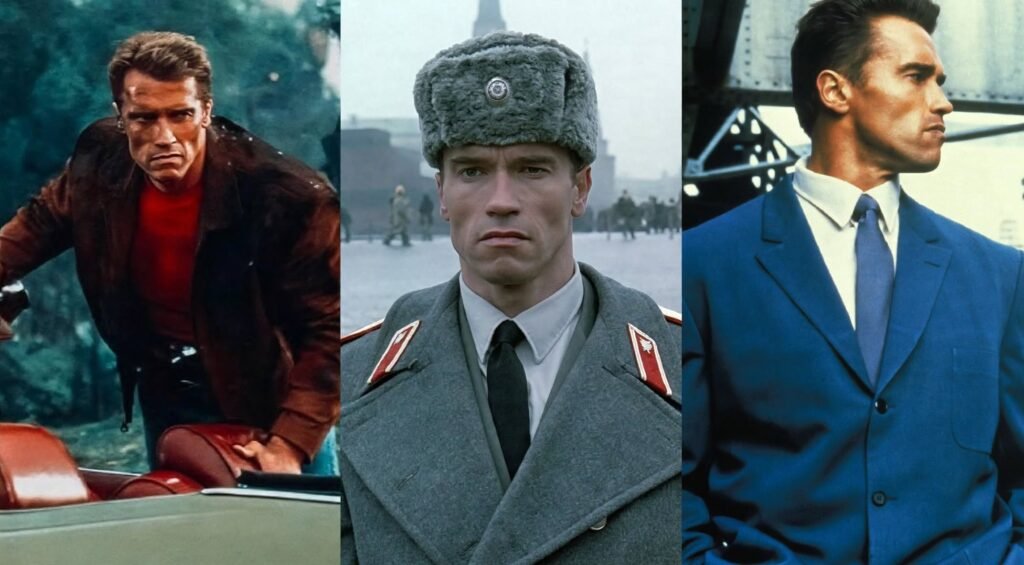
What separates a passing celebrity from a lasting figure in popular culture, though, is the ability to read the clock of history. In 2003, when the traditional 1980s action-star model seemed to be losing ground to digital-effects franchises and more agile heroes, Schwarzenegger shocked the country by announcing his candidacy for governor of California on The Tonight Show with Jay Leno. He traded the Burbank soundstages for the state Capitol in Sacramento for two terms, from 2003 to 2011, stepping away from movies for nearly a decade. When he returned to the screen in the 2010s, he didn't pretend the years hadn't happened. In smaller, surprisingly restrained dramas like Maggie (2015), where he plays a devastated father watching his infected daughter slowly transform, and Aftermath (2017), he traded muscular invincibility for the vulnerability of grief and aging.
From VHS to the algorithm
In recent years, that same clarity has guided his transition into the streaming era and direct communication with his audience. The spy-family comedy series FUBAR, launched by Netflix in 2023, shot to the top of the platform's global charts in its debut week, proving that his presence still works as an instant magnet for multigenerational audiences — both the people who grew up renting his VHS tapes and the younger fans who met him through memes, workout clips on social media, or his daily newsletter about health and discipline. And it isn't just nostalgia, because nostalgia only looks backward. What sustains Arnold's relevance is his ongoing willingness to occupy the present with lightness and curiosity.
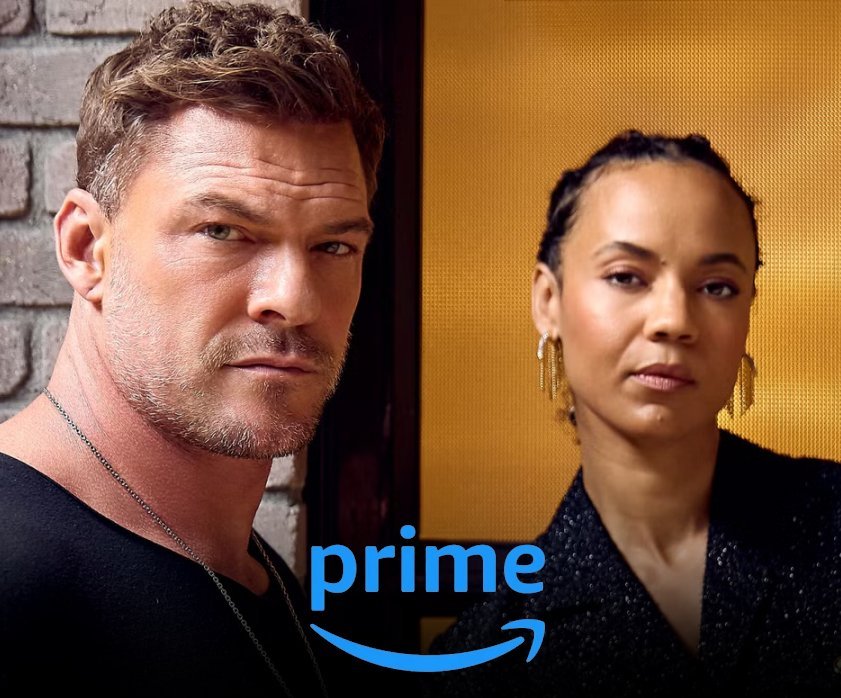
Which brings us back to the red suit — and to a detail that makes the whole thing land harder. The Man with the Bag, directed by Adam Shankman from a script by Allan Rice, arrives almost exactly 30 years after Jingle All the Way (1996), the movie where a stressed-out dad named Howard Langston sprinted through mall crowds hunting a sold-out Turbo Man action figure for his son. Back then he was the father chasing the toy. Now, at 79, he is the man with the bag, and the premise has him recruiting a thief on his Naughty List — Ritchson's Vance — to steal it back from a disgruntled elf played by Awkwafina, with assists from Ken Jeong, Jane Krakowski, Liza Koshy, and Kyle Mooney. The trailer even lets him revive his most famous line as a cheerful "I'm back!" It is the kind of full-circle casting that only works when a career has been built with intent.
That's exactly why watching him now, white beard and all, opposite a new generation of physical stars like Ritchson, produces such genuine satisfaction for anyone who has followed this run. Over more than fifty years, the Austrian kid who was told his body was too big, his accent too heavy, and his name too difficult didn't just conquer Hollywood — he widened the boundaries of what a movie protagonist is allowed to be. Arnold Schwarzenegger's greatest work was never a single film. It was the invention of himself: living proof that when someone refuses the script the world wrote for him, the audience will line up to buy a ticket for whatever happens next.