Home Alone, 36 Years Later: The Cast We’ve Lost
When Home Alone opened in American theaters on November 16, 1990, it looked on paper like just another family comedy in an already crowded holiday slate. Fox expected a respectable return on an $18 million production. Nobody in the industry was braced for what came next. In the packed houses of those first freezing weeks — adults and kids crammed into lines that wrapped around the block — something unusual was happening inside the auditorium: parents laughed so hard at Marv and Harry's bone-rattling pratfalls that they had to wipe away tears, while kids walked out pressing both hands to their cheeks in Kevin's signature scream. The movie wasn't merely a comedy that worked. It was a collective event, three generations sharing the same delight under the beam of a projector — and by the end of its run it had become the highest-grossing film of 1990.
Why the film still works
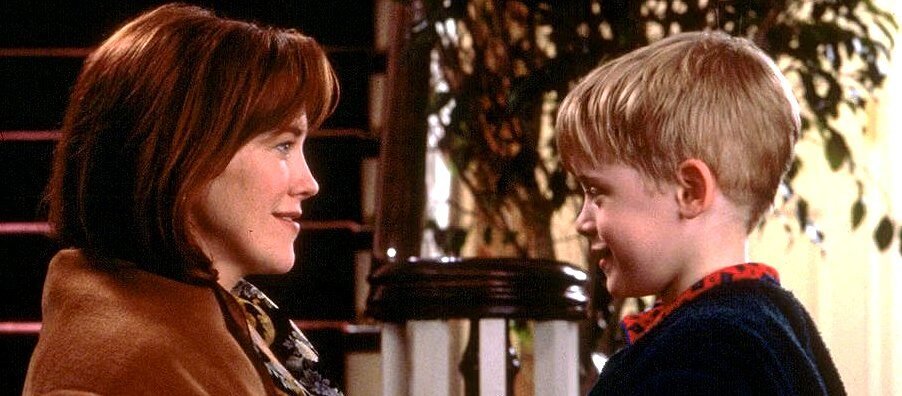
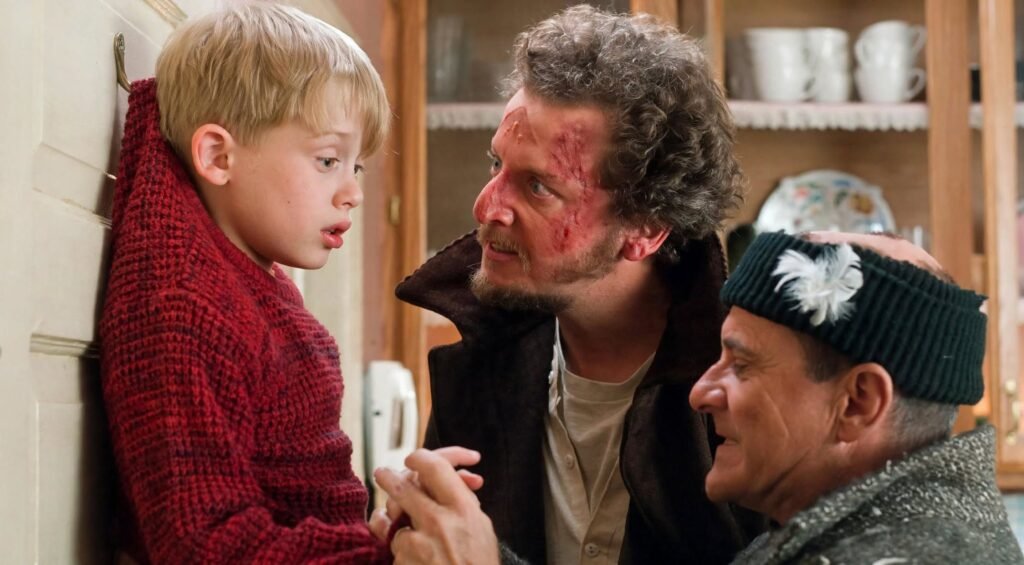
Look at how precisely the production balanced childish innocence with an almost physical sense of comic timing. Chris Columbus and his editors knew the booby traps of the third act were flirting with a level of violence a PG rating could barely contain. The solution was in the sound design: real impacts layered with deliberately cartoonish effects and carried along by John Williams's melodic score, so that every iron, blowtorch, and can of paint landed as a relieved belly laugh instead of a cry of horror. And in that kid with the slightly folded ear and the razor-sharp comic rhythm, audiences found the ultimate fantasy of autonomy — along with the immediate recognition that a house, however large and imposing, turns terribly cold once the family is gone.
The faces that are no longer there
Rewatching it now carries a melancholy that did not exist on those 1990 afternoons, and most of it comes from the cast itself. To sit through the film today is to walk through a set populated by absences that time has made permanent.
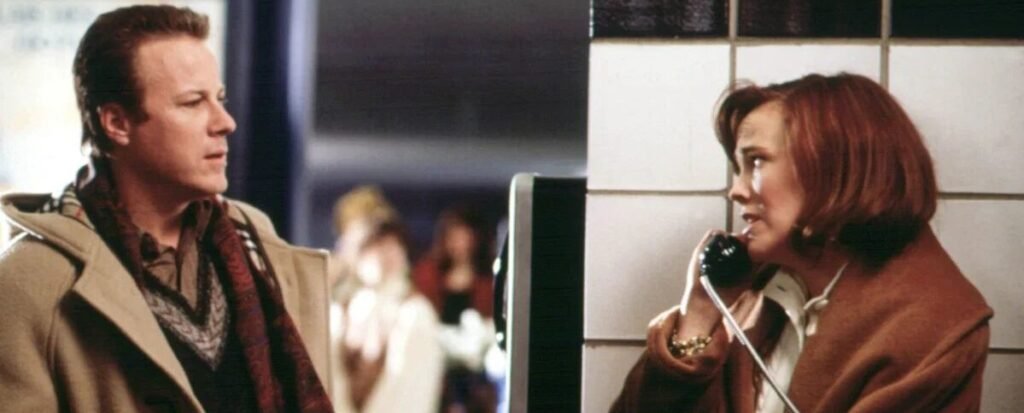
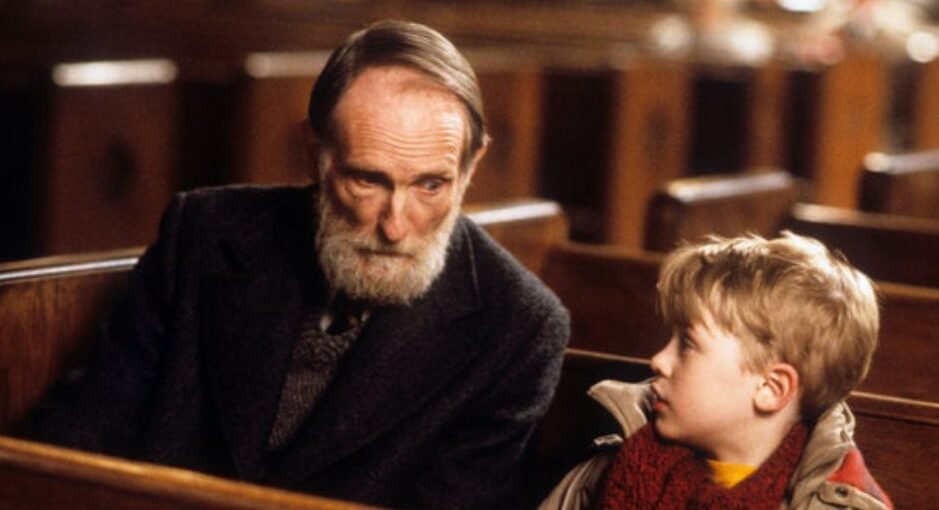
John Heard, who gave Peter McCallister his frayed, desperate charm, died in 2017. Roberts Blossom, the unforgettable Old Man Marley, whose snow shovel scraping across the gravel was frightening only until it became the film's emotional embrace, died in 2011. John Candy, whose single scene as the polka-loving Gus Polinski is the warmest detour in the movie, died in 1994. And Catherine O'Hara's death in January 2026 sealed the fracture in the audience's memory, turning Kate's frantic sprint through the airport and her shrill cries for Kevin into relics of a mother — and of an era — that exist only in the frame. Every warm lamp in that red-brick house now serves as a reminder that the people who made it feel safe and alive are no longer here.
Why this Christmas will feel different
Watching Home Alone this holiday season will be a more painful experience, because the film has become a mirror of our own lives. The hilarious story of a boy left behind has reversed itself with time: the boy grew up, the cast aged and departed, and those of us who watched from the couch with our parents or grandparents in the 1990s are now the adults in the room. The screen still throws the same warm light; the McCallisters' tree still glows. But the silence around the projection reminds us that certain eras, and certain people, are not coming back. The film remains a celebration — one that now hurts, because it forces us to face the empty house of our own memory.