Fired, Anxious, and Underpaid: Mark-Paul Gosselaar Breaks His Silence on the Reality of Hollywood
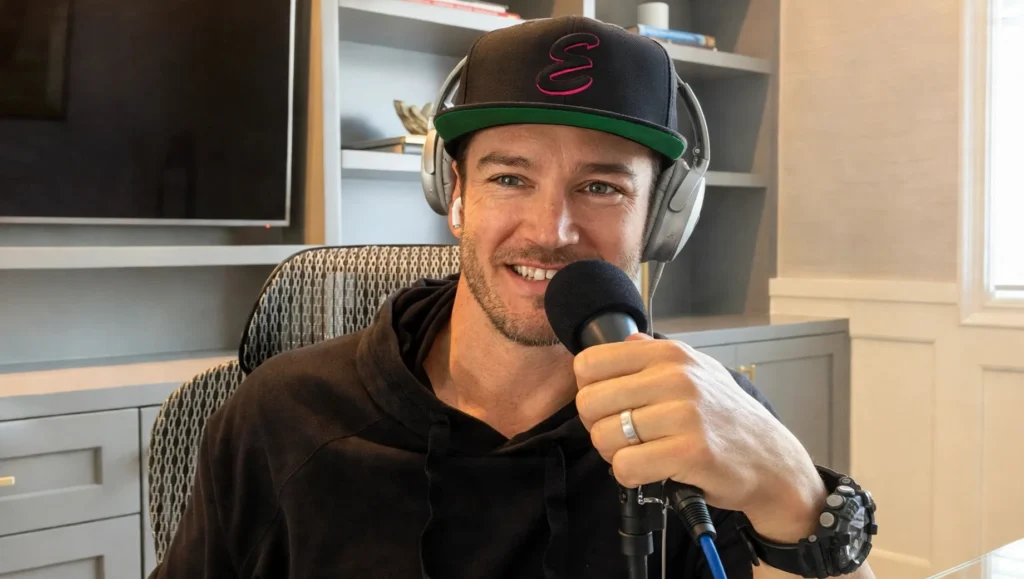
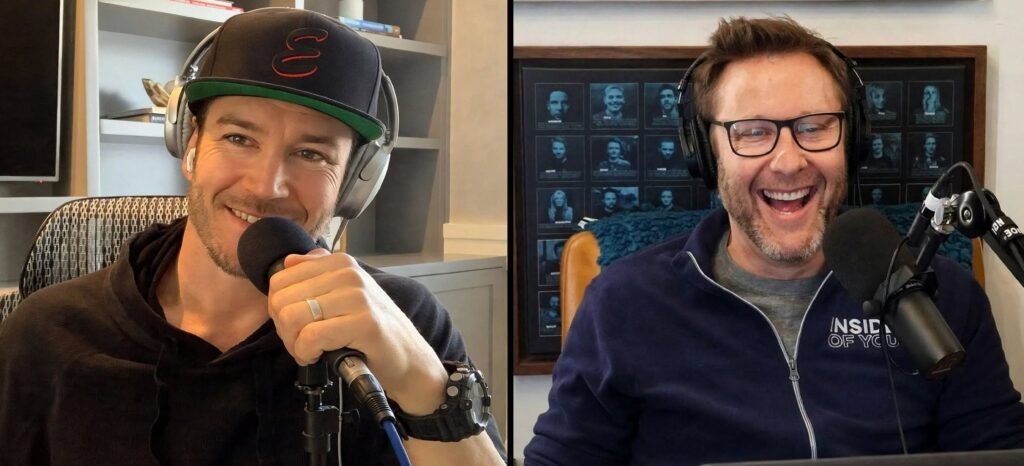
Mark-Paul Gosselaar was remarkably candid with Michael Rosenbaum on the Inside of You podcast, opening up about the anxiety that still follows him into every job, the reality of what Saved by the Bell actually paid him, and the time Will Ferrell and Adam McKay fired him from their new comedy while insisting he was great in it. The conversation is worth revisiting now because, in the time since, Gosselaar has earned a Critics Choice Award nomination for his unnerving turn as Sir on NBC's Found, taken on directing assignments, and stayed steadily employed across networks. He also got into why he can't remember large stretches of his own life, what he owes the late Stephen Bochko, and the one piece of advice he has for anyone trying to survive show business. The result reads less like a nostalgia tour than a clear-eyed report from a former child star who has been fired, broke, canceled, and hired again — and who is honest about how much all of it still matters to him.
The sharpest story involved Ferrell and McKay, who handed him a role outright, praised him every day in front of the cast, screened the finished episode at his house, and then called weeks later to say the network was moving ahead with five episodes but had to replace him because his character was too dark. The series never made it to air, and McKay's email promising they would work together again never led to anything. It was hardly his only professional knock: as a kid he lost a toy commercial to Paul Walker, the other in-demand blond child actor of their era, and when Saved by the Bell ended he went about two years without a job, detailing cars with his cousin because being recognized made waiting tables unthinkable. The person who put his career back together was Bochko, the late NYPD Blue creator who hired him to replace Rick Schroder, kept casting him for years afterward, handed him early directing jobs, and told him straight to let his first marriage go.
For a show that made him famous all over the world, Saved by the Bell paid modestly: he estimates roughly $5,000 an episode at its peak, his syndication checks add up to pennies per airing, and the cast never earned a cent from the merchandise. So when Tracey Wigfield's pitch won him over, he returned to the Peacock revival for the salary and a producer credit, enjoyed the new cast, and directed an episode of it. He was also candid that today's young actors run circles around his teenage self, even as friends send him clips of their under-10 daughters naming Zack Morris their favorite character. Peacock has since canceled the revival after two seasons, which only underlines the point he kept making in the conversation: nothing in this business — not a renewal, not a rating, not a good review — is ever guaranteed.

Gosselaar's mind, he told Rosenbaum, holds onto scripts but drops everything else: he can absorb a monologue in minutes, yet real-life moments vanish the moment he walks away, including a car accident involving co-star Tiffany Amber Thiessen that she swears they lived through together and he cannot recall at all. That gap is why he started the rewatch podcast Zack to the Future with writer Dashiell Driscoll, creator of the web series Zack Morris's Trash, working through the sitcom from the very beginning to rebuild an experience he had mostly lost, and the show has sat on hiatus around its halfway point ever since. He was equally frank about the death of co-star Dustin Diamond, saying it stunned him and wishing the man had reached out to his old friends before it was too late.

Anxiety was the thread running through it all: he admitted he was nervous before the taping, said he has spent his career riddled with it, and told Rosenbaum he manages without alcohol or drugs by leaning on cold-water exposure, jiu-jitsu, hard workouts, sleep, and eating better. His body carries the rest of the toll — he grew up racing motocross, fractured his sternum and tore the ligaments in his neck as a teenager, and went through shoulder and neck surgeries after Pitch, which is why he wishes his younger self had simply taken time off. Car racing, his first love, now loses to real life: four kids in private school price him out of the track, though he jokes he could always fund it the way Patrick Dempsey did, by earning Grey's Anatomy money. His advice for lasting is not to take any of it personally, even though he admits he still cares too much and would love to learn how to care less. He is still anxious and still cares deeply about the work, but he says both out loud now — and he keeps getting hired for it, from Found to the Crave comedy Bulges he has in the works.