Whatever Happened to Olivia Newton-John? The Answer Is More Remarkable Than Anyone Expected
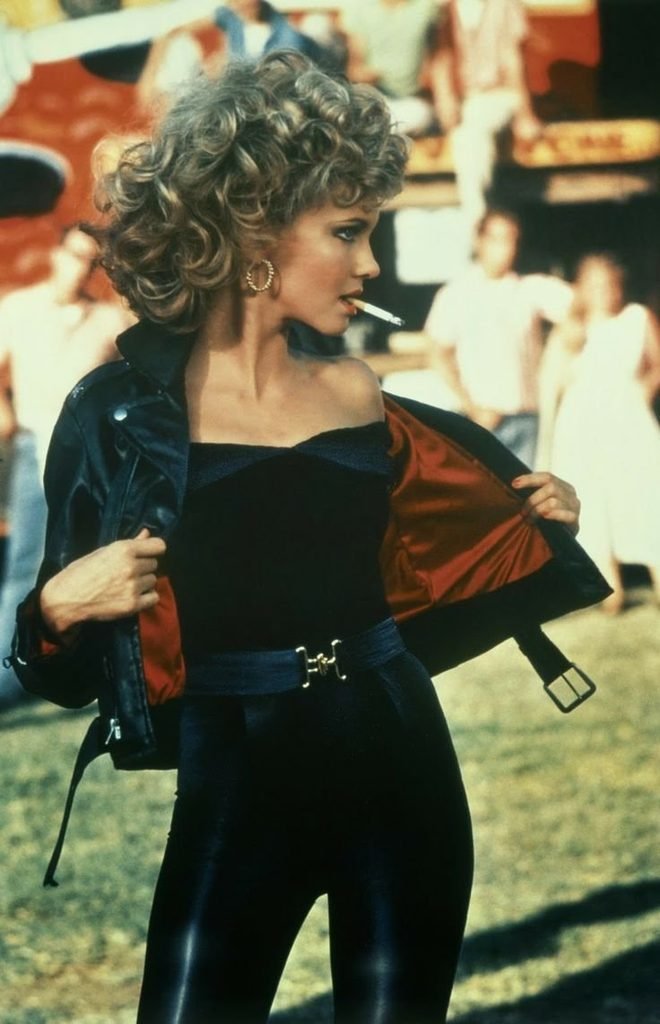
Close your eyes and picture her in that black leather jacket at the end of Grease, hair teased, cigarette dangling with theatrical bravado, singing to a stunned John Travolta at the carnival.
Or picture her in pink spandex and a headband, sweating through the "Physical" video that briefly turned every gym in America into a disco. For a stretch of the late 1970s and early 1980s, Olivia Newton-John wasn't just famous, she was inescapable, a fixture on the radio, on television, in movie theaters, her voice and image woven into the cultural fabric of an entire decade. And then, gradually, the spotlight that had followed her so relentlessly seemed to dim. She stopped headlining films. She became less of a tabloid fixture and more of an occasional, warmly received guest on other people's shows.
Casual fans might assume the usual story: a career that simply ran its course, a star who faded the way stars sometimes do. The real story is stranger, sadder, and ultimately far more admirable than that, and it has almost nothing to do with failure.
Newton-John's rise had an unusual shape from the start, because she was already an established recording artist before most American audiences ever saw her on screen. Born in Cambridge, England, and raised in Melbourne, Australia, she built a music career throughout the early 1970s that included a fourth-place finish representing the United Kingdom at Eurovision and a string of soft country-pop hits, including the Grammy-winning "I Honestly Love You" and chart-toppers like "Have You Never Been Mellow."
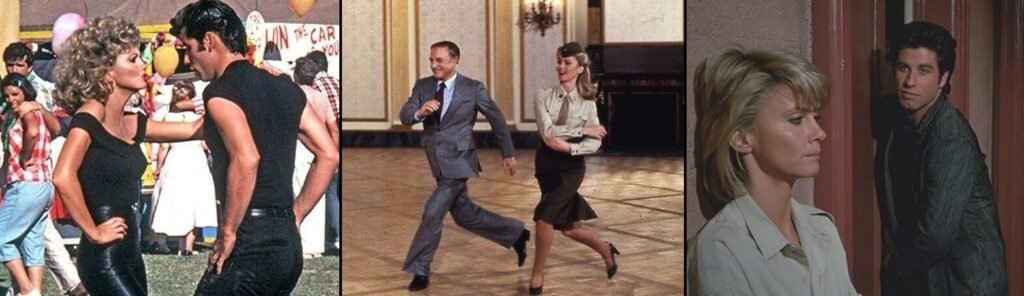
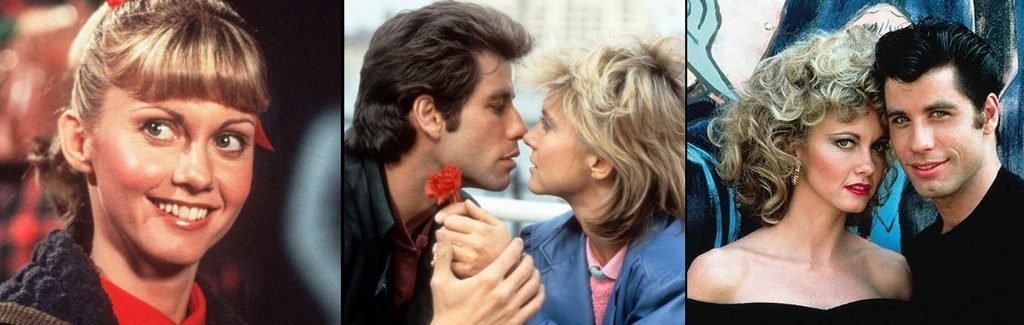
By the time producers cast her as Sandy in the 1978 film adaptation of Grease, she was already 29 years old and a bona fide recording star, not an ingenue being discovered. What Grease did was fuse her musical career to a piece of cinema so enormous that it became one of the highest-grossing movie musicals ever made, and it gave her a second, simultaneous identity as a movie star. The soundtrack alone spun off multiple number-one singles, and three years later, "Physical" became one of the best-selling songs of the entire decade, cementing her as one of the defining pop culture figures of her era.
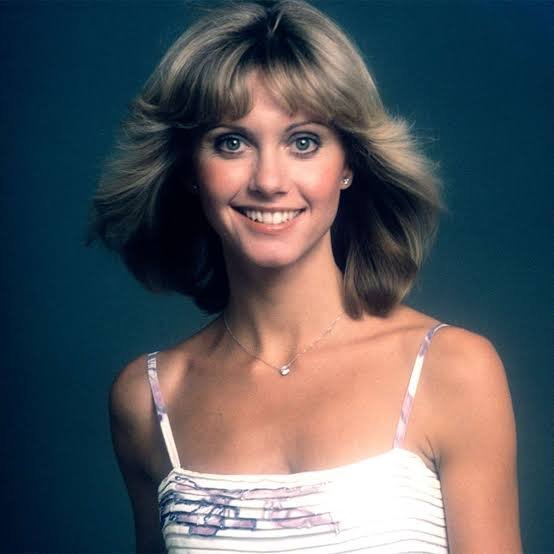
The shift away from that level of ubiquity did not come from a single failed movie or a public unraveling. It came from a series of deliberate choices layered on top of an industry that, like it often does, moved on to new faces. Her 1980 film Xanadu underperformed critically despite producing a beloved soundtrack, and her reunion with Travolta in 1983's Two of a Kind failed to recapture Grease's magic, but neither of those setbacks ended her career, they simply nudged her back toward music and away from leading film roles.
What really redirected her path was becoming a mother. She married actor Matt Lattanzi in 1984, and the birth of her daughter, Chloe, the following year visibly reordered her priorities. She continued recording, touring, and taking selective television and film work throughout the following years, but she stopped chasing the kind of relentless, everywhere-at-once visibility that had defined her early career. It was a conscious recalibration, not a collapse.
Then, in 1992, something happened that would ultimately define the second half of her public life far more than any movie role: she was diagnosed with breast cancer, discovered the same weekend her father died of cancer himself. What followed was not a retreat from the public eye so much as a redirection of it.
Newton-John underwent a partial mastectomy, chemotherapy, and reconstruction, and rather than shielding her illness from the public, she chose to speak about it, turning her own diagnosis into a platform. She became one of the most visible breast cancer advocates in the English-speaking world, and in 2008 she helped establish what would become the Olivia Newton-John Cancer Wellness and Research Centre in Melbourne, a genuine medical institution built through a partnership with Austin Health, combining cancer treatment, research, and integrative wellness care under one roof when it fully opened in 2012.
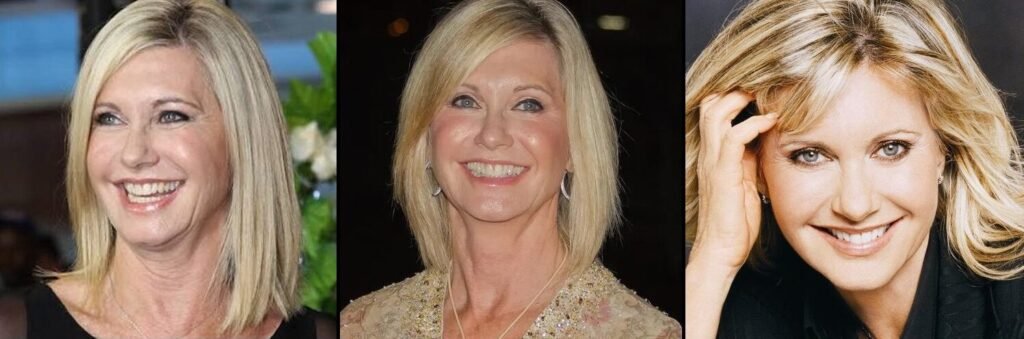
This is the part of her story casual fans tend to miss entirely, because it happened largely outside the entertainment press. While the tabloids periodically checked in with "whatever happened to" pieces treating her reduced screen presence as a mystery, Newton-John was quietly helping raise tens of millions of dollars for cancer research and building a facility that continues to treat patients in Australia today.
She kept working the entire time, releasing albums, returning for Grease reunions and duets, appearing as herself on Glee in 2010, and touring well into her sixties, but her actual life's work had expanded into something the industry rarely rewards with headlines: institution-building. She became, in effect, a philanthropist and public health advocate who happened to still occasionally make records and appear on stage, rather than a movie star trying to relaunch a film career.
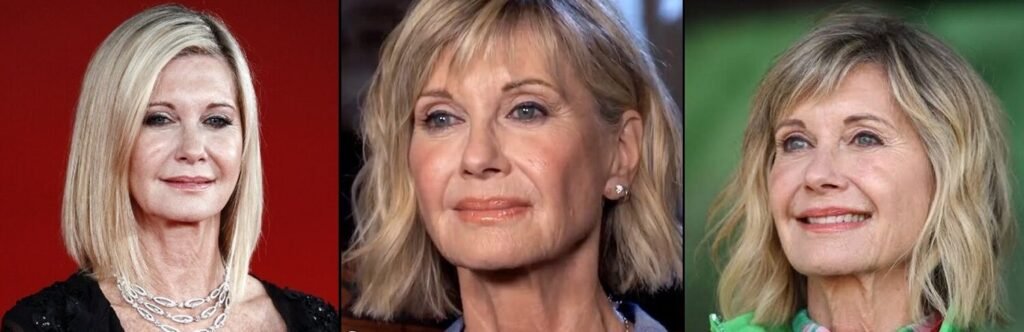
Her cancer returned twice more, first in 2013 and then, in 2017, as a metastatic diagnosis that eventually reached stage four, spreading to her lower back and forcing her to cancel performances. True to the pattern she had set twenty-five years earlier, she responded not by disappearing but by becoming louder about it, using her platform to advocate for expanded research into plant-based and integrative treatments alongside conventional medicine, and continuing to appear at fundraising events for the centre that bore her name. In 2020, she was made a Dame Commander of the Order of the British Empire, recognition as much for her decades of cancer advocacy as for her contributions to music and film.
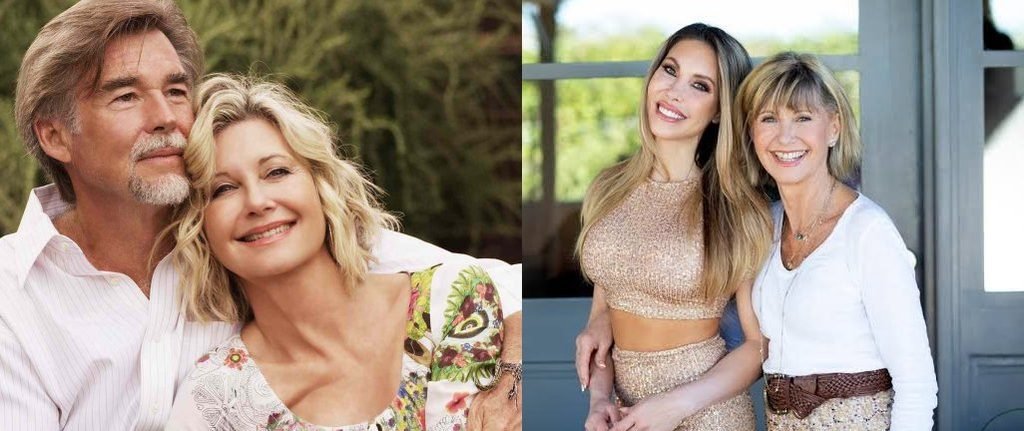
Olivia Newton-John died on August 8, 2022, at her ranch in Southern California, at the age of 73, surrounded by family, after living with cancer in some form for nearly thirty years. Her husband, John Easterling, described her as a symbol of triumph and hope, and asked that her healing work continue through the Olivia Newton-John Foundation Fund, which she had established to research plant medicine and cancer treatment. That work has, in fact, continued. The wellness and research centre in Melbourne still operates, still treats patients, and still bears her name as both memorial and mission statement. In 2024, two years after her death, a previously unfinished duet called "My Dream," recorded years earlier with producer Jim Brickman and the trio Il Volo, was completed and released, with proceeds benefiting her foundation, a quiet coda to a career that never really stopped generating both music and money for the cause she cared about most.
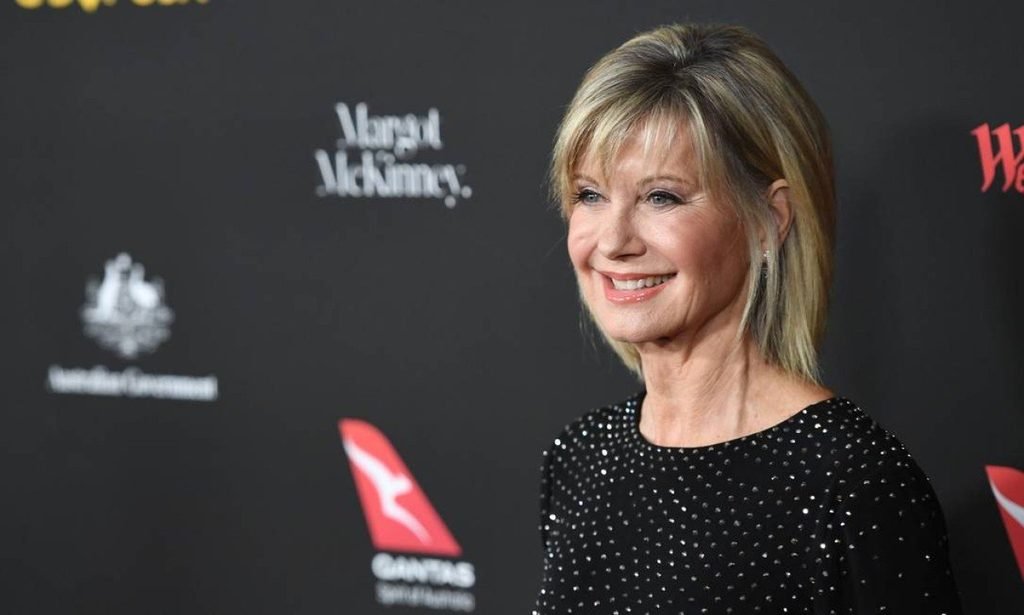
Here is the detail that tends to surprise even devoted fans: Olivia Newton-John was not merely a celebrity who lent her name to a cause. The centre she helped build was designed from the outset to combine oncology treatment with psychological and wellness support, an integrative model that was unusual for cancer care at the time and has since influenced how other institutions approach patient support. She spent more years fighting for that vision, and building the physical infrastructure to support it, than she spent as a leading lady in Hollywood. The woman audiences remember singing "Hopelessly Devoted to You" spent the back half of her life devoted to something considerably less glamorous and considerably more consequential.
So the honest answer to where Olivia Newton-John went is this: she didn't vanish, and she certainly didn't fail. She simply moved the center of her life somewhere the cameras weren't always pointed, into hospital wards and research labs and fundraising galas, building something that will keep helping people long after the last chorus of "Physical" fades out. Sometimes a star doesn't disappear from view so much as we stop looking in the right places, and it turns out the most lasting thing Olivia Newton-John ever created wasn't a movie or a song at all.