Where Did Hugh Grant Go? The Reinvention of Hollywood’s Favorite Bachelor
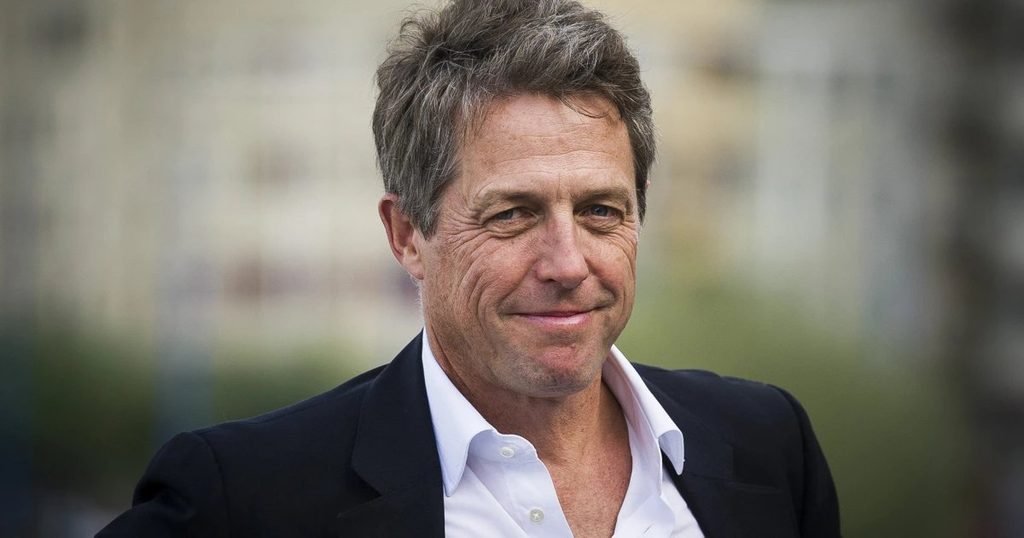
There was a time when Hugh Grant seemed impossible to escape. In the 1990s and early 2000s, his floppy hair, apologetic stammer, hand-fluttering manner and unmistakably British charm turned him into one of the most recognizable leading men in the world. He had a particular talent for playing men who seemed permanently caught between embarrassment and romantic possibility, and audiences loved him for it. Four Weddings and a Funeral, Notting Hill and Love Actually made Grant one of the defining faces of modern romantic comedy, the kind of actor whose presence alone could sell the idea of a new movie. Then, gradually, he seemed to disappear from the place where audiences had become accustomed to seeing him. The leading-man roles became less frequent, romantic comedies began to fade, and the Hugh Grant who once seemed destined to remain a Hollywood fixture stopped appearing at the center of the conversation. So where did he go? The answer is considerably more interesting than a simple story about a star losing his place in Hollywood.
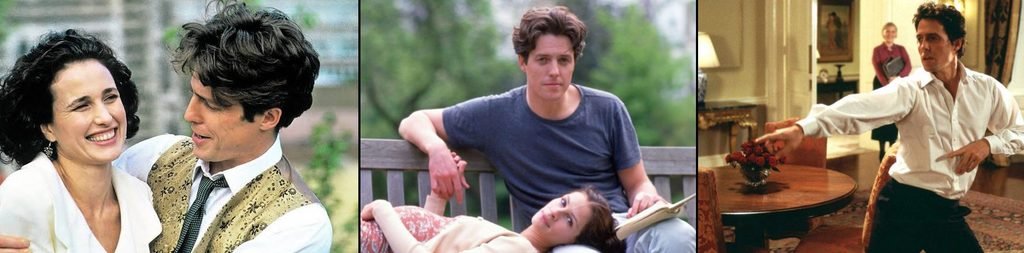
Grant's career had already begun to take shape long before he became an international romantic-comedy star. His early work included serious British productions, among them Maurice, the 1987 Merchant Ivory drama in which he played Clive Durham. The film won the Venice Film Festival's Volpi Cup for Best Actor, shared by James Wilby and Grant, and offered an early indication that his range extended well beyond the roles that would eventually make him famous. His breakthrough came with Four Weddings and a Funeral in 1994, a film that transformed him almost overnight into an international star. The performance earned him both a Golden Globe and a BAFTA, and Hollywood quickly recognized that his particular combination of nervousness, wit and charm could become a remarkably successful screen persona.
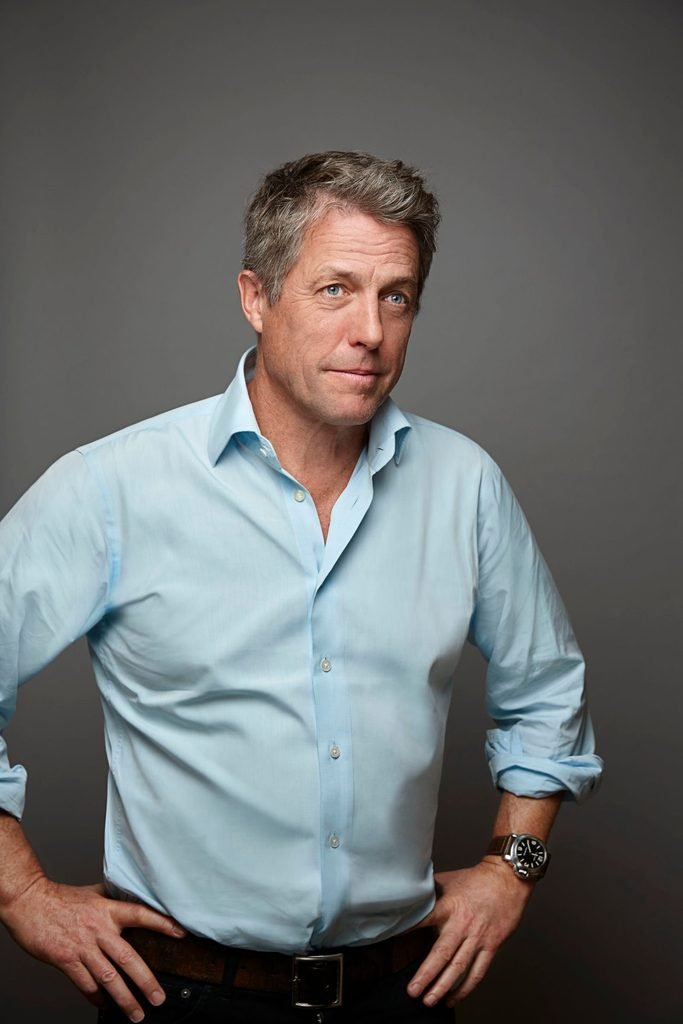
For several years, that persona was everywhere. Grant moved into Hollywood productions with Nine Months, returned to British romantic comedy with Notting Hill, and later played the charming but unreliable Daniel Cleaver in Bridget Jones's Diary. In About a Boy, he shifted the formula slightly, playing Will Freeman as a self-centered bachelor forced to confront the consequences of living entirely for himself. Later came Music and Lyrics and Did You Hear About the Morgans?, but by then the cycle was beginning to feel familiar. Grant had also become increasingly candid about the pressures surrounding acting and celebrity, including his own discomfort with the machinery of movie stardom. Rather than continuing indefinitely along the same path, he began taking fewer roles and allowing more distance between himself and the expectations that had followed his biggest successes.
What came next was not a dramatic reinvention announced with a single project. It happened gradually, through a series of increasingly unexpected choices. Cloud Atlas, released in 2012, was one of the clearest early signs. In the sprawling film, Grant played six characters, among them a grotesque cannibal chief, demonstrating just how far he was willing to move away from conventional leading-man territory. Four years later, Florence Foster Jenkins gave him one of his most substantial dramatic roles of the period. As St. Clair Bayfield, the devoted partner and manager of Meryl Streep's title character, Grant played a man whose charm was accompanied by loyalty, calculation and genuine emotional complexity. The performance earned him nominations from both the BAFTAs and the Screen Actors Guild.
The pattern continued, but the roles became increasingly difficult to categorize. In Paddington 2, Grant played Phoenix Buchanan, a vain and theatrical former actor whose obsession with performance became part of the joke. In television's A Very English Scandal, he took on Jeremy Thorpe, the British politician whose career was ultimately engulfed by a scandal involving his former lover, Norman Scott. The role earned Grant an Emmy nomination and placed him in a completely different dramatic world from the one that had made him famous. Then came The Undoing, in which he played Jonathan Fraser, a successful doctor whose apparently comfortable life begins to collapse after a murder. The series allowed Grant to use ambiguity as one of his most important tools: the audience was never quite sure whether Jonathan was the man they thought they knew or something much darker.
There was another chapter to Grant's life that had little to do with acting and became surprisingly important to his public identity. Following the British phone-hacking scandal and the wider debate over the conduct of the tabloid press, Grant became one of the most visible figures associated with the press-reform campaign Hacked Off. His involvement took him into the Leveson Inquiry, Parliament and courtrooms, where he spoke publicly about press practices and accountability. He also became known for using his celebrity to draw attention to issues surrounding media regulation. It was a remarkable change of setting for someone whose career had once been almost entirely associated with movie premieres and romantic comedies, but it also revealed another side of Grant's public life that had developed far from the screen.
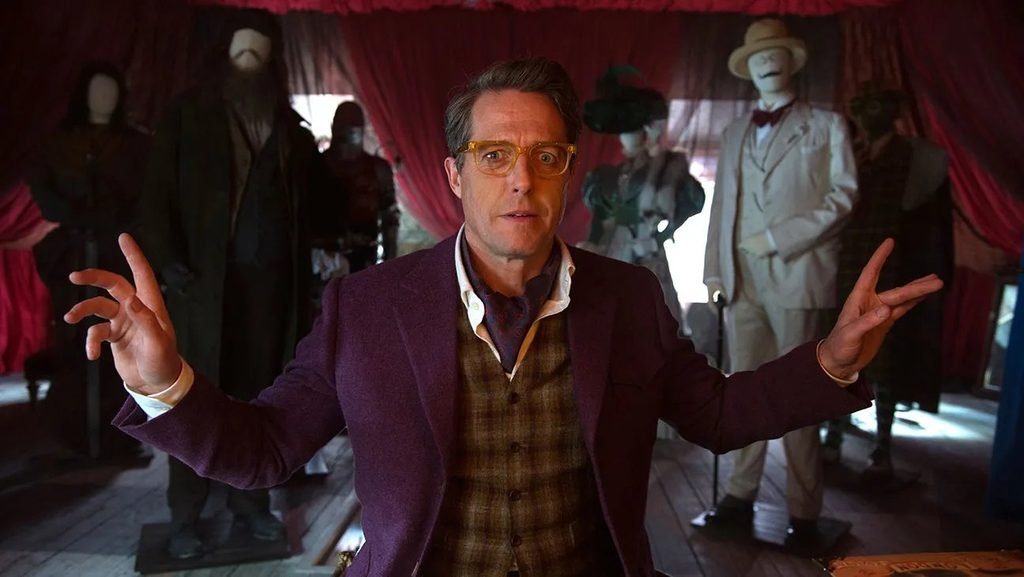
By the time he returned to some of his most prominent film roles, there was little reason to expect him to follow a predictable path. In Dungeons & Dragons: Honor Among Thieves, he played Forge Fitzwilliam, a charismatic con man whose charm was matched by his self-interest. In Wonka, he appeared as an Oompa-Loompa, turning up in a role so deliberately eccentric that the casting itself became part of the film's appeal. Then came Heretic, in which Grant played Mr. Reed, an apparently polite and intellectual man who gradually reveals a much more unsettling nature. The performance showed how effectively he could use restraint, humor and uncertainty without needing to dominate a film in the traditional leading-man sense.
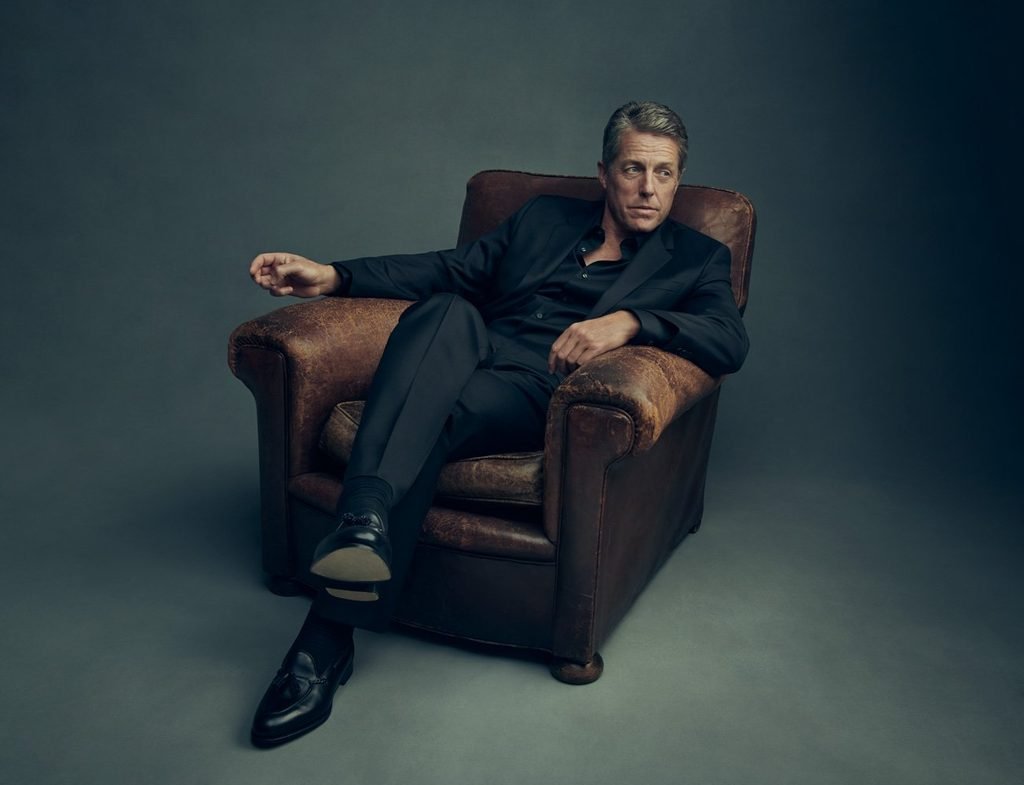
His public persona has evolved along with his acting career. In interviews, Grant has increasingly displayed a dry, self-aware sense of humor that often seems more revealing than the carefully managed celebrity persona associated with his early years. He has also become increasingly comfortable appearing in projects that play with his image rather than protect it. That willingness has allowed filmmakers to use qualities that once made him a romantic-comedy star in completely different ways, whether for comedy, menace, satire or dramatic ambiguity. The result is a career that now feels considerably less predictable than it did when his name was almost automatically associated with a certain kind of movie.
So where did Hugh Grant go? In a sense, he went everywhere his original success had made difficult. He stepped away from the expectation that every new role had to reinforce the image audiences already knew, spent years working in increasingly varied corners of film and television, became involved in an entirely separate public campaign, and eventually returned to major productions on his own terms. His career did not end when the romantic-comedy era faded. It simply became harder to summarize.
That may be the most revealing part of Hugh Grant's story. The actor who once seemed to represent a very specific kind of Hollywood stardom has spent the years since testing how many different things he can do with it. Some of those choices were serious, some strange, some comic and some deliberately uncomfortable. Together, they form a career that looks very different from the one audiences remember — not because Hugh Grant stopped being a movie star, but because he stopped needing every role to look like one.