Unlike DC, which had already tested the television waters since the 1950s, Marvel arrived on TV later and more hesitantly — but when it did, it brought along the same philosophy that defined it in the comics: layered heroes, not just empty action. The challenge was great, because the technology of the time could not yet faithfully translate powers as visual as those of its characters.
The initial idea was simple: to use television as a showcase, however modest, to introduce the general public to heroes who until then lived almost exclusively among loyal comic book readers. There was not yet any ambition to create a shared universe on TV — each series lived in isolation, testing the waters in its own way.
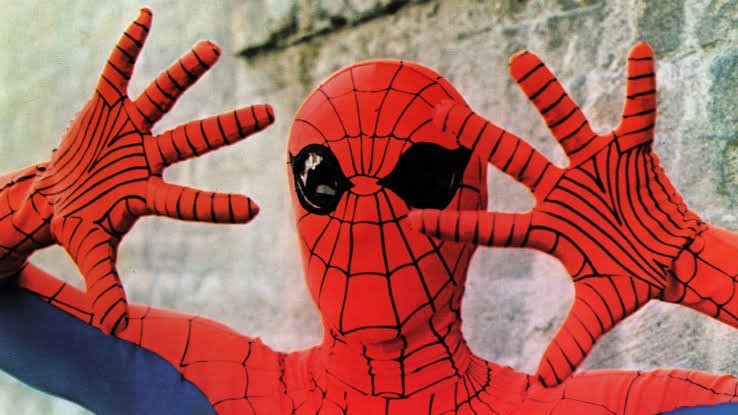
That was how The Incredible Hulk debuted in 1977, starring Bill Bixby and Lou Ferrigno, becoming Marvel’s most successful television adaptation of that generation, with a dramatic tone that moved away from the traditional action-hero format. Spider-Man gained its own series in 1977 as well, albeit with a more modest reception. In the 1990s, the animation Spider-Man and X-Men: The Animated Series, both from 1992, would mark an entire generation of fans, bringing stories more faithful to the original comics and introducing a young audience to complex concepts such as prejudice and identity, through the mutants.
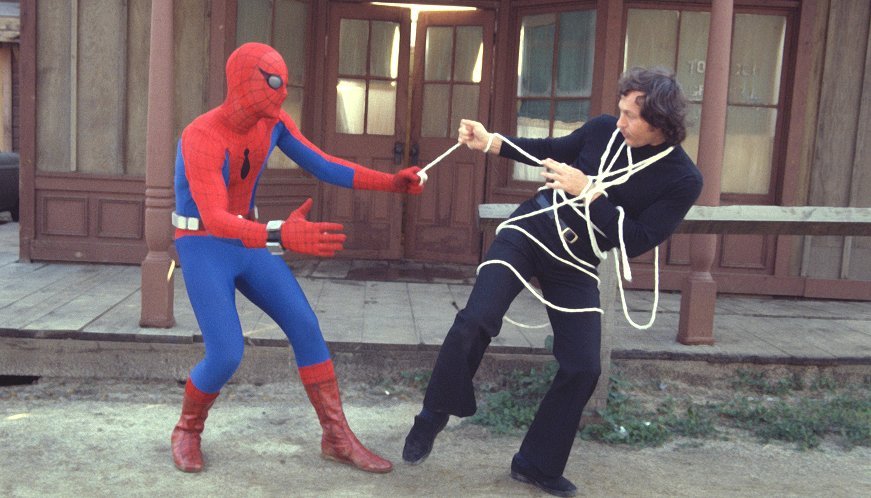
These series, scattered over decades and without any direct connection to one another, played a fundamental role: they kept Marvel’s heroes alive in popular culture even during periods when the publisher faced financial difficulties — ensuring that, when the right time came, the audience would already be ready to welcome them on an even larger scale.