The Mandalorian and Grogu Just Won Both Worlds — and That Settles the Theater vs. Streaming Debate
The movie industry spent 2026 split into two warring camps: those who believe nothing matters but the box office, and those who believe the box office no longer matters at all. The Mandalorian and Grogu just walked between them and collected a win from each — and, in the process, may have ended the argument. Jon Favreau's first Star Wars film opened in theaters on May 22 with a solid three-day domestic debut of $81.67 million, pushed past Memorial Day with roughly $98 million, and went on to gross approximately $346 million worldwide. Then, on September 2, Disney released it onto Disney+ — and the film logged 727 million minutes of U.S. viewing in its first four days on the platform, the second most-watched streaming movie of that week according to Nielsen. No other 2026 franchise property managed a respectable theatrical run and an instant streaming event. Supergirl died in the multiplex and was reborn on the couch. The Love Hypothesis never bothered to exist in a theater. Favreau's space adventure is the proof of concept that the so-called "double strike" isn't a fantasy — it's the new playbook, if you build something people want to line up to see and then gather around the living-room TV three months later.
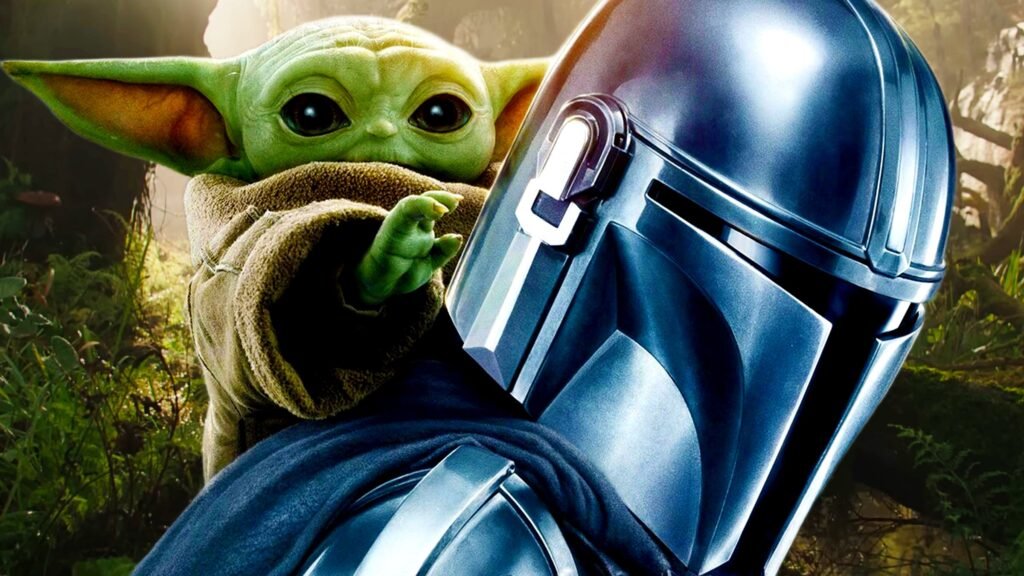
For the devoted Star Wars fandom, the film is an homage, not a betrayal. The space-western texture that made The Mandalorian a Disney+ phenomenon remains fully intact: a taciturn gunslinger in beskar armor, frontier worlds, bounties and confrontations — Sergio Leone's palette transposed to a galaxy far, far away. Favreau and his team anchor the film carefully in the post-Empire era: the fledgling New Republic recruits Din Djarin and Grogu to help secure a fragile peace against scattered Imperial warlords, and the lore deepens around Mandalorian culture, Grogu's nascent Force training, and a parade of welcome surprises — Sigourney Weaver as Colonel Ward, Jeremy Allen White voicing Rotta the Hutt, and even Martin Scorsese lending his voice to an alien fry cook (yes, really). What elevates the material to cinematic scale is the maturation of the father-and-son dynamic: as Favreau explained to StarWars.com, Grogu is no longer merely the child to be protected but an apprentice whom Din trusts with real responsibility — a coming-of-age arc that pays off with both epic action and quiet, devastating emotional beats. The critics' divide (60% on Rotten Tomatoes, a 53 Metacritic) mostly centered on the plot's episodic thinness; audiences, as usual, decided differently — an 86% approval and an A− CinemaScore. The devoted fanbase came, celebrated, and came back again.
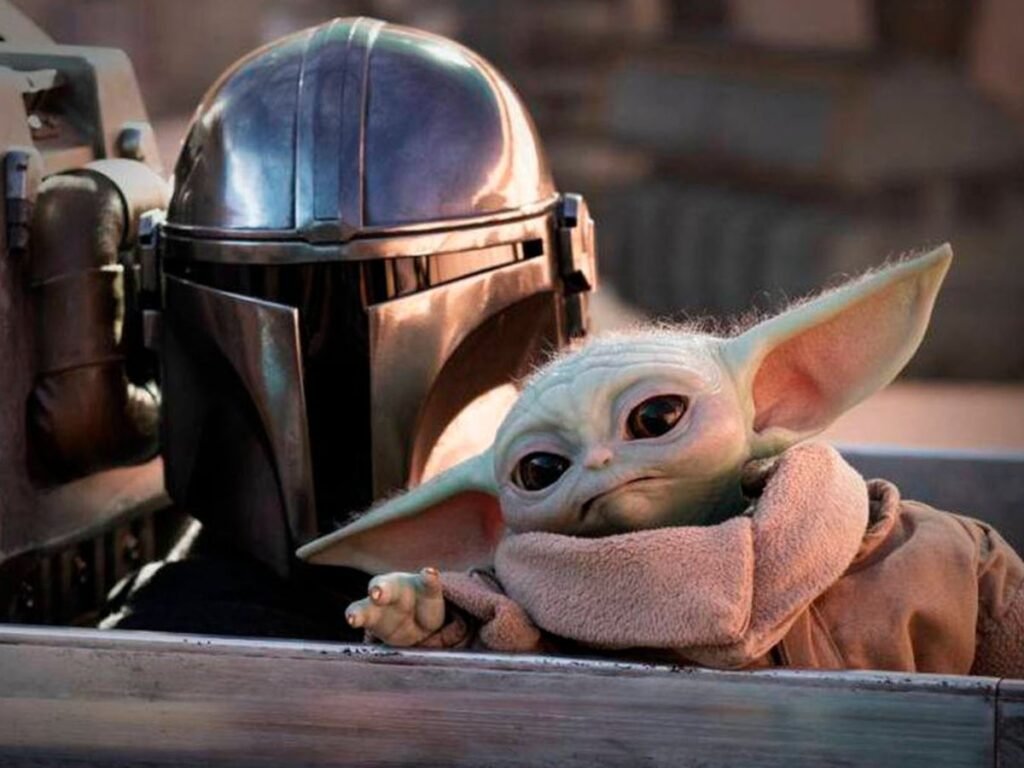
And here's the trick for everyone else: the film works completely independently, because it was designed to. Favreau has said repeatedly that he wanted the movie to work for viewers who never watched a single episode — and he delivered. You don't need to have seen seven seasons of Disney+ series or own a decades-deep timeline of galactic history to be moved. What you get is a vibrant, self-contained space adventure in the A New Hope tradition: a hero and a child against a fractured empire, starship chases, lightsaber-crisp action, a clear good-versus-evil spine, and humor that lands for kids without insulting adults. It's the kind of franchise reintroduction studios keep promising and rarely delivering — a clean entry point that treats decades of lore as seasoning rather than a prerequisite. For the couch audience, it isn't homework. It's just a great Friday night.
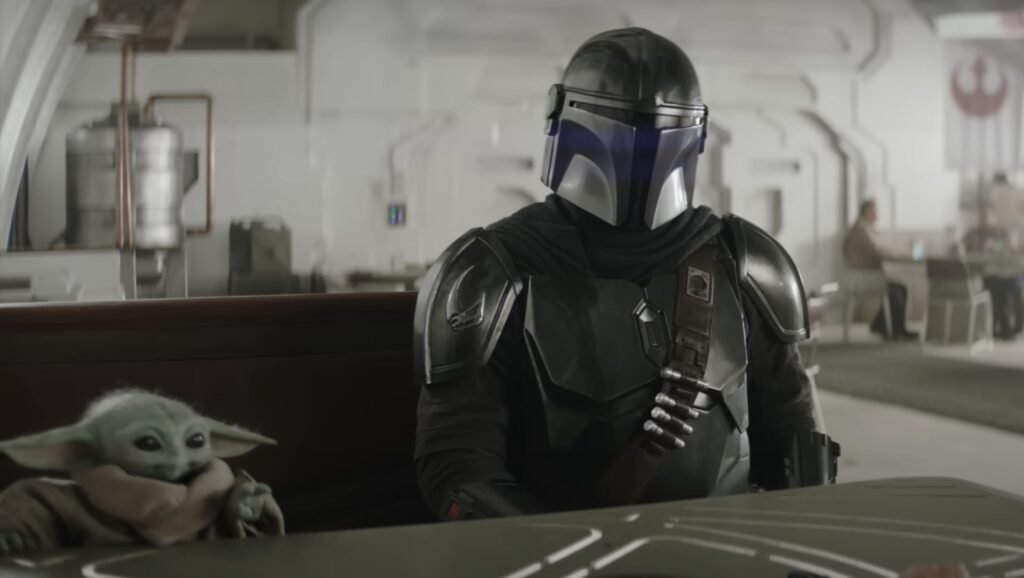
The industry impact is the thesis executives should frame. The Mandalorian and Grogu's roughly $346 million gross — the most modest theatrical run in Star Wars history — would have been deemed a flop in the 2015 era, when a Star Wars film needed to cross a billion dollars to be declared a win. It's now clear that isn't how this franchise's audience behaves: they split their loyalty between the theater and the living room, and Disney just demonstrated it can profit from both. The theatrical run was the event; the streaming debut was the celebration — a cultural encore, not a replacement. Nielsen's 727 million minutes capture something the box office never could: people who had probably already seen it, rewatching together at home, turning a movie release into an ongoing fandom ritual.
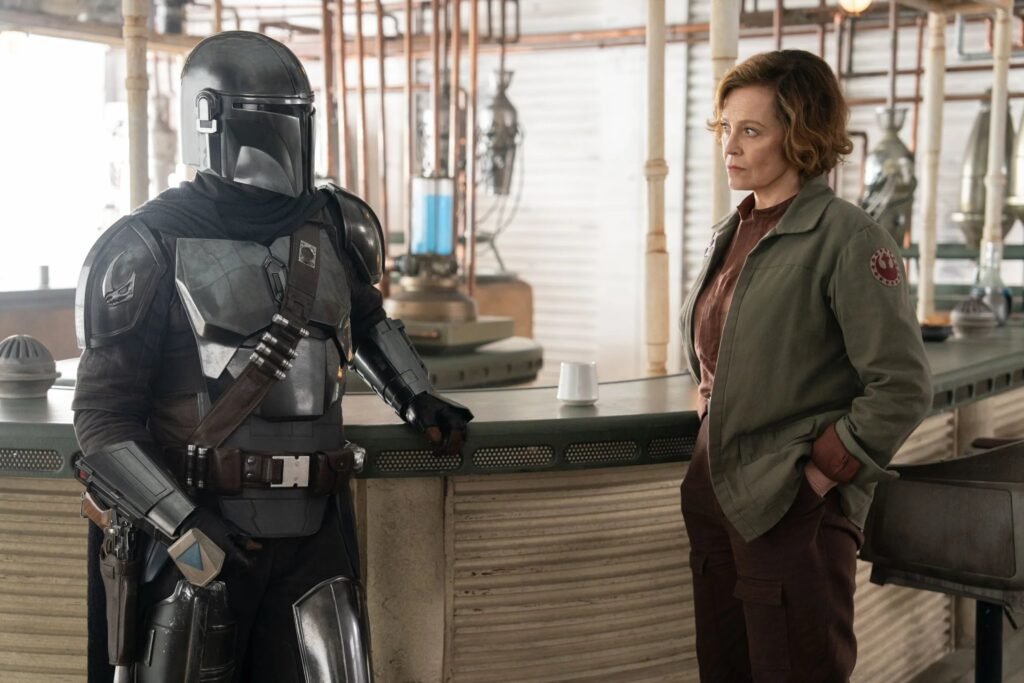
There's a lovely symmetry in how this chapter closes. A story about a lonely warrior learning to trust, and a foundling finding a home, ended its run by doing exactly that — coming home to millions of living rooms, where Star Wars families actually live. Studios have spent a decade asking whether the big screen and the small screen are rivals. Din and Grogu just answered: they're family. And the franchise that figured that out first may have just figured out how to survive in both.