The Cold War Catalyst: Why ‘Mayday’ Just Shattered Streaming Records for Apple TV+
There is a specific kind of silence that only exists in the two seconds after a jet goes down — the hiss of dying turbines, the crackle of a radio that no longer answers, the sudden weight of enemy territory pressing in from all sides. "Mayday" opens that cockpit door and shoves you through it. When Ryan Reynolds's Lieutenant Troy "Assassin" Kelly is shot out of the Cold War sky and stranded deep in Soviet Russia, the film wastes no time on backstory; it starts the countdown and dares the audience to look away. Every frame hums with the old-school urgency of the survival thriller — the stolen truck, the close-call checkpoints, the 1960s machinery of a surveillance state grinding after one very loud American. And then the film turns, as the best of them always do, and reveals that its real engine was never the chase. It was the man chasing him — or rather, the man who found him first.
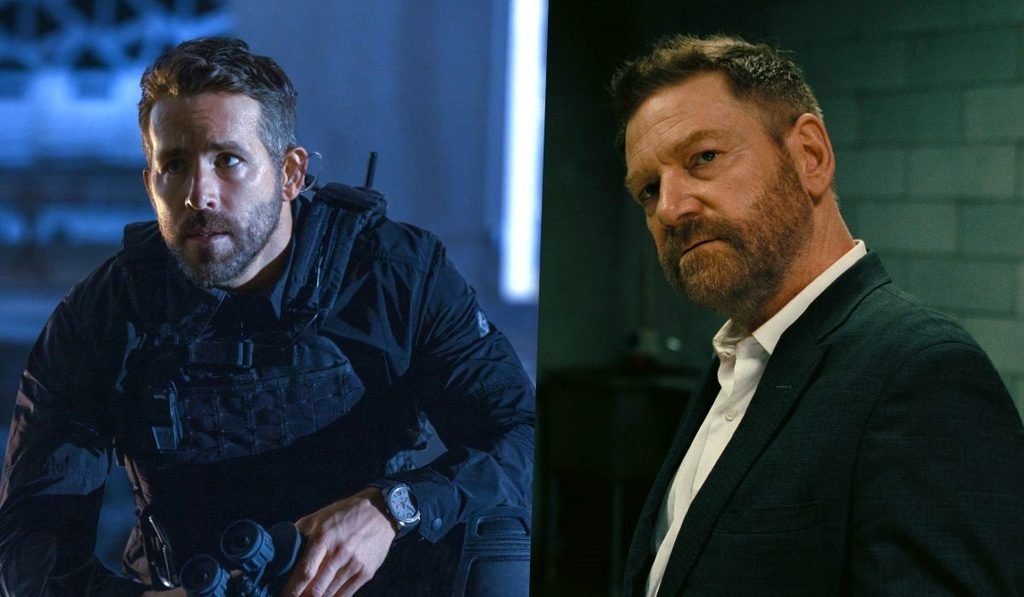
Kenneth Branagh's Nikolai Ustinov is the masterstroke here: a gruff, unpredictable former KGB agent with a genuinely unexpected soft spot whose fondness for American culture runs impossibly deep. The film's central joke — and its soul — is the collision between Reynolds's bulletproof sarcasm, deployed like a flak jacket for a man who has never let anyone past the armor, and Branagh's plainspoken, wooded gravity. Daley and Goldstein, fresh off sharpening this exact blend in "Game Night" and "Dungeons & Dragons: Honor Among Thieves," stage their chemistry as a duel of mismatched rhythms — quicksilver banter against granite deadpan — and somewhere between the bickering and the bullets, the alliance turns real. The kicker is almost too poetic: an ex-KGB agent whohelped worships "Top Gun" now risking his life to save the flesh-and-blood version of that American fantasy, telling himself the pilot he's dragging to safety is a kind of hero. It's buddy-cop DNA grafted onto Cold War bone structure, and it sings.
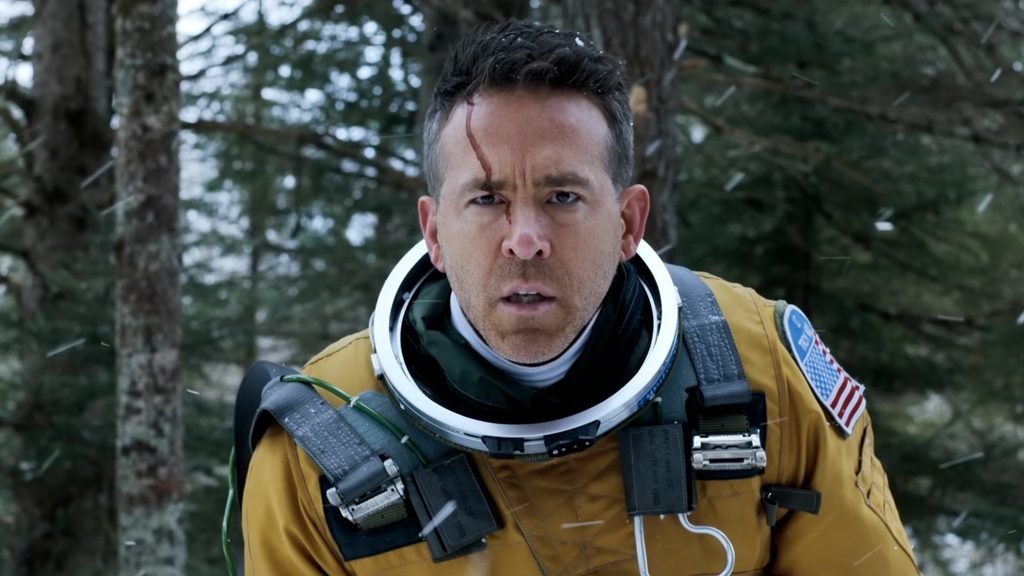
And audiences turned up for it in numbers that made this September the loudest month in the service's history. "Mayday" premiered September 4 as the No. 1 film on Apple TV and never really let go: Luminate counted 8.7 million U.S. views in its first week, Nielsen logged 295 million minutes for the week of September 7–13, and Apple went further, crediting the film with the biggest movie debut in the platform's history across its first 18 days — an estimated 12 million viewers by analyst Ted Linhart's count. Apple even declared its biggest weekly viewership week ever in mid-September, a 67% surge, with "Mayday" as its centerpiece. Most telling of all: as of this week, the film still sits at No. 1 on the U.S. Apple TV movie chart every single day from September 28 through October 2 — nearly a month after release, outlasting releases that had every right to bury it. This on a service that had never launched a film with this kind of star wattage at this scale.
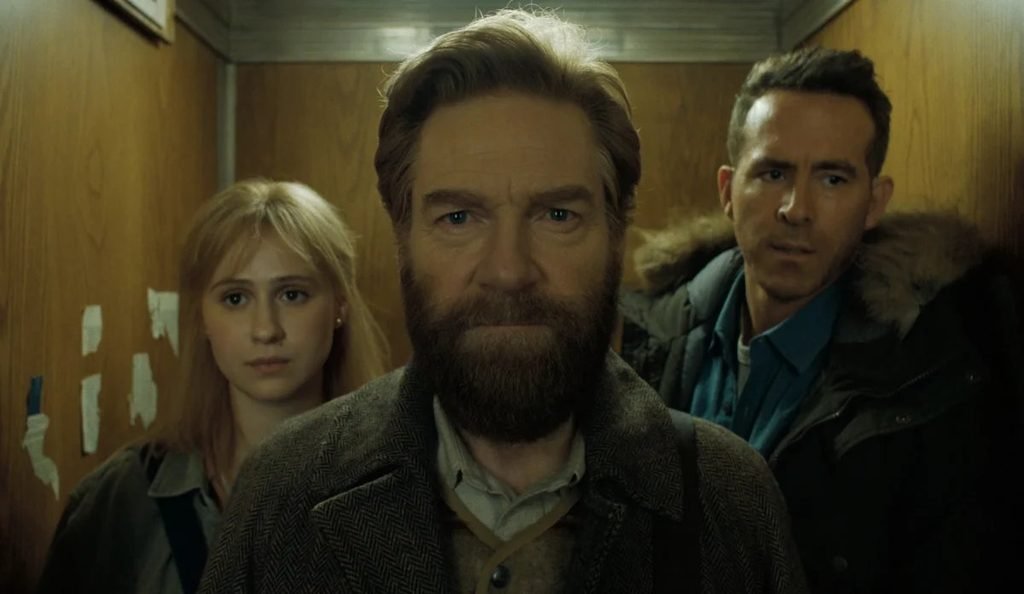
Because that's what this film represents: the star vehicle as dinosaur, resurrected. Movie theaters spent the post-pandemic years exiling the mid-budget adult action film — the one that isn't a superhero tentpole or a prestige drama — and direct-to-streaming obliged, killing the ritual of buying a ticket. Apple's bet inverts that: make the star-powered, grown-up, Completely-Friday-night movie terrain of a monthly subscription instead of a $18 ticket. Reynolds at his crowd-pleasing peak IS that concept — a movie star whose brand is charisma itself — while Branagh headlining signals the kind of smart-audience action Hollywood forgoes. That the story is set in the Cold War feels less like nostalgia and more like appetite: an era when the enemies were clear, the lines were bright, and two men on opposite sides of history could still, believably, find common ground. "Mayday" isn't revisionist about the era; it's just fluent in the fantasy language America speaks in its sleep.
So the last image lands like a held breath released: two men who were never supposed to exist in the same story — the American ace and the Soviet shadow — standing on the same ground, having traded novels and mutual disbelief and, eventually, trust. The enemies-to-allies arc is as old as Hollywood itself, but "Mayday" earns its warmth the honest way, through the grudging accumulation of small mercies rather than montage. Coming out of 2026's anxious cultural moment, that catharsis feels less like escapism and more like a deep exhale: proof that the Madison Avenue movie machinery still knows how to deliver the old promise — bigger than real life, driven by two faces you'd recognize in the dark. For a service best known for quiet prestige, the party-crashers from 1962 just built the biggest tent of the fall — and America RSVP'd in the millions, on the night of the week when everyone's finally home from work.