The Incredible Hulk: How Lou Ferrigno Forged a Life of Resilience, Legacy, and Unyielding Grace
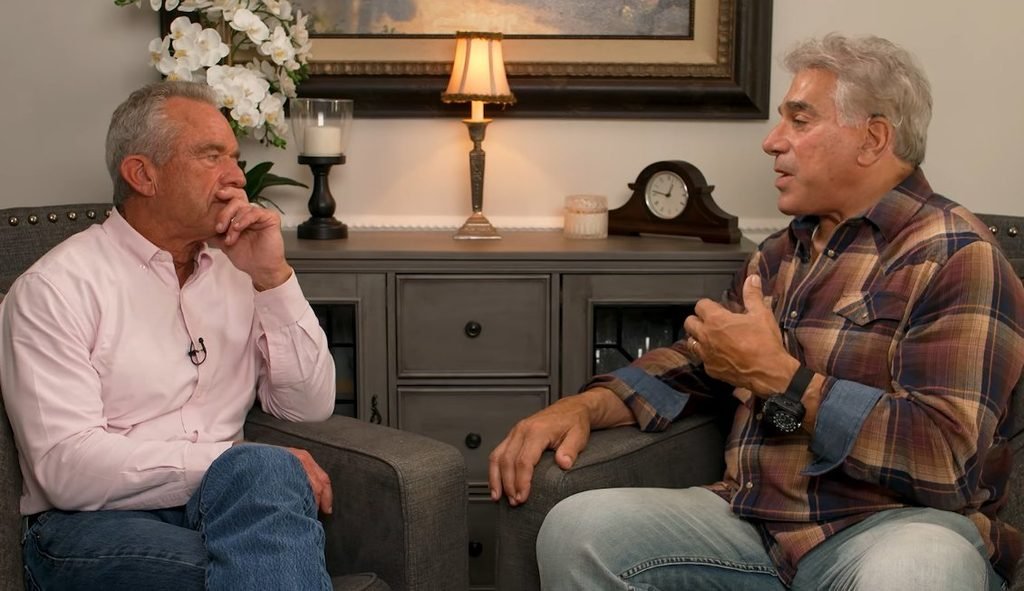
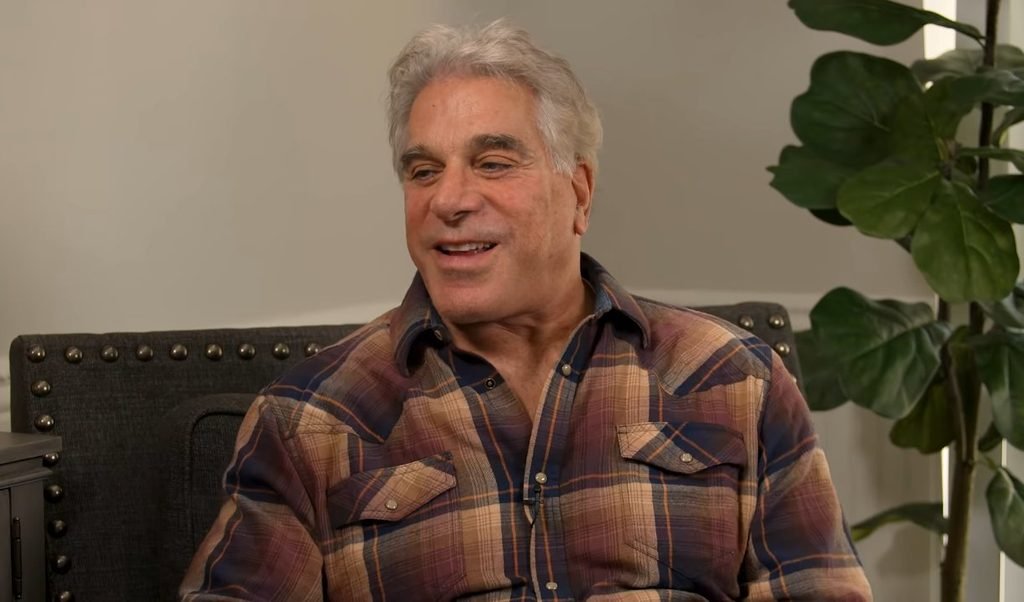
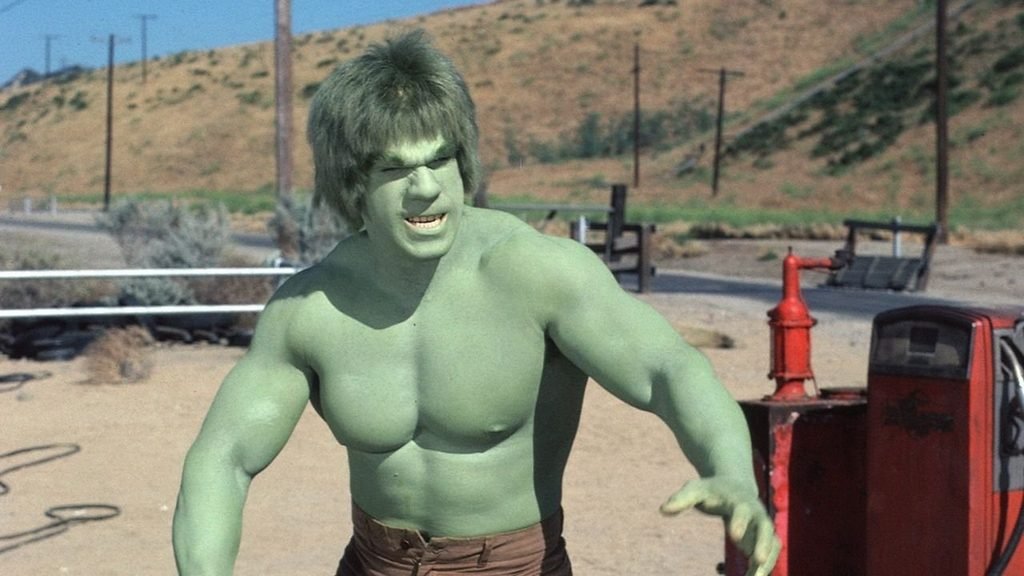
There are few images in pop culture as instantly recognizable as the towering, jade-hued silhouette of the Incredible Hulk crashing through a television screen in the late 1970s. Behind that primordial roar was not just CGI—which did not yet exist for weekly television—but the pure, sculpted humanity of Lou Ferrigno. Decades after stepping away from the competitive bodybuilding stage that made him a global phenomenon, Ferrigno remains a towering figure in every sense of the word. Sitting down for a candid conversation on the Segarra Kennedy podcast, the legendary icon reveals a narrative far more compelling than muscle fiber and silver screens: a masterclass in turning profound personal adversity into unbreakable armor.
Long before he was immortalized as comic books brought to life, Ferrigno’s world was shaped by silence and struggle. Stricken with a severe ear infection around six months of age, he suffered profound hearing loss by age three, spending his formative years relying on hearing aids and navigating a severe speech impediment. In an era before modern assistive technology offered widespread empathy or understanding, the isolation could have easily defined him. Instead, young Ferrigno found an unlikely sanctuary in the pages of comic books, escaping into the boundless power of his imagination and looking up at gods carved from marble.
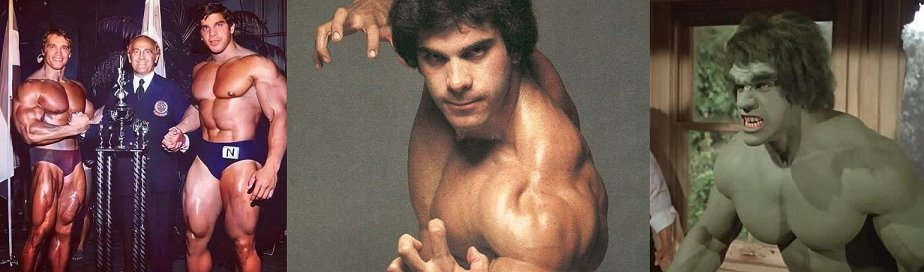
When he discovered legendary physique icon Steve Reeves pulling down pillars as Hercules on the big screen, the path forward became blindingly clear. Ferrigno did not just want to look strong; he needed to feel invincible.
That inner fire propelled him into a sport where giants were born. In an era when competitive bodybuilding was dominated by competitors standing under six feet tall, Ferrigno smashed through the psychological and physical ceiling by standing proudly over six feet tall. At just twenty-one years old, he captured the Mr. Universe title, etching his name into the Guinness Book of World Records as the youngest competitor ever to do so.
Yet, the golden era of bodybuilding was defined by more than just trophies—it was built on an intense, communal camaraderie. Reflecting on his decades of training at the Mecca of Bodybuilding, Gold's Gym in Venice, California, Ferrigno paints a picture of an era when athletes trained barefoot in simple shorts, eager to share their progress and build one another up. He notes a bittersweet contrast with modern gym culture, where headphones and hoodies often isolate individuals in a sea of solitary focus. For Ferrigno, the iron was never just about aesthetics; it was a communal language of survival.
That survival instinct was forged in the crucible of a difficult childhood. Growing up under the heavy shadow of a demanding father—an NYPD cop who struggled to accept a son who did not fit his rigid expectations—Ferrigno carried a profound burden. Rather than letting that rejection break him, he channeled the pain into the gym. Every repetition was a declaration of self-worth, a quiet vow that nobody would ever break him down again. It is a profound irony of life that Ferrigno would later become a father to a chief of police, sharing a generational understanding of discipline, duty, and the complex weight of paternal expectation.
When the landmark 1977 documentary Pumping Iron catapulted him and rival Arnold Schwarzenegger into international superstardom, Ferrigno’s career pivoted from the gym to the soundstage. Portraying the Hulk alongside Bill Bixby offered him a historic platform, leading to over fifty film and television appearances.
Yet, the pull of the iron never truly fades. In a move that stunned the fitness world, Ferrigno laced up his posing trunks at age forty-two—seventeen years after stepping away from competition—to step back onto the Mr. Olympia stage at a staggering 325 pounds. It was not about reclaiming past glory; it was a testament to his core philosophy that chronological age is merely a psychological barrier. By proving that passion has no expiration date, he redefined what longevity looks like in professional sports.
Approaching seventy-five, Ferrigno speaks not with the exhaustion of a man who has battered his body for half a century, but with the serene clarity of a sage. Modern medicine, advanced nutrition, and a lifelong commitment to clean, natural eating have replaced the reckless habits of youth. But more importantly, he has successfully conquered the internal demons that consumed his own father.
Reflecting on a life defined by heavy weights and heavy expectations, Ferrigno arrives at a conclusion far more powerful than any championship title. True strength is not found in the circumference of a bicep or the roar of a television audience, but in the quiet cultivation of inner peace. By letting go of anger and refusing to carry the generational weight of bitterness, he has transformed his trauma into triumph. Today, Lou Ferrigno stands not merely as an icon of physical perfection, but as a living monument to the enduring power of the human spirit.