Tequila Sunrise: The Movie That Bottled A Los Angeles Sunset
There's a particular shade of orange that Los Angeles wears only at the very end of the day, when the smog and the ocean haze catch the last light and hold it there for a few minutes longer than seems fair. That color is the real subject of Tequila Sunrise, the 1988 crime romance that opened in theaters on December 2nd of that year and quietly became one of the biggest hits of the season, even as critics argued over whether it actually worked as a movie.
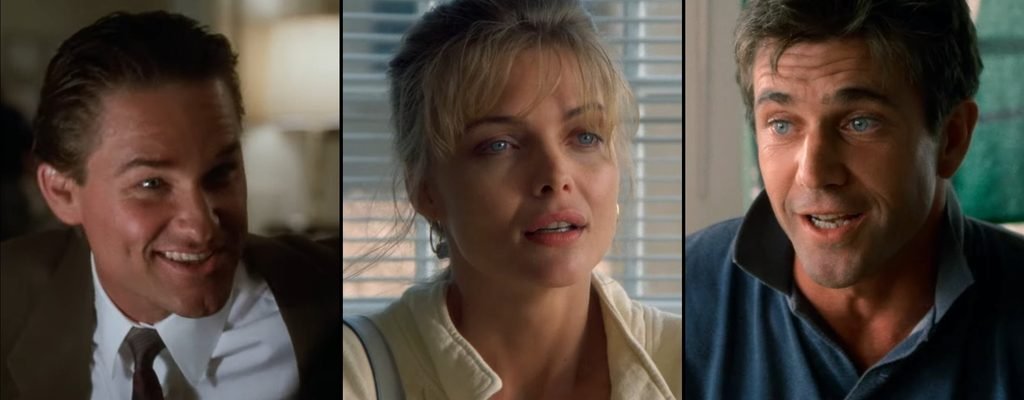
Robert Towne wrote and directed it, and by then he already carried the reputation of a man who could write dialogue people actually wanted to listen to — the same instinct that had made Chinatown essential more than a decade earlier. In Tequila Sunrise, that instinct shows up as easy, unforced talk between people who clearly have history: Mac (Mel Gibson), a former drug dealer trying, maybe sincerely, to go straight; Nick (Kurt Russell), the childhood best friend who's now the cop assigned to bring him down; and Jo Ann (Michelle Pfeiffer), the restaurateur both men fall for. Kurt Russell, looking back on the film years later, described Jo Ann as the glue holding the whole triangle together — not a side character, but the hinge the entire story swings on.
What makes the film linger, though, isn't really the plot. It's the light. Cinematographer Conrad Hall had spent much of the 1960s surfing at Hermosa Beach, long before anyone thought to point a camera at that stretch of coast for a studio picture, and he knew exactly what that particular haze off the Pacific did to late-afternoon sun. He wanted audiences to feel the glow the beach itself produces, not just see a sunset on a screen. One shot in particular — a swing set glowing at twilight in a park — became something cinematographers still ask him about decades later: the swing set was portable, and the crew physically moved it, night after night, chasing the exact spot where the setting sun would hit it right.
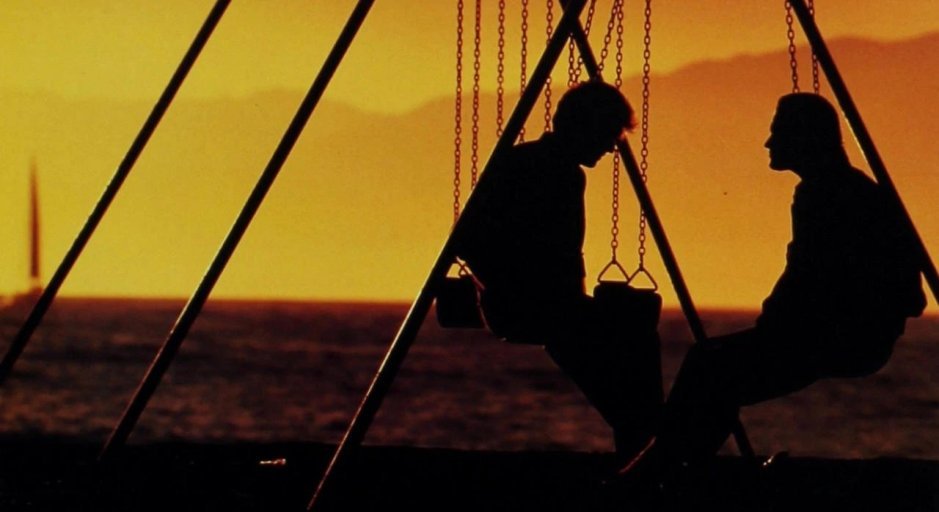
That obsession paid off before the reviews even landed. On the same day the film opened, the Washington Post ran a piece calling it the sexiest, most intelligent Hollywood movie in a long time, with a headline built entirely around that same dazzle Hall had gone looking for. Not every critic agreed — plenty found the plot overstuffed and the ending unsatisfying — but audiences didn't care much either way. On a budget of roughly $20 million, Tequila Sunrise pulled in over $105 million worldwide, and Hall walked away with an Oscar nomination for cinematography.
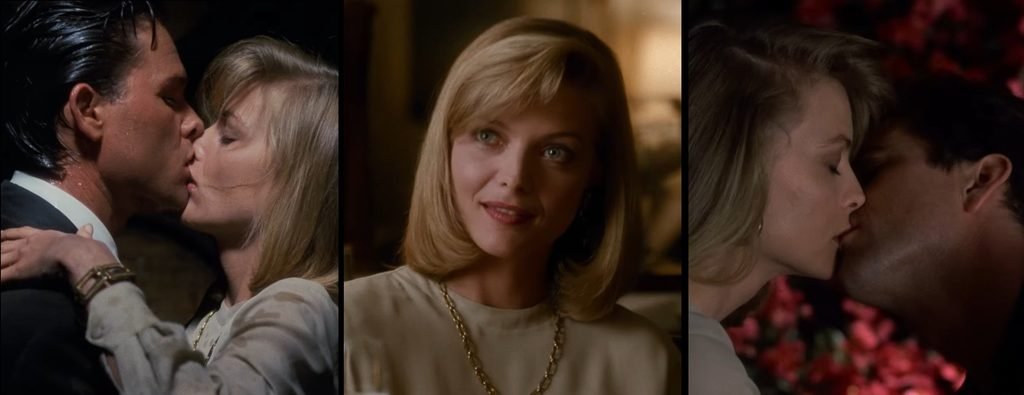
That's really the reason it still holds up. Strip away the drug-deal plotting and the double-crosses, and what's left is a movie that's essentially a love letter to a very specific, very golden version of Los Angeles — one so effective that people watching it today still say the same thing: that it makes them want to move there, eat at that restaurant, live next to that beach. Nobody says that about the twists. They say it about the light.
Watch it again on a hot afternoon, right around the hour when the sky starts to change color, and you'll understand exactly what Conrad Hall was chasing with that portable swing set — and why, more than thirty-five years later, audiences are still chasing it too.