Maid to Order: The 1987 Fairy Tale That Erased Its Heroine
Inside Ally Sheedy's strangest film
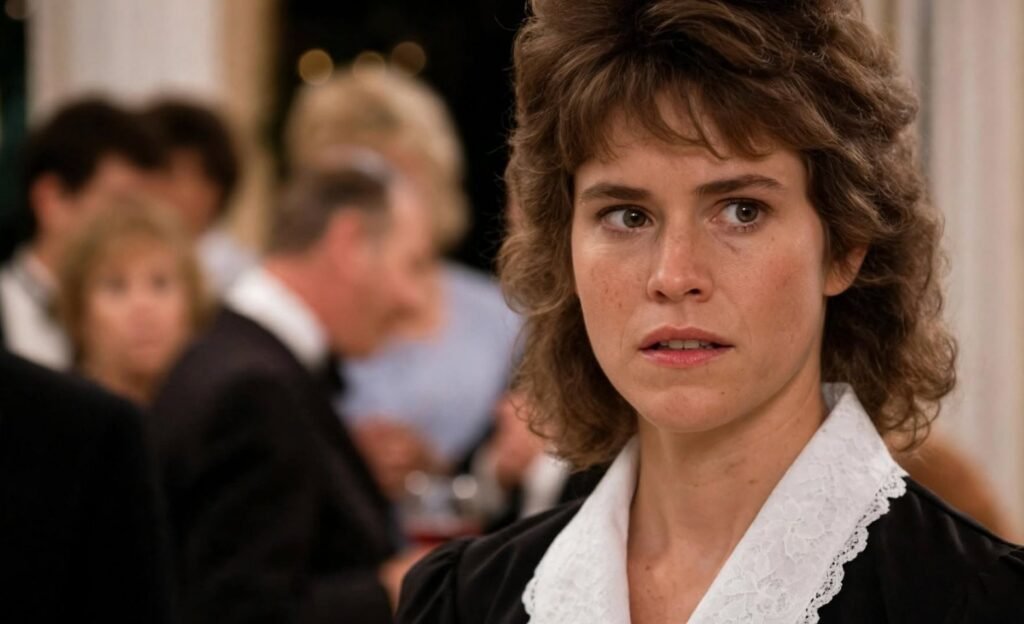
Once upon a time… That is how Maid to Order begins — the words printed across the opening credits. It's the film's first small trick, because what follows is less a fairy tale than a nightmare with good lighting. A widowed father, worn down by a daughter who has never once been told no, says out loud that he wishes he'd never had one. Outside, a star falls. Just like that, Jessie Montgomery — hard-partying, unbothered, twenty-five and going nowhere slowly — no longer exists for anyone who ever knew her.
A Cinderella story running backward
That the erasure is ordered up by a man, in a movie co-written and directed by a woman, is a joke the film never pauses to notice. Amy Holden Jones had made the micro-budget Love Letters in 1983, and Maid to Order was her step up to a studio scale, scripted with Perry and Randy Howze and scored by Georges Delerue. She built the whole thing on a single reversal — the slipper goes on backward, and the princess is the one who has to earn her way back into the house.
Two weeks before it reached regular theaters, the film was already making the rounds. The trades of the day reported that the Starlight Foundation would host three premiere benefit screenings: July 17, 1987, at the Academy in Los Angeles, then Boston on the 21st and New York on the 22nd. The official Los Angeles opening came on July 31 through the Vista Organization; New York followed on August 28. What survives of those nights is the schedule, but it is enough to picture a small movie being walked, city by city, toward the people who might love it.

The wish that deleted her
What they would have seen is stranger than the poster promised. Jessie goes home and nobody recognizes her: not her father, not the servants, not even the family dog. The girls she partied with shove her away as if she were a stranger. It is played for comedy, but sit with it for a second. The entire engine of the film is the fear of being forgotten by the people who were supposed to be stuck with you.
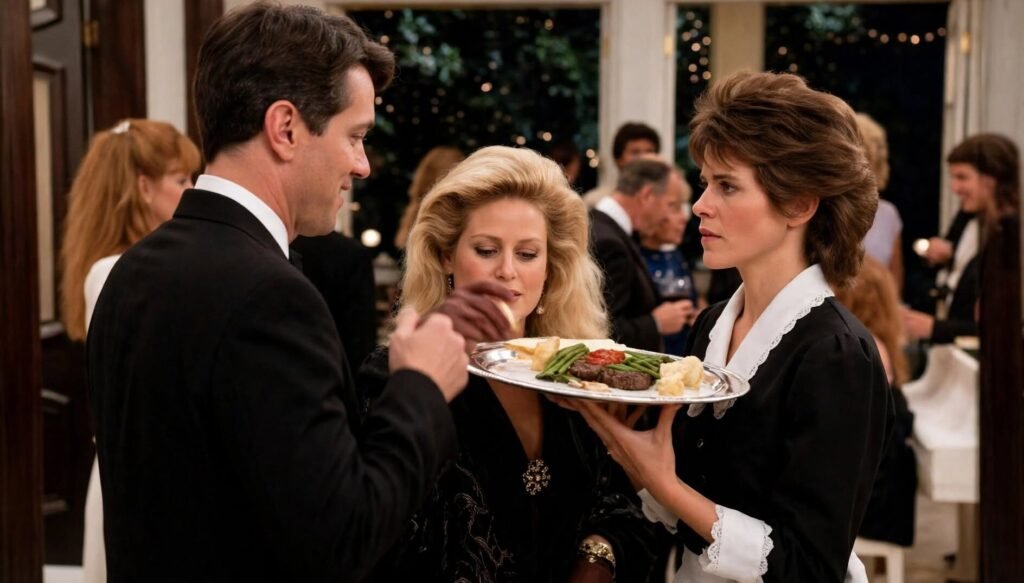
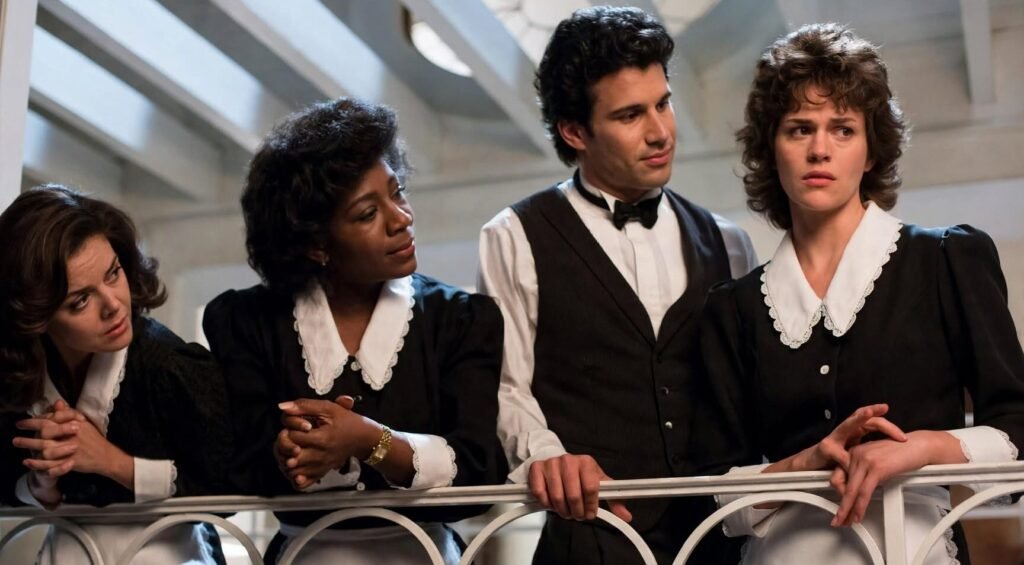
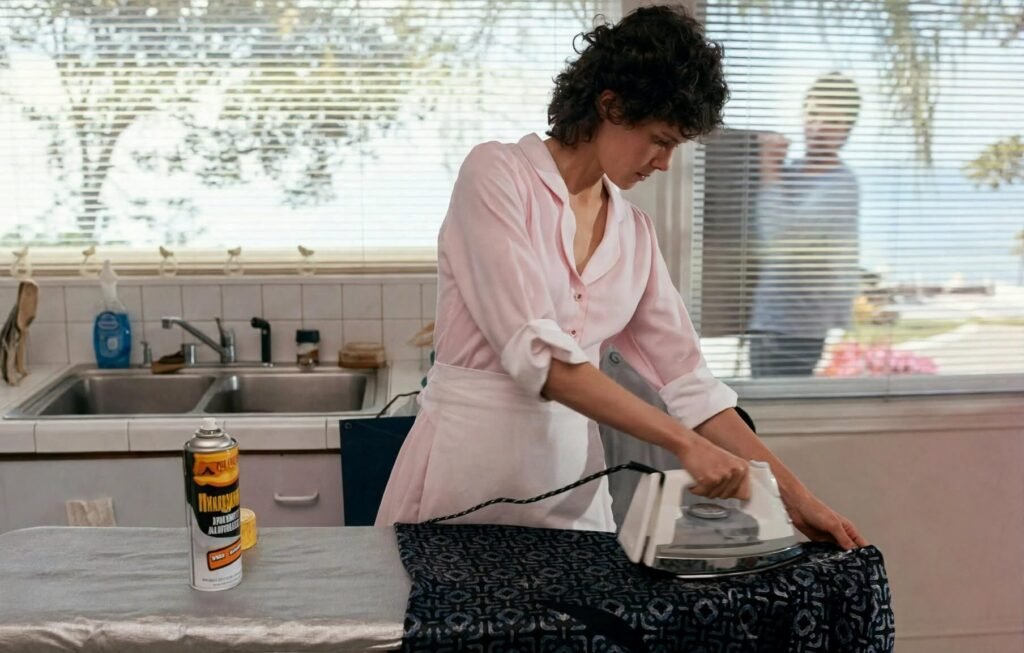
So Jessie does what Cinderella never had to do: she goes down the ladder. She lands a job as a live-in maid for the Starkeys, lottery winners in Malibu desperate to break into the music business. They are played by Valerie Perrine and Dick Shawn — Shawn's final screen role, filmed before his death on April 17, 1987, four months before the movie opened. Her fairy godmother, Stella (Beverly D'Angelo), is no sweet dispenser of ball gowns. Her philosophy fits in one line: some maids deserve to be princesses, and some princesses deserve to be maids. The film gave Jessie a Walkman, too. She finally buys one so she has music while she scrubs bathrooms. If you were alive in 1987, you know exactly what that little gadget meant.
The kitchen scene that redeems it
The heart of the movie lives in the kitchen. Merry Clayton plays Audrey, a cook and former singer, and performs an Ashford & Simpson song called "I Can Still Shine" — nearly two decades after her voice tore through "Gimme Shelter." That is the moment the film stops being a lesson for a brat and becomes about someone else's second chance.
What the reviews missed
The reviews were mostly unkind. Roger Ebert found it too easy to see the big moments coming and thought Sheedy simply exuded too much good feeling to be a believable monster, joking that the leads should have been swapped — Beverly D'Angelo for rich bitch, Ally Sheedy for fairy godmother, paraphrasing a line of Jack Warner's. Janet Maslin, in The New York Times, was warmer, praising Sheedy's petulance and "an air of faint distaste for her surroundings." The Los Angeles Times went the other way entirely, calling it "one of the summer's keenest delights." The film's own star seems to have sensed trouble early. The IMDb trivia page says Sheedy took her mother to a pre-release screening at the Directors Guild in Los Angeles, and that her mother whispered, "You're better than the script." It went on to gross just under $10 million.
The song with no album
But movies like this don't live in theaters for long. They live on tape. The film reached VHS in the late '80s and again in the early '90s, and finally surfaced on a bare-bones, full-screen DVD from Artisan in 2002. Then came the strangest part of its afterlife: on a fan message board, people who loved the film kept asking where they could find "I Can Still Shine," and the answer was that the DVD was the only place to hear it. A song with no album, kept alive by people who refused to let it go.
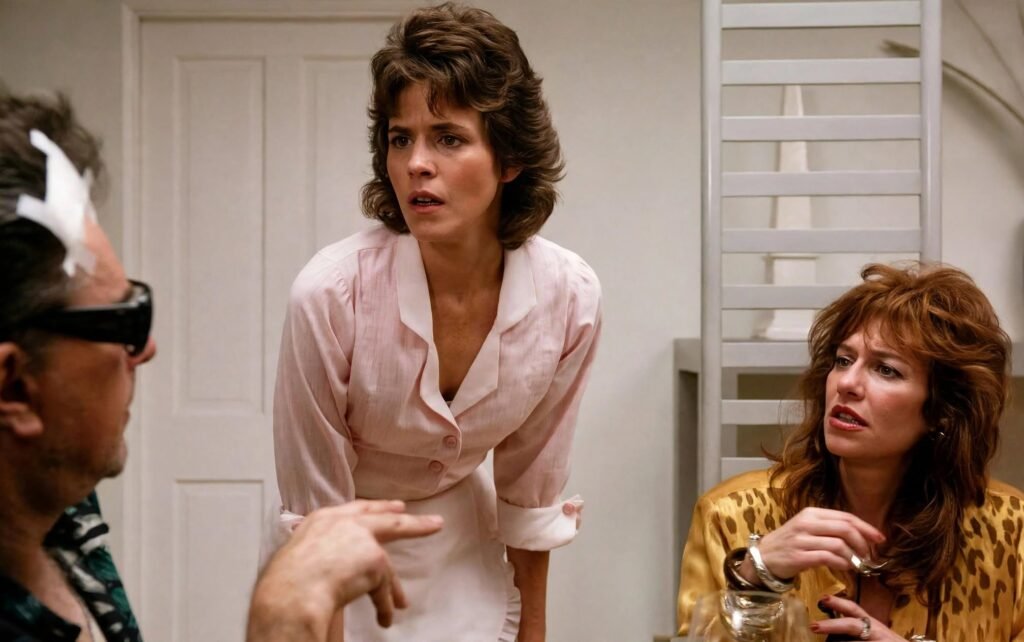
Maybe that is what Maid to Order really is: a film about being erased that ended up half-forgotten itself. The ending lifts the wish and her father knows her again, but she stays in the house in her maid uniform and goes back to Nick. Her old life returns, and she chooses the other one.
If you've seen it, you probably remember the star falling outside that window before anything else. Send this to the person you first watched it with, and ask if they remember the song.