Jack McPhee: The Boy Who Came Out on Capeside
Twenty-eight years after Jack McPhee first walked the halls of Capeside High, Kerr Smith opens the book on the role that changed the conversation — and the man who played it
Kerr Smith still remembers the quiet. Not the noise outside the set — there was plenty of that — but the stillness on the day the camera rolled, and a young man leaned in to kiss another young man on American network television.
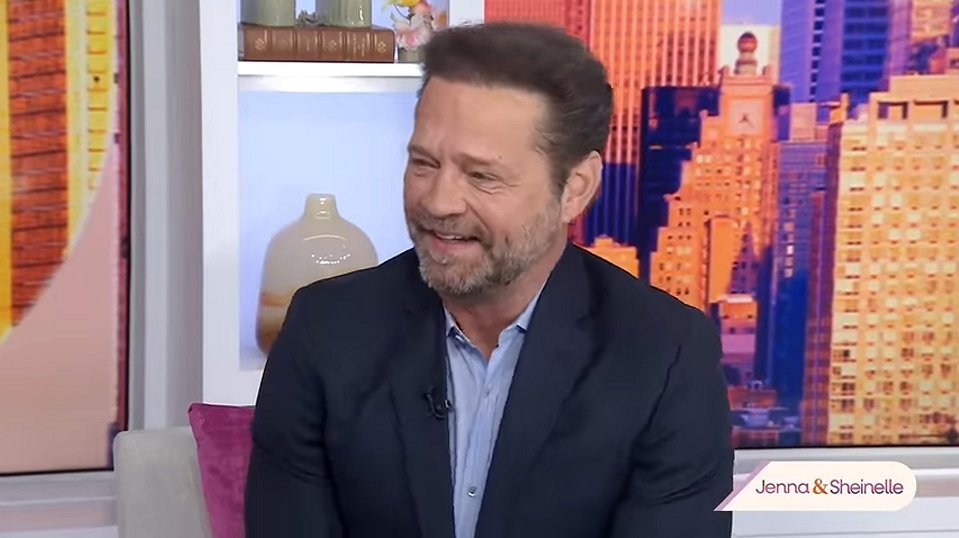
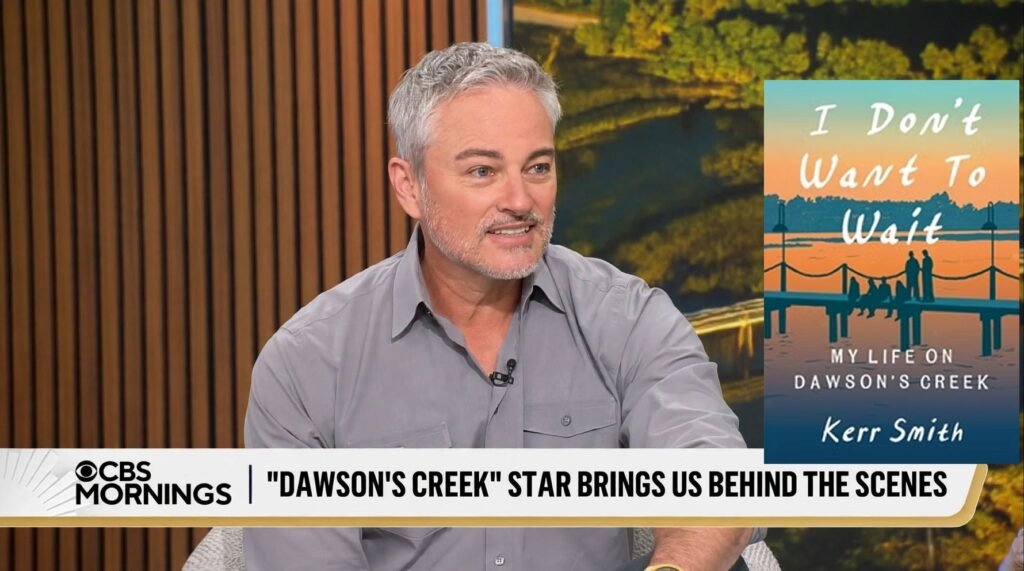
Smith, now in his mid-fifties, appeared on a morning broadcast this week to discuss the publication of his memoir, I Don't Want to Wait: My Life on Dawson's Creek, and to explain, with the easy candor of someone who has had 28 years to think it over, why a teen drama that premiered in 1998 keeps finding new audiences in a world that has changed beyond recognition.
The answer, he suggested, is that the show's pull is not merely nostalgic. "The themes are universal," he said — growing up, figuring out who you are, surviving the gap between the person you seem to be and the person you're still becoming. What has shifted is the audience. Viewers who were not yet born when the series ended are now discovering it on streaming, drawn less by the promise of a time capsule than by the recognition that the ache at the center of these stories has not aged at all.
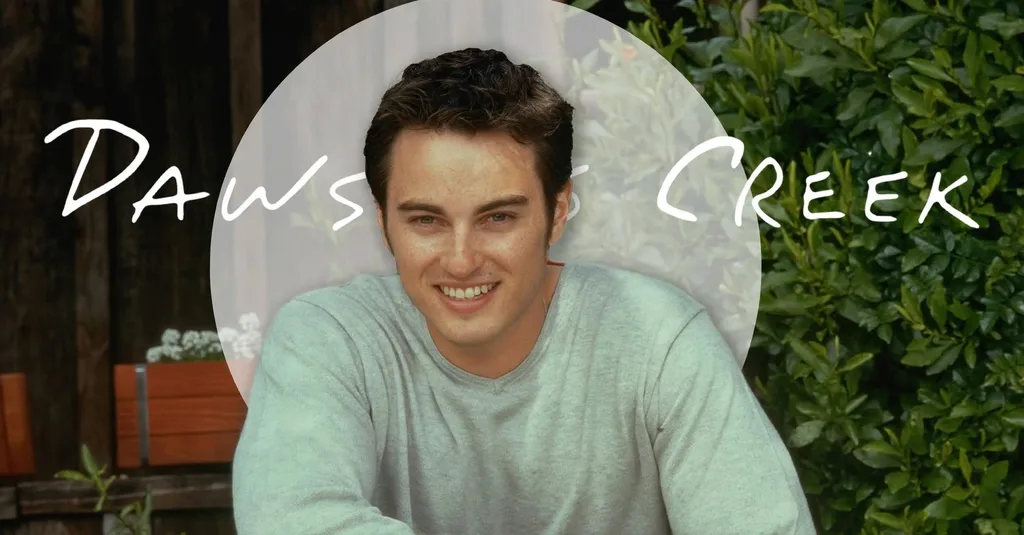
The book's title, borrowed from the show's theme song, has come to mean something different to him than it once did. In his twenties, Smith was chasing milestones — the next part, the next offer, the next version of his career that would finally prove he had arrived. The title, he said, reflects the distance between that young man and the one at the desk now, writing: the understanding that the journey, not the arrival, is what turns out to be the point.
The phone call that changed the character
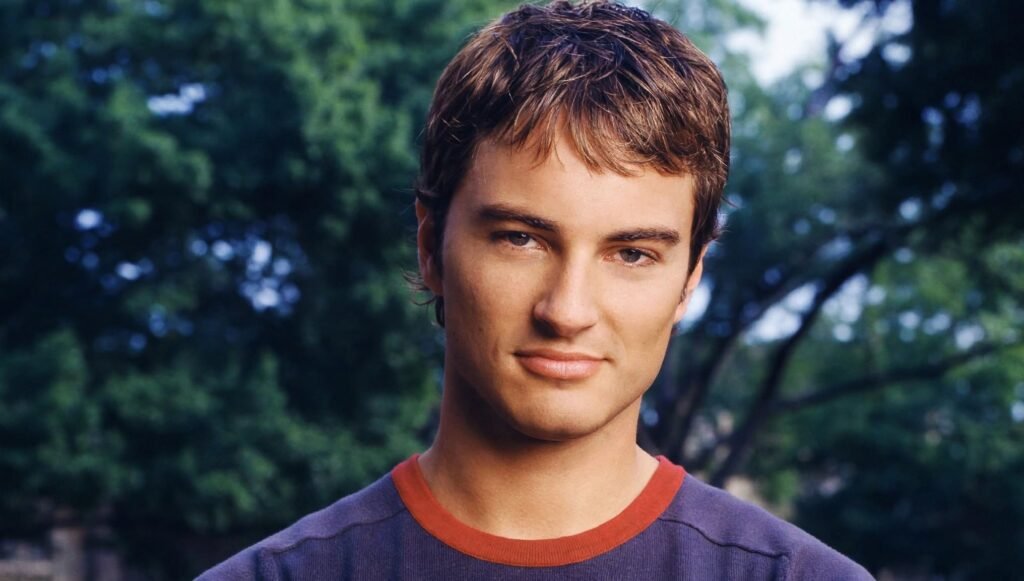
Much of the conversation centered on Jack McPhee, who arrived in the second season with a deceptively narrow purpose: to complicate the romantic orbit around Dawson Leery and Joey Potter. Three months into filming, creator Kevin Williamson took Smith aside and told him the arc was about to turn — Jack was going to come out as gay.
It was 1998. Openly gay teenagers were scarce on mainstream television, and the role carried a kind of professional risk that straight actors of Smith's generation were actively encouraged to avoid. He has never pretended the decision was easy. But he made it, and in doing so he walked into an argument that was being conducted outside the soundstage as much as inside the writers' room: protesters gathered at the edges of production, carrying a disapproval the cast could feel between takes.
Smith measured that friction against the decades that followed — the arc of a culture that has moved, unevenly but unmistakably, since those afternoons on a North Carolina backlot. He did not present the progress as a tidy triumph. He presented it as a distance traveled, which is the more honest kind of nostalgia, and the more useful one.
One kiss, and everything after
The conversation inevitably turned to the third-season finale and the kiss between Jack and Ethan — a scene now taught, indexed and cited on American network television.
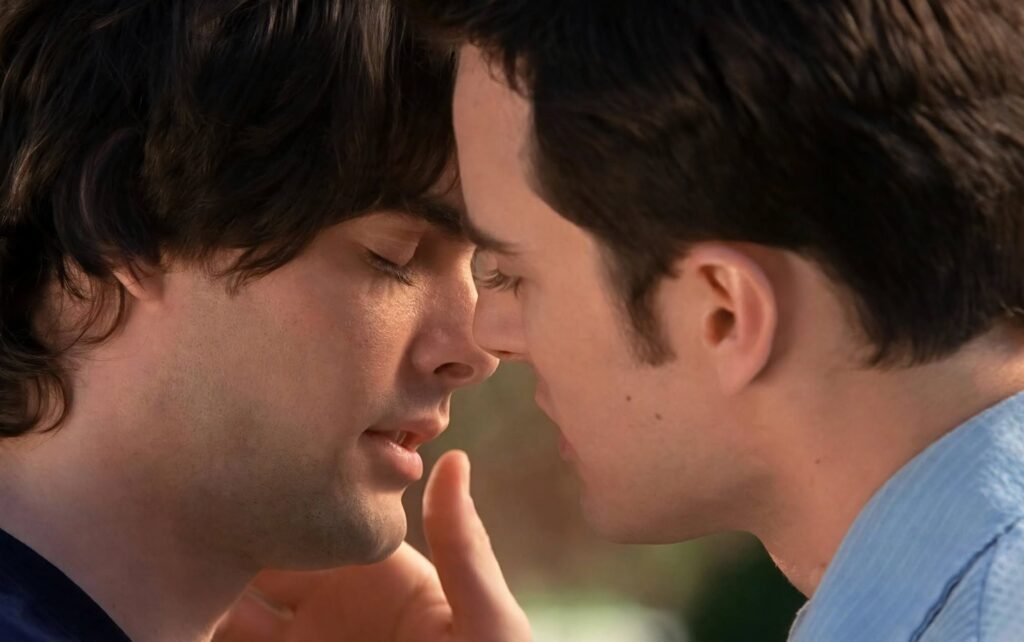
On the day it was filmed, no one on set was performing history. Smith recalled the tension in the room and gave credit to their director, who pulled the actors back from the magnitude of the moment and pushed them toward something smaller and truer: two people who care about each other, in a room, in the present tense. The instruction was to play the affection, not the significance.
That advice, it turns out, is also a fair description of what the show has become. The significance accumulated later — in living rooms, in the years since, in the decisions other series made because this one went first.
An insider's account of a moment, not a monument
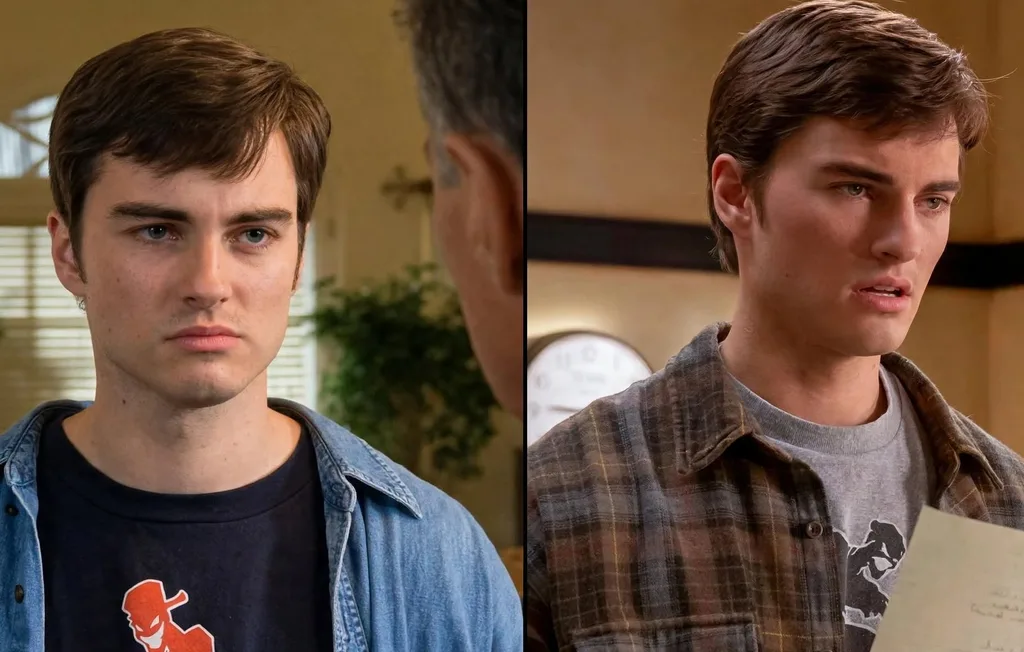
Smith is careful to frame the memoir as something other than a career retrospective. It is, in his telling, a production history and a social history stitched together: how a landmark episode got made, what it cost the people in it, and what it meant to the teenagers watching from their bedrooms. I Don't Want to Wait sets the making of the show beside the country it was made in — and finds, in the space between the two, the reason a late-1990s teen drama still has something to say to anyone who has ever had to introduce themselves to themselves.
Twenty-eight years on, that is the register in which Smith speaks about Capeside: not as a place he left, but as a place that keeps letting him back in. Somewhere on a streaming queue tonight, someone is meeting Jack McPhee for the first time. The quiet on that set has become a conversation that refuses to stop — and the actor who stood in the middle of it has finally written down what it sounded like from where he stood.