There is a scene in Raiders of the Lost Ark that almost accidentally captures the spirit of the characters who would come to define Indiana Jones. A massive swordsman steps forward and dramatically swings his scimitar, clearly expecting a grand, choreographed duel. Instead, Indy, too exhausted to go through the elaborate fight that had been written for the scene, simply pulls out his gun and shoots him. It remains one of the most memorable moments in the entire franchise, precisely because it feels so unexpected and effortless. What makes the scene even better is that it was never supposed to happen that way.
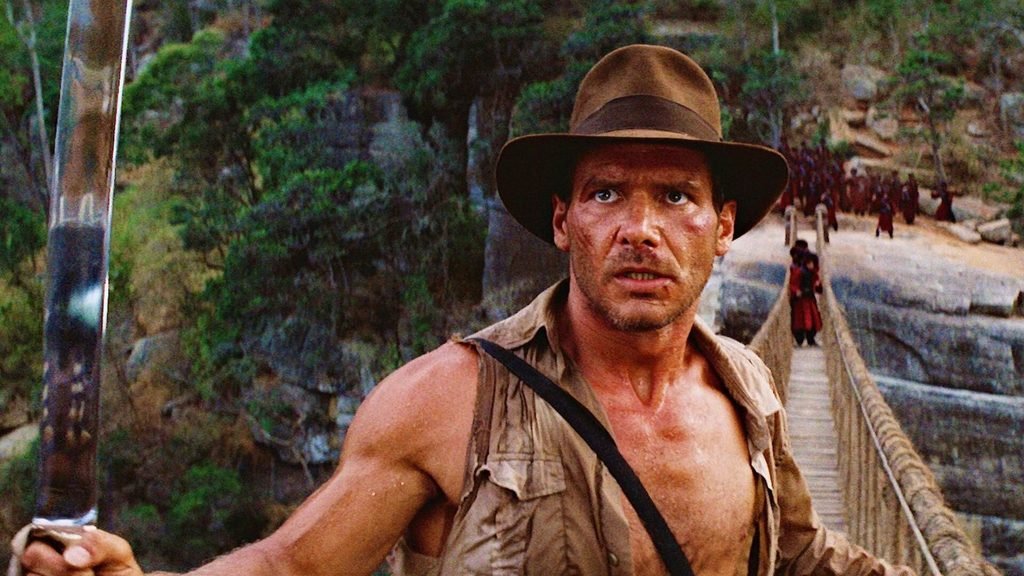
The truth behind it is less amusing than the scene itself. While filming in the Tunisian desert, much of the cast and crew were struck by severe dysentery, most likely caused by contaminated food or water. Harrison Ford was among those affected, and after spending days dealing with the illness and exhaustion, he simply didn’t have the strength to perform the lengthy fight that had been planned. Ford suggested to Spielberg that Indy should just shoot the swordsman instead. Spielberg, who was also feeling the effects of the conditions, immediately agreed. What began as a practical solution to an exhausting day on set ended up defining one of Indiana Jones’s most recognizable characteristics: he isn’t particularly interested in the traditional idea of heroism when a simpler solution is available. The accident became part of his identity.
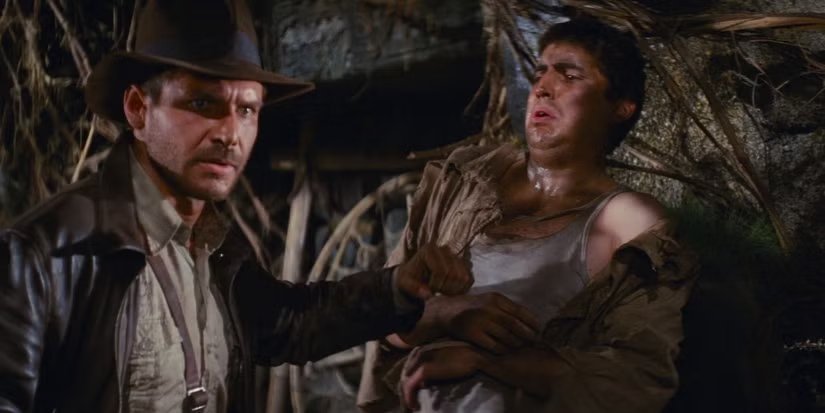
Ironically, the same illness that changed one of Indy’s most famous moments also helped shape the character who would stand beside him. John Rhys-Davies, who was cast as Sallah, Indy’s Egyptian excavation partner, was among the actors hit hardest by the dysentery and reportedly lost more than 20 pounds in just a few days during production. Sallah, however, could have looked very different. Spielberg had originally considered Danny DeVito for the role, but a scheduling conflict with Taxi ultimately prevented DeVito from taking the part. Rhys-Davies stepped in and, with his deep voice and warm presence, created the loyal and enthusiastic companion who would become one of the franchise’s most beloved supporting characters. Years later, he would gain another generation of fans as Gimli in The Lord of the Rings, proving once again that he had a particular talent for making larger-than-life characters feel completely human.
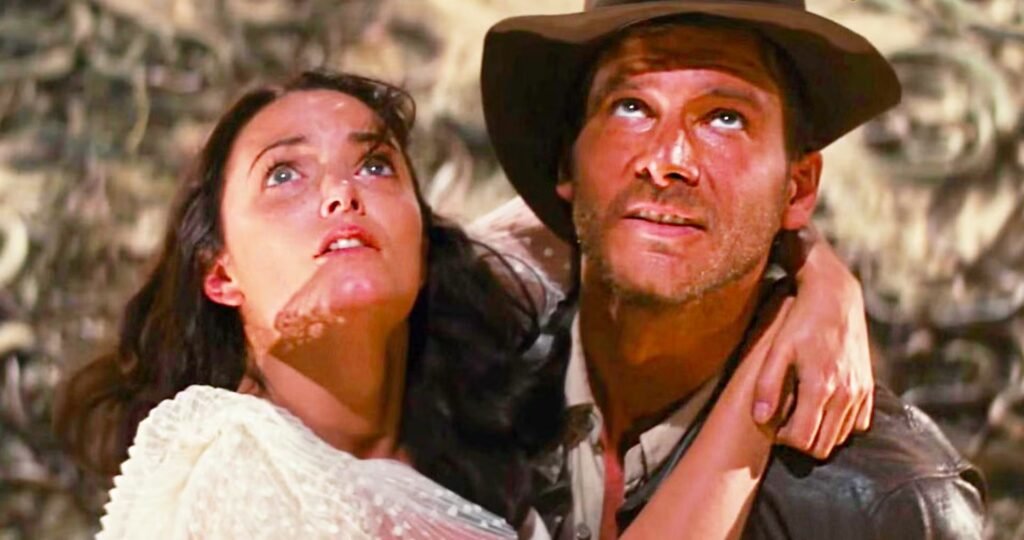
While the men in the cast were struggling with the desert and its unforgiving conditions, Karen Allen provided the emotional counterweight as Marion Ravenwood. Unlike the conventional damsels in distress that adventure movies had often relied on, Marion was written as someone who could stand up to Indy, survive on her own while running a bar in Nepal, and fight for her life without waiting for anyone to rescue her. Allen embraced that independence and helped push the character even further in that direction, particularly through her physicality and spontaneous reactions during the chase sequences. Rather than treating Marion as little more than the emotional counterpart to the hero, Allen made her someone who could challenge Indy, disagree with him, and hold her own when everything around them fell apart.
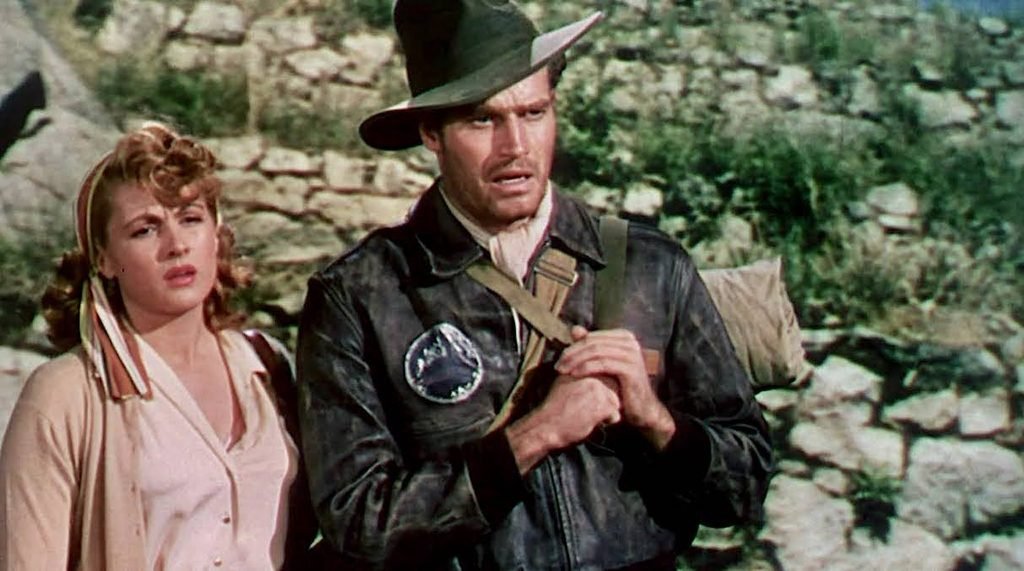
The result is that none of the three central characters emerged exactly as they had been imagined on the page. Indy became more pragmatic because his leading man was simply too exhausted to perform another elaborate fight. Sallah ended up with John Rhys-Davies because another actor was committed elsewhere. And Marion escaped the familiar adventure-movie stereotype because the actress playing her refused to let the character become merely an accessory to the hero. In an unexpected way, the Tunisian desert became a kind of character laboratory for the original Raiders of the Lost Ark trio, showing how some of the most memorable personalities in cinema are not created entirely by writers and directors. Sometimes they emerge from exhaustion, accidents, casting changes, improvisation, and the unpredictable reality of a movie set.