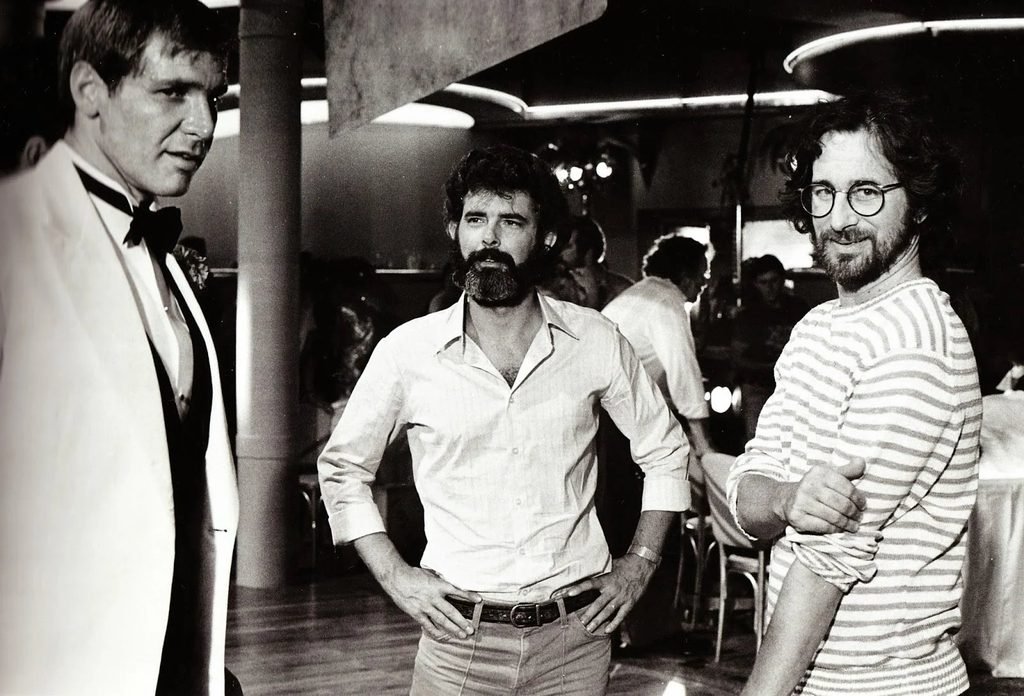
Before the hat, the whip, and the inevitable reminder that “he hates snakes,” Indiana Jones began with a conversation between two friends looking for a break from Hollywood. George Lucas and Steven Spielberg, both already regarded as part of the new generation of “movie brats,” often traveled together to escape the pressure of the studios, and during one of those trips, Lucas shared an idea he had been carrying around for years: an old-fashioned adventure hero inspired by the movie serials he had watched as a child in the 1930s and ’40s, the kind of stories filled with booby traps, mysterious maps, exotic locations, and escapes that seemed to happen at the very last possible second. Spielberg immediately loved the concept, but turning that enthusiasm into an actual movie would take considerably more work.
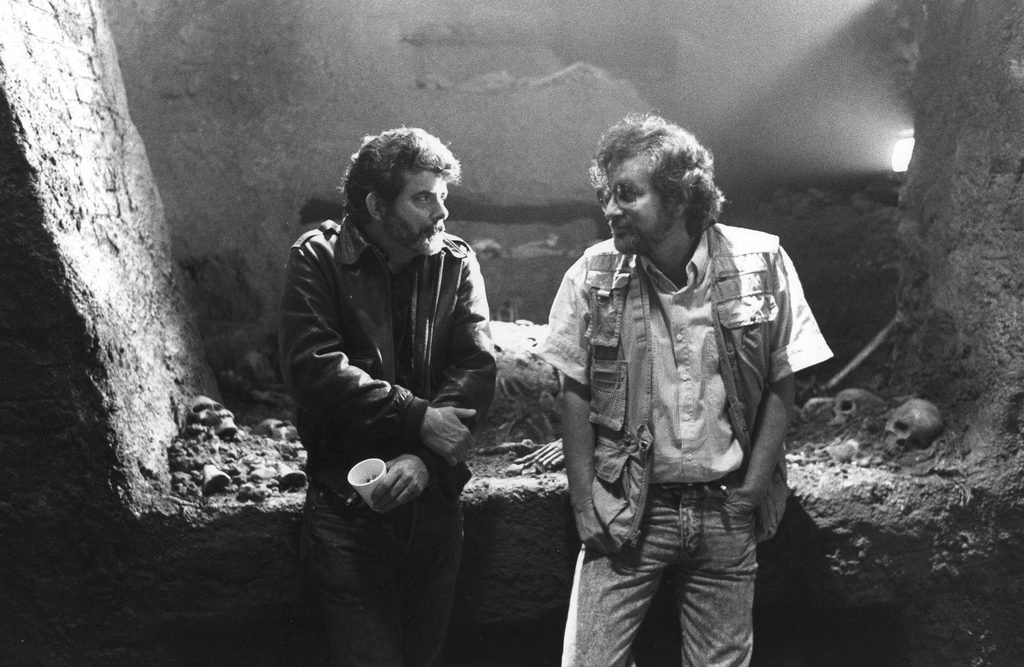
Contrary to popular belief, Raiders of the Lost Ark did not arrive fully formed in Lucas’s head. He developed the story with writer and director Philip Kaufman, and after a long series of story conferences, Lawrence Kasdan was brought in to transform the basic adventure concept into a screenplay that could actually be filmed. Even the name Indiana Jones has a surprisingly personal origin. “Indiana” came from the name of Marcia Lucas’s pet dog, the same animal that belonged to George Lucas’s then-wife and would also provide part of the inspiration for Chewbacca’s appearance in Star Wars. It is an almost absurdly perfect Hollywood coincidence: two of the most recognizable characters in movie history can trace part of their origins to the same shaggy dog.
The movie’s confidence is apparent from its very first minutes. Rather than stopping to explain who Indiana Jones is, Raiders simply throws the audience into the middle of an adventure, following the mysterious archaeologist through a temple filled with traps before introducing him properly. The golden idol, the poisoned darts, the betrayal, and the famous escape from the enormous rolling boulder establish the character through action rather than exposition, and all of it happens before the opening credits have even finished. The boulder itself became one of the defining images of the entire franchise, although it was almost a less important part of the sequence. Spielberg was so impressed by the set that had been constructed for the chase that he asked the production team to extend the ramp by another 50 feet, giving the sequence several additional seconds of suspense and making an already memorable escape even more dramatic.
A surprising amount of the movie’s physical intensity, however, comes from something audiences rarely think about while watching it: the sound. Ben Burtt, the sound designer who had already helped create the sonic identity of Star Wars and would later provide the voice of WALL-E, approached Raiders with the kind of hands-on experimentation that became one of the film’s hidden signatures. The sound of the snakes moving through the Well of Souls was created by Burtt running his fingers through a pan of cheese, while the noise of the Ark’s lid being removed came from the lid of the toilet tank in his own bathroom. Even the terrifying rumble of the giant boulder chasing Indy had an ordinary source: a Honda Civic driving over a gravel road, which Burtt recorded and manipulated until it sounded like something considerably more threatening.
Karen Allen also had a larger influence on Marion Ravenwood than simply bringing the character to life as written. Her performance helped give Marion the toughness and independence that made her such a memorable counterpart to Indiana Jones, and several of those qualities emerged from Allen’s own choices on set. That was particularly evident during the chaotic marketplace chase, where her reactions and improvisations helped shape the scene. Although the sequence is set in Cairo, it was actually filmed in Tunisia, where the intense heat created such difficult working conditions that much of the crew became ill during production.
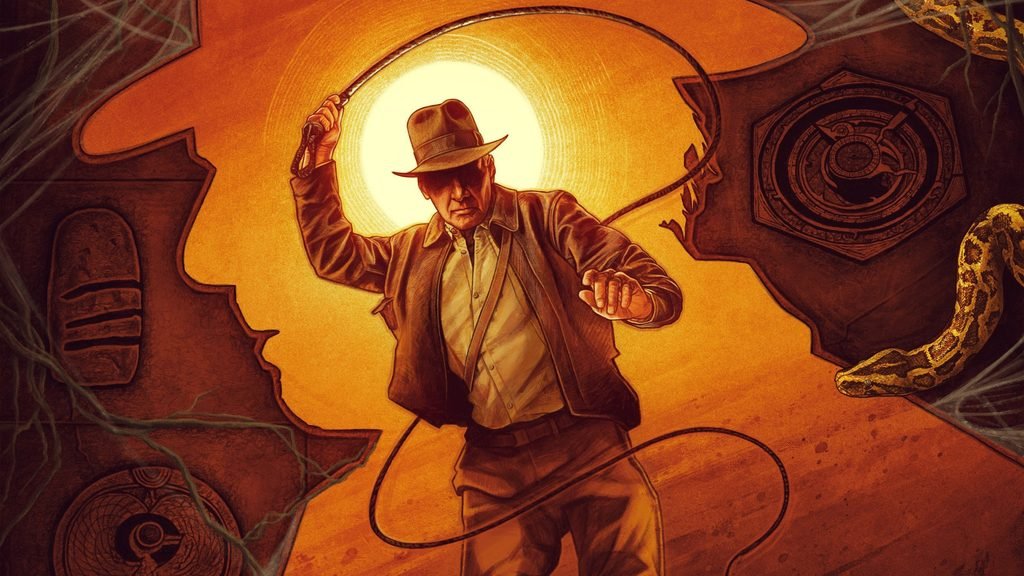
Lucas also couldn’t resist leaving a small piece of his other great creation hidden inside the movie. Deep in the Well of Souls, viewers with particularly sharp eyes can spot hieroglyphs depicting R2-D2 and C-3PO carved into the walls. The tiny detail is an unmistakable nod to Star Wars, quietly connecting the two worlds without interrupting the story or calling attention to itself. It is exactly the kind of Easter egg that feels more rewarding because the movie never stops to explain it, leaving audiences to discover the connection for themselves.
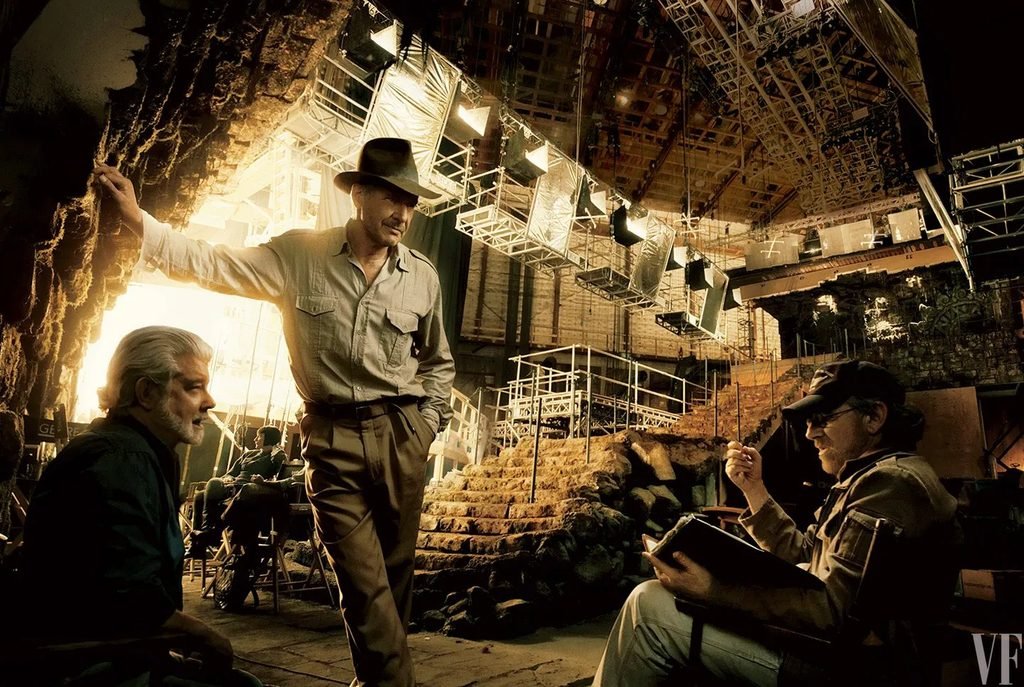
Raiders of the Lost Ark ultimately became much more than the first chapter of another successful franchise. It was the result of an idea that passed through several creative minds before reaching the screen, with Lucas, Kaufman, Kasdan, Spielberg, Allen, Burtt, and countless others contributing something that helped shape its final identity. That may be the most revealing part of its origin story: classics rarely emerge exactly as they were first imagined. They are rewritten, tested, challenged, and refined until a collection of different ideas, performances, sounds, and decisions somehow becomes the version that audiences remember as inevitable.