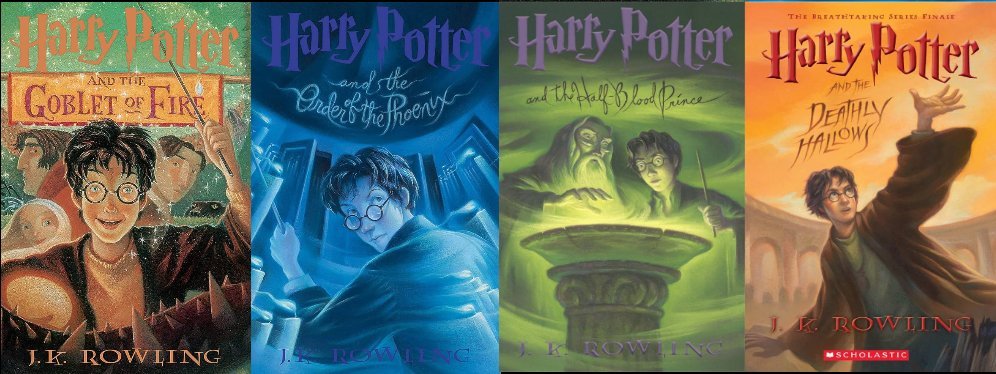
Between 1998 and 2000, something began to change in the way the world waited for a book. Each new edition of the Harry Potter saga arrived thicker than the last, and along with the size grew the anticipation: lines formed at bookstores, releases began happening at midnight, and children who barely knew how to read found themselves immersed in volumes of hundreds of pages just so they wouldn’t be left out of that world.
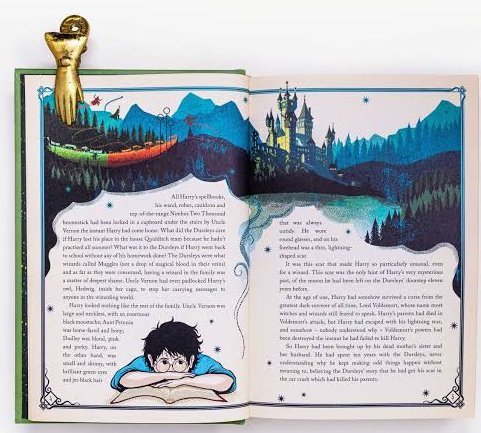
The idea, for Rowling, had never been to write a commercial success — but commercial success forced the universe to grow in complexity along with its readers. The books matured year after year, keeping pace with the aging of the characters themselves, and what began as a story for young children gradually became something darker, denser, and more adult.
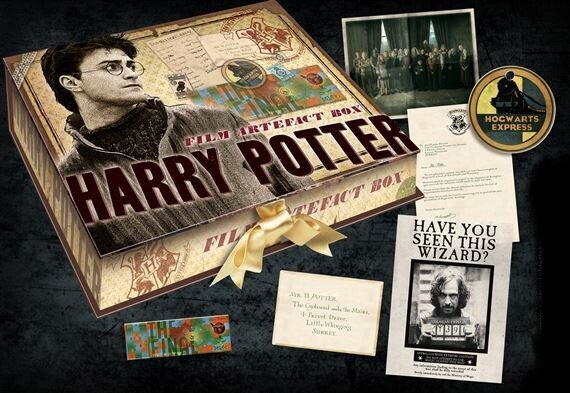
The signs of this growth were everywhere: simultaneous translations into dozens of languages, fan clubs organized online — still in the early days of the internet as a mass phenomenon —, and the news, in 1999, that Hollywood had bought the rights to adapt the saga for the cinema, which only intensified the anticipation around each new release. Fan conventions began to pop up, and theories about Snape’s fate or the identity of the Heir of Slytherin circulated among readers as if they were front-page news.
What was once just a well-told story became, year after year, a recurring cultural event — and each new book was not just read, but lived collectively by millions of people at the same time, in every corner of the world.