While comic books continued to expand their universe on paper, DC realized there was an unexplored path to reach audiences who might never step into a newsstand: television. As early as the 1950s, the idea of seeing those heroes actually moving, off the pages, sounded almost magical to a generation growing up with a TV entering every American living room.
The idea was risky for its time: adapting drawn characters into a completely new medium, with limited special effects and tight budgets, without losing the essence that made those heroes work on paper. More than just visual accuracy, it was necessary to capture the spirit — Superman’s hope, Batman’s eccentricity — using the still-rudimentary resources of television back then.
That was how Adventures of Superman debuted in 1952, starring George Reeves in the title role, becoming the first major television adaptation of a superhero and proving to the market that the format had a loyal audience. In 1966, Batman hit the screens with Adam West, adopting a colorful and purposely campy tone that would become, decades later, as iconic as any comic book version. By the 1970s, Wonder Woman got her own series, starring Lynda Carter, solidifying the heroine as an icon outside the printed pages as well.
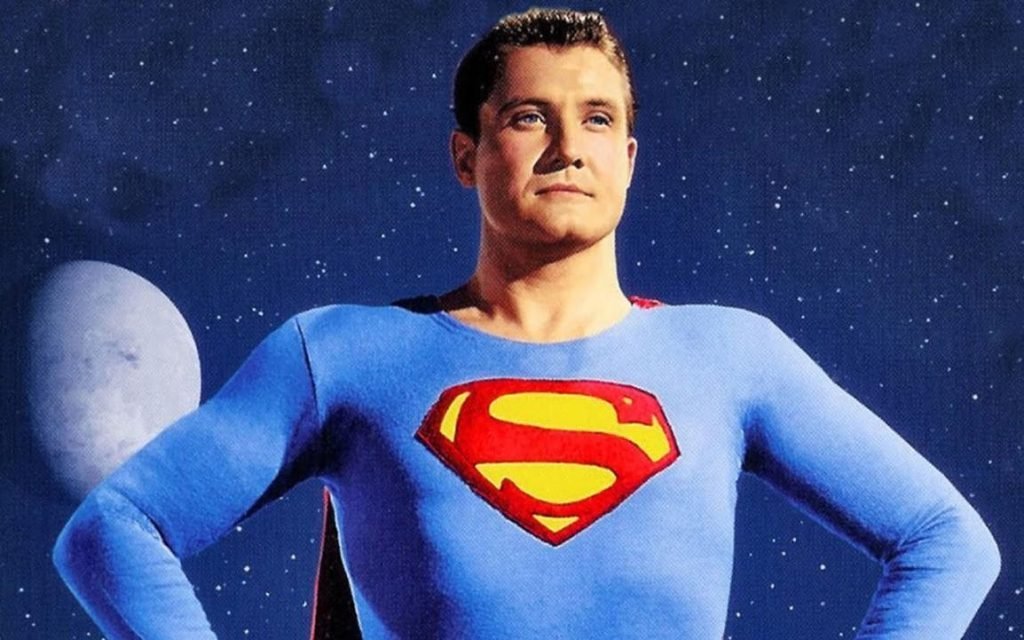
These first ventures into TV, as technically limited as they were, planted the seed for something bigger: proof that DC’s heroes could live in any format, paving the way for the increasingly ambitious adaptations that would come in the following decades.