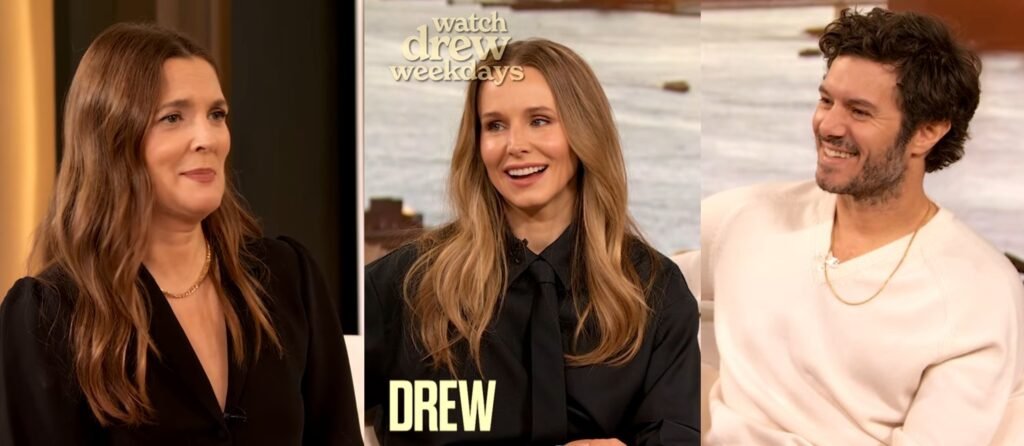
Adam Brody and Kristen Bell joined The Drew Barrymore Show to talk about the runaway success of their Netflix romantic comedy, Nobody Wants This. With the series sitting comfortably atop the streaming charts, the two leads looked back on the intersecting paths that shaped their careers — and on how those earlier chapters eventually led them to share the screen.
Brody recalled the early-2000s explosion of The O.C., explaining that shooting far from the spotlight kept the cast largely insulated from the frenzy surrounding the show. He also revisited his brief stint on Gilmore Girls, noting that the series has reached an even wider, multi-generational audience thanks to streaming — a shift that has let him fully grasp how far his early work travels.
Bell, meanwhile, opened up about her voiceover role as the unseen narrator of Gossip Girl. After Veronica Mars was cancelled, she took the initiative and pitched herself for narration on the newly launched teen drama. That decision introduced her to Leighton Meester, who had previously appeared on Veronica Mars opposite Adam Scott before landing her career-defining part as Blair Waldorf. Bell joked about the symmetry of now starring opposite Meester’s real-life husband, Brody, years after the two women’s careers first brushed against each other.
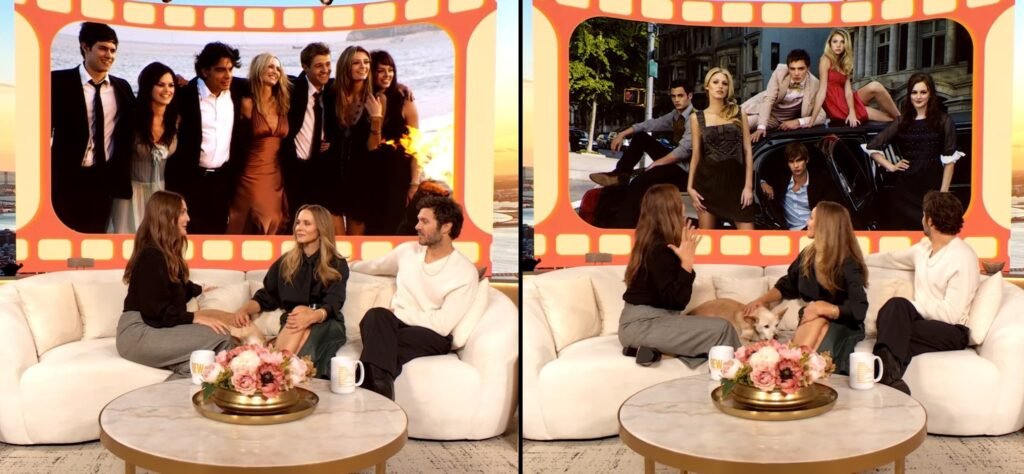
The pair also traded favorite moments from their filmographies, including Bell’s time on the camp classic Burlesque alongside Cher, Christina Aguilera and Stanley Tucci. She described a lighthearted on-set dynamic with Julianne Hough, whose character clashed with Bell’s on screen even as the two became friends off it. Taken together, the conversation made clear how decades of shared television history underpin the easy chemistry Brody and Bell bring to Nobody Wants This, still going strong on Netflix.
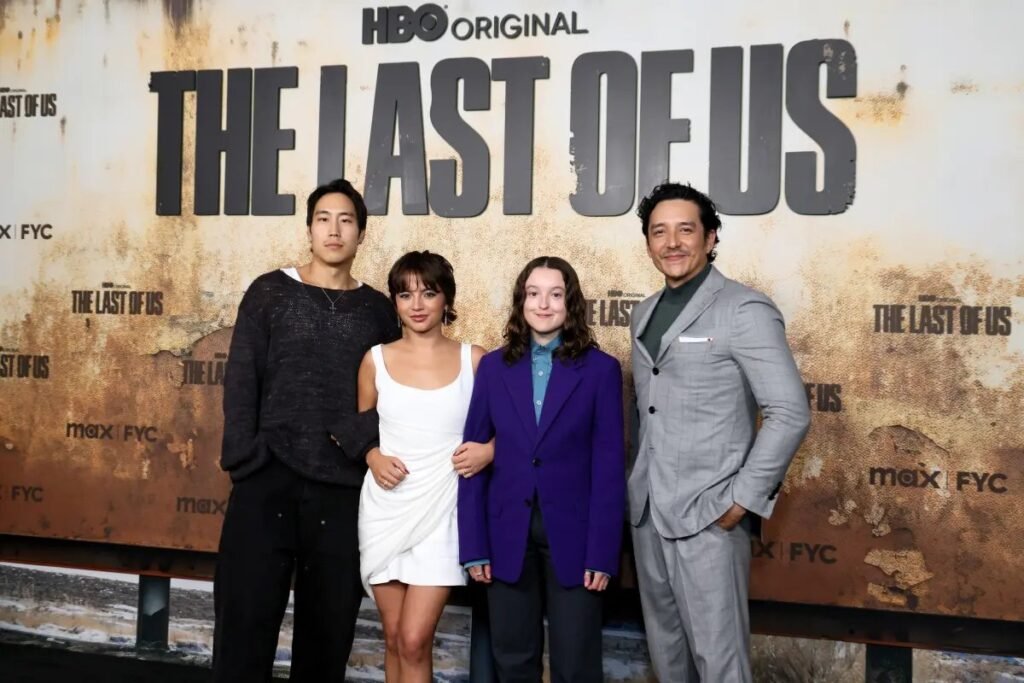
HBO’s The Last of Us is in the rare position of being one of television’s most decorated dramas with its most turbulent stretch still behind it — and Season 3 is now close enough to touch, even if the network is holding the calendar. Filming ran in Vancouver through 2026, and by October 3 production listings had the season in post-production with principal photography complete. HBO chief Casey Bloys put it plainly to Deadline in September: the new season will happen in 2027, and he doesn’t have a date. No official trailer has been released, which means every casting announcement is currently doing the work a teaser would normally do — and the most recent one, John Goodman joining the cast on September 26, is exactly why the show keeps surfacing in conversations it isn’t technically participating in yet.
The trajectory so far explains why the fanbase is watching every move. The first season premiered January 15, 2023, and its finale drew 8.2 million same-night viewers, with later reporting putting the season at 32 million cross-platform viewers; it holds 96% on Rotten Tomatoes and 84 on Metacritic, and racked up 24 Emmy nominations with eight wins, including acting prizes for Nick Offerman and Storm Reid. Season 2 arrived April 13, 2025, and split the audience in a way few shows manage: critics stayed at 92% on Rotten Tomatoes while the audience score fell to 37%, the finale drew 3.7 million first-night viewers on a Memorial Day weekend HBO noted was soft for sampling, and the documented backlash around Joel’s death, Ellie and Dina’s relationship and Bella Ramsey’s performance was loud enough that Variety covered it directly. The season still earned 16 Emmy nominations and a win for sound editing, and HBO renewed the series for Season 3 on April 9, 2025 — before Season 2 even premiered.
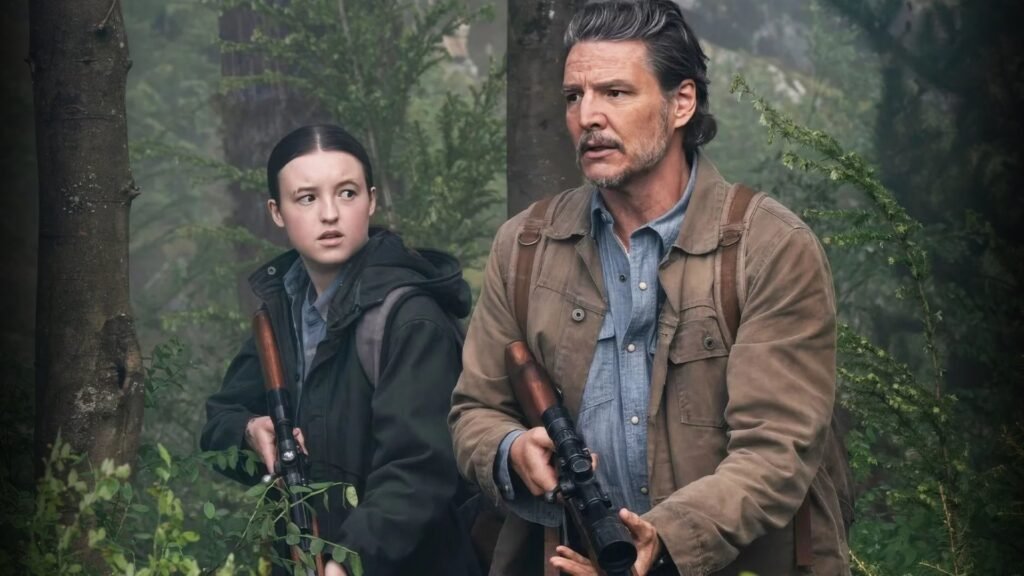
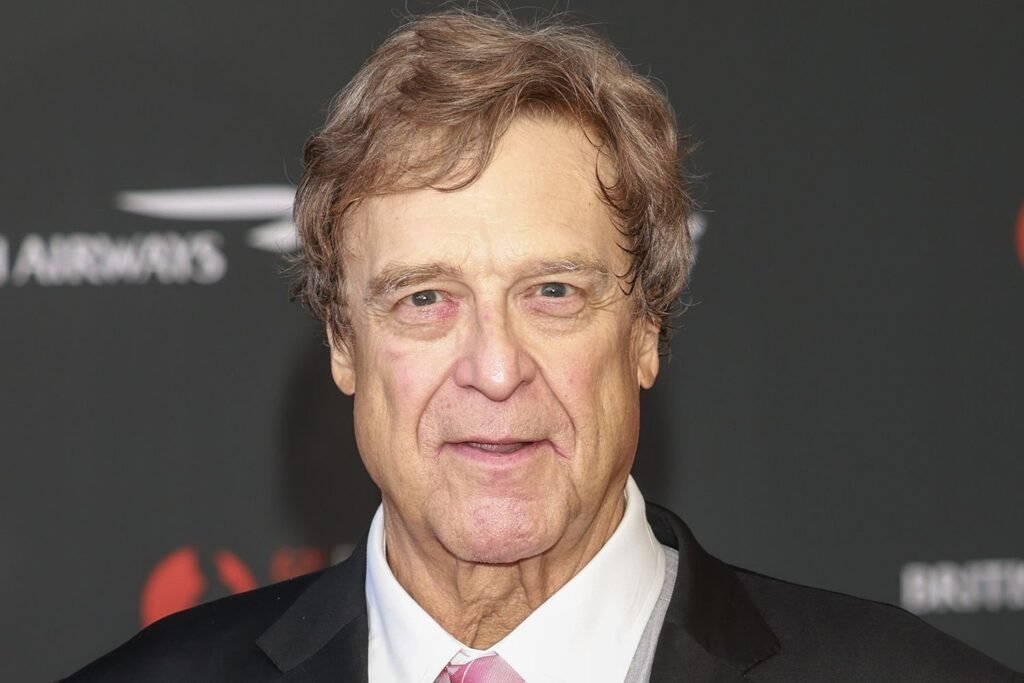
What Season 3 is doing is the thing the second game did: changing whose story you’re following. Joel is dead, killed with a golf club in the second episode of Season 2, and the new season moves to Abby’s perspective — Kaitlyn Dever’s character, a soldier of Seattle’s Washington Liberation Front, whose three days in the city overlap with everything Ellie just lived through. Bella Ramsey returns as Ellie but has said she expects to appear “not a whole bunch,” which tracks with the game’s structure of handing the lead to its other protagonist. The confirmed roster blends both worlds: returning faces include Isabela Merced as Dina, Gabriel Luna as Tommy, Jeffrey Wright as Isaac, and Tati Gabrielle, Spencer Lord and Ariela Barer — Nora, Owen and Mel — promoted to series regulars. The newcomers are the surprise: Patrick Wilson as Jerry, Abby’s father; Jason Ritter; Peter Sarsgaard as Amon; Clea DuVall as a Seraphite; Jorge Lendeborg Jr. taking over as Manny; and in the September wave, Goodman as Joey, plus Ian Alexander and Laura Bailey, both of whom voiced characters in the games and are now playing someone else entirely on screen. Pedro Pascal’s participation has not been confirmed, though flashback sequences would fit the source material.
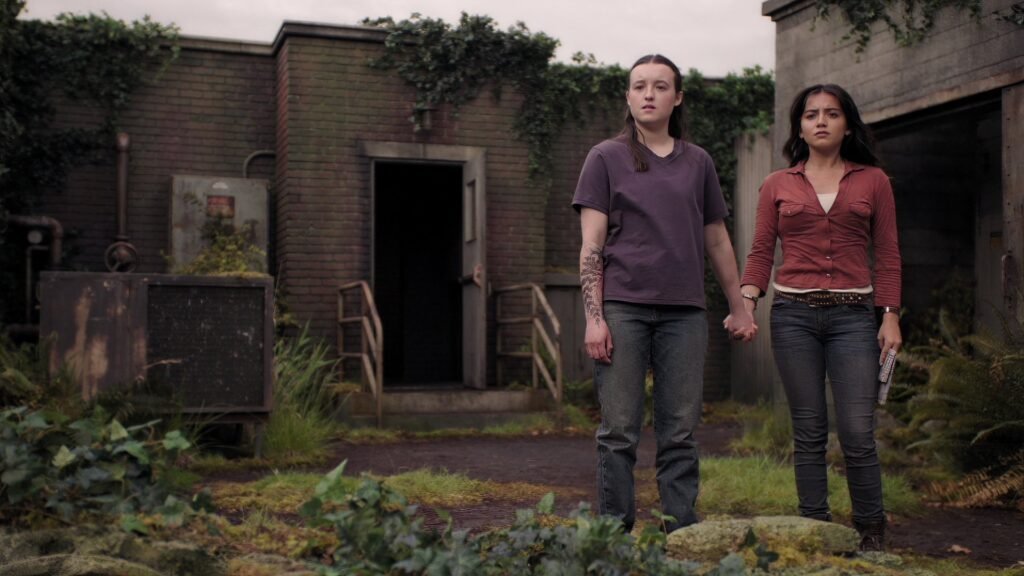
The bigger question hovering over all of it is whether Season 3 is the last one. Craig Mazin, now the sole showrunner after Neil Druckmann stepped back following Season 2, said in May 2025 that there was no way to finish the story in a third season and that a fourth was the most likely outcome — but by September 2026, Bloys said he believed Mazin had planned Season 3 as the final chapter, while carefully framing that as his understanding rather than a network order. No Season 4 has been announced, and no Season 3 episode count has been made public, though Mazin has said it will run longer than Season 2’s seven installments and feel closer to Season 1. That ambiguity may be the most faithful adaptation element of all: Part II was a game about perspective shifts that divided its own audience, and its television version is now asking viewers to wait two years, switch sides, and find out whether the show can pull off live TV’s most divisive structural gamble.
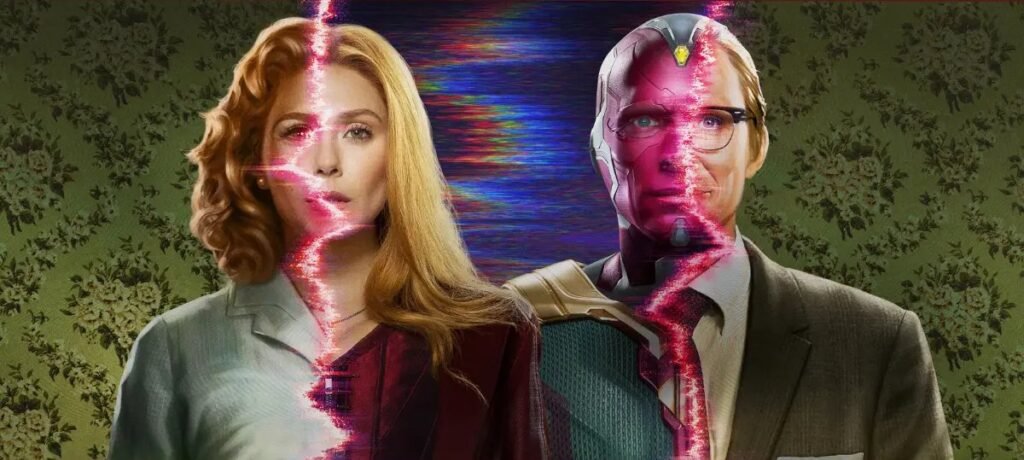
Marvel Television launched VisionQuest on Disney+ this week, dropping the first two episodes a day early on October 13 and kicking off an eight-episode run that closes the chapter Paul Bettany’s White Vision opened in WandaVision. The series picks up with Vision living quietly under a human alias before a bounty forces him onto the run with Thomas Shepard, a teenage boy who may be the reincarnated Tommy, the speedster son Wanda Maximoff created back in Westview. With new episodes arriving October 21 and 28, then November 4 and a finale on November 11, the rollout gives Marvel’s fall slate a steady weekly presence through mid-November.
Marvel has been explicit that this is the third and final entry in what fans first billed as the Westview Trilogy, following WandaVision in 2021 and Agatha All Along in 2024, and the studio itself has adopted the label in its own marketing. Five years after WandaVision redefined the MCU’s streaming ambitions with its sitcom-hopping grief story, the new series trades those TV-pastiche gimmicks for straight science fiction about memory and artificial consciousness. Early reviews suggest a solid but not unanimous landing: VisionQuest holds 82% on Rotten Tomatoes from 45 reviews and 62 on Metacritic, with critics praising Bettany and James Spader’s performances while some, including Variety, fault the show for keeping its emotional core at arm’s length.
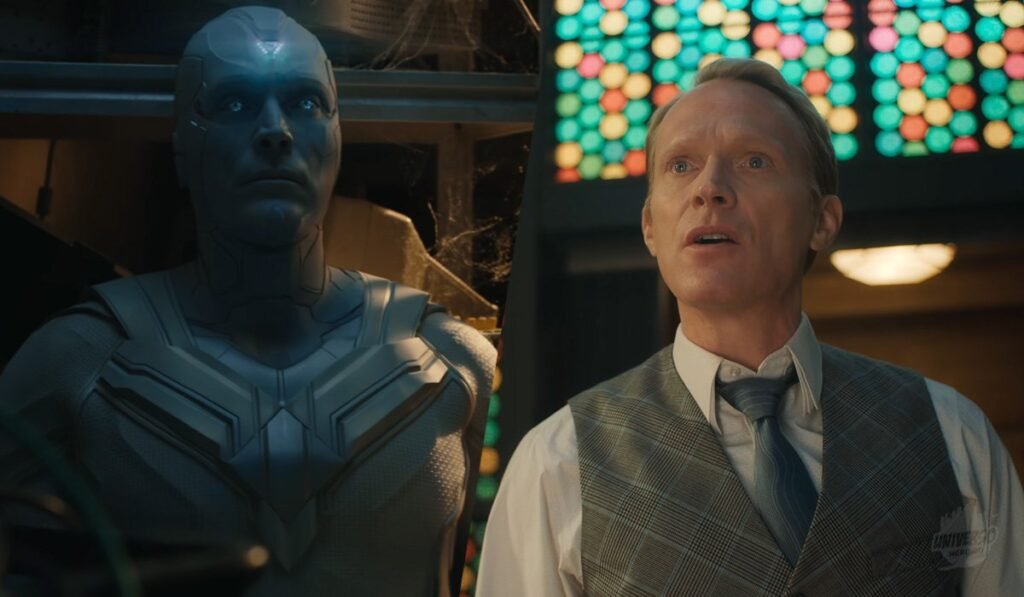
The timing has little to do with algorithm luck. Marvel surprised New York Comic Con on October 8 by screening the premiere at the end of its Television and Animation panel, with Bettany, Spader, Ruaridh Mollica and Emily Hampshire on stage, lifting the review embargo the same evening and seeding a full week of coverage ahead of launch. The casting news did the rest of the heavy lifting: Spader is back as Ultron for the first time since Avengers: Age of Ultron, now living inside Vision’s programming as one of several AI personas rather than a physical threat, and Mollica plays the older Tommy opposite Bettany. Todd Stashwick rounds out the board as Paladin, the bounty hunter chasing them, while Hampshire voices E.D.I.T.H., the AI originally introduced in Spider-Man: Far From Home. As of launch day, no viewership figures have been released, so the actual audience numbers remain the one piece of the story still unwritten.
Behind the camera, the project changed hands in ways that shaped what landed on screen. Jac Schaeffer, the creator who launched WandaVision and later ran Agatha All Along, stepped away from the spinoff amid scheduling conflicts, and Terry Matalas — the showrunner behind Star Trek: Picard’s warmly received third season — took over in 2024. Matalas has said the writers were largely left alone to tell their story, with Marvel Studios chief Kevin Feige handing him a single non-negotiable: bring Vision and his son together. The result lands at a moment when Marvel’s TV phase is still searching for a reliable identity, which makes a contained, self-contained character study an unusually clean bet.
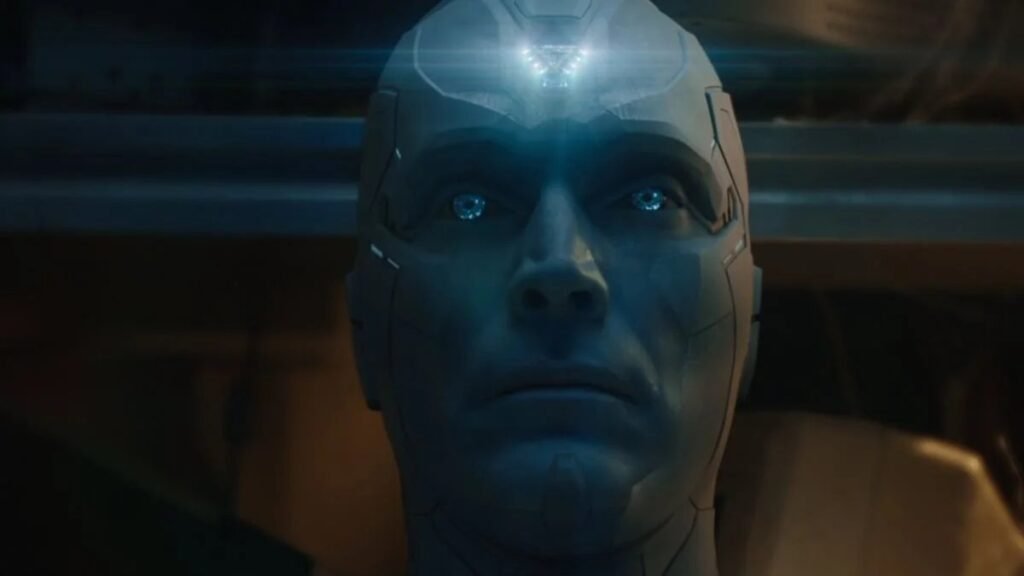
Whether VisionQuest sticks the landing won’t be clear until the finale on November 11, but its first week has already done something few MCU streaming launches manage lately: it arrived with a clear reason to exist beyond franchise maintenance. Bettany is also set to receive the Virtuoso Award at the SCAD Savannah Film Festival on October 26, keeping the conversation going well past the premiere. For viewers who have followed Vision from Ultron’s creation to Westview’s White Vision, the next four weeks answer the one question the trilogy has asked since 2021 — and, for once, the answer is actually scheduled.
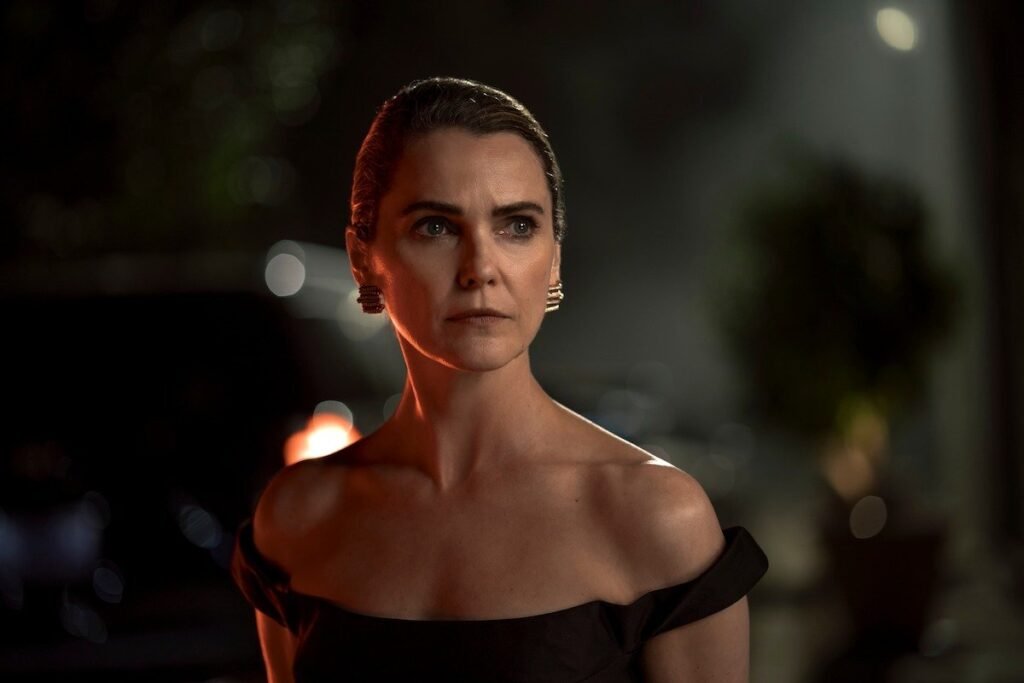
The Diplomat, the Netflix political drama created by Debora Cahn, returns on October 15 with eight new episodes, and the timing is no accident. The show arrives riding its best critical run ever — season 3 sits at 97% on Rotten Tomatoes and scored the series’ first Emmy win — plus a real awards-season haul: Keri Russell took home the SAG Award for drama actress in 2026, and Allison Janney won the Emmy for supporting actress the same year. Netflix dropped a teaser and a full trailer in the weeks before the premiere, and the streamer has been unusually forward about where the story goes next. Four seasons in, this is a show that grew from a handsome Embassy-survival drama into the streamer’s most decorated political thriller, and it’s not asking viewers to remember much to get back up to speed.
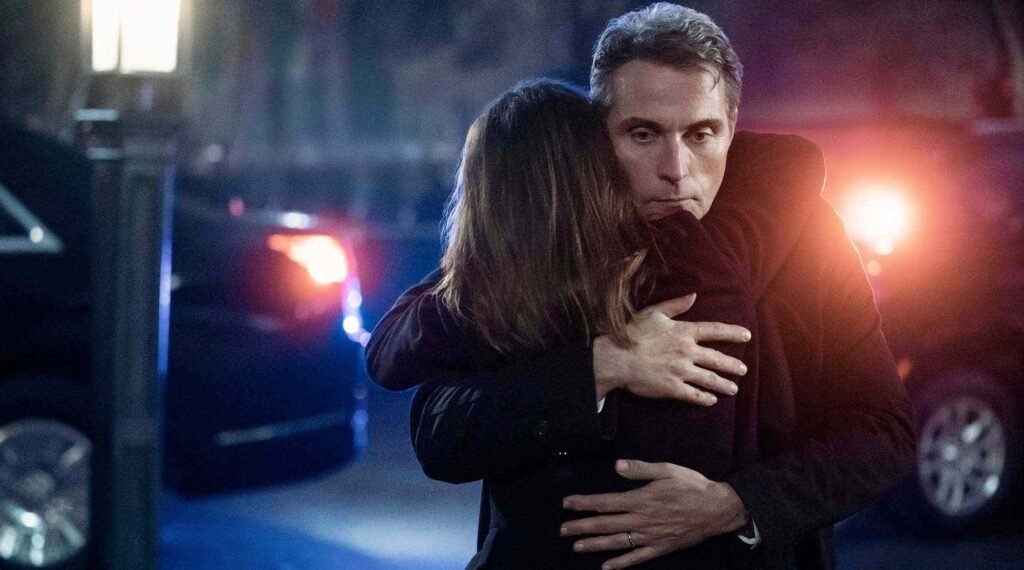
The trajectory matters. The Diplomat premiered in April 2023 and hit number one in its debut week with 57.48 million hours viewed in four days, landing in the Top 10 across 86 countries. Each season since has been better reviewed than the last — 84% on Rotten Tomatoes for season one, 95% for season two, 97% for season three, with Metacritic scores climbing in lockstep from 74 to 84. The Emmy nominations followed: ten in total, including two straight Outstanding Drama Series bids in 2025 and 2026, three lead actress nominations for Russell, and a 2026 supporting actor nod for Rufus Sewell. Season three, released in October 2025, hit number one on Nielsen’s weekly U.S. streaming chart with 1.24 billion minutes watched. That’s the setup entering season four: a show still peaking, with an audience already proven and waiting.
What’s driving the buzz right now is one specific question the season three finale refused to answer. President Grace Penn, who took office after William Rayburn’s death in season two, and Vice President Hal Wyler — Kate’s own husband — secretly pulled a Russian nuclear weapon called Poseidon off a submarine. The finale ends with Hal telling Penn that Kate knows. Season four picks up in the wreckage: Netflix’s official synopsis describes a catastrophic event that shatters the fragile U.S.–U.K. peace and Kate’s marriage at the same time, with the Penn–Hal conspiracy now threatening outright war and Kate forced into an alliance with First Gentleman Todd Penn against the woman she works for. It’s a genuinely loaded premise for a show that spent three seasons making diplomacy look like high-stakes combat. Nana Mensah, who plays chief of staff Billie Appiah, joins Janney and Whitford as a series regular this season — Netflix’s way of saying the White House scheming is now half the show.
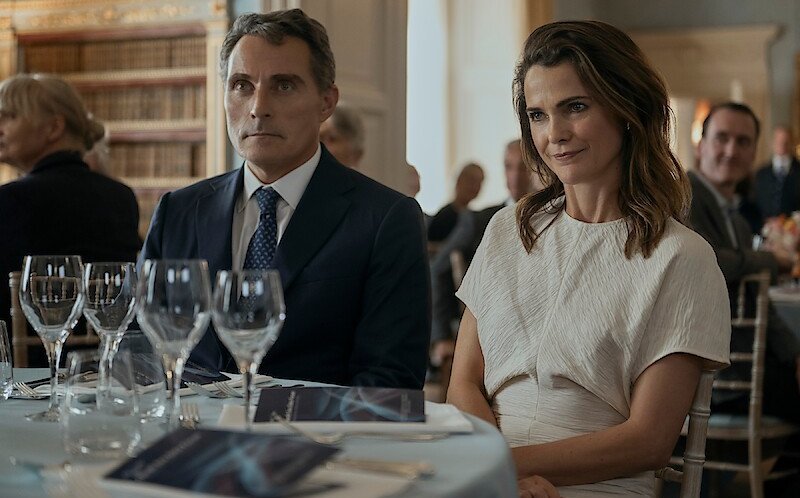
Behind it is Debora Cahn, a writer from The West Wing and Homeland who has run the series from day one and keeps the machine on a near-annual schedule; in an interview published days before the premiere, she described making each season as consuming “every waking hour and many non-waking ones.” Russell, meanwhile, has become a fixture of awards season three years running without any other high-profile project diluting her focus — this is her show. Sewell, as Hal, has quietly become the series’ most unpredictable element. What remains unknown is whether this is the end: Netflix has confirmed season four and nothing beyond it, and the streamer isn’t saying. That uncertainty turns October 15 into appointment viewing — the rare streaming return where the story’s future genuinely hangs in the balance, on screen and off.
Stephen King’s iconic debut novel has returned to screens in an entirely new format, with Mike Flanagan’s television reimagining of Carrie making its global debut on Amazon Prime Video. The supernatural horror series retells the tragic story of Carrie White—played by Summer H. Howell—as she navigates the traumatic landscape of a modern public high school while coming to terms with her emerging telekinetic gifts. Rather than treading the familiar path of Brian De Palma’s 1976 feature film, Flanagan shifts the story into the contemporary age, framing Carrie’s ordeal around cyberbullying, viral video culture, and deeply layered family dynamics.
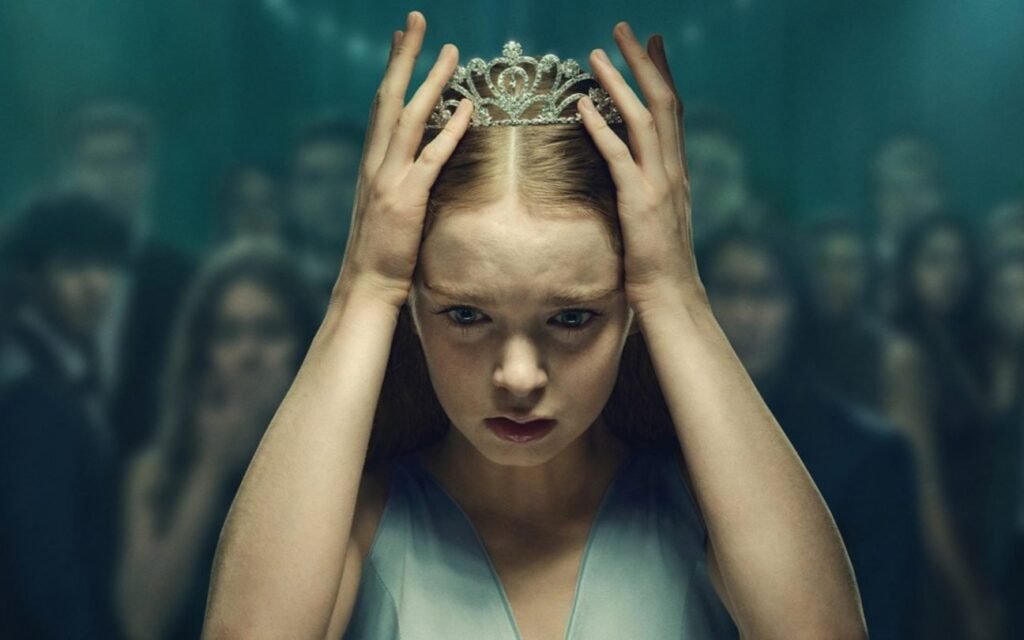
Released as a full-season binge drop on October 7, 2026, the eight-episode series marks Flanagan’s first major television project under his exclusive overall deal with Amazon MGM Studios. The production moved at remarkable speed after being greenlit: a writers’ room launched in late 2024, principal photography wrapped in Vancouver by late 2025, and the series earned a premiere slot at the Toronto International Film Festival in September 2026 before rolling out globally on Prime Video. Early critical reception has praised Flanagan’s ability to modernize King’s text without losing its emotional core, with reviewers noting that the longer narrative structure allows secondary characters to develop real weight. Though purists have debated several bold deviations from the 1974 novel—including an altered origin for Carrie’s powers and a rewritten fate for the protagonist—the adaptations have otherwise been widely welcomed by the fan community.
The immediate surge in viewership reflects a combination of perfect seasonal timing and a clever narrative expansion. Arriving in early October, the release taps straight into peak horror-season streaming demand. Beyond the calendar, the show is trending because it treats Carrie as an expanding mythology rather than a straightforward remake of a classic. By leaning into the hereditary, almost scientific roots of Carrie’s telekinesis and confronting modern high-school cruelties like group chats and phone recordings, the series turns a familiar narrative into an urgent conversation about digital-era isolation. Intrigue around the project also grew when Flanagan revealed during festival press tours that he sees this initial run as the foundation for a potential three-season arc—an ambition he has described publicly, though no further seasons have been officially ordered.
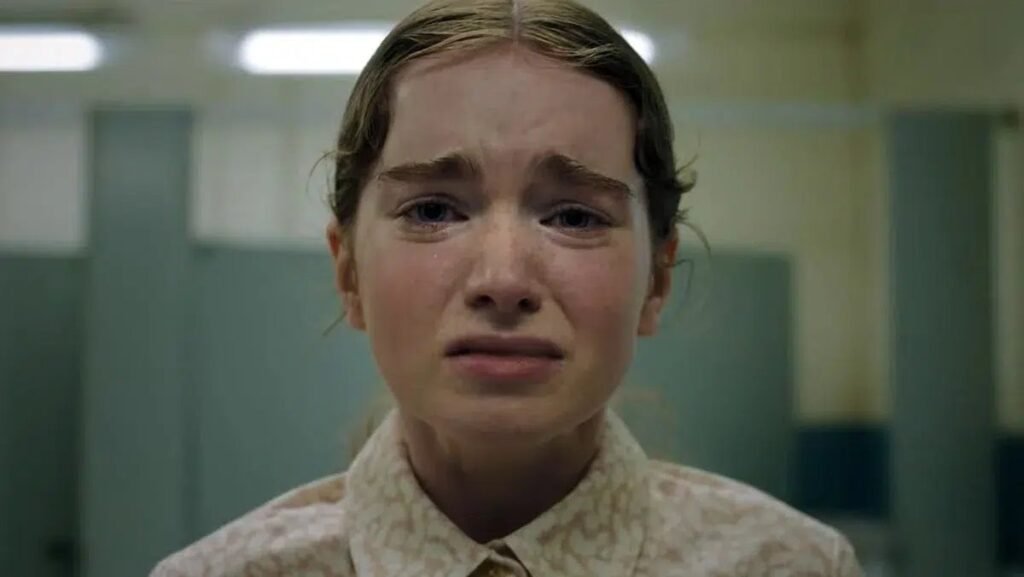
The buzz also owes much to the series’ creative team and ensemble cast. Flanagan, who has built a formidable reputation as horror’s premier adapter through works like Doctor Sleep and The Haunting of Hill House, brought along long-time collaborator Samantha Sloyan, whose multi-layered performance as Margaret White has already drawn early awards-season chatter among critics. The supporting ensemble unites fan favorites Matthew Lillard, Siena Agudong, and Amber Midthunder, creating a vibrant dynamic that balances teenage friction with supernatural dread. With King serving as executive producer and publicly championing the narrative updates during the show’s rollout, the creative synergy behind the screen has given audiences a compelling reason to revisit the legendary story.
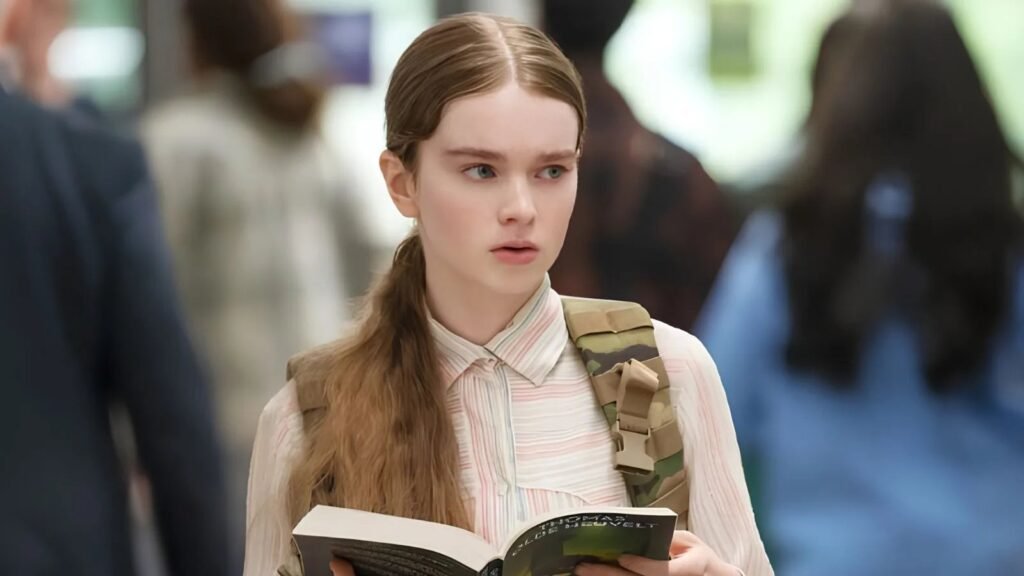
Ultimately, Flanagan’s take on Carrie succeeds because it respects its source material enough to let it evolve. By expanding a story previously confined to a feature film’s runtime into an expansive, character-driven miniseries, Prime Video has delivered a horror event that feels both comfortably nostalgic and strikingly current. Whether audiences tune in out of curiosity for the modernized twists or simple affection for Stephen King’s universe, this adaptation proves that some classic tales still hold plenty of power to shock and captivate.
After moving from Vancouver to LA, Tracker returns for season 4. Justin Hartley shares what’s next for Colter, from new secrets to crossover ideas.
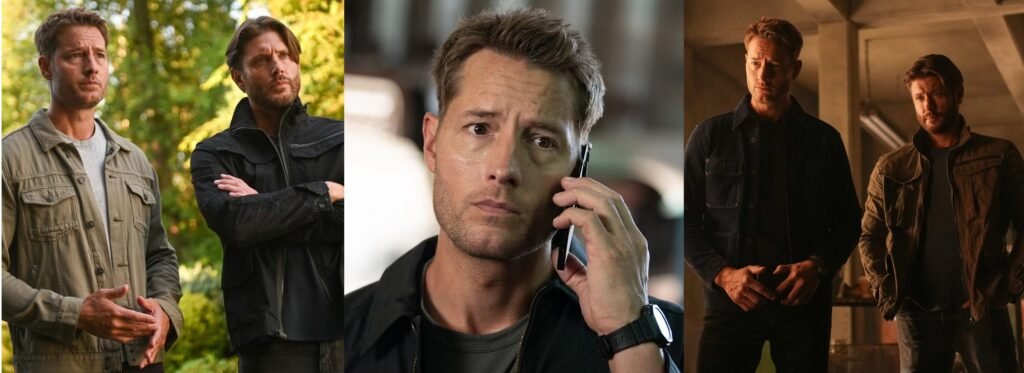
Justin Hartley says the fourth season of Tracker, which premiered Oct. 4 on CBS, turns up the action and, for the first time, gives Colter Shaw a bit of a personal life. Speaking with Entertainment Tonight in an exclusive interview on the show’s new Los Angeles set, the star teased that if Colter ties up some of the loose ends weighing on him, he may finally become available for romance. Hartley kept the details vague to avoid spoilers, but promised that the season stays true to the show’s blueprint and will feel familiar to longtime viewers.
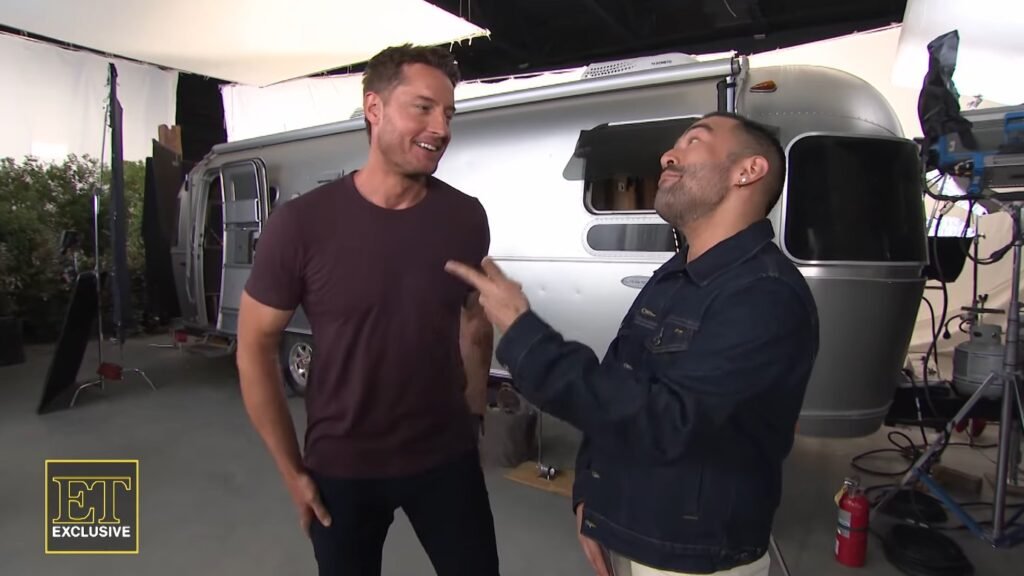
The new set is the other big story. The drama has relocated to Hollywood after three seasons in Vancouver, helped by a $48 million tax credit from the state of California. Hartley said he is glad to help chip away at the slump LA’s industry has suffered in recent years, while noting that the crew built something special in Vancouver and has a strong fan base there.
Shooting in LA also gives the show more room to play, since it can pass for mountains, ocean, desert or city, which suits a series about a drifter who travels constantly. Hartley, who lives in Los Angeles, joked that the biggest perk is sleeping in his own bed, adding that he has never actually slept in Colter’s Airstream.
On the story side, the season picks up after Colter believed he had solved the mysteries surrounding his father’s life and death, only to uncover new secrets that Hartley says affect him in a big way. The actor explained that he approaches the character as someone shaped by his experiences, much like a person who rearranges their life to avoid rush-hour traffic. In his view, the earlier, more idealistic Colter has changed, but he still believes people are naturally good. That outlook has been tested by his strained relationship with his brother, played by Jensen Ackles, a thread the new season continues to explore.
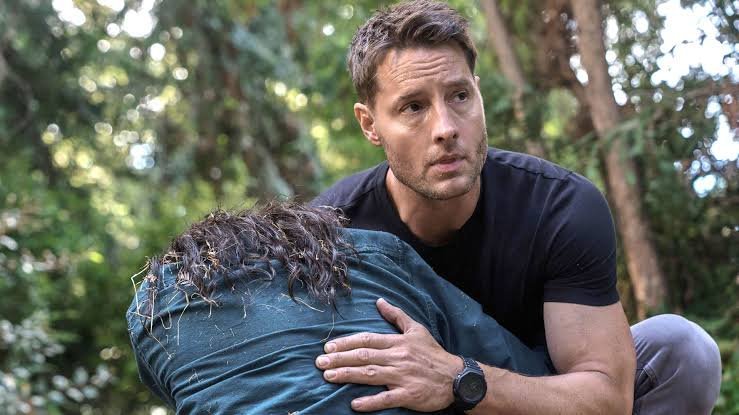
Hartley also reflected on how quickly the show has reached season four, saying he still can’t quite believe it. He credited the brisk cadence of the production, noting that many series today have no clear timetable between seasons. Although he leaves Colter behind when he goes home, he said he enjoys playing a hero with a moral north star who is also flawed and still figuring things out.
With the show now based in Los Angeles, the interviewer floated the idea of TV crossovers, and Hartley was game. He said Colter would gladly help Kathy Bates on a case in Matlock, and he was equally open to a visit with the NCIS team. For now, the move to Los Angeles marks a fresh start for Tracker, with a bigger canvas and a hero who may finally have time for something beyond the road.
When Paramount+ greenlit Tulsa King for a fifth season just weeks ahead of its fourth-season rollout, it proved that Dwight Manfredi’s brand of old-school mob justice isn’t losing any steam. The swift renewal comes as the crime drama prepares to drop its fourth season on October 16, giving fans an immediate double dose of confidence that the Taylor Sheridan-backed universe isn’t slowing down anytime soon. Rather than waiting to gauge viewer reactions to the upcoming batch of episodes, the platform locked in the future of its powerhouse asset early, cementing the show’s status as a top-tier streaming heavyweight.
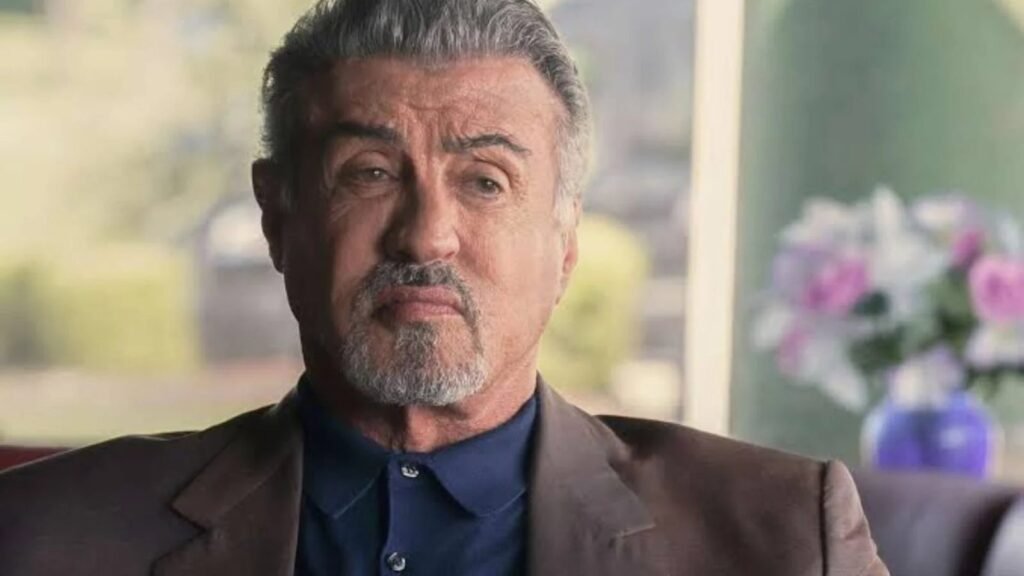
Ever since it first debuted in November 2022, the series has charted a steady climb from an amusing fish-out-of-water experiment into one of the most reliable draws on television. The premise—following a weathered New York mafia capo exiled to Oklahoma after a 25-year prison stretch—quickly hooked audiences by blending sharp crime syndicate grit with unexpected regional humor. Spanning multiple successful seasons that expanded Dwight’s criminal footprint, the show carved out a massive viewership base that consistently returned for the clever dialogue, high-stakes turf wars, and undeniable charisma of its lead.
The current wave of excitement is driven by a massive structural shift for the production alongside the double-whammy of a fresh renewal. Alongside the impending arrival of Season 4, the creative team announced that production for Season 5 officially kicked off in New York, marking a physical return to the character’s East Coast mafia roots after spending three years shooting in Atlanta. This relocation mirrors a narrative pivot back to where it all began, setting up a high-voltage collision between Dwight’s hard-earned Oklahoma empire and the original New York underworld that tried to throw him away.
At the center of this momentum remains Sylvester Stallone, who continues to shape the series both as its gravel-voiced protagonist, Dwight “The General” Manfredi, and as an executive producer. The upcoming blocks of episodes also mix up the family dynamic by promoting Scarlet Rose Stallone to a series regular, while injecting fresh blood into the ensemble with industry veterans like Erik Palladino and Glenn Fleshler. With production actively underway on the streets of New York and a bulletproof streaming future already guaranteed, the kingpin of Tulsa is proving he can rule just as comfortably wherever he plants his flag.
The movie industry spent 2026 split into two warring camps: those who believe nothing matters but the box office, and those who believe the box office no longer matters at all. The Mandalorian and Grogu just walked between them and collected a win from each — and, in the process, may have ended the argument. Jon Favreau’s first Star Wars film opened in theaters on May 22 with a solid three-day domestic debut of $81.67 million, pushed past Memorial Day with roughly $98 million, and went on to gross approximately $346 million worldwide. Then, on September 2, Disney released it onto Disney+ — and the film logged 727 million minutes of U.S. viewing in its first four days on the platform, the second most-watched streaming movie of that week according to Nielsen. No other 2026 franchise property managed a respectable theatrical run and an instant streaming event. Supergirl died in the multiplex and was reborn on the couch. The Love Hypothesis never bothered to exist in a theater. Favreau’s space adventure is the proof of concept that the so-called “double strike” isn’t a fantasy — it’s the new playbook, if you build something people want to line up to see and then gather around the living-room TV three months later.
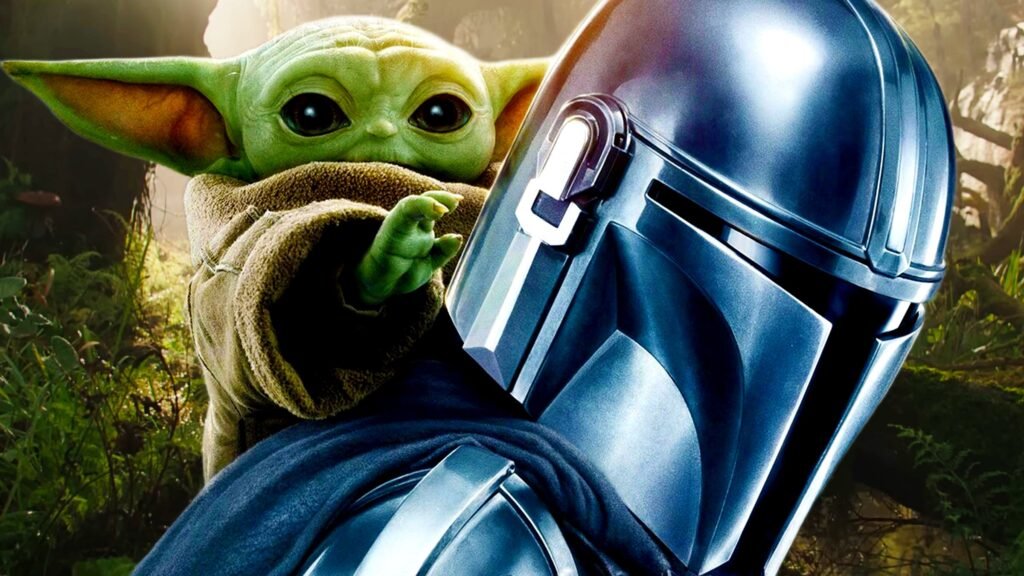
For the devoted Star Wars fandom, the film is an homage, not a betrayal. The space-western texture that made The Mandalorian a Disney+ phenomenon remains fully intact: a taciturn gunslinger in beskar armor, frontier worlds, bounties and confrontations — Sergio Leone’s palette transposed to a galaxy far, far away. Favreau and his team anchor the film carefully in the post-Empire era: the fledgling New Republic recruits Din Djarin and Grogu to help secure a fragile peace against scattered Imperial warlords, and the lore deepens around Mandalorian culture, Grogu’s nascent Force training, and a parade of welcome surprises — Sigourney Weaver as Colonel Ward, Jeremy Allen White voicing Rotta the Hutt, and even Martin Scorsese lending his voice to an alien fry cook (yes, really). What elevates the material to cinematic scale is the maturation of the father-and-son dynamic: as Favreau explained to StarWars.com, Grogu is no longer merely the child to be protected but an apprentice whom Din trusts with real responsibility — a coming-of-age arc that pays off with both epic action and quiet, devastating emotional beats. The critics’ divide (60% on Rotten Tomatoes, a 53 Metacritic) mostly centered on the plot’s episodic thinness; audiences, as usual, decided differently — an 86% approval and an A− CinemaScore. The devoted fanbase came, celebrated, and came back again.
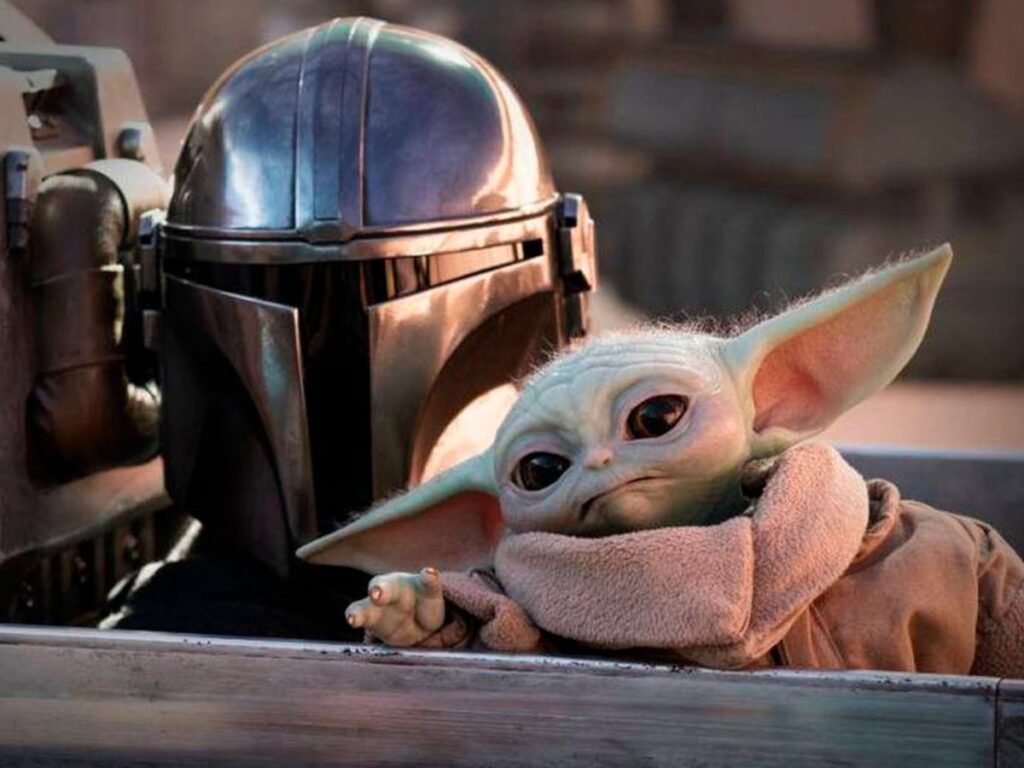
And here’s the trick for everyone else: the film works completely independently, because it was designed to. Favreau has said repeatedly that he wanted the movie to work for viewers who never watched a single episode — and he delivered. You don’t need to have seen seven seasons of Disney+ series or own a decades-deep timeline of galactic history to be moved. What you get is a vibrant, self-contained space adventure in the A New Hope tradition: a hero and a child against a fractured empire, starship chases, lightsaber-crisp action, a clear good-versus-evil spine, and humor that lands for kids without insulting adults. It’s the kind of franchise reintroduction studios keep promising and rarely delivering — a clean entry point that treats decades of lore as seasoning rather than a prerequisite. For the couch audience, it isn’t homework. It’s just a great Friday night.
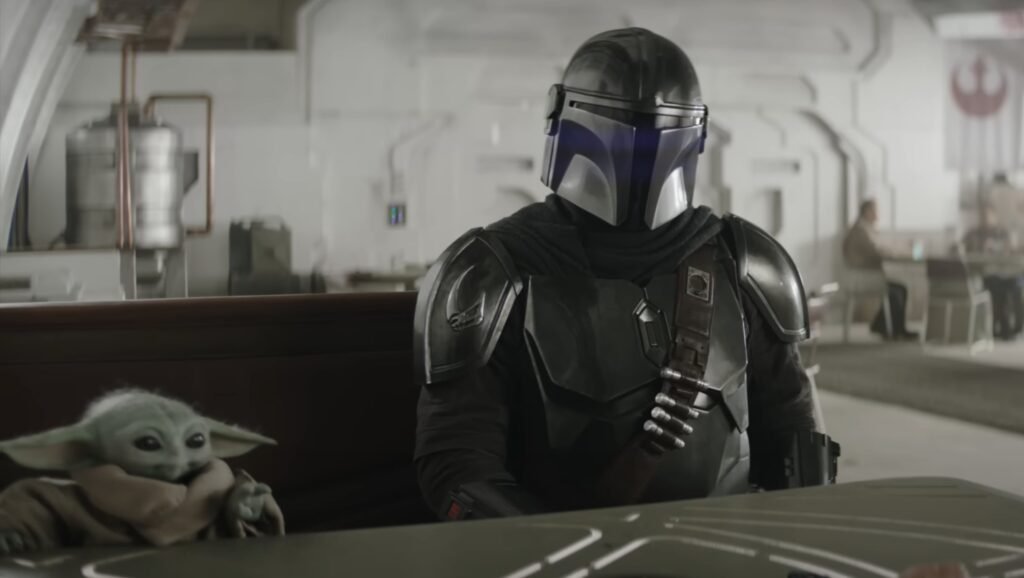
The industry impact is the thesis executives should frame. The Mandalorian and Grogu’s roughly $346 million gross — the most modest theatrical run in Star Wars history — would have been deemed a flop in the 2015 era, when a Star Wars film needed to cross a billion dollars to be declared a win. It’s now clear that isn’t how this franchise’s audience behaves: they split their loyalty between the theater and the living room, and Disney just demonstrated it can profit from both. The theatrical run was the event; the streaming debut was the celebration — a cultural encore, not a replacement. Nielsen’s 727 million minutes capture something the box office never could: people who had probably already seen it, rewatching together at home, turning a movie release into an ongoing fandom ritual.
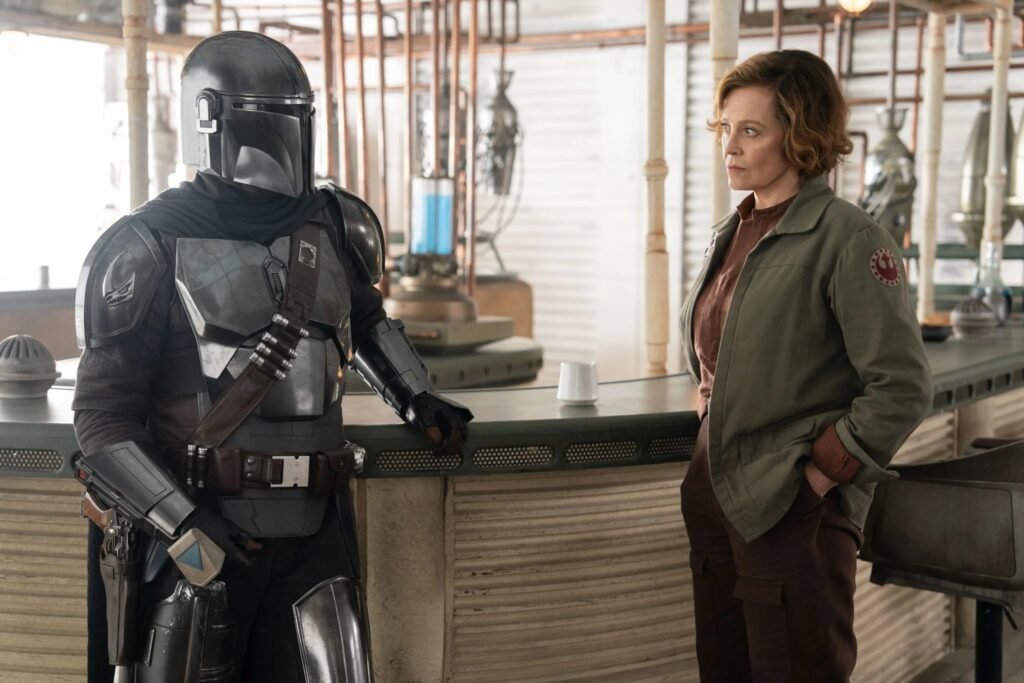
There’s a lovely symmetry in how this chapter closes. A story about a lonely warrior learning to trust, and a foundling finding a home, ended its run by doing exactly that — coming home to millions of living rooms, where Star Wars families actually live. Studios have spent a decade asking whether the big screen and the small screen are rivals. Din and Grogu just answered: they’re family. And the franchise that figured that out first may have just figured out how to survive in both.
For two decades, the genre that built Hollywood — the studio romantic comedy — was declared dead, exiled to niche streamers and Katherine Heigl B-movies. Then, in a single September week of 2026, the algorithm delivered its verdict: The Love Hypothesis, the adaptation of Ali Hazelwood’s BookTok-best-selling romance, dropped straight onto Prime Video on September 23, no IMAX, no opening weekend, none of the traditional marketing playbook — and promptly hit #1 on the platform’s film charts in dozens of countries while becoming the most-watched Prime Original film of the week, per Amazon’s own Top 10. No cinema. No box office. And yet, the fall’s hottest cultural conversation. If Supergirl’s theatrical collapse and streaming resurrection taught us that opening weekend is no longer the whole story, Amazon just took that logic to its natural conclusion: why even pretend theaters are part of the plan?
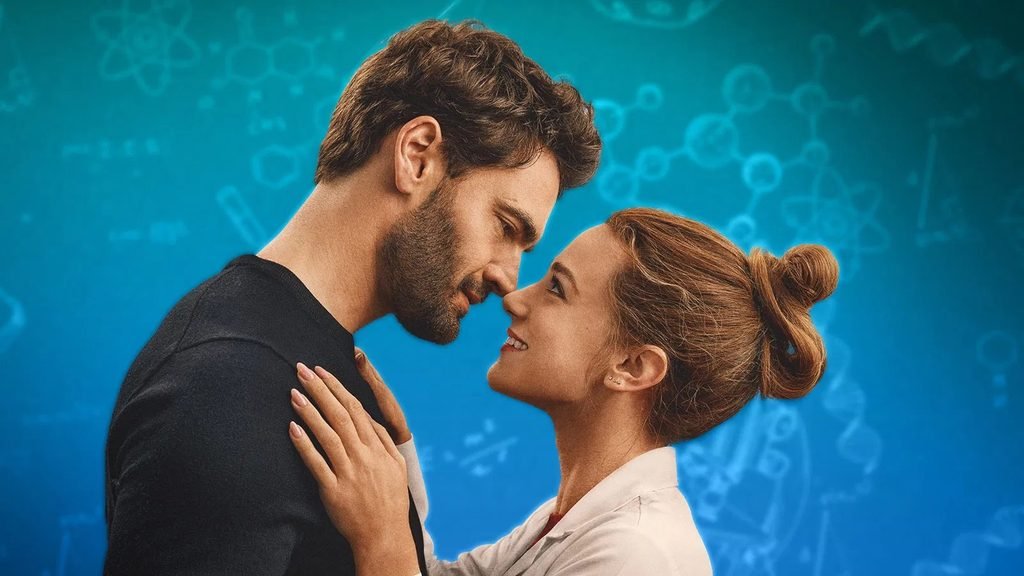
For Hazelwood’s army of fans — the millions of readers who made this novel a TikTok phenomenon before Hollywood knew what BookTok was — the movie is a case study in honoring source material without embalming it. The essentials are all there: the desperate fake kiss PhD candidate Olive Smith plants on the department’s most feared professor to convince her best friend, Anh, that she’s over their shared crush; the resulting fake-dating bargain; the lab-coat texture of academic subplots and science-poster precision; and yes — the famous Chapter 16, which director Claire Scanlon and producer Elizabeth Cantillon admitted to Publishers Weekly they recreated after fans begged for it, consent choreography intact. Lili Reinhart plays Olive with the perfect blend of anxious overthinking and surprising bravado, while Tom Bateman finds Adam Carlsen’s sarcastic register exactly — the grumpy monster with the unexpectedly soft center — and their chemistry is the one thing even the film’s mixed critics (a solid 75% critic score on Rotten Tomatoes, with 74% audience approval not far behind) refuse to deny.
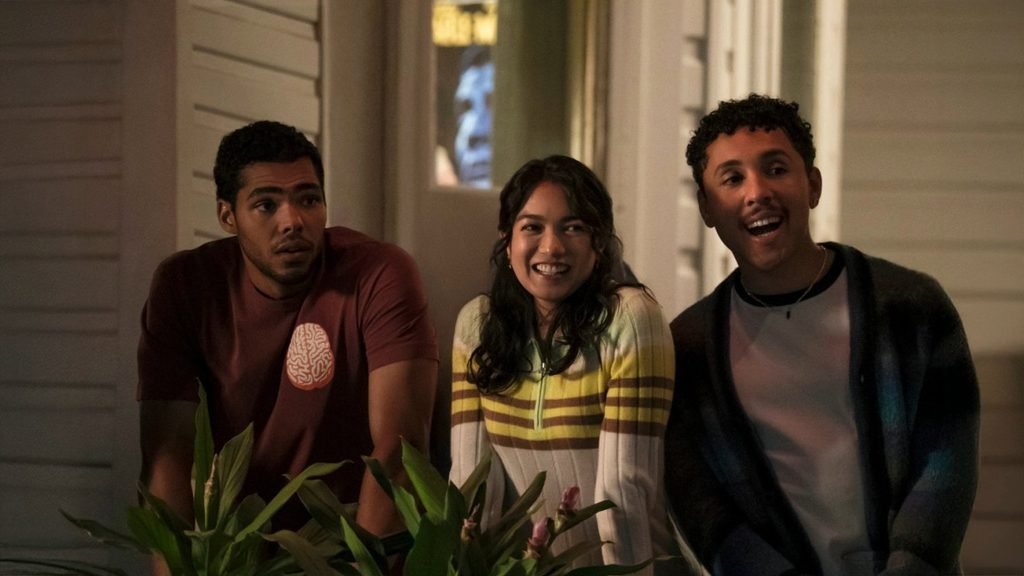
The smarter surprise is that the film requires zero homework. You never need to have touched the novel to fall for it, because Scanlon — a genre veteran whose Set It Up was one of Netflix’s streaming joys — builds a mature, adult romantic comedy about two brilliant people who have treated self-sabotage like a research protocol. The book-to-screen changes, made deliberately, serve the general audience: the film reorders Adam’s most telling moment so that his falling for Olive emerges on its own terms, and the ending is rewritten with a female-forward lens, making the story more conclusive on its own. What remains is genre DNA — the slow burn, the science-love banter, the “hypothesis” paying off with interest — updated for an era that wants its rom-com leads to have lab work and problems, not just meet-cutes. It’s a comfort-watch with a grad-school brain, and it’s precisely why it works for both the BookTok faithful and the uninitiated.
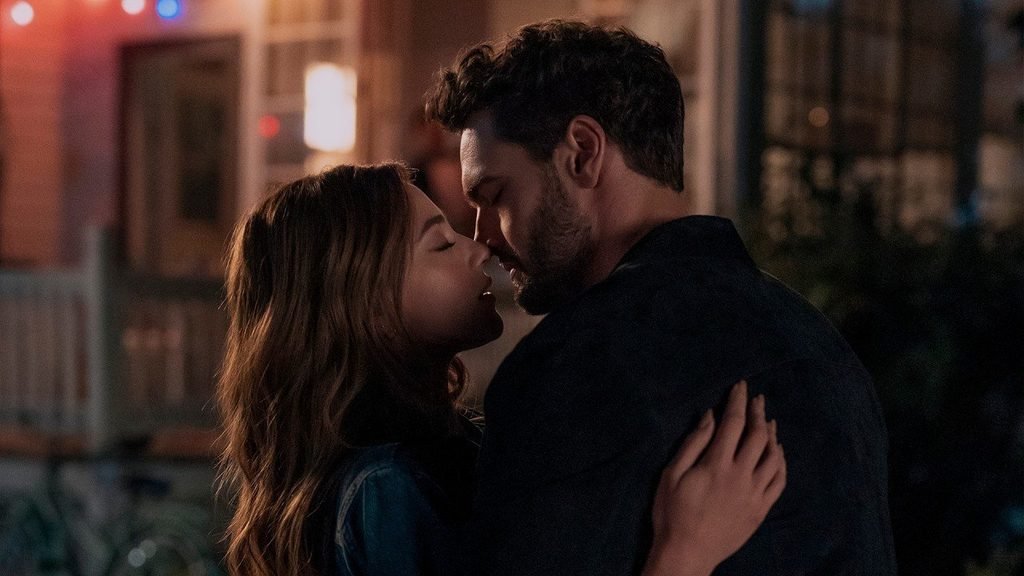
The meaning behind the entertainment is the delicious irony. In the same fall that saw a $170 million superhero film die in theaters and rise again on streaming, a romantic comedy engineered as a passive-catalog bet became the season’s most-watched event — and it never needed a theater lobby to do it. The film’s marketing engine was the fandom itself: Reinhart’s TikTok campaign pulling 57 million views overnight, proving that a premiere is no longer a weekend — it’s a conversation. Hollywood spent a decade telling rom-com fans that their comedies couldn’t pay for their own tickets. Amazon just demonstrated that the math was wrong from the start: the genre audience never disappeared, it simply moved from the multiplex to the watchlist.
The hypothesis, it turns out, was right all along. The rom-com audience exists, it is enormous, and it is measurable — it just lives on the couch, scrolling with its thumbs. The Love Hypothesis didn’t just prove a genre’s viability; it handed Hollywood its most uncomfortable thesis of the fall, alongside a capeless Supergirl: the box office is dead; long live the feed.
There is a specific kind of silence that only exists in the two seconds after a jet goes down — the hiss of dying turbines, the crackle of a radio that no longer answers, the sudden weight of enemy territory pressing in from all sides. “Mayday” opens that cockpit door and shoves you through it. When Ryan Reynolds’s Lieutenant Troy “Assassin” Kelly is shot out of the Cold War sky and stranded deep in Soviet Russia, the film wastes no time on backstory; it starts the countdown and dares the audience to look away. Every frame hums with the old-school urgency of the survival thriller — the stolen truck, the close-call checkpoints, the 1960s machinery of a surveillance state grinding after one very loud American. And then the film turns, as the best of them always do, and reveals that its real engine was never the chase. It was the man chasing him — or rather, the man who found him first.
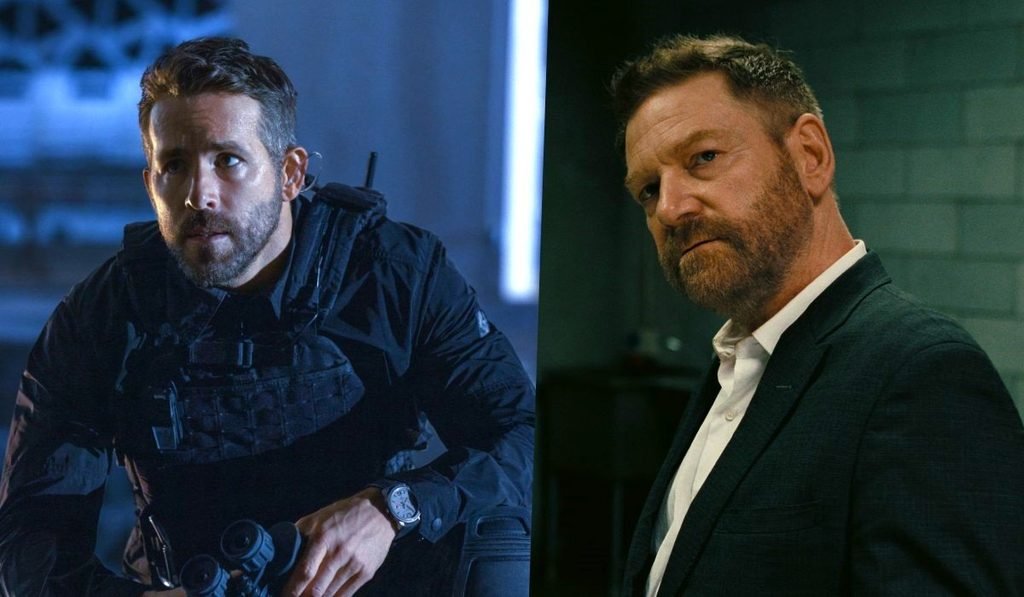
Kenneth Branagh’s Nikolai Ustinov is the masterstroke here: a gruff, unpredictable former KGB agent with a genuinely unexpected soft spot whose fondness for American culture runs impossibly deep. The film’s central joke — and its soul — is the collision between Reynolds’s bulletproof sarcasm, deployed like a flak jacket for a man who has never let anyone past the armor, and Branagh’s plainspoken, wooded gravity. Daley and Goldstein, fresh off sharpening this exact blend in “Game Night” and “Dungeons & Dragons: Honor Among Thieves,” stage their chemistry as a duel of mismatched rhythms — quicksilver banter against granite deadpan — and somewhere between the bickering and the bullets, the alliance turns real. The kicker is almost too poetic: an ex-KGB agent whohelped worships “Top Gun” now risking his life to save the flesh-and-blood version of that American fantasy, telling himself the pilot he’s dragging to safety is a kind of hero. It’s buddy-cop DNA grafted onto Cold War bone structure, and it sings.
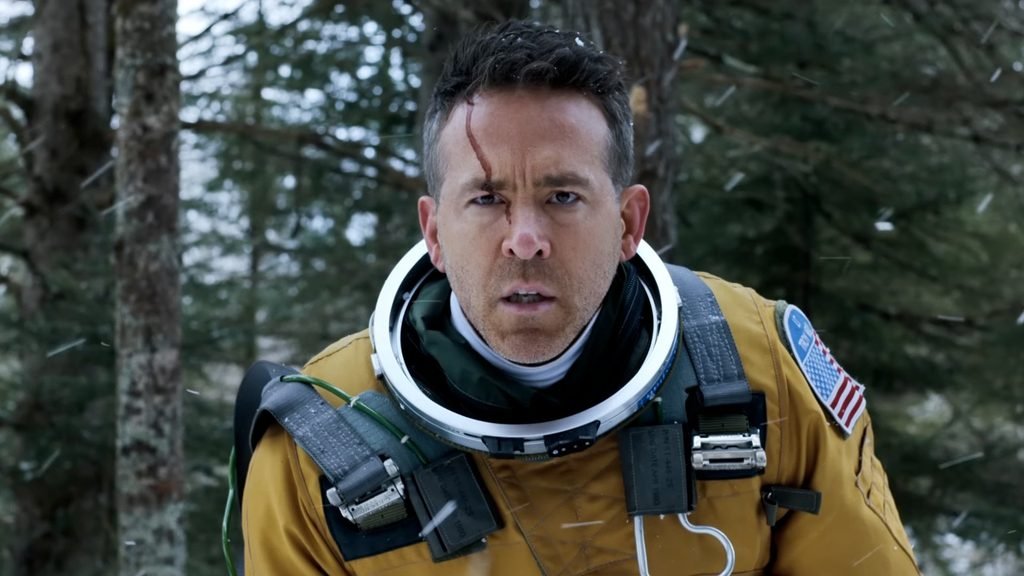
And audiences turned up for it in numbers that made this September the loudest month in the service’s history. “Mayday” premiered September 4 as the No. 1 film on Apple TV and never really let go: Luminate counted 8.7 million U.S. views in its first week, Nielsen logged 295 million minutes for the week of September 7–13, and Apple went further, crediting the film with the biggest movie debut in the platform’s history across its first 18 days — an estimated 12 million viewers by analyst Ted Linhart’s count. Apple even declared its biggest weekly viewership week ever in mid-September, a 67% surge, with “Mayday” as its centerpiece. Most telling of all: as of this week, the film still sits at No. 1 on the U.S. Apple TV movie chart every single day from September 28 through October 2 — nearly a month after release, outlasting releases that had every right to bury it. This on a service that had never launched a film with this kind of star wattage at this scale.
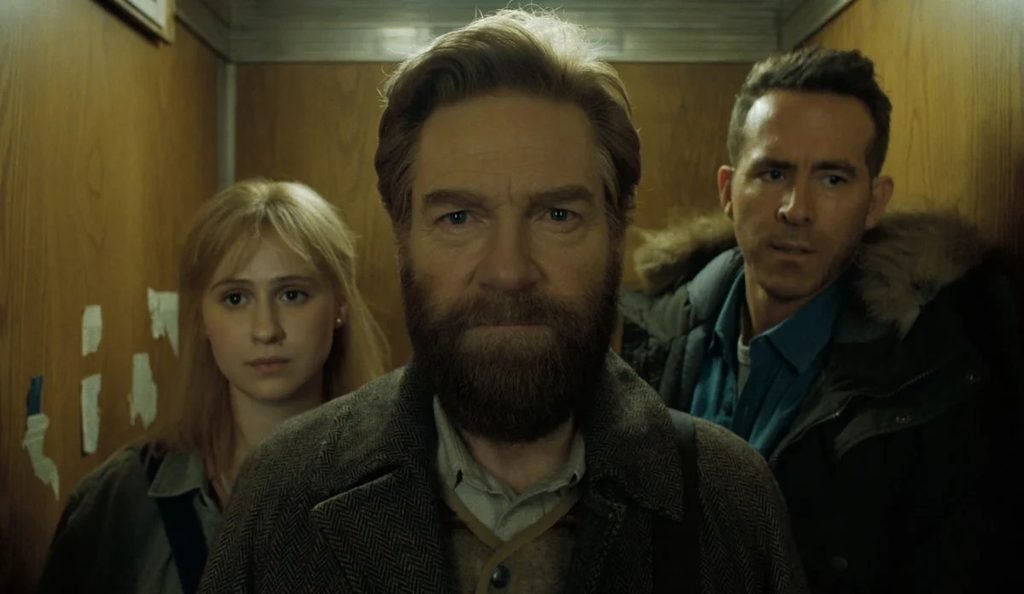
Because that’s what this film represents: the star vehicle as dinosaur, resurrected. Movie theaters spent the post-pandemic years exiling the mid-budget adult action film — the one that isn’t a superhero tentpole or a prestige drama — and direct-to-streaming obliged, killing the ritual of buying a ticket. Apple’s bet inverts that: make the star-powered, grown-up, Completely-Friday-night movie terrain of a monthly subscription instead of a $18 ticket. Reynolds at his crowd-pleasing peak IS that concept — a movie star whose brand is charisma itself — while Branagh headlining signals the kind of smart-audience action Hollywood forgoes. That the story is set in the Cold War feels less like nostalgia and more like appetite: an era when the enemies were clear, the lines were bright, and two men on opposite sides of history could still, believably, find common ground. “Mayday” isn’t revisionist about the era; it’s just fluent in the fantasy language America speaks in its sleep.
So the last image lands like a held breath released: two men who were never supposed to exist in the same story — the American ace and the Soviet shadow — standing on the same ground, having traded novels and mutual disbelief and, eventually, trust. The enemies-to-allies arc is as old as Hollywood itself, but “Mayday” earns its warmth the honest way, through the grudging accumulation of small mercies rather than montage. Coming out of 2026’s anxious cultural moment, that catharsis feels less like escapism and more like a deep exhale: proof that the Madison Avenue movie machinery still knows how to deliver the old promise — bigger than real life, driven by two faces you’d recognize in the dark. For a service best known for quiet prestige, the party-crashers from 1962 just built the biggest tent of the fall — and America RSVP’d in the millions, on the night of the week when everyone’s finally home from work.
The blue glow of a television in a dark American living room has become this decade’s campfire, and the stories we gather around it are no longer comfort stories. They are case files. Somewhere between the credit sequence of one thriller and the autoplay of the next, a nation has quietly confessed its appetite: we want to be afraid, we want it contained, and above all we want the answer. Look at what Netflix’s charts looked like through August and September of 2026 and you will see a genre holding the fort like a suspicious neighbor — UNABOMBER debuting at No. 1 with 16.4 million views, The Last House burning through 33.5 million views in its second week, Death of the Pastor’s Wife opening with 19 million, Monster: The Lizzie Borden Story leading the television list twice, climbing from 12.1 to 14.5 million views, and The Whisper Man refusing to leave, five consecutive weeks on the chart after peaking at 33.4 million. One caveat deserves honesty: this is an August-and-September sample, not a statistical verdict on the entire year. But the pattern is too loud to ignore — while comedies flickered and faded, the dark stuff stayed lit.
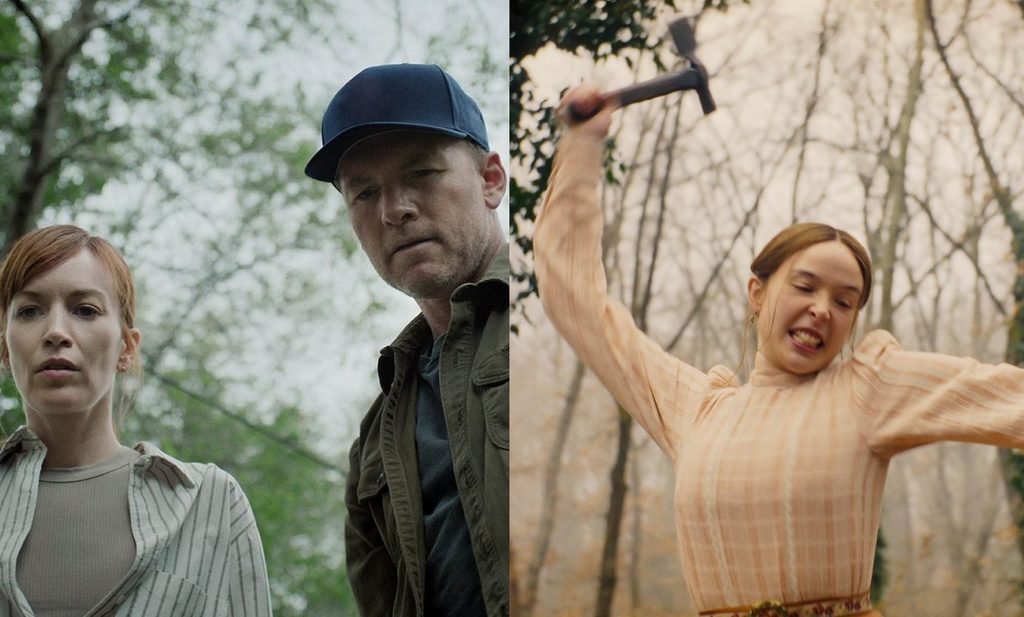
What the genre understands better than any other is the architecture of the question. A thriller does not need a franchise, a shared universe, or homework; it needs a single unbearable question planted in the first ten minutes — who took the child, who is the voice, who is lying. That question fits inside a thumbnail, survives an autoplay preview, and follows you into a second episode the way debt follows a paycheck. In an era where the menu itself is the enemy, where 4,000 titles compete for the first three seconds of attention, psychological suspense is the genre with the lowest barrier to entry and the highest gravitational pull. It is fear with the living-room lights on: the viewer knows the cage is safe, the remote is in hand, and still the unanswered question refuses to release its grip.
But the numbers only tell half the story, because the appetite is not really about plot mechanics — it is about control. America in 2026 has turned true crime into a civic ritual, a way of staring directly at the chaos it cannot legislate away, whether it arrives as a defendant in Idaho, a manifesto in a Montana cabin, or an axe in a Fall River bedroom. The docuseries let us play investigator; the scripted thrillers go one step further and restore the illusion of justice that the morning news keeps stealing. There is a bargain being struck on every couch in the country: give me the worst thing that can happen, but promise me resolution. And the genre speaks every language at the gate — Facing El Chapo opened to 18 million views and held a No. 1 seat among non-English films for five weeks, while a Swedish mystery (Blood Sacrifice) and a Dutch thriller (The Perfect Lie) each topped their own global lists. Guilt, suspicion, and the hunger for answers apparently need no translation.
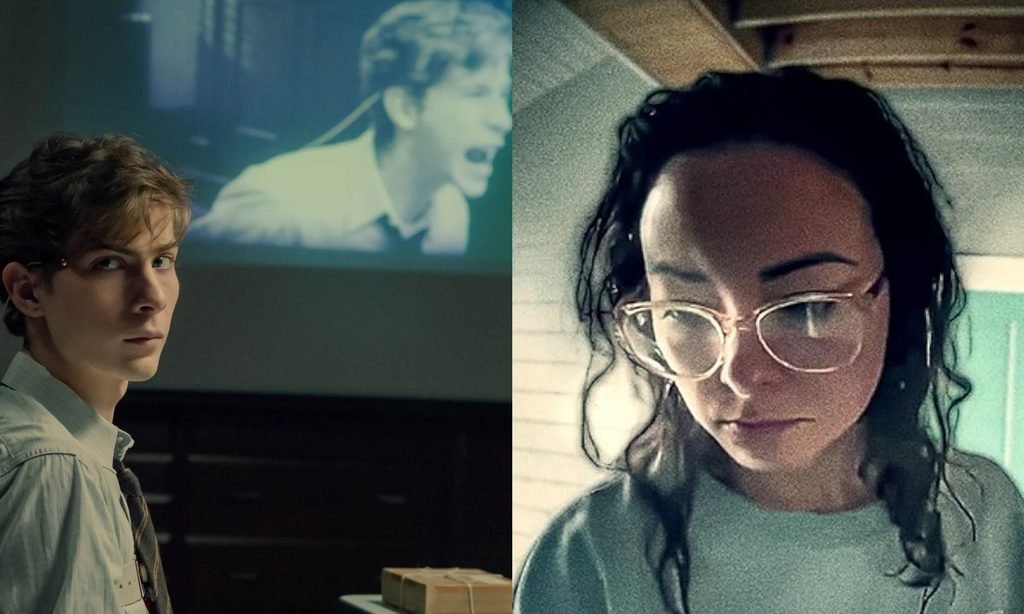
Which brings us to the most revealing number of the season: 46. That is The Whisper Man’s Rotten Tomatoes score, a verdict of near-contempt from critics — set against a 33.4-million-view peak and a month of chart residency, alongside I Will Find You’s nine-week marathon. The split is not an accident; it is a diagnosis. The Top 10 measures reach, not merit, and the audience has learned to optimize for feeling rather than form — a premise that grips, stars they trust, an ending that closes the wound, and originality be damned. Netflix, meanwhile, has every reason to feed the machine, because a thriller is efficient to produce, travels without a passport, and converts anxiety into watch time at a rate no rom-com can match.
So the credits roll, the screen goes black, and the room returns to its ordinary darkness — except it isn’t quite ordinary anymore. Somewhere down the hall, a parent pauses outside a child’s door for one beat too long, and the silence of the house feels newly charged, as if it were listening back. That is what the genre is really selling in 2026: not scares, but a recalibration of the everyday, the sensation that danger might be wearing the face of the familiar. Millions clicked because the question was irresistible; the charts can measure that. What they cannot measure is the hallway, the pause, the held breath — the aftershock that keeps the next case file one autoplay away.
There is a sound older than any scream in American cinema, and it lives in the space between a child’s bedroom door and whatever waits on the other side of it. A whisper. Not a threat, exactly — an invitation, soft and patient, the voice of something that has learned that children will follow kindness before they will follow fear. “The Whisper Man” builds its entire architecture of dread on that single, unbearable premise, and for five consecutive weeks America has pressed play on its own nightmare. When eight-year-old Jake Kennedy vanishes, the film does not treat abduction as a plot device; it treats it as the primal terror it actually is, the one that made a generation of parents memorize faces on milk cartons and check locks twice. Watching it, you feel your throat tighten — not because of what the movie shows, but because of what it knows you’re imagining.
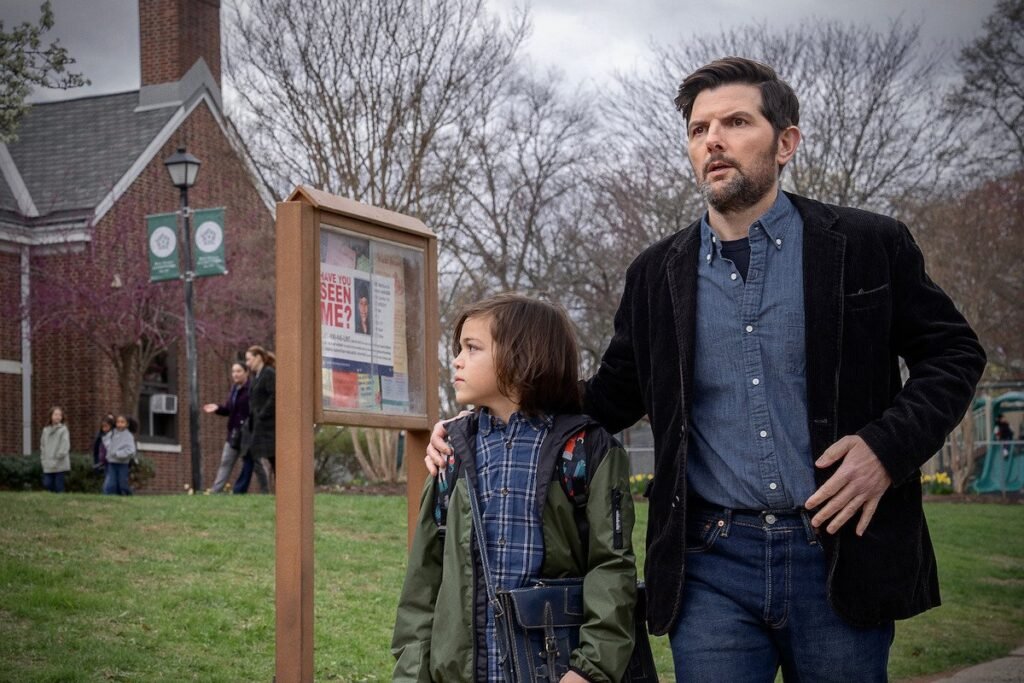
The genius of the film, adapted from Alex North’s bestselling novel and directed by James Ashcroft, is that the monster is almost secondary to the grief. Adam Scott plays Tom Kennedy as a widowed crime writer whose fictional terrors have collapsed into reality, a man so hollowed by loss that his son’s abduction feels like the universe completing a sentence it started at his wife’s grave. Robert De Niro, in one of his most quietly devastating performances in years, is Peter Willis, Tom’s estranged father and a retired detective, and the investigation forces two generations of silent men to finally say the things they’ve whispered around for decades. Michelle Monaghan’s Detective Amanda Beck carries the procedural urgency, while Michael Keaton’s Frank Carter — the original Whisper Man, the voice in the cell — drips with the institutional injustice of a town where children were taken and the answers were buried along with them. When the possibility of a copycat surfaces, the movie stops being a mystery and becomes an exhumation: of a case, of a family, of everything America prefers to keep locked in the basement.
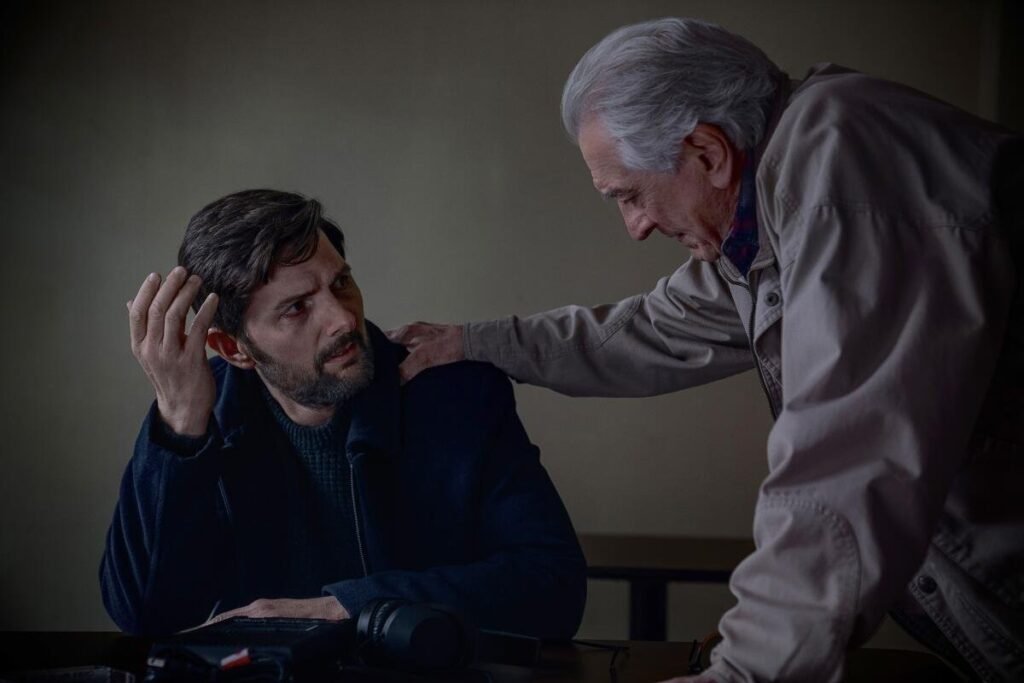
And the country watched. Not politely, not gradually — en masse. The film premiered on August 28 at No. 2 on Netflix’s Global English Films list with 23.2 million views, then seized the top spot the following week with a staggering 33.4 million views, according to TheWrap’s reporting. Nielsen placed it at No. 6 on American television with 149 million minutes viewed for the week of September 14–20, and in the most recent complete reporting week, September 21–27, it still ranked No. 5 worldwide with 7.6 million hours and 4 million views — a fifth straight week inside the Top 10, an eternity in the streaming churn where most titles evaporate in eleven days. What makes this fascinating is that the critics never caught the fever: 46% on Rotten Tomatoes, a 52 Metascore, reviews that called it competent but conventional. The audience simply did not consult them. This is the purest form of streaming success — not awarded by consensus, but seized by instinct.
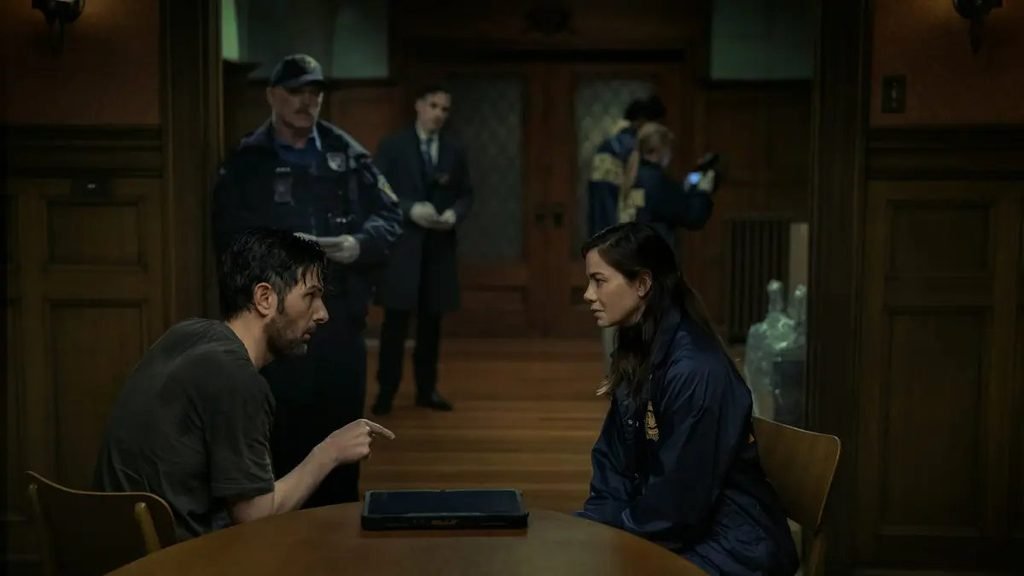
The instinct it seized, I’d argue, is deeply American. Tom Kennedy is not just a character; he is the audience’s mirror — a true-crime obsessive whose consumption of darkness collides with actual darkness, the same feedback loop that made podcasts and docuseries a national pastime. The film understands that the country’s oldest fear is not the monster in the woods but the child taken from the suburban cul-de-sac, the AMBER alert buzzing on a phone during a school run, the crime that happens where it was supposed to never happen. Casting De Niro and Keaton — two titans of American screen menace, one representing the law’s weariness, the other evil’s patience — turns the movie into a generational reckoning, a duel between what the nation promised its children and what it failed to protect. The whispers of the title, in the end, are not only the killer’s lure; they are the unsaid things between fathers and sons, the grief families speak around but never through.
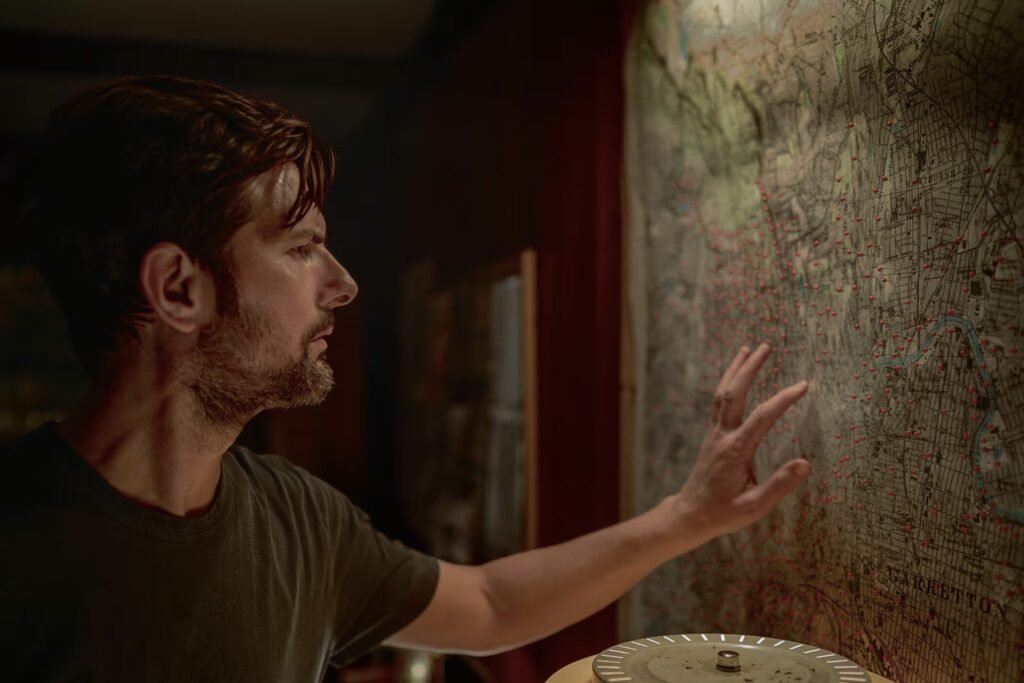
That is why the numbers matter less than what they measure. A mixed-reviewed thriller outlasting flashier competition on the charts for over a month tells you that in 2026, American audiences are not looking for novelty from their fear — they’re looking for recognition. They want terror that feels like family, injustice that stings like memory, and a resolution that offers catharsis rather than comfort. “The Whisper Man” delivers enough of all three to keep millions of households up past midnight, and the film’s five-week residency on the charts is less a commercial anomaly than a cultural symptom. Somewhere tonight, a parent will finish it, walk down the hallway, and stand a second longer at a bedroom door. The whisper lingers. That, more than any viewing figure, is the story.
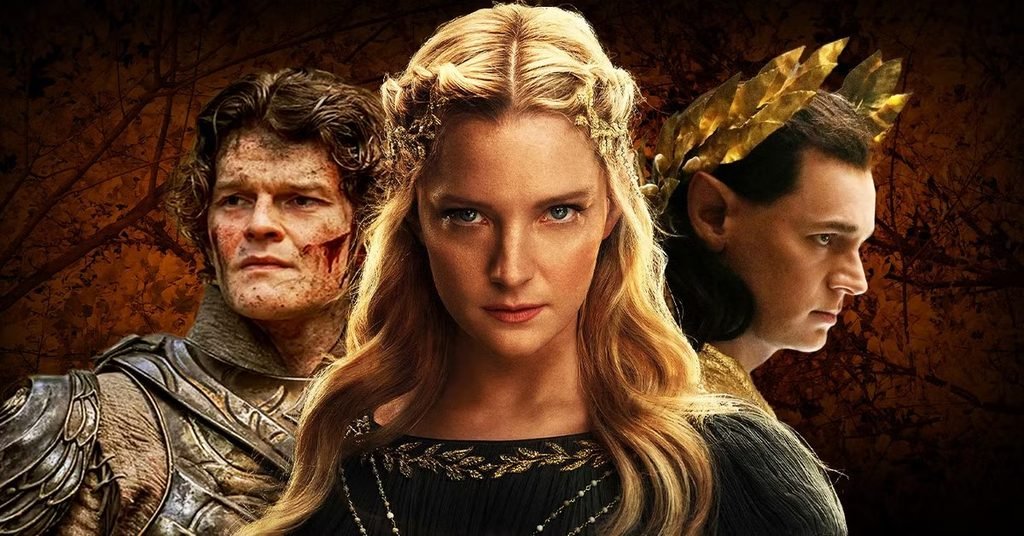
There is a small, reliable pleasure that belongs to the American autumn: the window cracked against the first cold, the kettle on, the blanket that only comes down from the closet shelf when the leaves do. This November, that ritual gets an outrageous upgrade. On Wednesday, November 11, The Lord of the Rings: The Rings of Power returns to Prime Video — and for the first time in the show’s history, Amazon is not dispensing Middle-earth one patient installment at a time. The first four of eight episodes arrive at once, like a host who, upon answer the door, sets the whole table before you can take off your coat. Two more chapters follow on November 18, and the season closes — as we now know the truly great stories insist on doing — with a two-part finale on November 25. In an era when streaming schedules are engineered to ration your longing, the gesture reads like something almost old-fashioned: an invitation to settle in beside the fire and stay.
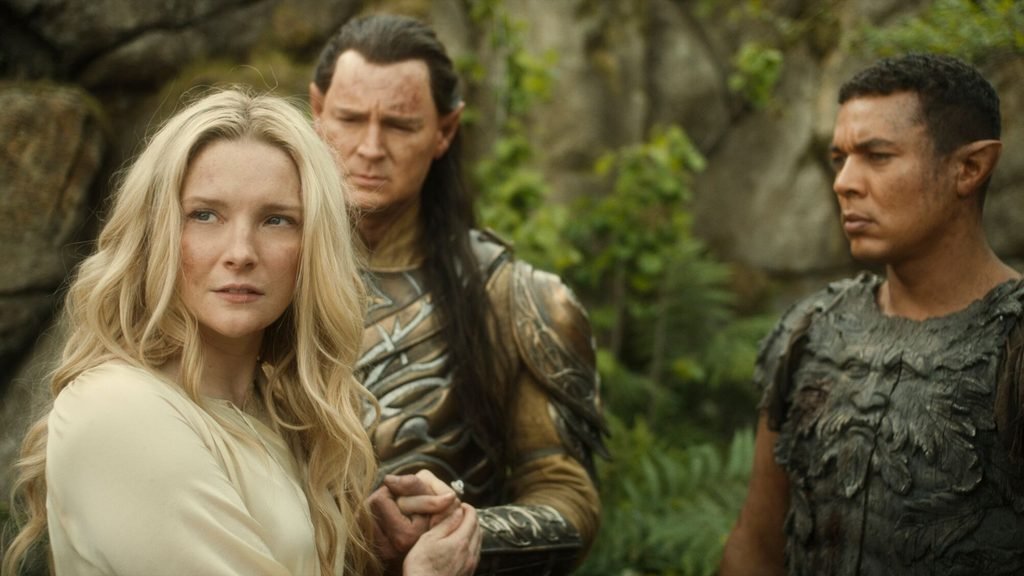
And what is waiting behind that door deserves the candlelight. The showrunners have told us where we’re going — five years after the fall of Eregion, a war story in which what was gathering shadow finally begins to take shape — and the season’s center of gravity is not a battle at all, at least not at first. It’s a reunion. After two full seasons of absence, invisibility, and grief that Galadriel carried like a hidden wound, Celeborn arrives — played by Jamie Campbell Bower, in what may be the single most quietly awaited entrance the series has staged. Think about what the show has been holding in reserve: a wife who believes she is widowed, learning that her husband lives. Tolkien’s Second Age is a chronicle of realms and rings, but its most devastating magic has always been intimate, and the return of a love thought lost is exactly the kind of grace note this series has been saving for the moment its world turns darkest. The season’s warmth and its shadow arrive together — which is, perhaps, the most Tolkien thing about it.
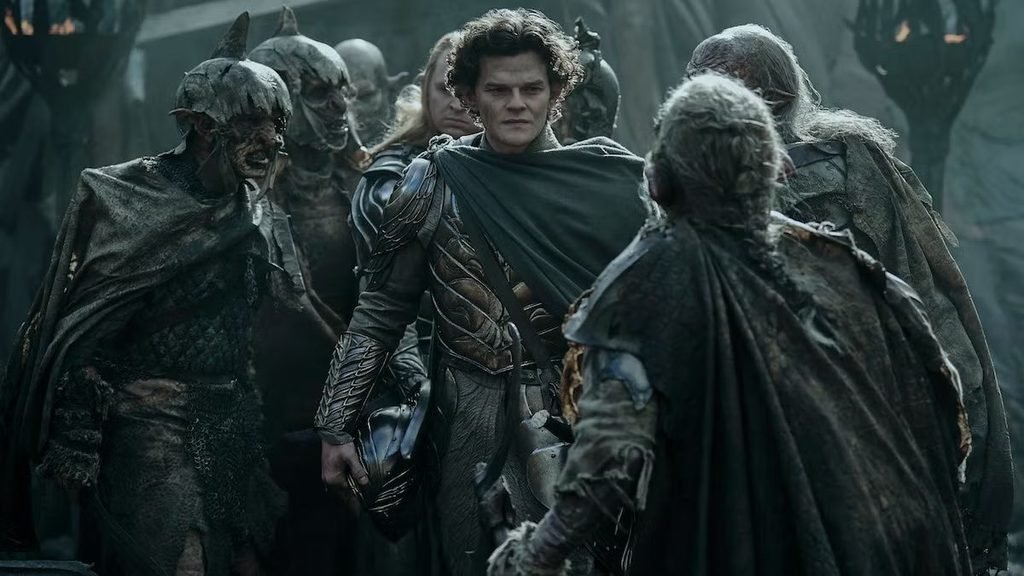
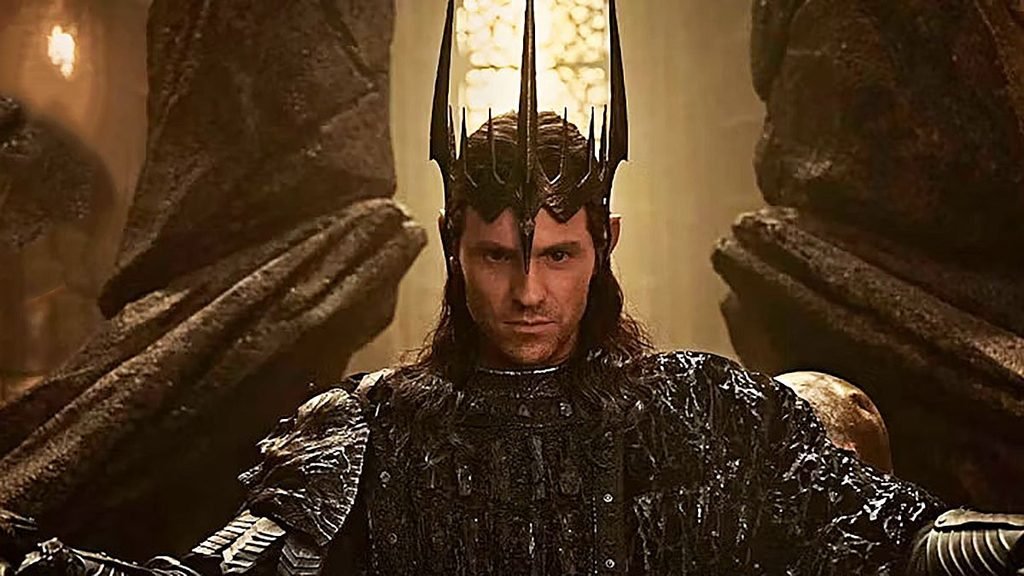
Then there is the matter of the Ring itself. Patrick McKay, half of the showrunner duo, has confirmed plainly what the teaser promised: this is the season in which Sauron — Charlie Vickers, chilling in his restraint — makes the One Ring, in the volcano, and the forging that the entire saga has been orbiting finally begins in earnest. McKay has described the change of tone bluntly: “Darker, more dangerous. No-one is safe,” with the first two seasons having spent their years lighting fuses so that all those bombs could start exploding now. And alongside the One Ring comes its promise of servants: the studio has introduced four ring-wraiths of Sauron — figures the official material frames as an earlier Second Age incarnation of the Ringwraiths we know are coming, with the Easterling Khamûl among them. Parse that carefully and you feel the floor tilt: the clay of the Nine Kings of Men, the Nazgûl-to-be, is already being gathered somewhere offscreen. That is the show’s masterstroke of dramatic architecture — we, the audience, are the only ones in the theater who know how the poem ends, and every honor these characters perform, every vow they swear, is being inscribed in a hand they cannot yet read.
What a gift, honestly, that it all lands in the heart of the season made for it. The Rings of Power has spent its life being argued about, but Season 3 feels designed for the people who stopped arguing and just stayed — the ones who kept the faith that this间的 Middle-earth would grow into its own weather. A darker season, yes. A war, yes. But war in Tolkien was never the point; it was the pressure that revealed what love, and loyalty, and small stubborn courage were actually made of. So light the candle. Queue the first four episodes the way earlier generations queued the carols — without irony, without apology. Middle-earth does not come home often, and when it does, it comes full: the husband returned from the edge of death, the Ring on its way to being, the wraiths stirring in the distance, and three quiet weeks of November to watch the age turn. Some marathons are about deciding whether a show is good. This one is about remembering why we ever wanted to go there in the first place — and how good it feels, on the first cold night of fall, to be believed when we say we’re going.
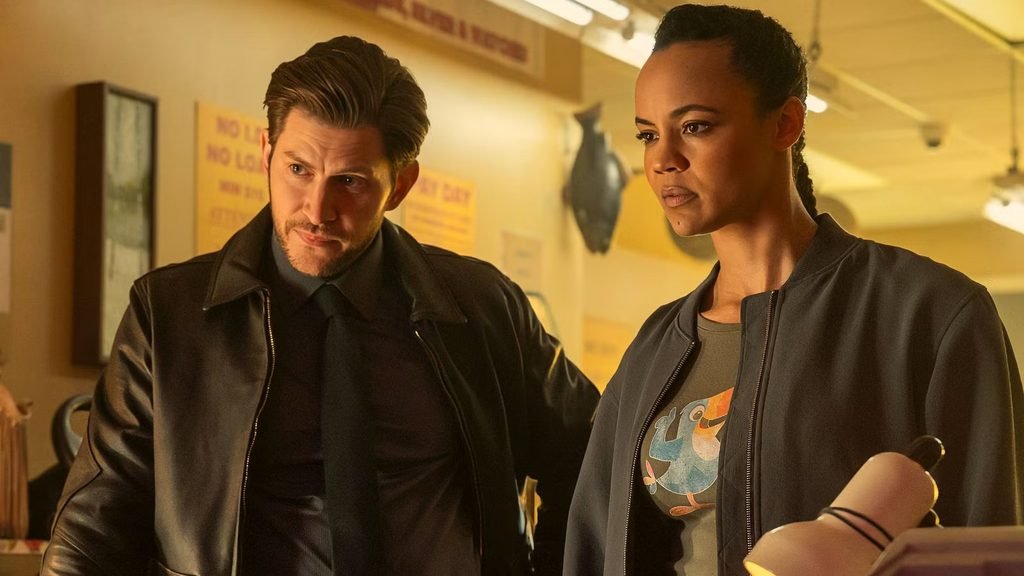
Here’s the thing Prime Video understood before anyone else did: the most interesting person in the Jack Reacher universe was never the 250-pound drifter at all. It was the five-foot-four intelligence specialist who could dismantle a bar full of oversized men, and who eats Cocoa Puffs for dinner like the tradition runs three generations deep. When Neagley premiered on September 16, 2026 — eight episodes dropped directly onto the Reacher Season 4 finale — the platform wasn’t launching a spin-off so much as finally handing the keys to the person in the passenger seat who’d been driving half the time anyway. Maria Sten had spent three seasons turning Frances Neagley, a Lee Child secondary character with no solo novel to lean on, into a fan favorite through sheer precision: the clipped dialogue, the no-nonsense posture, the personality of someone who has never once needed to raise her voice to end a room. Amazon bet that audiences would follow her without the human battering ram beside her. They did — 40 million global viewers in thirteen days, the fourth-biggest original-series debut in Prime Video history, 52% of them international, and a Season 2 renewal confirmed on October 1, barely two weeks after the finale credits rolled.
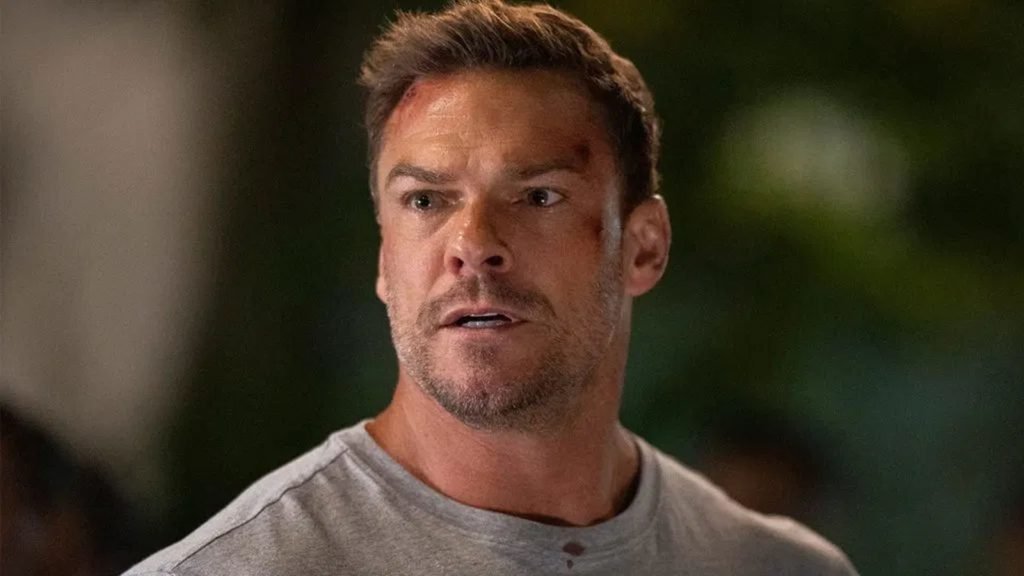
For the veterans, the series works like a well-timed callback — it honors the universe Lee Child built across three decades of paperbacks without ever asking viewers to show homework. Neagley’s past in the Army’s 110th Special Investigations Unit, the tight-knit team of military investigators she served alongside in Reacher and in Child’s Bad Luck and Trouble, isn’t recited; it informs everything she does. Her obsessive Cocoa Puffs ritual returns as a quiet badge of continuity, the kind of detail that reads as a wink to longtime fans rather than a prerequisite. And when Alan Ritchson’s Reacher appears, it’s as connective tissue, not an anchor. The series trusts that if you already knew her, you’d understand; if you didn’t, you’d want to. That’s the difference between adaptation as citation and adaptation as inheritance.
For everyone else, the good news is simpler: Neagley works as a fully self-contained urban thriller without a single episode of Reacher required. The premise — a Chicago private investigator whose beloved childhood friend dies in what everyone official swears was an accident — is as old and as reliable as noir itself, and the show builds outward from that loss into a conspiracy involving a cult-like commune and a pharmaceutical cover-up. Her Army past and her history with Reacher supply texture, not prerequisites; a newcomer can meet her mid-investigation and simply follow the case. Amazon knew exactly what it was wiring: the Reacher finale functioned as an airstrip, one franchise handing a baton to the next. And now the handoff has become a relay: three days before Neagley’s second season was made official on October 1, Amazon greenlit Reacher for a sixth — announced this week, with Season 5 already in production — giving the parent series its first double renewal in a single year, per Deadline. The rumor that spin-offs cannibalize their source material is, at this point, hard to find in any of these spreadsheets.
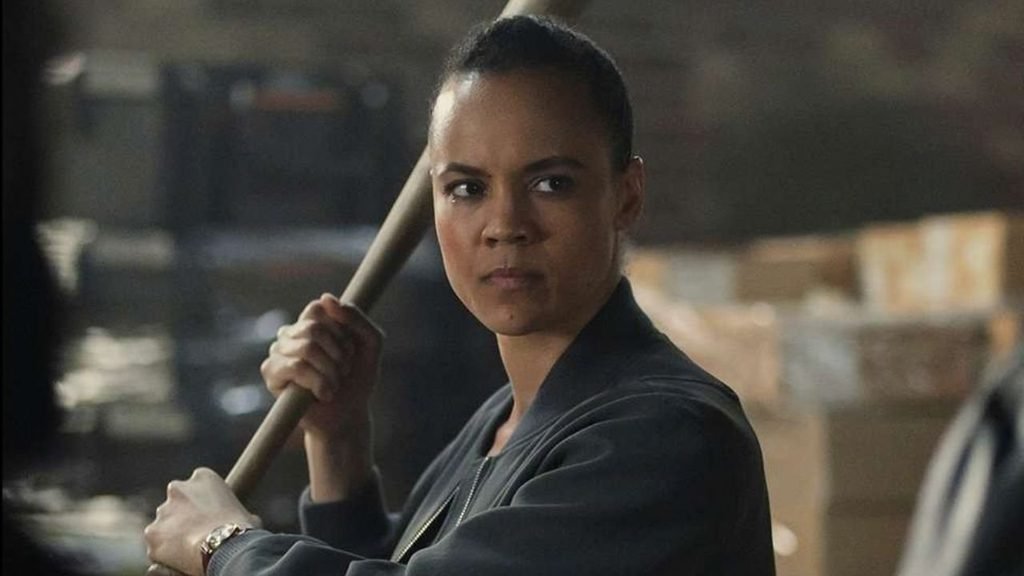
That’s the needle the show ultimately threads, and it’s the reason the dual renewal week feels earned rather than inevitable. Variety’s review argued that a franchise loses something when Reacher leaves the room — a fair critique of a show betting on quiet competence in a genre addicted to spectacle. But Neagley’s counterargument is baked into its design: it never needed the giant. Sten plays the character with the discipline of someone who survived an institution that manufactured men like Reacher as a survival strategy, and the show lets competence itself be the spectacle — checklists, constructions, the slow tightening of a case that closes on the villain’s own schedule. In a landscape where most spin-offs are licensing exercises wearing a dead star’s clothes, this one walked away from the mothership on its own legs — 94% on Rotten Tomatoes, a Nielsen No. 1 premiere week, and now two confirmed seasons running parallel with Reacher’s own future. With Reacher strapping in for a sixth lap and Neagley locked for Season 2, the universe Lee Child built has become the rare TV dynasty where the spin-off isn’t the apology — it’s the argument. Frances Neagley, twenty-plus years after Child first wrote her, was never a supporting character at all.
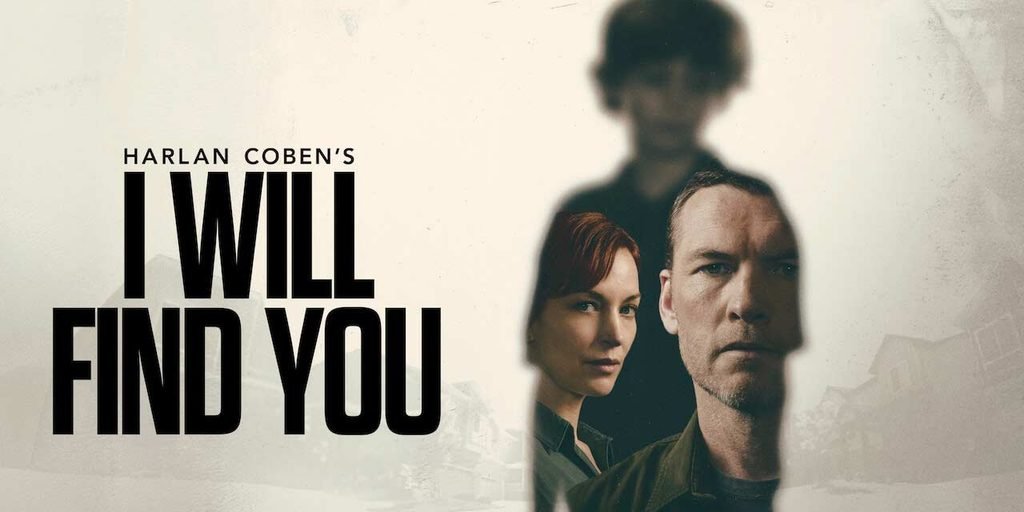
September 2026, and the Netflix ordering machine has done something quietly historic: I Will Find You — a Harlan Coben adaptation with a 56 on Metacritic and a plot involving a faked child’s corpse — has clawed its way onto the all-time Most Popular list with 120.8 million views, leapfrogging Wednesday Season 2 to become the most-watched Coben property in the platform’s history. Not a prestige chandelier, not a Ryan Murphy circus: a bait-and-switch melodrama that critics called “watchable” the way you’d call an autopsy watchable. The trades will file this under “content” — a limited series the algorithm fed to 120 million households of people who claim they’re exhausted by true crime. But the smarter reading is that the number itself is the story. Something about a man who spends years believing a lie the entire system verified — a conviction, a burial, a closed case — is hitting a nerve the industry’s own dashboards can’t see. This is not an audience that got tricked into watching. This is an audience that recognized something.
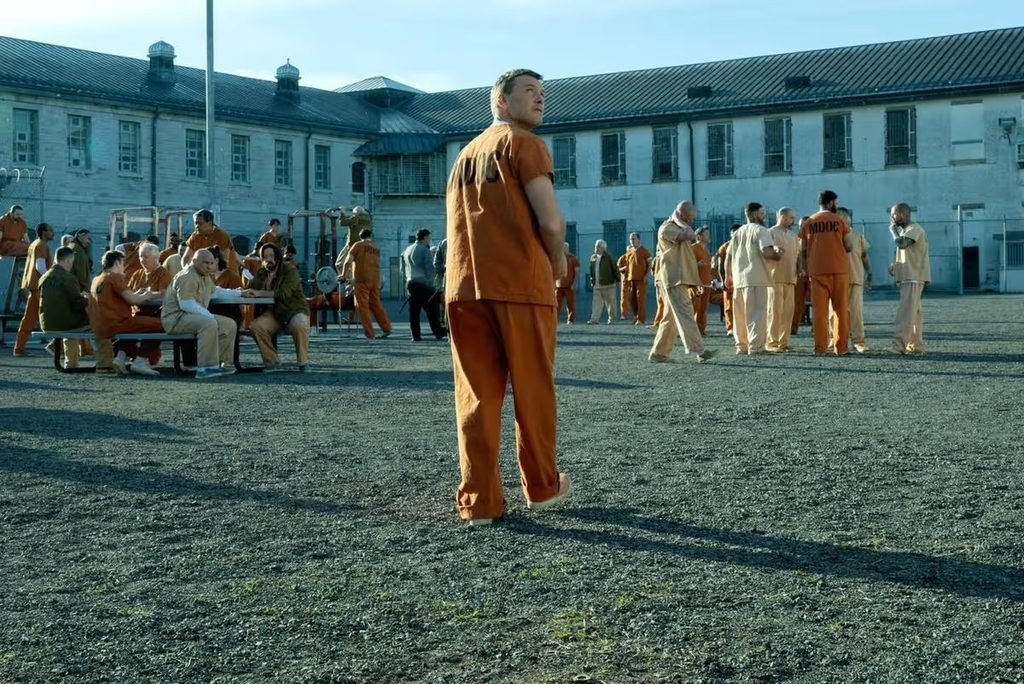
Because the show’s cruelest invention isn’t the prison escape; it’s the geography of the lie. Matthew Burroughs isn’t hidden in a cabin or a basement — he’s raised as “Theo” inside the Payne family’s orbit, the most respectable address in the show’s Boston, the kind of wealthy household whose philanthropy buys both county clubs and county prosecutors’ patience. And the mechanism of the delusion is pure Coben-blue-ribbon cruelty: Hayden Payne (Milo Ventimiglia, doing grief with his jaw) believes he’s Theo’s biological father because of a fertility-clinic clerical mix-up involving the boy’s mother. A child stolen on the strength of a paperwork error, rechristened, and raised in plain sight by people whose standing made them legally invisible. Now layer on the American present: we are a nation that has Ring cameras pointed at every porch, Nextdoor threads that can mobilize three hundred amateur detectives over a doorbell notification, gated communities run like low-security prisons. We have never surveilled each other more. And the show’s punchline is that all of that instrumentation missed a human being hiding in the single most conspicuous place in town — not because the cameras weren’t running, but because nobody with authority ever looked. The horror isn’t that we’re being watched. It’s that watching, itself, is a class privilege administered by the people we’re most afraid to suspect.
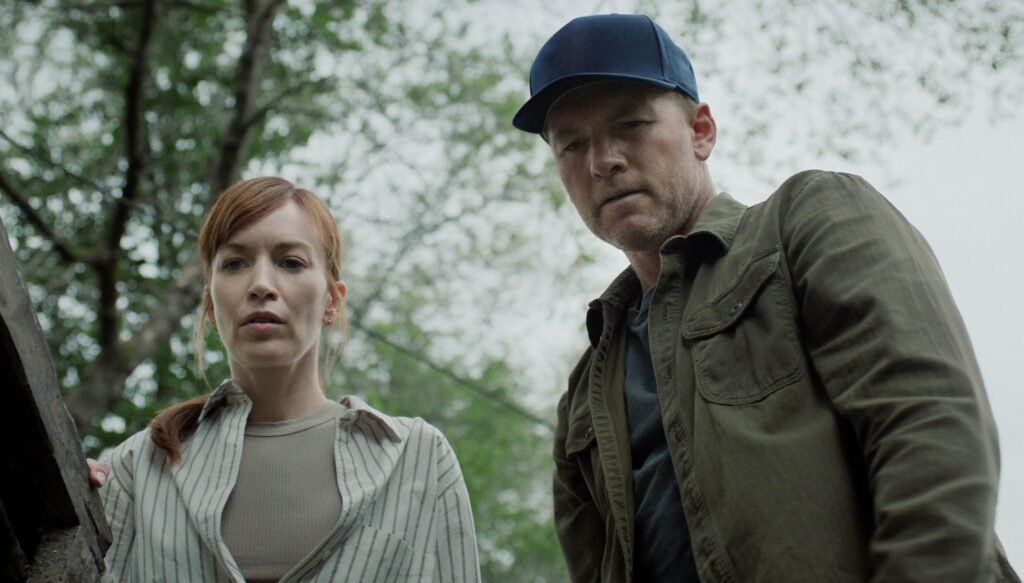
That’s the emotional raw nerve the series keeps pressing: the dread of realizing that a child can be swapped, renamed, and raised by the wrong family while every institution — the police, the courts, the FBI, the medical bureaucracy — certifies the lie with a signature. The American mind, 2026 edition, doesn’t need convincing that systems lie; it needs only a story that finally says the quiet part out loud. Which is exactly what the finale delivers with almost cynical efficiency: the frame-up wasn’t incompetence, it was arithmetic — a body swapped for a child’s, testimony bought through mob pressure, an entire city’s machinery committed to a wrong answer because the alternative was admitting the Payne family’s money had fingerprints on the file. It’s melodrama, yes, but melodrama functioning as social diagnosis: Coben’s machine converts grief into a renewable fuel source of fear, and the audience keeps renewing the subscription. The fantasy the show sells isn’t that surveillance works — it’s the opposite. It’s the fantasy that someone, eventually, will look past the cameras and see what the powerful have trained everyone else to miss. In an era where neighbors report neighbors and institutions report nothing, that fantasy is not escapism. It is, more or less, the national pastime.
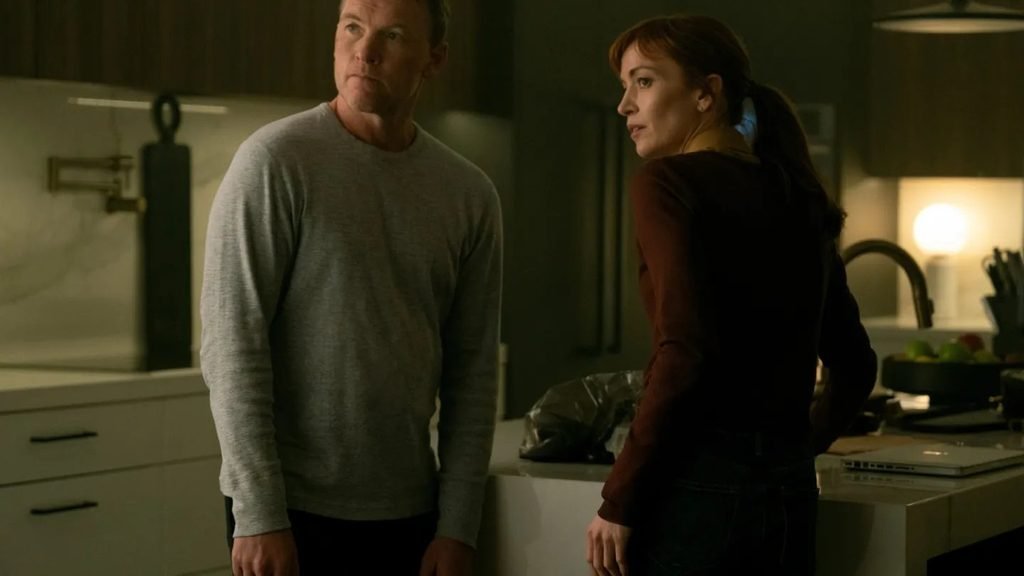
That’s why the 120.8 million number deserves a more honest obituary than “watchable thriller does numbers.” The series’ cultural weight has nothing to do with its craft — the repetition, the dead-end subplots, the Toronto-as-Boston flatness that even its friendliest critics flagged. It’s that Coben’s formula has quietly become the most reliable delivery system in American television for a very specific modern dread: the certainty that everyone around you is watching, that none of them will tell you the truth, and that the only person who can save you is someone the system has already erased. When Milo Ventimiglia’s Hayden Payne ends up dead at the hands of the very FBI he was never in front of — or when David Burroughs’ conviction is finally overturned after the system spent a decade confirming its own error — the audience doesn’t gasp at the twist. We nod, grimly, because we’ve spent the last decade being told the institutions work, then watching them not. The melodrama isn’t a bug. It’s the diagnosis — the anxieties the show plants are the ones America already carries to bed. The real twist of I Will Find You isn’t who took the child. It’s that 120 million of us watched a story about total surveillance missing total truth and felt, not surprised, but seen.
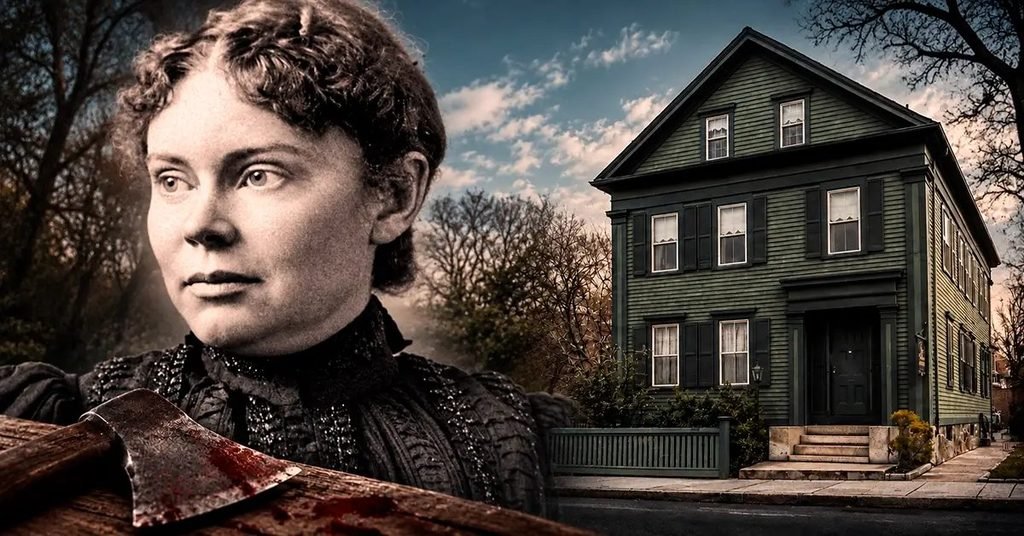
The first thing America ever wrote about Lizzie Borden — at least the earliest version anyone has ever located in print — ran in an Ohio newspaper on February 15, 1894, eight months after a jury acquitted her. The verse said she gave her mother “twenty whacks.” Within a generation, the count had swelled to forty. Within our own, it’s taught to schoolchildren with the confidence of scripture: forty whacks for the mother, forty-one for the father, eighty-one total. The real autopsy tallies, per historians, suggest roughly 29 blows combined — 18 or 19 to Abby Borden, 10 or 11 to Andrew. And Abby wasn’t Lizzie’s mother at all. She was her stepmother. The weapon was never conclusively identified. And the verse, despite the minor detail of an acquittal in June 1893, states her guilt as flat fact. Every single line is wrong. It’s still the most successful piece of true-crime content America ever produced, and it ran on nothing but rhythm and spite.
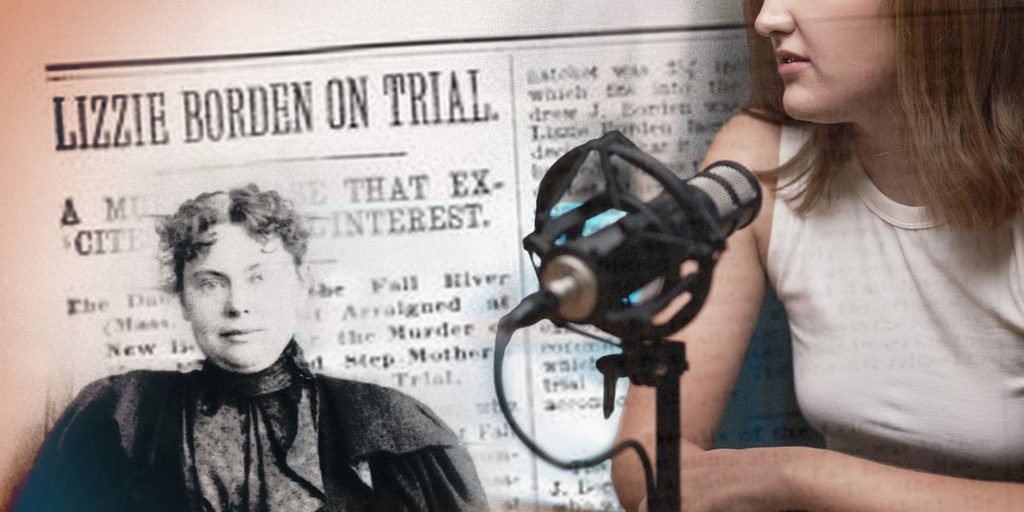
The actual case was messier than the rhyme allowed, which is precisely why the rhyme won. On August 4, 1892, Andrew and Abby Borden were killed in their Fall River, Massachusetts home, with evidence suggesting the deaths came perhaps ninety minutes apart — Abby’s body was cold when officers arrived; Andrew’s was still warm. Lizzie, 32, was home with the maid, Bridget Sullivan, and her account of the morning — a trip to the barn to look for fishing sinkers — shifted under inquest questioning. Then there was the blue dress, burned in the kitchen stove days after the murders, per a neighbor’s testimony; prosecutors thought it might have been painted with something other than paint, though it was never proven. A hatchet head with a broken handle and a clean blade surfaced in the basement. None of it added up to a conviction, and at the 1893 trial in New Bedford, the prosecution displayed the victims’ skulls in open court — one account has Lizzie fainting at the sight — before an all-male jury needed roughly ninety minutes to acquit. The newspapers of 1893 didn’t wait for the verdict to decide anything. They never do. That’s not a bug of American media; it’s the business model.

Now Netflix has run the story back, and America has hit play the way it always does. Monster: The Lizzie Borden Story, the fourth installment of Ryan Murphy and Ian Brennan’s anthology, premiered September 17 with Ella Beatty as Lizzie, Vicky Krieps as Sullivan, Rebecca Hall as Abby, and Charlie Hunnam as Andrew. It hit No. 1 on Netflix’s Top 10 and pulled in about 12 million views in its first four days, per Variety — a September surge the streamer did not have to wait for. Which is the thing worth sitting with: a case with no surviving evidence pointing anywhere definitive, no weapon, no confession, a defendant legally innocent for 133 years, and yet the number one show in America. The algorithm is just the Ohio newspaper with better distribution. The rhyme compresses uncertainty into a verdict; the streaming platform compresses it into a thumbnail, and the physics are identical — the story always beats the evidence, because evidence requires effort and a hook requires only an axe.
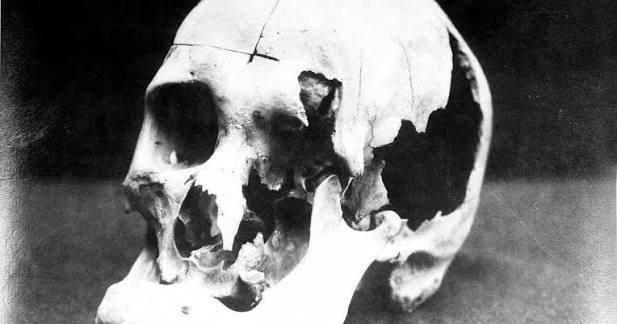
Here’s the anxious part, the part the view count quietly confesses: we don’t actually consume true crime for truth. We consume it for permission. The 1893 public got to gasp at skulls in a courtroom; the 2026 public gets eight episodes and a closed narrative loop, and in both cases the entertainment is settled in a way the facts never were. The rhyme convicted Lizzie because a conviction made a better verse; Netflix flagged nothing unresolved, because an unresolved case makes worse autoplay. This is the same appetite that fills the Lizzie Borden House — the actual murder house at 230 Second Street, operating as a museum and bed-and-breakfast since 1996 — with paying guests who book overnight stays and ghost hunts at the scene of crimes no one was ever convicted of. We sleep in it, we stream it, we hum it. Lizzie herself lived the aftermath the rhyme never bothered to mention: ostracized in Fall River, estranged from her sister Emma by 1905, dead in 1927. The law acquitted her. The culture never did. In 1894, somebody edited the rhyme up to forty whacks. In September 2026, the algorithm added twelve million views. The verdict never mattered. The story does.
In one of the most fitting casting announcements in recent memory, AMC and AMC+ have greenlit “Happy Jack,” a new half-hour comedy starring Charlie Sheen and his real-life father, Martin Sheen — playing, yes, father and son. The announcement dropped September 29, and it’s not a rumor or a project being shopped around: AMC has officially ordered six episodes, with production planned for early 2027 at Warner Bros. Studios in Burbank and a premiere set for 2027. Even more interesting for the TV nerds: according to The Hollywood Reporter, this will be the network’s first-ever multicamera comedy — prestige-drama home AMC stepping into the classic, live-audience sitcom format with one of television’s most famous families at the helm.
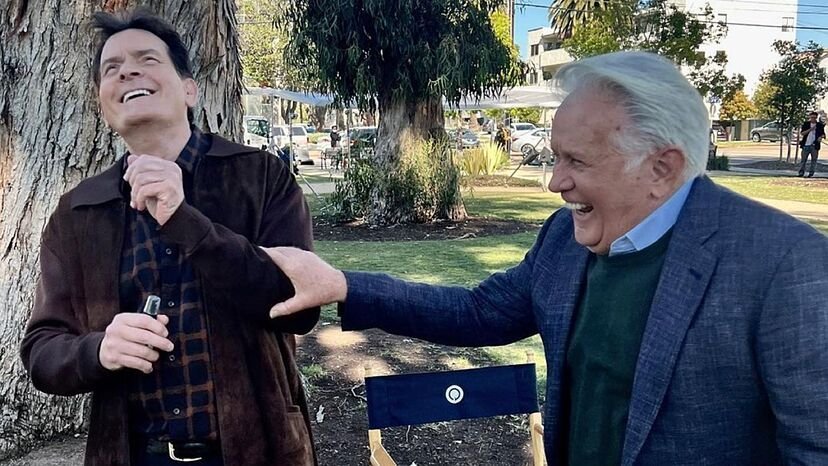
The Sheens’ joint TV history is, in itself, a story worth telling. Charlie Sheen spent the 2000s as network TV’s biggest comedy star, headlining “Two and a Half Men” from 2003 to 2011 before his highly public exit, then racked up 100 episodes of FX’s “Anger Management” through 2014 — and hasn’t held a regular scripted TV role since. Martin Sheen, meanwhile, is broadcast royalty: the Emmy-nominated lead of seven seasons of “The West Wing,” and more recently seven seasons of Netflix’s “Grace and Frankie.” They’ve shared movie screens before, but “Happy Jack” marks the first time in Charlie Sheen’s career that the two will co-star in a scripted television series. For a comeback vehicle, casting your own father is about as airtight as marketing gets.
So why is this happening now? The runway was quietly built over the past year. In September 2025, Sheen released his memoir “The Book of Sheen” — a No. 1 bestseller on Amazon on release day — followed immediately by the two-part Netflix documentary “aka Charlie Sheen,” which pulled him back into the center of pop-culture conversation after a decade out of the spotlight. In interviews around that publicity wave, Sheen said he was open to acting again. A year later, that openness has become an actual series order. The premise gives the pairing real comedy material: Charlie plays Jack Chambers, a lifelong ne’er-do-well with two daughters, whose world flips when his daughter Sam comes home with a boyfriend the same age as Jack — forcing him to choose between looking out for himself and stepping up as a father. Father and son, on screen and off, in a show about growing up late.
The creative team adds a knowing wink to the whole setup. “Happy Jack” was created by Jim Patterson and Matt Ross, who will co-showrun and executive produce — and both are veterans of “Two and a Half Men” and “The Ranch,” the sitcom world where Charlie Sheen made his name. Patterson, in particular, spent years writing for Sheen’s most famous show, which makes this less of a cold reunion and more of a homecoming with a new address. Charlie Sheen is also an executive producer, a detail that suggests the comeback comes with some ownership this time. When the series hits AMC and AMC+ in 2027, it will arrive carrying a rare double narrative: a star’s first scripted series in over a decade, and television’s most recognizable father-son duo finally playing family — in a comedy, on a network that’s never tried this format, with everything to prove. If past is prologue for the Sheens, “Happy Jack” should have at least one guaranteed quality: it will not be boring.
The year 3000 keeps pulling the planet Express crew back for encores. On September 28, Hulu aired “Final Ending: The Last Conclusion,” the season 14 finale of “Futurama” — and the very same day, Variety published an interview in which co-creator Matt Groening said there are no current plans for the show to return as a regular series. Cue the predictable headlines about the end of “Futurama.” Except here’s the thing anyone who has followed this show knows: “Futurama” has been ending for longer than most shows have existed. The crew has been cancelled, resurrected, boxed up on DVD, rebooted and re-streamed so many times that Groening himself told Variety, “Well, we’ve come to an end many times before.” In the same breath, he added, “They can put us in a coffin, they can nail the lid shut, but they can’t bury us. We will rise again.”
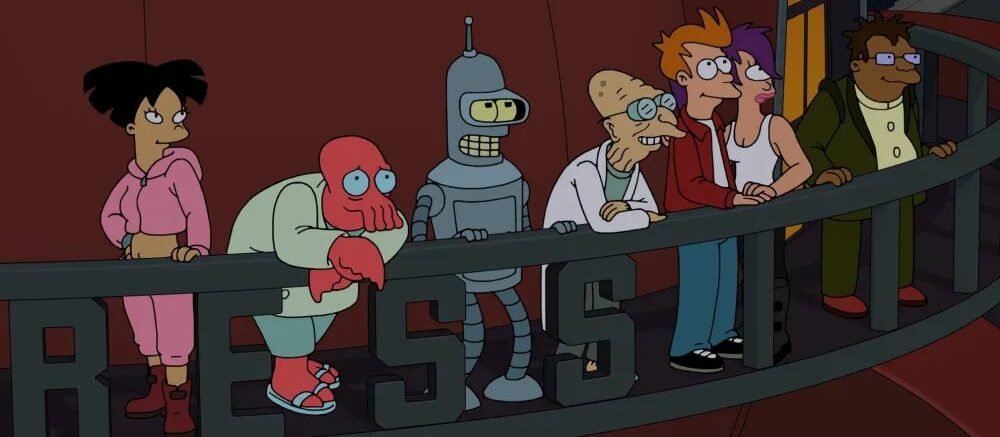
The résumé justifies the swagger. “Futurama” was born on Fox in 1999 from the mind of Groening and co-creator David X. Cohen, and the network gave it the axe in 2003 after 72 episodes — while fans were still figuring out how much they loved it. Then came the improbable first resurrection: four direct-to-DVD movies between 2007 and 2009, which Comedy Central chopped into episodes before ordering 52 brand-new ones that ran from 2010 to 2013. Then silence, until Hulu shocked the industry in February 2022 with a 20-episode revival order — followed by another 20-episode pickup in 2023 that carried the show through seasons 11, 12, 13 and 14. Along the way the show banked six Emmy wins and 14 nominations, including two for Outstanding Animated Program, and kept critics broadly charmed: the Hulu revival opened with an 86 percent critics score in 2023 and season 13 landed at a perfect 100 percent on Rotten Tomatoes this year, albeit from a small pool of reviews.
Why does this particular ending feel different? Timing, mostly. The news didn’t leak through a press release or a trade report of an order not being picked up — it arrived bundled with the finale itself, in Groening’s own wry mouth, hours before “Final Ending: The Last Conclusion” started streaming. And the signal behind the signal is clear: three supersized, so-called “XXXL-Sized” specials are already in production at Hulu, with the first — a Christmas-themed episode — slated for 2027. That’s the studio’s way of saying the door isn’t locked, even if the regular-season machinery goes quiet. Billy West, who voices Fry and Professor Farnsworth, told UPI on the eve of the finale that the writers always prepare for the possibility of no return while keeping a parachute packed — and noted that fans keep telling him season 14 has a “first season vibe,” as energetic as anything since the show began.
The cast, meanwhile, has earned its place in the story as much as the animation. West and John DiMaggio (Bender) and Katey Sagal (Leela) have voiced these characters across four separate networks and formats — a feat few voice casts ever match — and DiMaggio’s own 2022 pay dispute, resolved days before the Hulu revival’s cameras rolled, became the emblem of the cast fighting for the show’s survival rather than walking from it. Executive producers Cohen, Ken Keeler and Claudia Katz remain the engine behind the revival’s critical streak. So here we are again: season 14 has ended, no season 15 is on the books, and history suggests betting against this show is a losing wager. After all, “Futurama” once delivered an episode called “Roswell That Ends Well” — and few shows in television history have ever ended quite so well, so repeatedly, as this one.
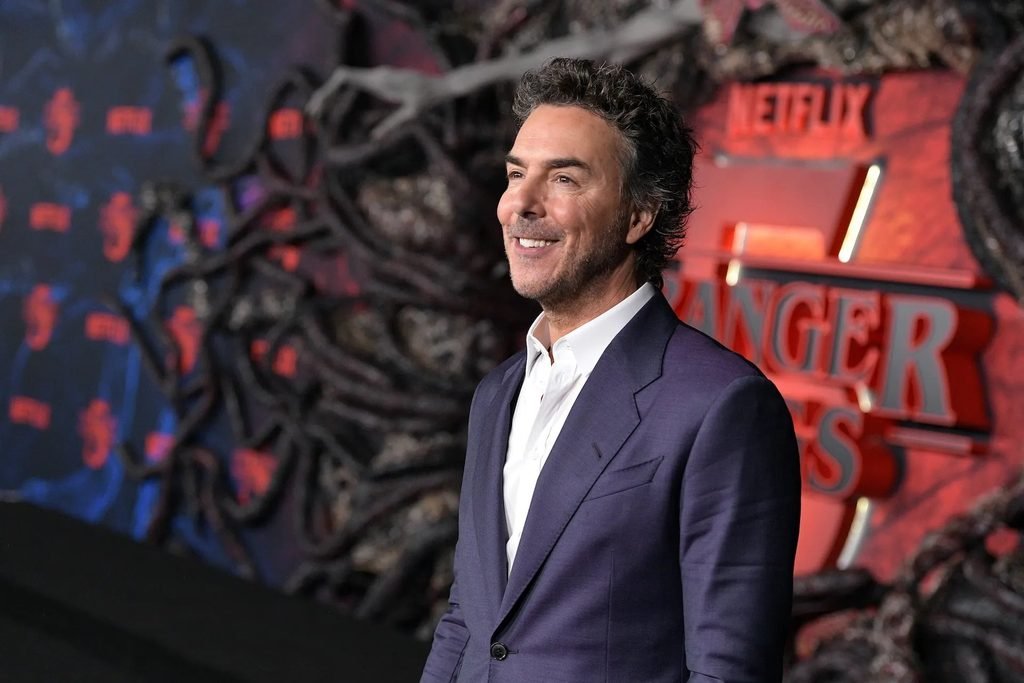
One of Netflix’s most trusted hitmakers is officially expanding his empire. On September 28, Variety, Deadline and The Hollywood Reporter all confirmed that Shawn Levy and his company, 21 Laps Entertainment, have signed a multi-year overall deal with Disney’s 20th Television — a move that lands roughly ten years after he first became the backbone of “Stranger Things,” Netflix’s flagship series, as one of its executive producers. And here’s the part worth pausing on: the man who helped build Netflix’s biggest show is signing with the studio house of its biggest competitor, right after the show that made him a streaming power player aired its final episode.
The Netflix chapter, to be clear, was a historic run. Levy signed an exclusive multi-year TV deal with Netflix back in December 2017, extended it in November 2020 with a film first-look added, and spent the decade delivering at every turn. “Stranger Things” ran five seasons — its fourth crossed 1.15 billion hours viewed, its fifth’s Volume 1 opened to 59.6 million views in five days, the biggest English-language series launch Netflix had ever logged — and the franchise overall has topped 1.2 billion views, with 13 Emmy wins and 64 nominations to its name. Along the way, Levy also directed and executive-produced “All the Light We Cannot See” (four Emmy nominations), executive-produced “Shadow and Bone” and “The Perfect Couple,” and directed “The Adam Project,” which opened to 92.43 million hours viewed in its first week. Not bad for one decade at one studio.
So why does this deal matter right now? Timing. The final season of “Stranger Things” wrapped its run on New Year’s Eve 2025, meaning the show that anchored Levy’s Netflix tenure is complete — and yet he isn’t walking away from Hawkins: Variety reports he will continue collaborating with creators Matt and Ross Duffer on the “Stranger Things” universe at Netflix, including the animated spin-off “Stranger Things: Tales From ’85,” whose second season just premiered on September 17. Meanwhile, his Disney relationship is already deep and growing — the new deal, which begins in October 2027, follows Levy’s blockbuster work inside the Mouse House’s other kingdoms: he directed “Deadpool & Wolverine,” which grossed $1.338 billion worldwide, and he’s behind “Star Wars: Starfighter,” starring Ryan Gosling, due in theaters May 28, 2027 — plus a reported Gosling-led “Ghost Rider” film dated for July 28, 2028. In other words, the Disney-TV deal formalizes what was already happening organically: Levy has quietly become one of Disney’s most valuable directors without ever holding an official title.
The people around this move make it even more interesting. Disney Television Studios’ leadership — president and chief creative officer Dana Walden among them — made it clear this was a courtship, with Walden praising Levy’s talent for stories that are “wildly entertaining and deeply human.” Levy, in turn, called Disney a “kindred spirit” and said the new chapter “honestly just feels like home.” And the Duffer Brothers connection continues even as Levy’s TV home base changes, keeping the creative partnership behind Netflix’s most valuable franchise intact for future projects. Ten years ago, Levy was the director of “Cheaper by the Dozen” and “Night at the Museum” reruns. Today he’s the rare producer who helped Netflix define a generation of streaming — and now gets to build something new at the studio house of Marvel, Star Wars and a certain animated mouse, all while his Hawkins roots stay exactly where they are.
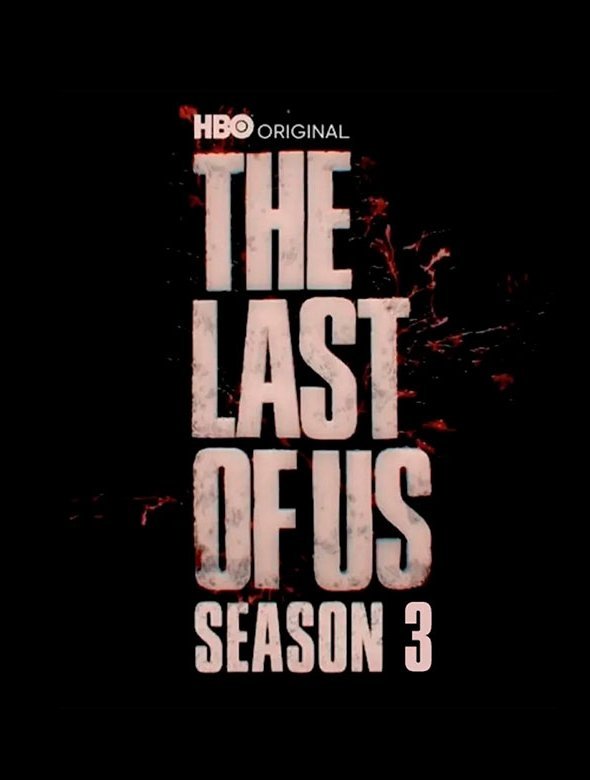
HBO’s “The Last of Us” just made its biggest move of the fall. On September 26, the network announced that John Goodman, Laura Bailey and Ian Alexander have joined the cast of Season 3, the chapter that returns in 2027 and is expected to steer the story toward its finish line. On paper, it’s a routine casting drop. In practice, it’s a fascinating one — because two of the three names happen to be two of the most important voices in the history of the game this whole thing is based on.
The road here has been remarkably strong. When the show debuted on HBO in January 2023, it opened to 4.7 million same-night viewers and did something almost nothing on television does anymore: it kept growing. By the finale, that number had climbed to 8.2 million, up roughly 75 percent — and early episodes eventually stacked up around 30 million viewers each across platforms. Awards followed: 24 Emmy nominations and eight wins for Season 1, plus a 96 percent critics score on Rotten Tomatoes. Season 2, which premiered in April 2025, ran hotter and colder: critics stayed on board at 92 percent, and it collected 16 more Emmy nominations, but its finale audience settled at 3.7 million and the audience score on Rotten Tomatoes dipped to 37 percent — proof that even prestige TV’s biggest survivor story can’t please everyone while killing off its co-lead.
So why is everyone talking about Season 3 right now? Three reasons landed within days of each other. First, the new casting — Goodman, Bailey and Alexander — signals characters and corners of the world we haven’t met yet. Second, the season itself is a structural pivot: after Season 2 spent seven episodes largely inside Ellie’s side of the story, Season 3 shifts the lens to Kaitlyn Dever’s Abby, the most argued-about character in modern gaming, finally getting her full airing. And third, the finish line is coming into view — HBO chief Casey Bloys indicated this month that Season 3 is planned as the last one, though showrunner Craig Mazin has previously said a fourth season would most likely be needed to complete the narrative. Either way, the endgame is officially on the calendar for 2027, and Mazin has promised a longer season, “more on par with season one,” than the seven-episode Season 2.
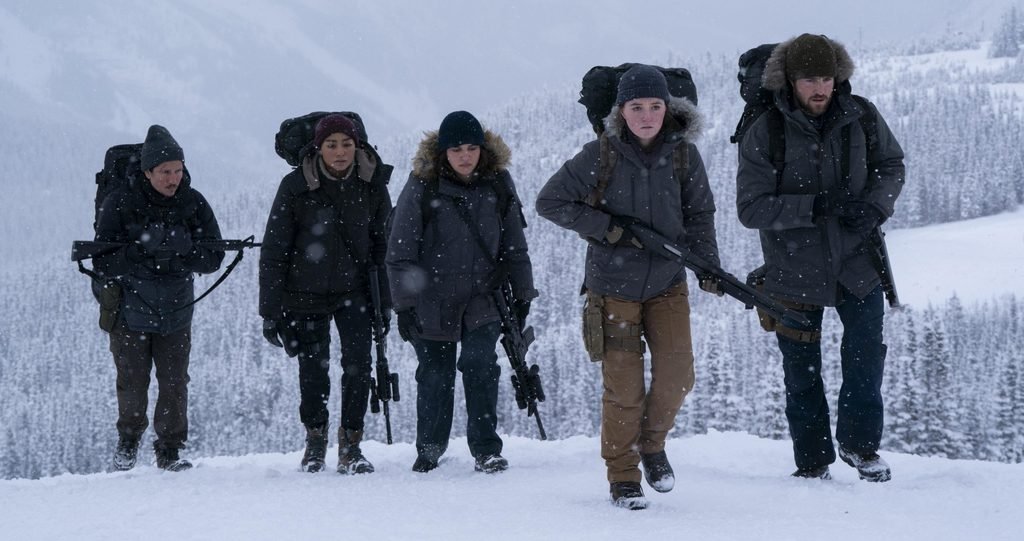
The new faces make the whole thing richer. John Goodman, the beloved big-screen fixture from “The Big Lebowski” and a decade of television royalty, is set to play a new character named Joey — not someone from the games, per the trade reports. Ian Alexander, who voiced Lev in “The Last of Us Part II,” will play Paco, and Laura Bailey, the voice of Abby herself, takes on Elizabeth, described as a leader among the Seraphites, the prophet-worshipping faction from the Seattle war. Neither is reprising their game role — instead, two of the most iconic voices in the franchise are now literally living inside its world in different skins. They join an already deepening bench: Peter Sarsgaard, Jason Ritter and Patrick Wilson all climbed aboard earlier in 2026, with Ariela Barer, Tati Gabrielle and Spencer Lord promoted to series regulars. Behind the camera, Mazin is flying solo as showrunner — Neil Druckmann, the game’s co-creator, stepped back from the series in July 2025 to focus on Naughty Dog, though he remains a co-creator and executive producer. As for the originals: Bella Ramsey is expected back as Ellie in a smaller dose, while Pedro Pascal’s return — Joel died, after all — hasn’t been confirmed.
In other words, the show that turned a mushroom apocalypse into must-see Sunday television is now entering its most interesting act: the one where the villain gets her say, the cast gets a legend like John Goodman, and two beloved game actors get to watch their characters’ world from the inside out. Nobody knows yet exactly how it ends — one season or two — but with cameras rolling in Vancouver since March and a 2027 premiere on the horizon, the longest wait in the post-apocalypse just got a whole lot more interesting.
Tom Hardy and Joanne Froggatt open up about MobLand Season 2, breaking down Guy Ritchie’s intense directing style, building their on-screen marriage, and the emotional containment behind Harry Da Souza.Tom Hardy and Joanne Froggatt sat down with Entertainment Tonight to discuss MobLand season two, the Guy Ritchie-produced Paramount+ crime drama that returned on September 18 with the Harrigan crime family clawing back from the wreckage of a brutal first season. Much of the conversation centered on Hardy’s approach to Harry Da Souza, the family’s fixer, whom he described as a study in emotional containment rather than outward drama. According to Hardy, Harry doesn’t experience a wide range of visible feeling the way most characters do; instead, any large emotion gets suppressed and processed internally, almost like a system running calculations in the background, which is what makes the character feel unpredictable to audiences rather than conventionally expressive.
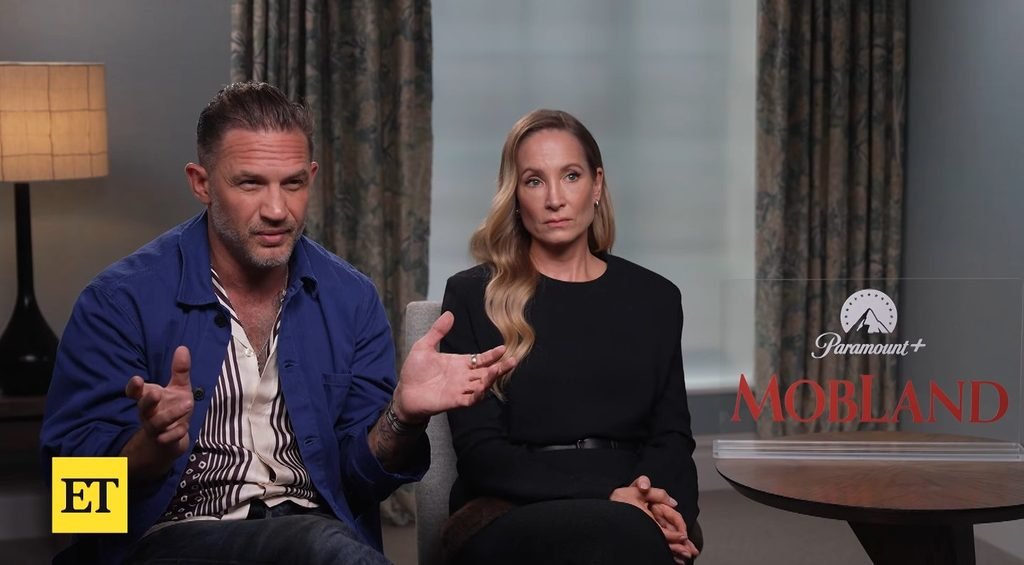
Froggatt, who plays Harry’s wife Jan, told ET new detail on how she and Hardy built the couple’s decades-long marriage from scratch. The two met for the first time on their very first day filming season one, with no rehearsal period to prepare, and had to invent twenty years of shared history essentially overnight. Froggatt recalled being twelve weeks postpartum and away from her newborn for the first time on that shoot day, and credited Hardy with immediately validating her creative instincts about Jan’s motivations, which set the tone for a collaborative dynamic that carried into season two.
The pair also broke down the season one shootout in episode one, which was directed by Ritchie himself; both actors noted the tonal balance he pushed them toward, mixing genuine violence with dark comic timing, and described Ritchie’s hands-on directing style, including physically demonstrating how he wanted a scene staged and delivered. Beyond Hardy and Froggatt’s storyline, the conversation touched on Eddie and Gina’s relationship, with both actors agreeing that what looks like trauma bonding between two characters who grew up around the same dysfunctional family has developed into something they consider genuinely authentic. Mandeep Dhillon’s character Seraphina, who survived a kidnapping in season one, was also discussed, with the actors noting that her near-death experience is now driving her determination to gain more control over her own fate and to never again be placed in that kind of danger.
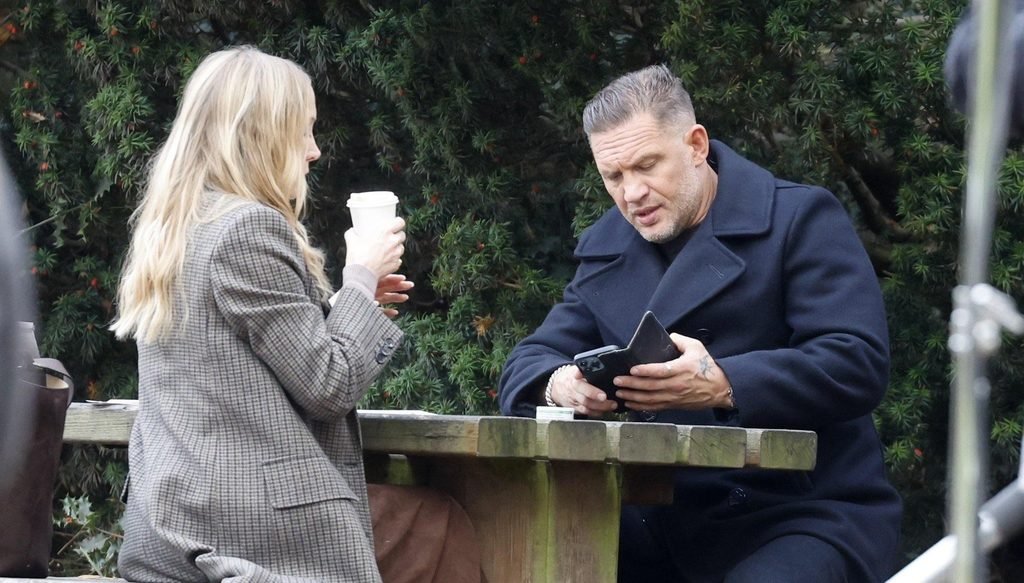
Without giving away plot details, both actors teased to ET that the season two finale sets up a dramatic and difficult season three for their characters, promising audiences will find the fallout more shocking than anything in season one. The conversation closed on a lighter note, with both naming actors they’d be eager to work with in future projects, including Eddie Redmayne and rising performer Genevieve Gaunt. Taken together, the interview offers a clear picture of a cast that has grown noticeably closer since the show’s fast-moving first season, now navigating an expanding ensemble and higher creative stakes heading into MobLand’s already-confirmed third season.
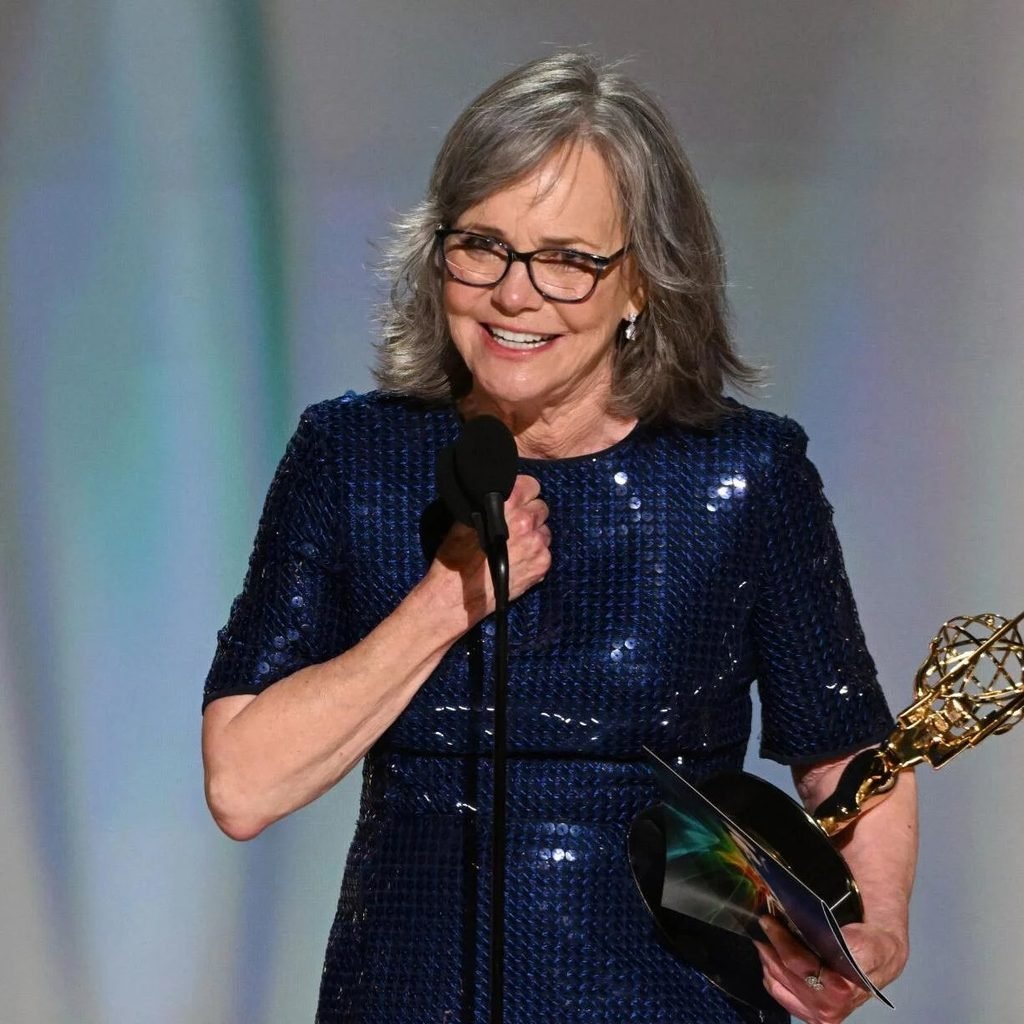
The 78th Primetime Emmy Awards delivered an unforgettable high point when 79-year-old Sally Field won Lead Actress in a Limited Series or Movie for the Netflix adaptation Remarkably Bright Creatures. Debuting on the platform on May 8, 2026, the film stars Field as Tova Sullivan, a grieving widow working night shifts at a Pacific Northwest aquarium who forms a heartwarming bond with a giant Pacific octopus named Marcellus (voiced by Alfred Molina). The emotional drama immediately resonated with audiences, but Field’s milestone victory has catapulted the film straight back to the top of streaming conversations. Taking the stage to a full standing ovation at the Peacock Theater, the two-time Oscar winner accepted her fourth career Emmy, making history as the oldest performer ever to win in this category.
Based on Shelby Van Pelt’s best-selling 2022 novel, the screen adaptation earned strong word-of-mouth praise upon its release, holding an 85% approval rating on Rotten Tomatoes. Field’s grounded performance carries the narrative, transforming what could have been a quirky premise into a genuine exploration of loss, connection, and second chances. Her win marks a rare achievement for a feature film in a category traditionally dominated by multi-episode limited series, making it the first TV movie performance to take home the statuette since 2012.
The sudden surge in viewership comes directly on the heels of Field’s viral acceptance speech, which quickly captured public attention. “I loved this project from page one,” Field shared, before taking a moments to thank the Vancouver production crew and issuing a warm shoutout to “blessed Canada, our neighbors, our friends”. The heartfelt gesture drew loud applause from the audience and ignited widespread discussion across social media, prompting thousands of viewers to seek out the movie on Netflix.
Directed by Olivia Newman (Where the Crawdads Sing) and co-starring Lewis Pullman, the project bridges veteran Hollywood talent with fresh creative direction. Field’s historic triumph underscores a career that continues to evolve six decades in, proving that deeply human storytelling paired with brilliant performances will always find an audience.
Matthew Rhys has delivered one of the most memorable turns of the television season, steering the wildly original comedy-horror series Widow’s Bay on Apple TV+ straight into the 2026 Emmy Awards conversation. Playing Tom Loftis, the overly optimistic mayor of a superstitious, isolated New England island, Rhys balances small-town bureaucratic absurdity with genuinely terrifying supernatural encounters as he desperately attempts to transform his cursed home into a bustling tourist hotspot. The 10-episode first season premiered on April 29, 2026, and rolled through its June finale as one of the summer’s most unexpected breakout hits. Following a massive haul of 14 Emmy nominations and major wins for Outstanding Comedy Series alongside acting honors for Rhys, Apple TV+ officially greenlit a second season, keeping the eerie coastal saga firmly at the top of streaming watchlists.
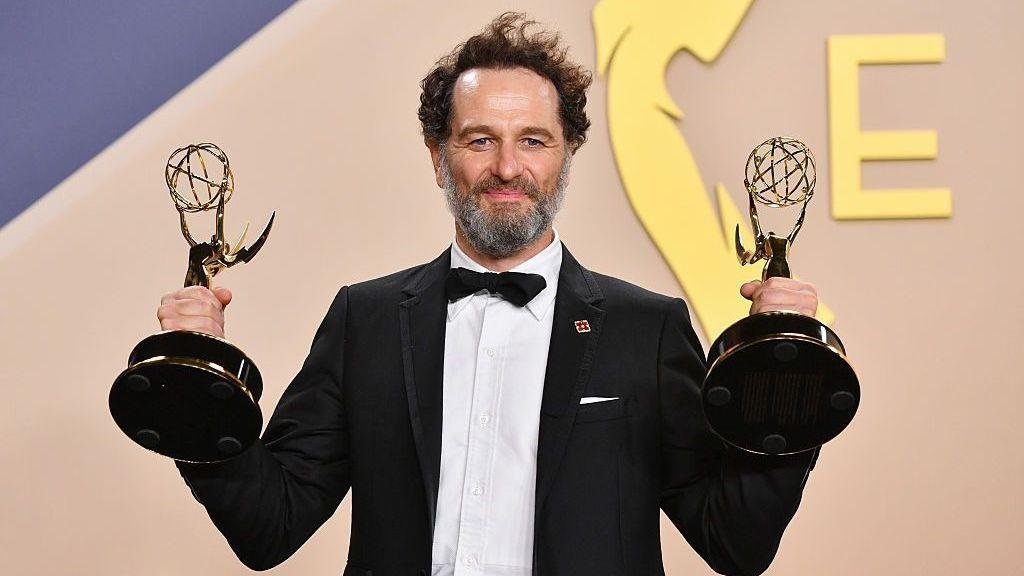
The trajectory of the show represents a rare success story for a completely original genre mashup on streaming. When the series debuted earlier this spring, critical praise was immediate, highlighting its ability to weave genuine horror tropes—think classic sea hags and boogeymen—with a razor-sharp, character-driven workplace comedy. Over its debut run, the show established a passionate fanbase drawn to its oddball cast, including Kate O’Flynn as the mayor’s erratic assistant and Stephen Root as the island’s resident apocalyptic conspiracy theorist. What began as a quirky genre experiment rapidly transformed into a bona fide critical darling, anchored by strong word-of-mouth viewing metrics throughout mid-2026.
The immediate surge in attention surrounding Widow’s Bay is driven by its high-profile awards recognition at the 78th Primetime Emmy Awards. Rhys’s performance as the out-of-his-depth town leader earned critical acclaim for seamlessly anchoring the show’s shifting tones—transitioning from dry comedic timing in town hall meetings to raw terror in haunted inns. With key acting victories alongside co-stars Kate O’Flynn and Stephen Root, new audiences are pouring into the platform to discover the debut season, while long-time fans revisit the early episodes to unpack subtle visual details and foreshadowing embedded throughout the foggy coastal mystery.
Much of the show’s creative identity stems from the powerhouse pairing behind the camera: creator Katie Dippold (Parks and Recreation) and director-executive producer Hiro Murai (Atlanta, The Bear). Murai, who directed half of the first season’s episodes, brought a grounded, cinematic look to the fog-drenched streets, allowing Rhys to showcase his versatility far beyond the serious dramatic roles that defined his career in The Americans and Perry Mason. Supported by a creative team that includes guest directors like Ti West, the series gives Rhys a dynamic playground to fuse physical humor with heartfelt father-son stakes. With Season 2 pre-production underway, this massive Emmy run proves that the strange, cursed waters of Widow’s Bay on Apple TV+ are offering some of the freshest entertainment on modern television.
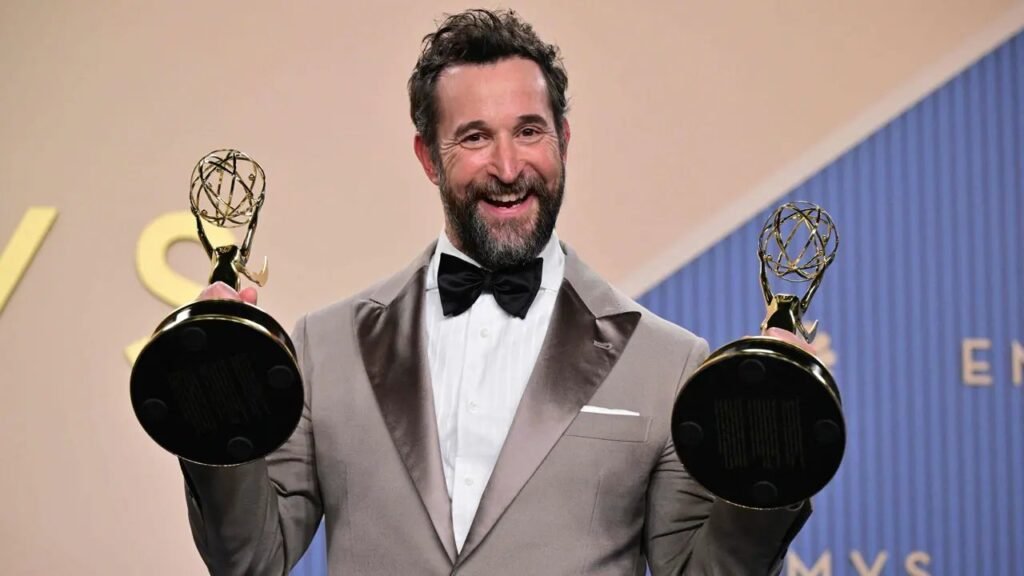
Noah Wyle has solidified his status as television royalty after capturing the Emmy Award for Outstanding Lead Actor in a Drama Series for the second consecutive year at the 78th Primetime Emmy Awards, anchoring the massive success of The Pitt on Max. The hit medical drama, which concluded its second season earlier this year and boasts a third season slated for January 2027, swept the ceremony once again by defending its title for Outstanding Drama Series. With Wyle taking home trophies as both the leading actor and executive producer, while also contending in the directing category, the series continues to hold the streaming world in a vice grip as the most celebrated frontline ER portrayal in modern television.
When The Pitt made its debut in early 2025 on Max, it instantly broke streaming viewership records for an original drama on the platform. Spanning 38 Emmy nominations across its first two seasons alone, the show has earned universal critical acclaim for its raw, real-time depiction of healthcare workers facing systemic strain in a modern Pittsburgh emergency room. Over two high-intensity seasons, the series transformed from a heavily anticipated medical procedural into an industry benchmark, earning back-to-back Outstanding Drama Series honors over formidable rivals like Slow Horses and Pluribus.
The immediate surge in attention around The Pitt stems directly from the September 2026 Emmy broadcast, where the show dominated major drama categories. Wyle’s historical milestone as the fifth actor in television history to win consecutive lead drama actor Emmys for a show’s first two seasons—joining the ranks of Bryan Cranston and Bill Cosby—has put the series back at the absolute top of trending charts on Max. Viewers are diving back into the 15-episode second season to rewatch Wyle’s performance as Dr. Michael “Robby” Robinavitch alongside an ensemble cast that secured seven distinct acting nominations this year alone.
Much of this triumph lies in the creative reunion behind the scenes between Wyle, showrunner R. Scott Gemmill, and executive producer John Wells, three veteran collaborators who previously defined hospital television on ER. Decades after his initial Emmy-nominated breakout as Dr. John Carter in the 1990s, Wyle has successfully reclaimed the medical genre on his own terms, taking on directing duties on set while steering the show’s realistic, high-pressure narrative pace. With Season 3 production already rolling on Stage 22 in Los Angeles, this historic Emmy night proves that The Pitt on Max is far more than a temporary hit—it is the defining drama of the current decade.
The upcoming historical crime feature film ‘November 1963’, set to head to Peacock following its theatrical run, has officially sparked massive online buzz following the release of its first official trailer. Directed by two-time Academy Award nominee Roland Joffé, the movie dives deep into the chaotic 48 hours surrounding the assassination of President John F. Kennedy through the lens of organized crime. Centering on the Chicago Outfit’s alleged insider involvement, the project brings an entirely new layer of intrigue to one of the most exhaustively analyzed moments in modern American history.
Produced by Ketchup Entertainment, the feature project completed principal photography in late 2025 across Manitoba, Canada, where the production team meticulously reconstructed 1963 Dallas. Rather than relying on familiar theories, writer Nicholas Celozzi penned the script using direct insider accounts from his own family—he happens to be the nephew of notorious Chicago mob boss Sam Giancana. The narrative focuses on the high-stakes power dynamics, broken political promises, and covert operations that went down right before the shots rang out at Dealey Plaza.
The sudden surge in interest comes directly on the heels of the dynamic first-look trailer, which sets up a November 20, 2026, nationwide theatrical release date before its exclusive home streaming premiere on Peacock. Moviegoers and history enthusiasts alike are latching onto the film’s unique claim to historical authenticity, utilizing family secrets rather than recycled Hollywood sensationalism. To pull off the ambitious scale, the production deployed over 1,500 extras and more than 75 period-accurate vehicles to bring the early 1960s back to life with crisp detail.
Leading the ensemble cast is John Travolta playing mob enforcer Johnny Roselli, anchoring the project alongside an impressive lineup including Robert Carlyle as Jack Ruby, Dermot Mulroney as Chuckie Nicoletti, Mandy Patinkin as Anthony Accardo, and Jefferson White portraying Lee Harvey Oswald. Travolta’s return to gritty, character-driven mob cinema marks an exciting chapter for the veteran actor, perfectly complementing Joffé’s signature cinematic realism. With its impressive star power, deeply personal insider source material, and tense real-time structure, ‘November 1963’ is shaping up to be one of the most talked-about historical thrillers of the year.