Cast Interniew: How I Play Rocky Captures the Grit Behind Cinema’s Greatest Miracle
Every film lover knows the mythology: an unknown, broke actor named Sylvester Stallone sleeping in a bus station, refusing to sell his script unless he got to play the lead, and ultimately going the distance to capture Best Picture. But long before the Philadelphia steps were immortalized in cinematic amber, there was simply a desperate writer with nothing to lose and a script that Hollywood initially didn't know what to do with.
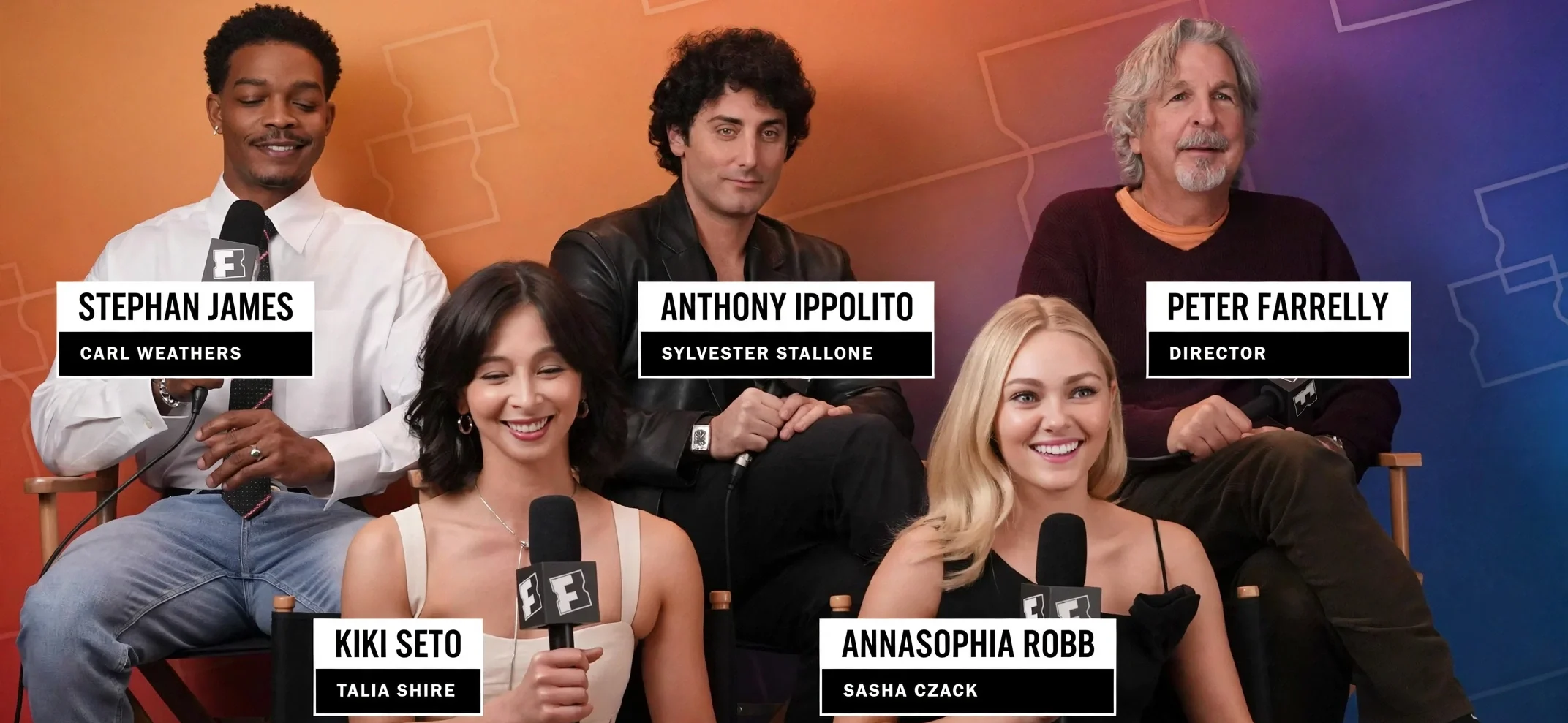
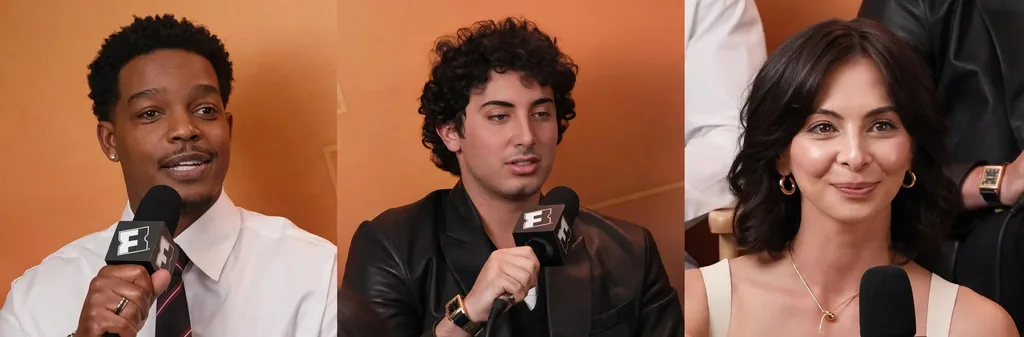
Enter I Play Rocky, the upcoming biographical drama that shifts the camera away from the fictional Italian Stallion and points it squarely at the arduous, improbable crusade required to bring the 1976 masterpiece to the screen. Speaking at Cineacon alongside the film’s cast and creators, the project is shaping up to be more than just a nostalgic victory lap—it is a deeply human exploration of tenacity.
The genesis of the film feels almost cinematic in its own right. Producer Toby Emmerick discovered a spec script penned by Peter Gamble, an emerging writer with sparse credits. Captivated, Emmerick passed it along, though the script's initial reception was unassuming.
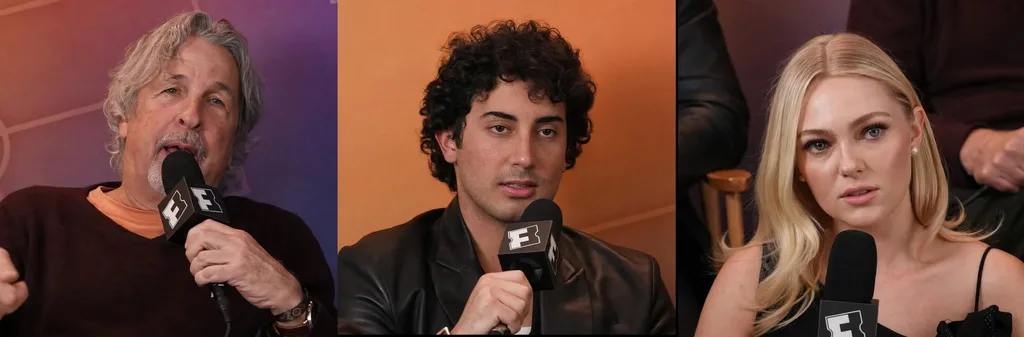
"I didn't read it right away," the production team shared during the panel. "I put it on my desk, and my daughter's boyfriend—he's a musician—saw it and asked if he could read it. Later in the day, he said, 'I think it's like the best movie of all time.' And I thought, what a dumbo, this kid has never read a script. But because he said that, I thought I'll read a few pages. And sure enough, it is the best script I've ever read, actually."
Recreating a cultural touchstone like Rocky requires a delicate touch, particularly when casting legendary figures who loom large in the public consciousness. Rather than relying on simple impersonation, the cast approached their real-life counterparts through rigorous research and human empathy.
For the actors stepping into the shoes of icons like Talia Shire and Carl Weathers, the challenge was balancing reverence with artistic liberty. The production fostered an environment that allowed the ensemble to discover the emotional architecture beneath the famous faces. For Shire, that meant connecting with the actress herself through unexpected phone calls that illuminated what Adrian was truly feeling during those grueling, uncertain months of production. For Weathers, it meant leaning into the larger-than-life physical and emotional presence of a screen legend while finding new layers previously unseen by audiences.
Crucially, the film also shines a light on figures often lost in the shadow of Stallone's titanic achievement, such as his first wife, Sasha, who championed him when he had virtually no one else in his corner. It mirrors the core thesis of the film: while Rocky Balboa's journey in the ring is legendary, the real-life endurance test faced by his creator was infinitely tougher. Rocky didn't win his first fight; he survived, bled, and went the distance. Stallone, conversely, changed the industry forever.
Yet, making a movie about the making of a sacred cinematic text carries inevitable temptations. Audiences crave the iconography—the training montages, the raw eggs, the cold morning streets of Philadelphia. The filmmakers found a clever middle ground, shooting roughly five to seven minutes of meticulous reproductions that mirror the original Rocky frame-for-frame, serving as an affectionate homage without overshadowing the dramatic stakes of the narrative.
Ultimately, I Play Rocky arrives at a time when audiences are increasingly hungry for authentic stories about perseverance. By turning the lens on the ultimate Hollywood underdog story, the film reminds us that the most compelling dramas often happen off-screen, long before the first bell rings.