Why Netlix’s Mixed-Reviewed Thriller ‘The Whisper Man’ Became America’s Deepest Cinematic Nightmare
There is a sound older than any scream in American cinema, and it lives in the space between a child's bedroom door and whatever waits on the other side of it. A whisper. Not a threat, exactly — an invitation, soft and patient, the voice of something that has learned that children will follow kindness before they will follow fear. "The Whisper Man" builds its entire architecture of dread on that single, unbearable premise, and for five consecutive weeks America has pressed play on its own nightmare. When eight-year-old Jake Kennedy vanishes, the film does not treat abduction as a plot device; it treats it as the primal terror it actually is, the one that made a generation of parents memorize faces on milk cartons and check locks twice. Watching it, you feel your throat tighten — not because of what the movie shows, but because of what it knows you're imagining.
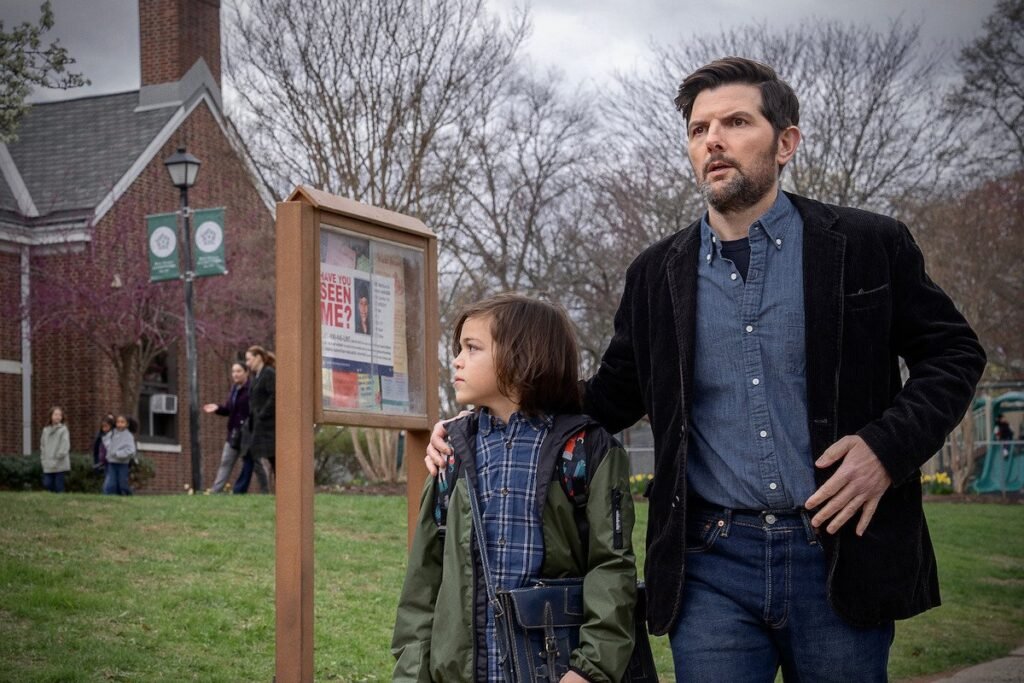
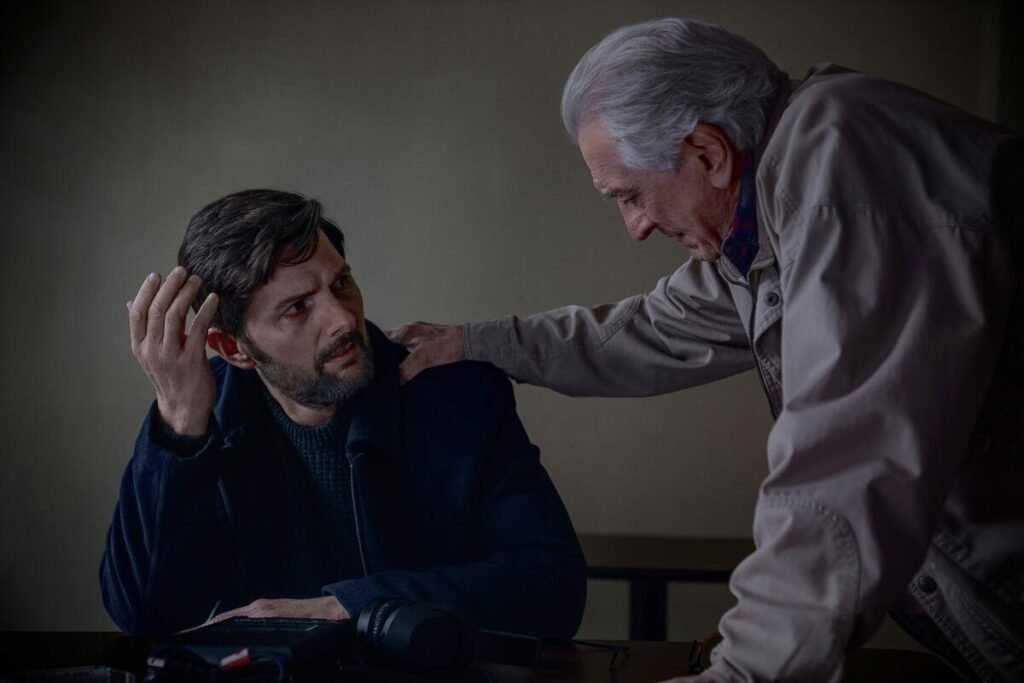
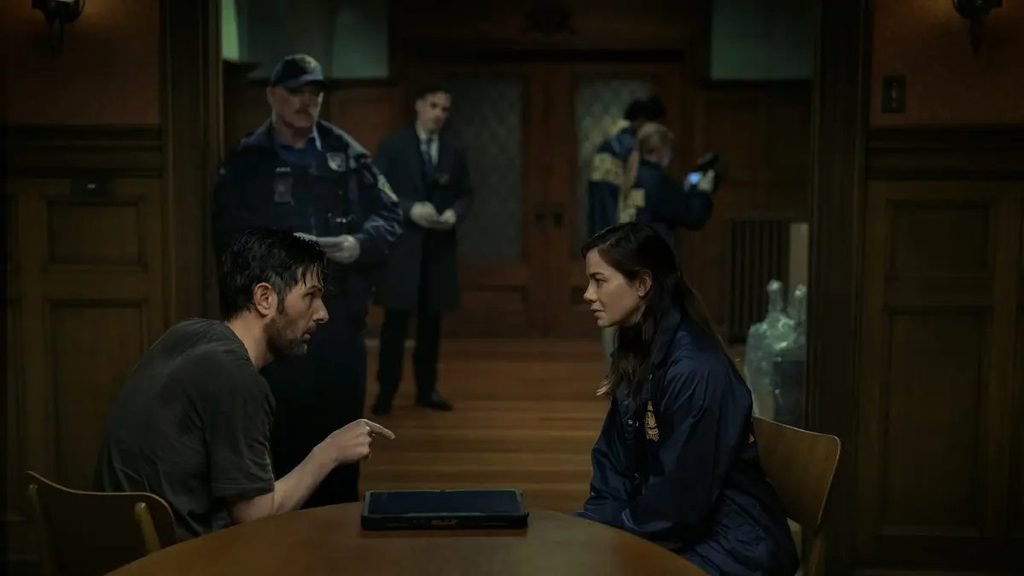
The genius of the film, adapted from Alex North's bestselling novel and directed by James Ashcroft, is that the monster is almost secondary to the grief. Adam Scott plays Tom Kennedy as a widowed crime writer whose fictional terrors have collapsed into reality, a man so hollowed by loss that his son's abduction feels like the universe completing a sentence it started at his wife's grave. Robert De Niro, in one of his most quietly devastating performances in years, is Peter Willis, Tom's estranged father and a retired detective, and the investigation forces two generations of silent men to finally say the things they've whispered around for decades. Michelle Monaghan's Detective Amanda Beck carries the procedural urgency, while Michael Keaton's Frank Carter — the original Whisper Man, the voice in the cell — drips with the institutional injustice of a town where children were taken and the answers were buried along with them. When the possibility of a copycat surfaces, the movie stops being a mystery and becomes an exhumation: of a case, of a family, of everything America prefers to keep locked in the basement.
And the country watched. Not politely, not gradually — en masse. The film premiered on August 28 at No. 2 on Netflix's Global English Films list with 23.2 million views, then seized the top spot the following week with a staggering 33.4 million views, according to TheWrap's reporting. Nielsen placed it at No. 6 on American television with 149 million minutes viewed for the week of September 14–20, and in the most recent complete reporting week, September 21–27, it still ranked No. 5 worldwide with 7.6 million hours and 4 million views — a fifth straight week inside the Top 10, an eternity in the streaming churn where most titles evaporate in eleven days. What makes this fascinating is that the critics never caught the fever: 46% on Rotten Tomatoes, a 52 Metascore, reviews that called it competent but conventional. The audience simply did not consult them. This is the purest form of streaming success — not awarded by consensus, but seized by instinct.
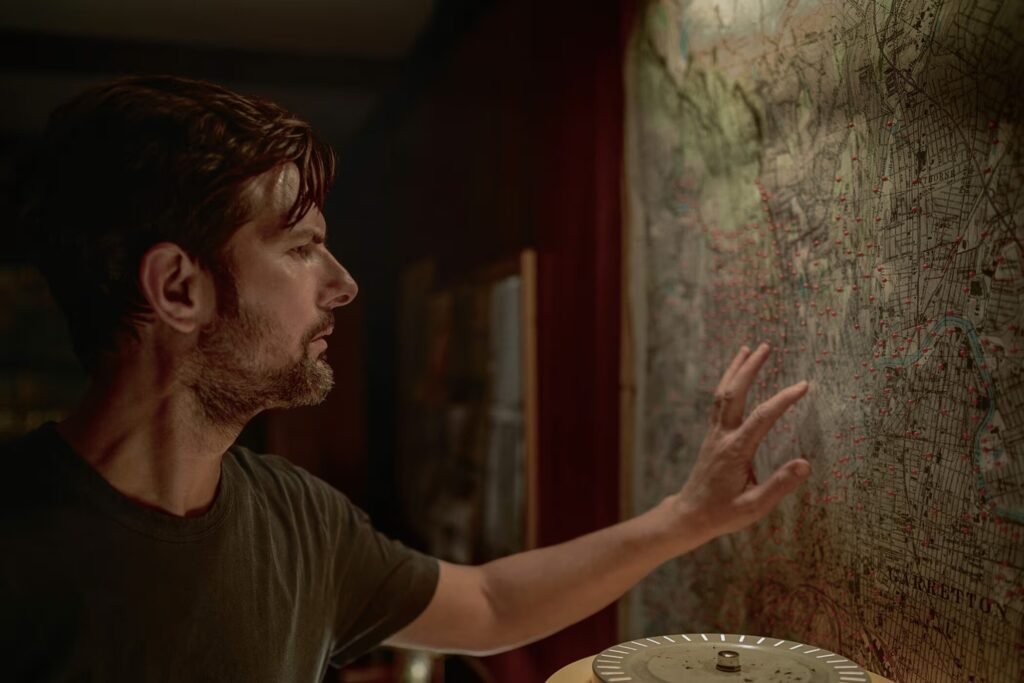
The instinct it seized, I'd argue, is deeply American. Tom Kennedy is not just a character; he is the audience's mirror — a true-crime obsessive whose consumption of darkness collides with actual darkness, the same feedback loop that made podcasts and docuseries a national pastime. The film understands that the country's oldest fear is not the monster in the woods but the child taken from the suburban cul-de-sac, the AMBER alert buzzing on a phone during a school run, the crime that happens where it was supposed to never happen. Casting De Niro and Keaton — two titans of American screen menace, one representing the law's weariness, the other evil's patience — turns the movie into a generational reckoning, a duel between what the nation promised its children and what it failed to protect. The whispers of the title, in the end, are not only the killer's lure; they are the unsaid things between fathers and sons, the grief families speak around but never through.
That is why the numbers matter less than what they measure. A mixed-reviewed thriller outlasting flashier competition on the charts for over a month tells you that in 2026, American audiences are not looking for novelty from their fear — they're looking for recognition. They want terror that feels like family, injustice that stings like memory, and a resolution that offers catharsis rather than comfort. "The Whisper Man" delivers enough of all three to keep millions of households up past midnight, and the film's five-week residency on the charts is less a commercial anomaly than a cultural symptom. Somewhere tonight, a parent will finish it, walk down the hallway, and stand a second longer at a bedroom door. The whisper lingers. That, more than any viewing figure, is the story.