Everyone’s Watching, and Nobody Sees: What Netflix’s Biggest Harlan Coben Hit Ever Is Really Telling Us

September 2026, and the Netflix ordering machine has done something quietly historic: I Will Find You — a Harlan Coben adaptation with a 56 on Metacritic and a plot involving a faked child's corpse — has clawed its way onto the all-time Most Popular list with 120.8 million views, leapfrogging Wednesday Season 2 to become the most-watched Coben property in the platform's history. Not a prestige chandelier, not a Ryan Murphy circus: a bait-and-switch melodrama that critics called "watchable" the way you'd call an autopsy watchable. The trades will file this under "content" — a limited series the algorithm fed to 120 million households of people who claim they're exhausted by true crime. But the smarter reading is that the number itself is the story. Something about a man who spends years believing a lie the entire system verified — a conviction, a burial, a closed case — is hitting a nerve the industry's own dashboards can't see. This is not an audience that got tricked into watching. This is an audience that recognized something.
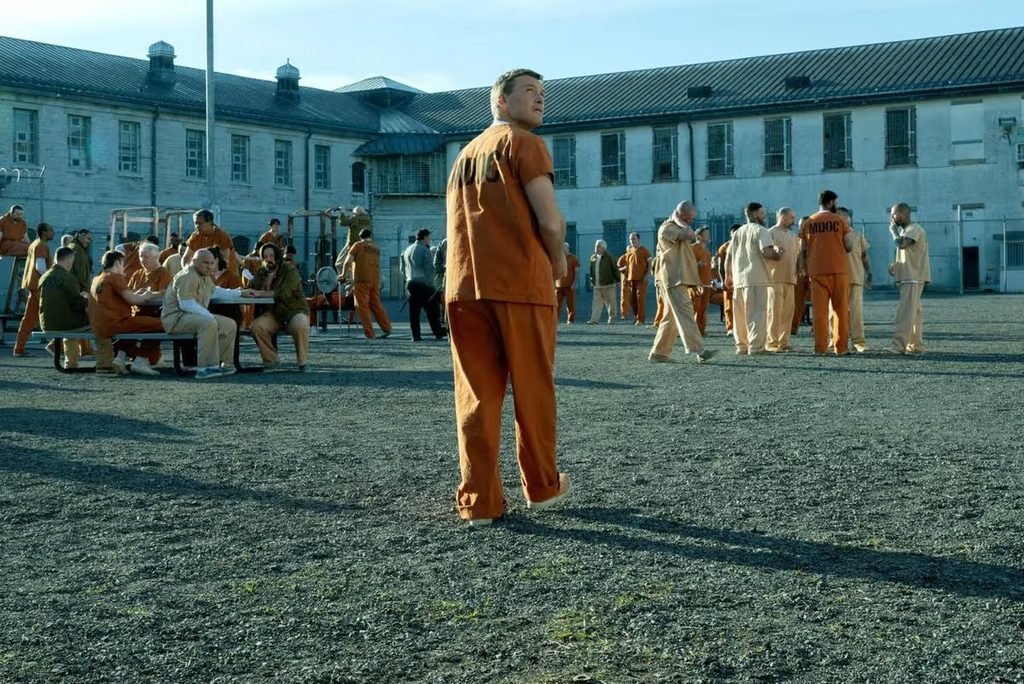
Because the show's cruelest invention isn't the prison escape; it's the geography of the lie. Matthew Burroughs isn't hidden in a cabin or a basement — he's raised as "Theo" inside the Payne family's orbit, the most respectable address in the show's Boston, the kind of wealthy household whose philanthropy buys both county clubs and county prosecutors' patience. And the mechanism of the delusion is pure Coben-blue-ribbon cruelty: Hayden Payne (Milo Ventimiglia, doing grief with his jaw) believes he's Theo's biological father because of a fertility-clinic clerical mix-up involving the boy's mother. A child stolen on the strength of a paperwork error, rechristened, and raised in plain sight by people whose standing made them legally invisible. Now layer on the American present: we are a nation that has Ring cameras pointed at every porch, Nextdoor threads that can mobilize three hundred amateur detectives over a doorbell notification, gated communities run like low-security prisons. We have never surveilled each other more. And the show's punchline is that all of that instrumentation missed a human being hiding in the single most conspicuous place in town — not because the cameras weren't running, but because nobody with authority ever looked. The horror isn't that we're being watched. It's that watching, itself, is a class privilege administered by the people we're most afraid to suspect.
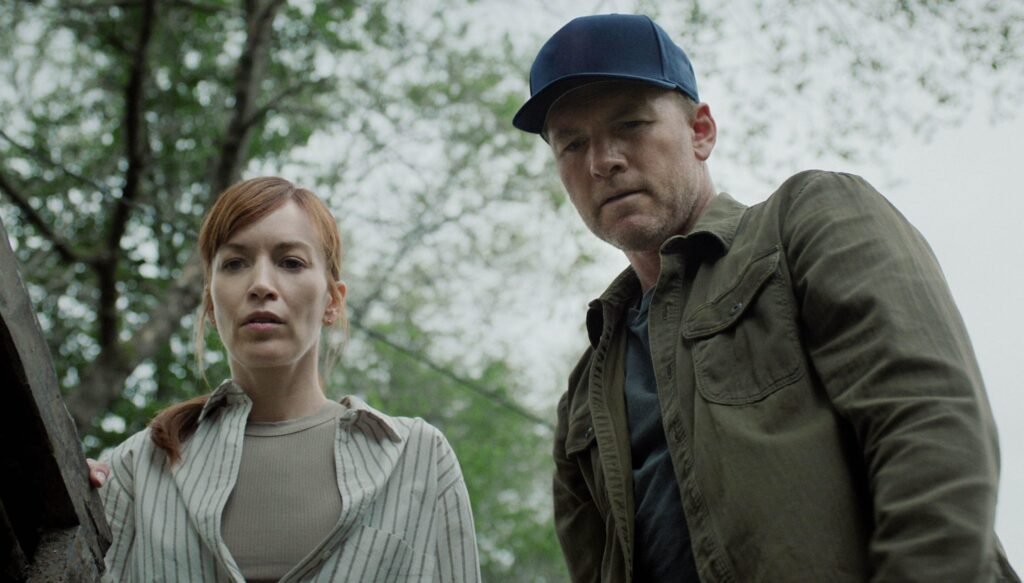
That's the emotional raw nerve the series keeps pressing: the dread of realizing that a child can be swapped, renamed, and raised by the wrong family while every institution — the police, the courts, the FBI, the medical bureaucracy — certifies the lie with a signature. The American mind, 2026 edition, doesn't need convincing that systems lie; it needs only a story that finally says the quiet part out loud. Which is exactly what the finale delivers with almost cynical efficiency: the frame-up wasn't incompetence, it was arithmetic — a body swapped for a child's, testimony bought through mob pressure, an entire city's machinery committed to a wrong answer because the alternative was admitting the Payne family's money had fingerprints on the file. It's melodrama, yes, but melodrama functioning as social diagnosis: Coben's machine converts grief into a renewable fuel source of fear, and the audience keeps renewing the subscription. The fantasy the show sells isn't that surveillance works — it's the opposite. It's the fantasy that someone, eventually, will look past the cameras and see what the powerful have trained everyone else to miss. In an era where neighbors report neighbors and institutions report nothing, that fantasy is not escapism. It is, more or less, the national pastime.
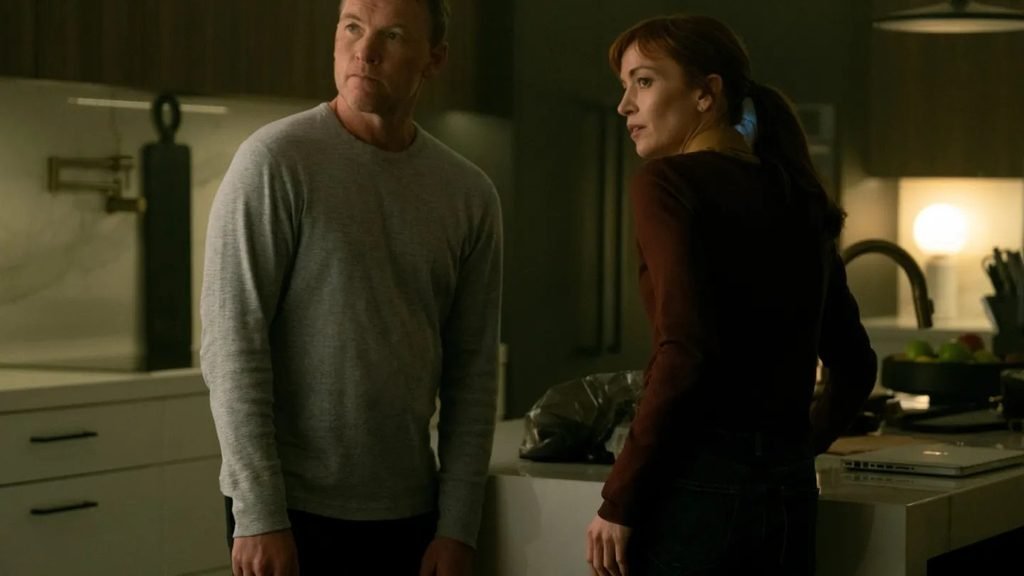
That's why the 120.8 million number deserves a more honest obituary than "watchable thriller does numbers." The series' cultural weight has nothing to do with its craft — the repetition, the dead-end subplots, the Toronto-as-Boston flatness that even its friendliest critics flagged. It's that Coben's formula has quietly become the most reliable delivery system in American television for a very specific modern dread: the certainty that everyone around you is watching, that none of them will tell you the truth, and that the only person who can save you is someone the system has already erased. When Milo Ventimiglia's Hayden Payne ends up dead at the hands of the very FBI he was never in front of — or when David Burroughs' conviction is finally overturned after the system spent a decade confirming its own error — the audience doesn't gasp at the twist. We nod, grimly, because we've spent the last decade being told the institutions work, then watching them not. The melodrama isn't a bug. It's the diagnosis — the anxieties the show plants are the ones America already carries to bed. The real twist of I Will Find You isn't who took the child. It's that 120 million of us watched a story about total surveillance missing total truth and felt, not surprised, but seen.