Felicity: Keri Russell and Scott Speedman on Growing Into the Work
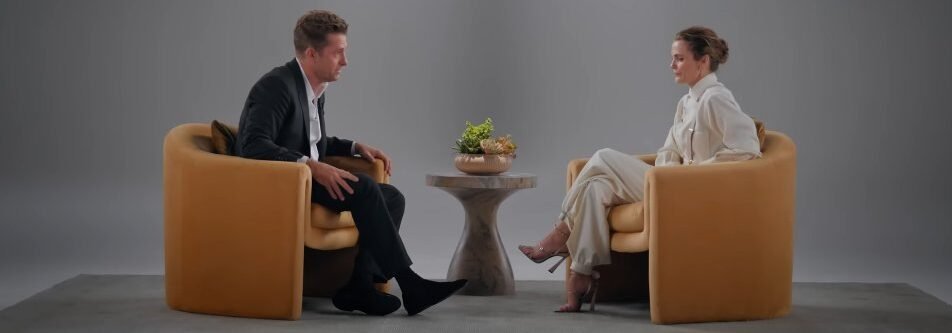
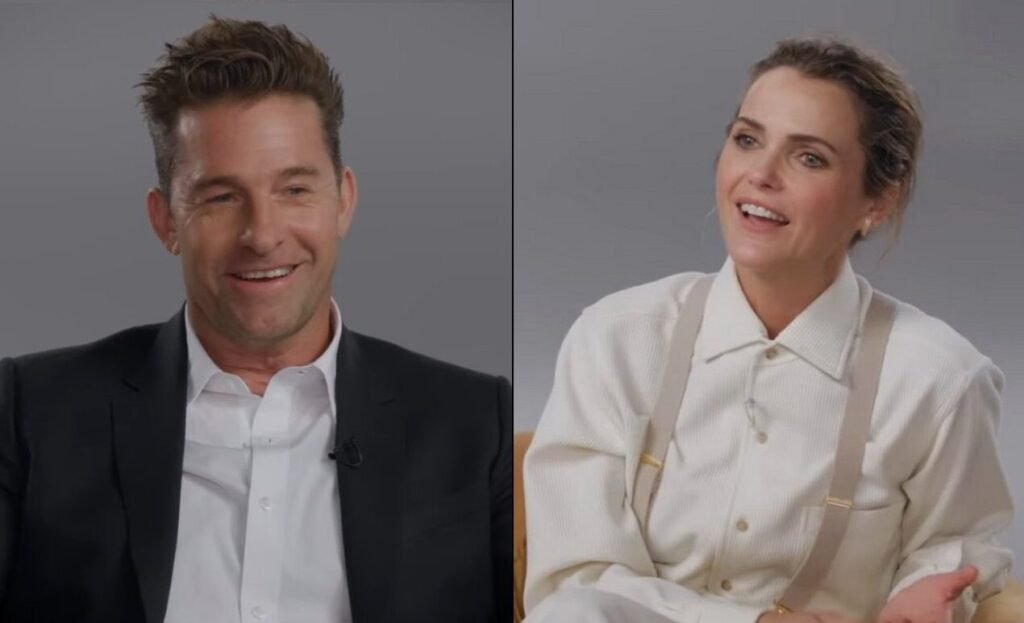
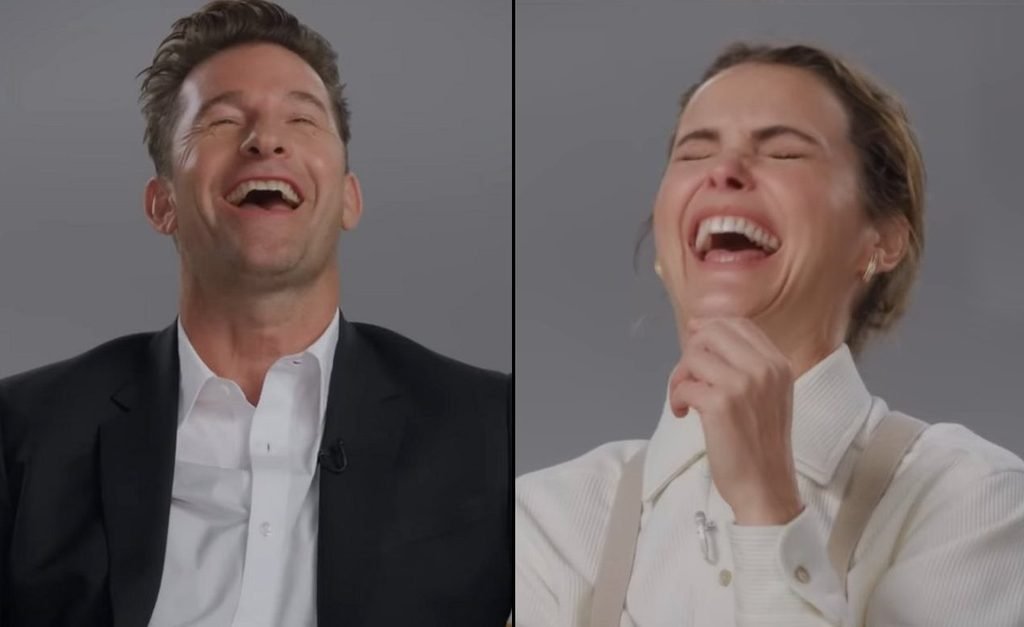
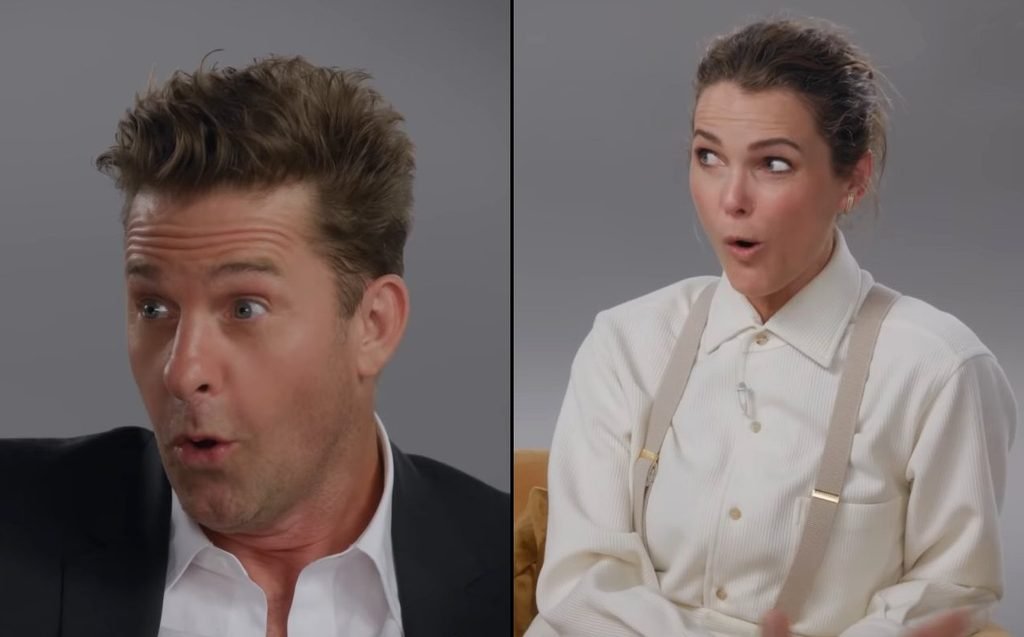
Nearly three decades after Felicity made them one of television's most beloved will-they-won't-they pairs, Keri Russell and Scott Speedman are still finishing each other's sentences — and still gently teasing each other about their ages. In a new conversation for Variety's Actors on Actors series, published in June 2025, the two actors sit down not as co-stars trading nostalgia, but as old friends comparing notes on something far harder than television: how to keep loving a job that asks you to be watched for a living.
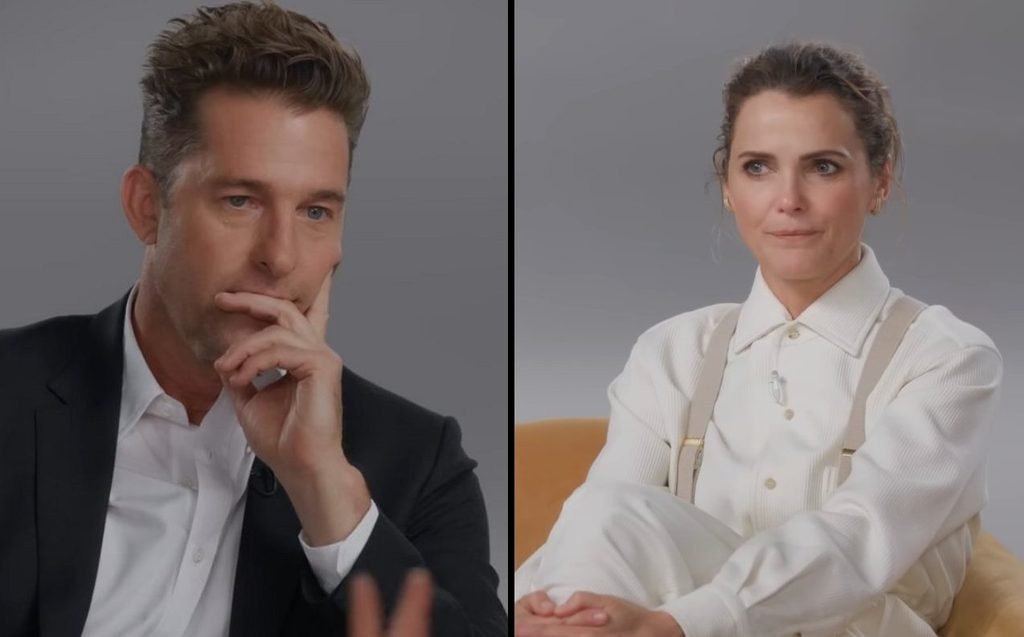
The premise is deliciously meta. Instead of fielding questions from a journalist, Russell and Speedman interview each other, armed with pre-written prompts they keep abandoning almost as soon as they begin. What emerges is less a reunion than a portrait of two shy kids who spent their twenties learning, very publicly, how to grow up.
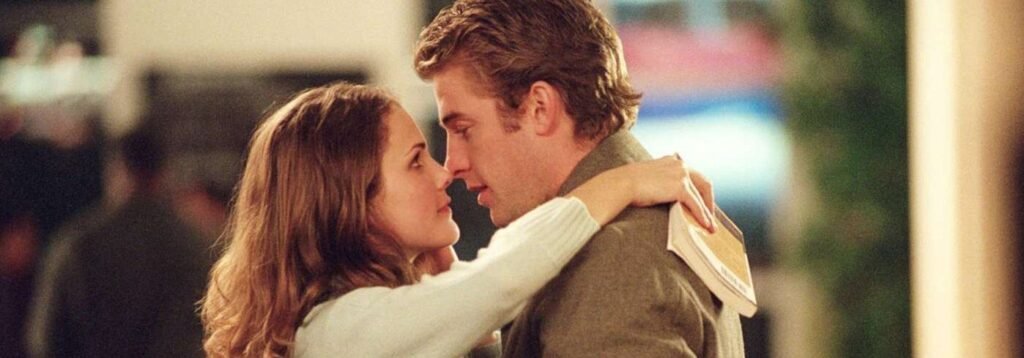
They were both 22 when they shot the Felicity pilot in April 1998 — a fact they argue over with the intensity of people who have had this exact argument many times before. The WB drama, created by J.J. Abrams, turned Russell's quiet, notebook-clutching college freshman into a generation's romantic ideal and Speedman's brooding Ben Covington into its enduring heartthrob. It ran for four seasons, ending in 2002, and neither of them has quite escaped it since. That's not a complaint. In an industry that chews through young talent, Felicity gave them something rare: a shared origin story that still feels like home.
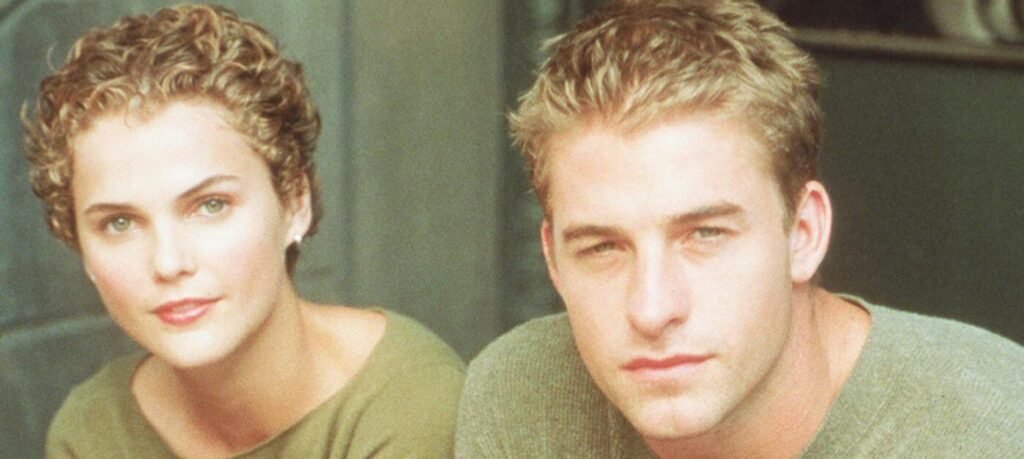
Speedman, characteristically, uses the occasion to roast Russell. She, in turn, points out that he was always the one who showed up knowing his lines — a work ethic she credits to his years as a competitive swimmer who reached the Olympic trials. He doesn't disagree, but he adds the caveat that matters most: the discipline that builds a career is the same discipline you eventually have to unlearn.
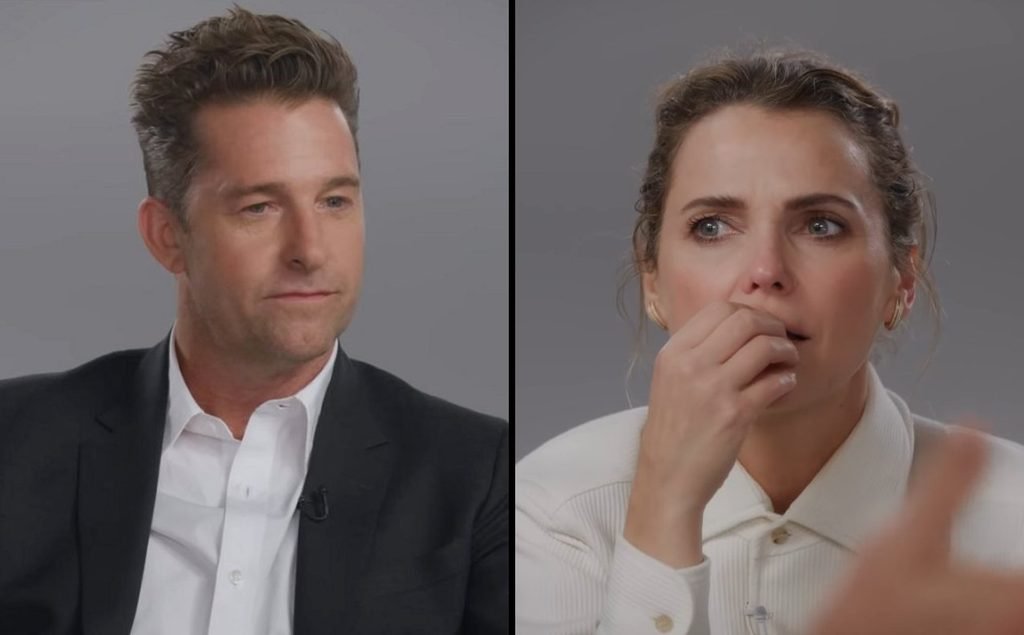
That tension — preparation versus surrender — is the quiet spine of the entire conversation.Both actors confess to being over-preparers, the kind who run lines until their voices give out and then run them again. Speedman used to sprint around the stages before takes just to get out of his own head. Russell admits she was so anxious about memorizing the procedural jargon on Grey's Anatomy, where Speedman now plays transplant surgeon Dr. Nick Marsh, that she quit coffee — caffeine, she found, made it harder to drop into dialogue.
But acting, they both eventually realized, rewards looseness more than muscle. Speedman describes himself as someone who fell in love with film before he fell in love with performing — a director's actor, chasing Cronenberg and big ideas rather than the mechanics of the craft. Russell, who trained in dance rather than drama school, says she chases the writing. Good scripts, she explains, give her permission to stop being embarrassed.
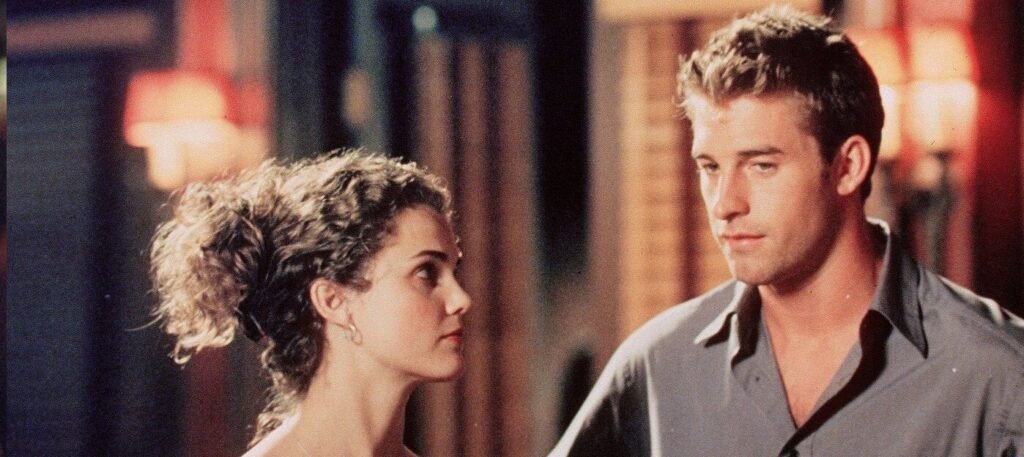
Because embarrassment, it turns out, never fully goes away. Speedman is startled to learn that Russell still gets nervous — that she downed a beer before their photo shoot and feels, some days, as self-conscious collecting her mail as she does on a red carpet. On screen, he tells her, she now reads as fearless, with no self-consciousness and no apology. Her answer is the most human moment in the interview: the visible tension people pick up on isn't a flaw in her performance. It's the performance.
Russell illustrates the point with a story from The Diplomat, her Netflix political thriller in which she plays Ambassador Kate Wyler and serves as an executive producer. When Allison Janney arrived to shoot an episode, Russell was so convinced that a "real actor" was about to expose her as a fraud that she could barely breathe. Then she found Janney folded small in a makeup chair, nervous herself. The revelation — that everyone is nervous, all the way up — clearly stuck.
The Diplomat, which premiered in 2023 and has since earned Russell multiple Emmy and Golden Globe nominations, represents something new in her career: a show whose subject matter she genuinely lives for. The writers' room consults real diplomats and policy experts, and Russell has met figures including Samantha Power and Ambassador Jane Hartley. Sitting in rooms with people that brilliant, she says, is both intimidating and exhilarating — a feeling she prefers to the alternative. Acting, she admits freely, can feel frivolous. This doesn't.
One of the interview's most quietly persuasive arguments comes from Speedman: that Russell's decision to make New York City her home after Felicity is what kept her career — and her — intact. She agrees. Her closest friends there aren't actors at all; they're a coder and a lawyer. In New York she can take the subway, ride her bike, and disappear into the crowd. For someone who was famous before she could rent a car, anonymity was never trivial.
Speedman, a father of young children, is going through his own version of the same calculation, weighing Los Angeles's private-school ecosystem against a life less saturated in industry. They have, in a sense, traded places over the years — she embraced the city he left, he embraced the quiet she once chased — but the instinct is identical: keep a life outside the work, and the work stays possible.
What keeps them going, by their own account, isn't glory. It's the adventure. Russell talks about landing in a small Greek town for a shoot and feeling genuinely alive; Speedman admits he would go out of his mind in a conventional job. Even the humiliating parts — the photo shoots, the dancing, the promotional machinery they both mock — are worth it if they're the ticket to the next interesting place with the next interesting people.
That's the real story beneath the laughter in this conversation. Felicity ended more than twenty years ago, and its two leads could have become cautionary tales about child-level fame. Instead they became something more instructive: working actors who figured out that talent opens the door, discipline keeps you employed, and the willingness to be embarrassed — again, in front of everyone — is what turns a career into a body of work.
Nearly thirty years after they first met, Russell and Speedman are still shy. They're still over-prepared. They still don't watch each other's shows. But they've learned the one lesson their younger selves needed most: the nerves don't mean you're not ready.
They mean you still care. And in an industry that often rewards people who stop caring the fastest, caring this much — for this long — is its own kind of stardom