How Matthew Mcconaughey And Woody Harrelson Turned Thirty Years Of Friendship Into A Show
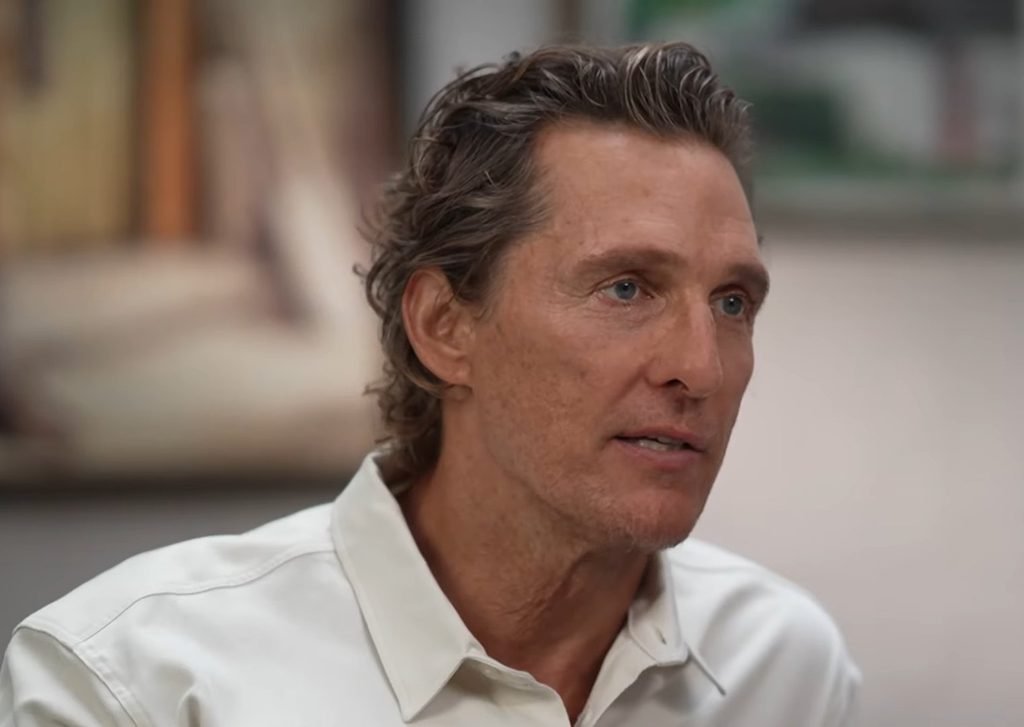
Sitting down with Craig Melvin for a special interview for Today, Matthew McConaughey and Woody Harrelson arrived to talk about Brothers, their new Apple comedy built almost entirely out of the shorthand, mythology and running jokes of a friendship that has now stretched past three decades. What unfolded instead was something closer to eavesdropping on two men who finish each other's stories, correct each other's memories, and occasionally forget where the bit ends and the truth begins — which, as it turns out, is exactly the premise of the show they made.
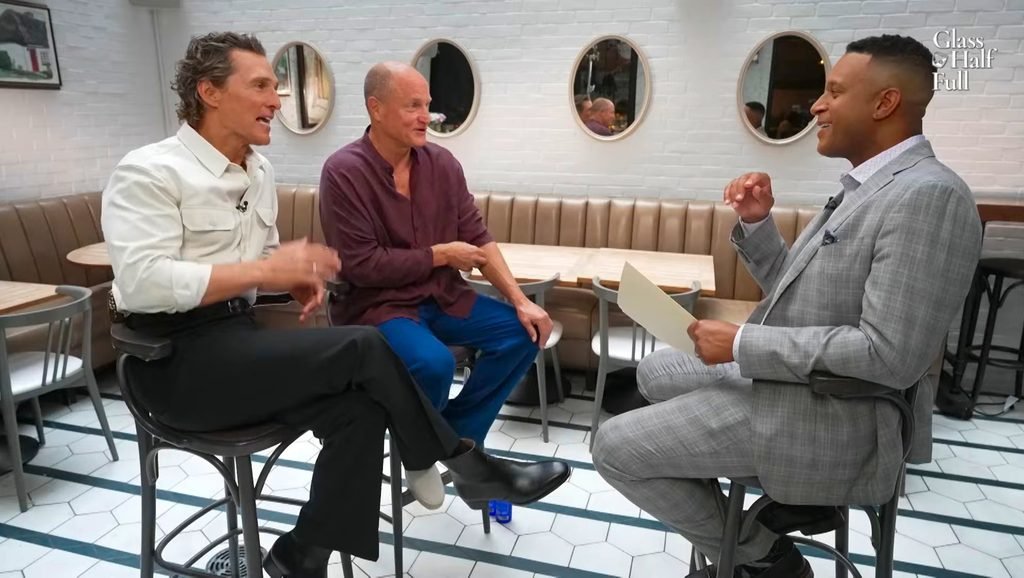
The origin story, as they tell it, sounds almost too good to be scripted, except that it eventually became the script. About nine years ago, during a family vacation, someone made an offhand joke about how alike the two men looked — their mannerisms, their energy, the way they finish each other's sentences. McConaughey's mother, several glasses into the evening, leaned in and let the moment hang before admitting she'd once known Harrelson's father. The kids at the table did what kids do: they built a timeline, cross-referenced it against a stretch when McConaughey's parents were between marriages to each other, and declared the math plausible. Nobody has ever taken a DNA test. Harrelson insists it isn't true. McConaughey, somewhere between amused and genuinely curious, has come around to thinking there might be something to it. Nine years later, that unresolved family legend became the backbone of Brothers, a series in which the two men play heightened, comedic versions of themselves — parodying their own public personas while chasing a fictional version of the exact question that's been hanging over their real friendship for years.
Getting the tone right took some trial and error. Both men admit the first attempts leaned too hard into pure documentary-style realism, simply restaging their actual dynamic without shaping it into something that could sustain eight episodes. The fix was to exaggerate rather than reenact — pushing each of their public reputations slightly further than real life, letting one play the instigator of chaos and the other the reluctant voice of order, while keeping the emotional core of the relationship intact. It's a tightrope familiar to anyone who's watched a show built on a real friendship try to become fiction without losing what made it worth adapting in the first place.
That real friendship has produced its share of legendary stories over the years, most of them the kind that end up half-fictionalized into a scene eventually. There's the account of Harrelson showing up unannounced at McConaughey's house late at night years ago, scaling a fence, climbing through a window and settling into bed between McConaughey and his wife rather than bothering with something as conventional as a doorbell — a story so specific it became one of the show's early scenes. There's the ongoing tally of how often the two have actually worked together, which by their own count now sits at five, spanning Surfer, Dude, the film that first paired them, HBO's True Detective, a run of Salesforce commercials, and now Brothers.
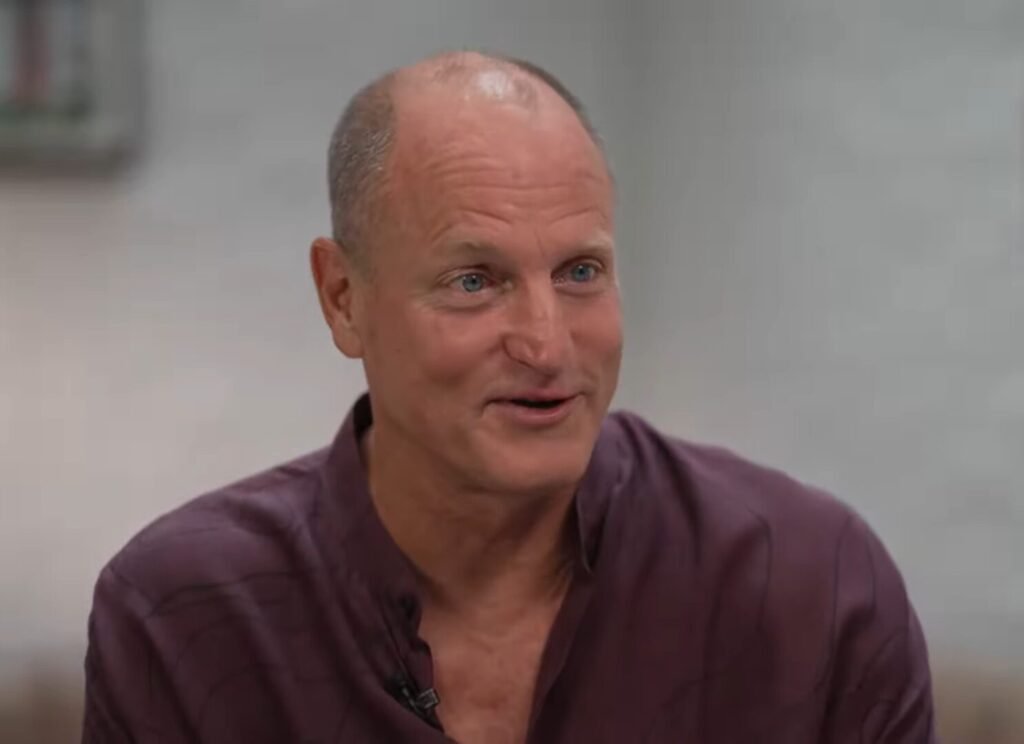
Beneath the comedy, the conversation kept circling back to something more grounded: what it means to have a friendship durable enough to survive decades of distance, differing politics, and wildly different temperaments. McConaughey pointed to Harrelson's speech following a mass shooting years ago as one of the proudest moments he's witnessed from anyone he knows, describing his friend in almost reverent terms as the kind of steady, incorruptible presence you'd want captaining any team. Harrelson, for his part, credited his own father's advice — to keep an open mind — as a guiding philosophy that's only deepened with age, even as he readily conceded he's more instinctive athlete than reader, in playful contrast to McConaughey's current reading list, which runs through Dickens and Nabokov.
There was room, too, for the two men to talk about their own children — both a little bemused that their kids have seen shockingly little of their work, a running joke McConaughey said has now lasted a full decade of "maybe next week." When asked what they hoped Brothers said about friendship and family, both men landed in the same place: that the family you choose can carry as much weight as the family you're born into, and that stories about genuine, uncomplicated male friendship are rarer on screen than they should be.
By the end of the conversation, the appeal of Brothers becomes obvious in a way no logline could quite capture. This isn't two actors selling a show. It's two men who have spent thirty years building an entire private language — and who finally decided to let the rest of us listen in.