Beyond the Sunset Strip: How Jamie Walters Traded Hollywood Stardom for the Front Lines
There is a distinct kind of pressure that comes with being a television star in the white-hot glare of the 1990s. Few understand that experience better than Jamie Walters, whose face once appeared on the glossy covers of teen magazines and on the living room televisions of millions of viewers. He was one of the defining young stars of the era, moving effortlessly between acting and music and becoming a familiar presence in both worlds. But while many of his contemporaries spent years trying to hold on to that kind of fame, Walters eventually walked away from Hollywood altogether. More than two decades after his days on television soundstages, his life is now defined not by scripts or Billboard charts, but by his work as a firefighter paramedic with the Los Angeles Fire Department.
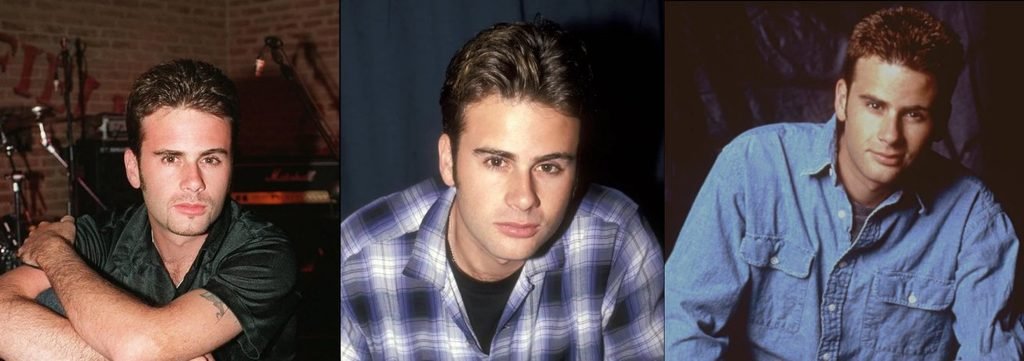
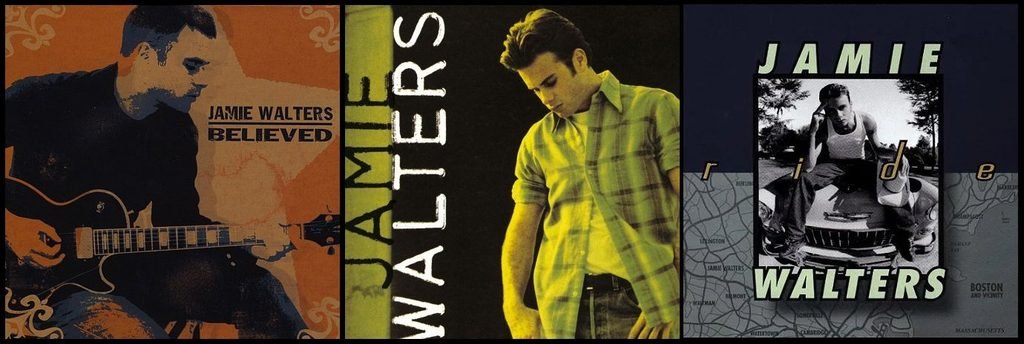
Long before he traded his wardrobe for turnout gear, Walters was living the quintessential young actor's dream in Los Angeles. Entering the entertainment industry in his twenties, he quickly found himself involved in projects that helped define the television landscape of the era. Starring in the musical drama series The Heights, he reached another level of fame when his vocal performance on "How Do You Talk to an Angel" helped propel the song to No. 1 on the Billboard Hot 100 in 1992. The success established Walters as more than a television actor, turning him into a recognizable pop culture figure who could move between the small screen and the recording studio.
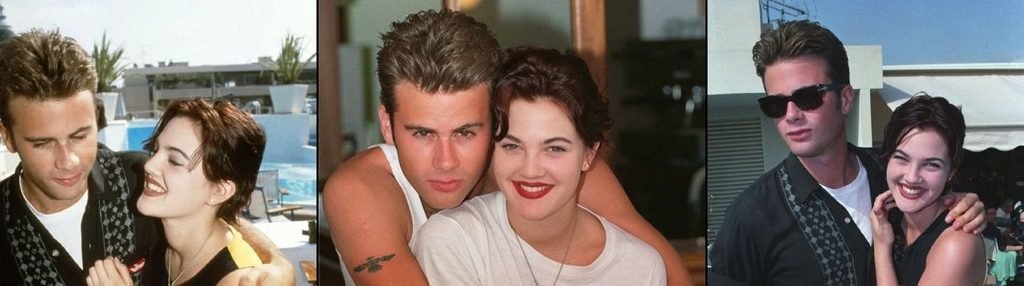
Soon afterward came the role that would permanently connect him to 1990s television: Ray Pruit on Beverly Hills, 90210. Joining Aaron Spelling's hugely popular drama meant stepping into a series at the height of its global influence, alongside a cast that had become synonymous with the decade. Walters has since looked back on that period as a remarkable adventure, even while acknowledging how surreal it was to experience such intense fame at a relatively young age. His character, however, eventually took him into territory he found difficult. When the writers sent Ray Pruit down a darker path involving domestic abuse against Donna Martin, Walters initially resisted the direction, aware that audiences could easily blur the line between the actor and the character he was playing. With the perspective of time, though, he came to recognize the importance of the storyline. The controversial plot brought domestic violence into the conversation for a huge prime-time audience at a time when the subject was still rarely confronted so directly on television.
Eventually, Walters stepped away from the entertainment industry and found a completely different kind of calling. The transition from Hollywood soundstages to emergency services may seem unlikely on paper, but it gave him something that the entertainment business could not: a direct and tangible sense of purpose. Away from auditions, publicity and the expectations that came with being a former teen idol, he entered a profession built around physical endurance, emotional resilience and helping people at some of the worst moments of their lives.
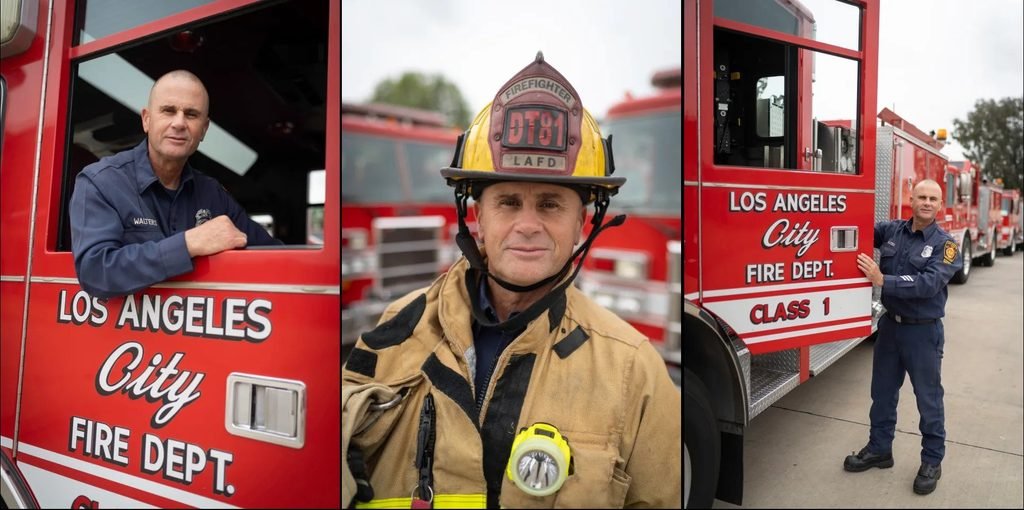
For roughly two decades, Walters has worked as a firefighter paramedic with the Los Angeles Fire Department, one of the most demanding emergency-service organizations in the country. The applause of television audiences was replaced by something far less glamorous but, for him, far more meaningful: the camaraderie of working alongside people from vastly different backgrounds who share the same responsibility of protecting and saving lives. Every shift can bring a different kind of danger, but that shared mission has given Walters a sense of grounding that celebrity could never offer. The contrast is striking precisely because it is so ordinary. The man who once appeared on magazine covers now spends his working days responding to emergencies, helping strangers and doing a job in which the outcome matters far more than recognition.
That may ultimately be the most interesting part of Jamie Walters' story. His Hollywood years gave him the kind of fame most actors spend their careers trying to achieve, but he eventually chose a life in which being recognized was beside the point. Now balancing his public-service career with fatherhood, he can look back on his years as a television and music star as one chapter of his life rather than its defining achievement. The spotlight may have faded, but it was replaced by something considerably harder to manufacture: a second act built on service, responsibility and a very real connection to the people around him. For someone who once played a fictional hero on television, Walters found his most lasting role somewhere else entirely.