The Guardian of the Frame: Why Tom Cruise Fights to Keep Cinema Looking Like Cinema
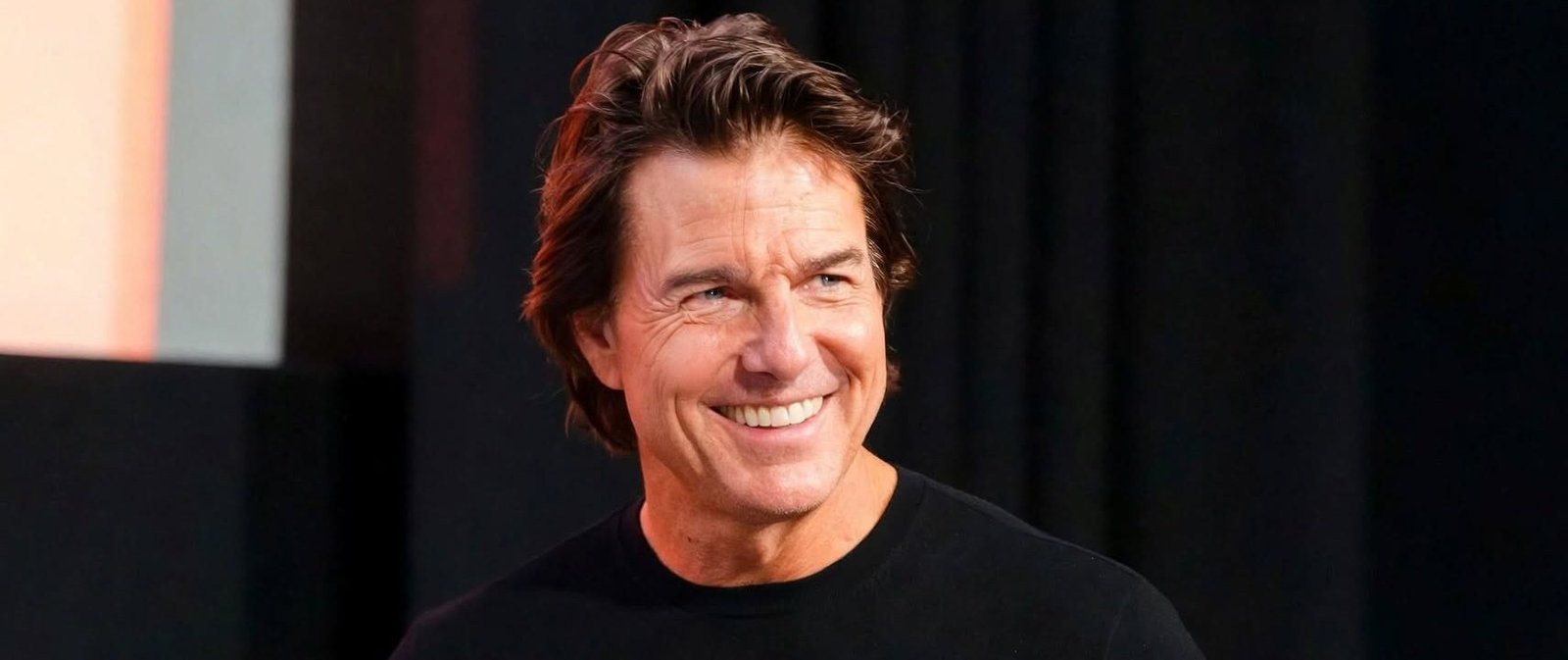
In an era dominated by rapid technological evolution and pristine digital canvases, the definition of what constitutes true movie magic is constantly shifting. Yet, one of the most enduring figures in modern entertainment history continues to anchor his legendary career on a simple, uncompromising principle: cinema must retain its distinct soul. Across four decades at the forefront of global pop culture, Tom Cruise has transitioned from a charismatic young leading man into an all-encompassing custodian of the theatrical experience. His dedication extends far beyond daring aerial stunts and record-breaking box office runs; it reaches deep into the mechanics of visual storytelling itself.
Throughout his storied filmography, Cruise has consistently aligned himself with world-class masters of light and shadow, collaborating with celebrated cinematographers to craft immersive visual worlds. From the high-velocity intimacy of his aviation blockbusters to the sprawling intensity of his iconic action franchises, his approach to acting remains inextricably linked to the camera. Far from treating the lens as a passive observer, the veteran performer views the visual tone as an active co-star. This acute awareness of focal lengths, spatial depth, and lighting dynamics ensures that every performance harmonizes perfectly with the overarching atmosphere established by the director and DP.
The transition from traditional celluloid to high-definition digital formats represented a pivotal moment in film history, one that Cruise experienced from the front lines. During the early days of digital adoption on major productions, the industry often championed new technology as a seamless, cost-effective replacement for physical stock. The seasoned actor understood early on that digital filmmaking offered extraordinary new creative freedoms, such as unprecedented low-light capabilities and extended takes. However, he also recognized that true cinematic texture requires meticulous craft, asserting that digital technology is not an automatic shortcut or a money-saving tool, but a highly complex medium demanding absolute mastery.
For Cruise, preserving the authentic feel of a motion picture means resisting the urge to rely on post-production safety nets. The modern impulse to shoot clean, uniform digital images with the intention of fixing mistakes or adding grain later risks stripping a film of its organic character. To achieve a look that feels genuinely cinematic, the process must remain deliberate from the very beginning. This philosophy drives an exhaustive testing phase for his projects, exploring vintage optics, custom-engineered lenses, and specialized camera formats to find the precise visual language required for each specific story.
That pursuit of tactile authenticity is why the actor frequently advocates for utilizing classic glass and time-tested filming formats. Standard digital lenses can sometimes render images with clinical sharpness, missing the subtle imperfections that give traditional film its emotional weight. By seeking out handcrafted, decades-old lenses—and occasionally building entirely new optical configurations around legacy components—the production team introduces welcoming visual surprises directly in front of the camera. These subtle flares, unique depth characteristics, and rich light textures create an environment where the audience senses the hand of the artist behind the frame.
This rigorous commitment to visual craft serves as an invaluable blueprint for the next generation of filmmakers entering an increasingly automated industry. The modern set can easily defer critical artistic choices to post-production suites, but true cinematic resonance comes from establishing tone during principal photography. Understanding lighting, production design, physical sets, and camera mechanics allows a creative team to maintain a unified artistic vision. By prioritizing thorough pre-production testing over quick technical fixes, artists can ensure their work retains a distinct identity rather than blending into a sea of content.
Ultimately, Tom Cruise’s relentless dedication to the art of filmmaking illuminates why he remains an unmatched pillar of global entertainment. His work represents a vital bridge between the golden traditions of classic Hollywood craftsmanship and the limitless possibilities of contemporary cinema. By constantly championing the tools, textures, and collaborative spirit that define the medium, he helps ensure that going to the movies remains a singular, breathtaking event.