Twenty years after putting away the hat, Indiana Jones returned to the big screen in 2008 carrying a problem that no ancient artifact could solve: Spielberg no longer felt comfortable telling exactly the same kind of story. Nazis had been the franchise’s default villains until then, but after directing Schindler’s List, Spielberg simply wasn’t comfortable treating the Third Reich lightly again in the context of a popcorn adventure. It was George Lucas who ultimately found a way around the problem, suggesting that the enemy should reflect the new era in which the story was set: the Soviet Union during the Cold War. A decision born largely from Spielberg’s personal discomfort opened the door to the franchise’s first truly new villain in nearly three decades.
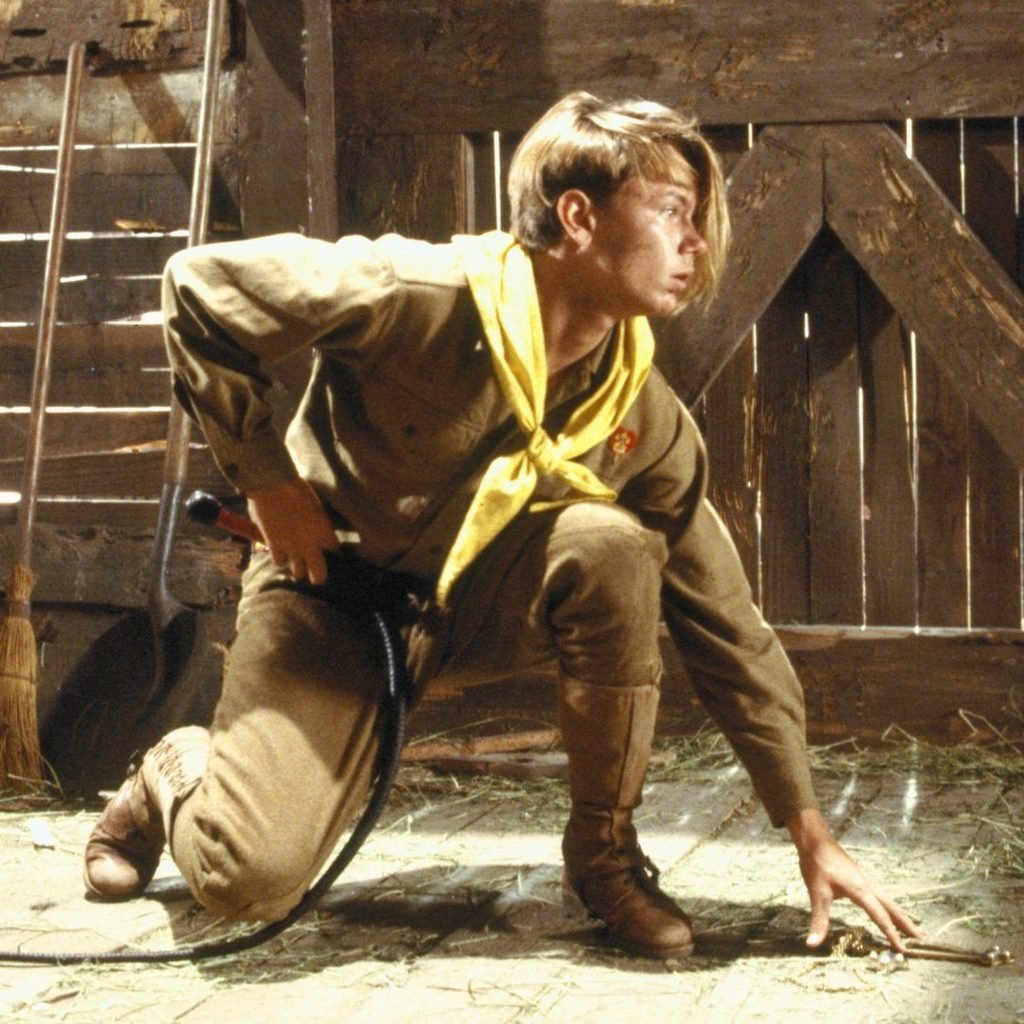
That villain was brought to life through another deeply personal choice, this time from the other side of the camera. Cate Blanchett had wanted to play a villain for years and helped shape much of Irina Spalko’s distinctive appearance herself. The character’s severe, short haircut, which became one of her defining visual traits, was Blanchett’s idea rather than something originally created by the costume department. The transformation worked almost too well. When Harrison Ford first saw Blanchett in full costume and makeup, he reportedly didn’t recognize her without her naturally blonde hair.
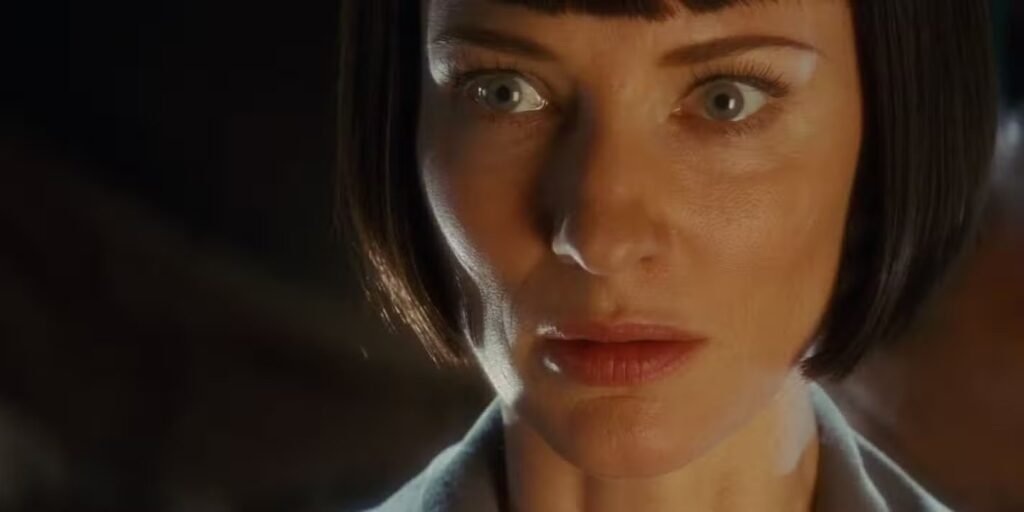
The most symbolic change of this new era, however, wasn’t the villain. It was the person who appeared beside Indy as an adventure partner for the first time: Mutt Williams, his son. After The Last Crusade spent much of its story rebuilding the relationship between Indy and his own father, Indiana Jones and the Kingdom of the Crystal Skull turned that dynamic around, placing Indiana in the role that Henry Jones Sr. had occupied before him. Shia LaBeouf was so excited by the opportunity to join a franchise he had loved that he accepted the offer without even reading the script or knowing which character he would be playing. Years later, the actor would openly acknowledge that his enthusiasm had come with consequences, saying that he felt partly responsible for the criticism the movie received.
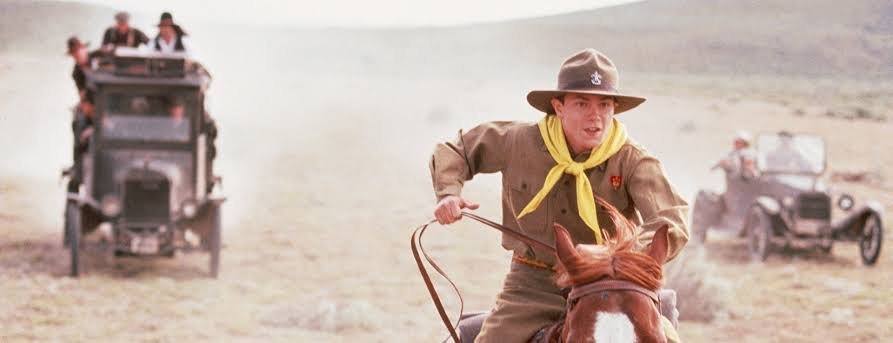
Meanwhile, another familiar face almost returned for a reason far less dramatic than a creative disagreement. John Rhys-Davies, who had played Sallah in the original films, was invited back for only a brief cameo during Indy and Marion’s wedding at the end of the movie. He declined because he felt the appearance was too small to justify returning. Years later, Rhys-Davies publicly admitted that he regretted the decision, which helps explain why he had no hesitation about returning to the character in a much larger role when he was invited back for Indiana Jones and the Dial of Destiny.
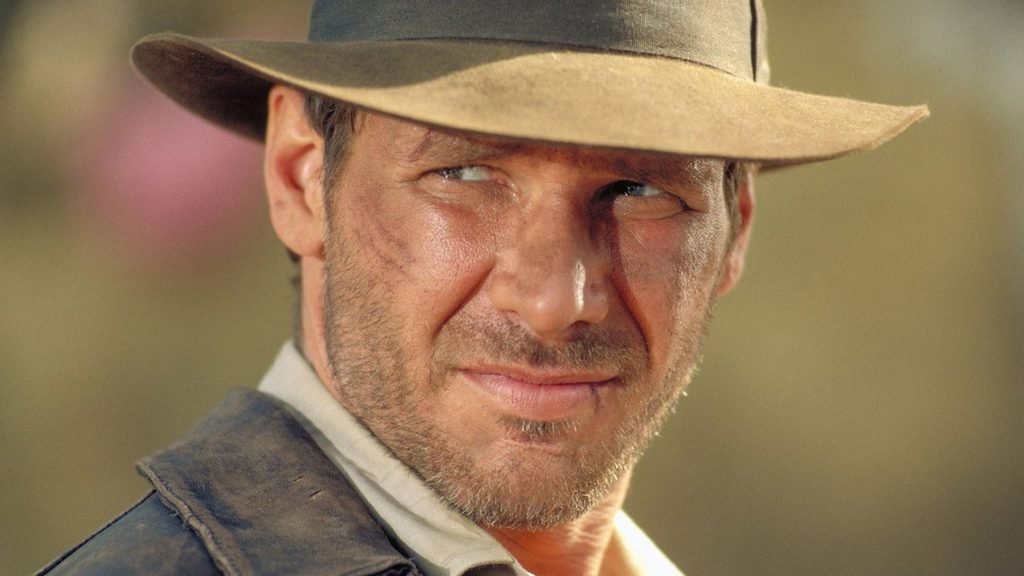
In the end, Kingdom of the Crystal Skull didn’t simply introduce a new group of faces; it rearranged Indiana Jones’s place within the mythology he had helped create. The son who once needed his father in The Last Crusade had, two decades later, become the father his own previously unknown son needed to understand. It was a reversal that quietly completed a cycle the franchise had been building since the moment Sean Connery reluctantly agreed to step into the role of Henry Jones Sr., turning Indiana Jones from the son searching for his father’s approval into the father forced to confront what he had left behind.