Before any studio could bring Middle-earth to the big screen in its entirety, decades of failed attempts and partial adaptations — including a 1978 animated version, directed by Ralph Bakshi, which covered only half the story — proved that Tolkien’s work was regarded, within Hollywood, as cinematically impossible: too long, too dense, too expensive for any studio to risk.
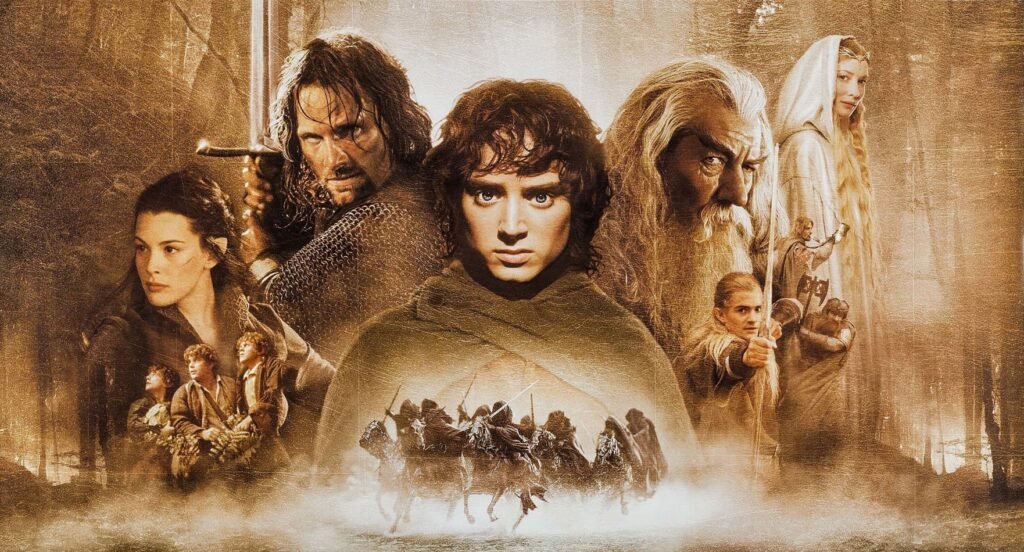
The idea that would finally break this curse came from a relatively unknown New Zealand director in Hollywood at the time: Peter Jackson, who proposed something no studio had ever attempted — filming all three books simultaneously, as a single massive production, instead of waiting for the success of one film to finance the next.
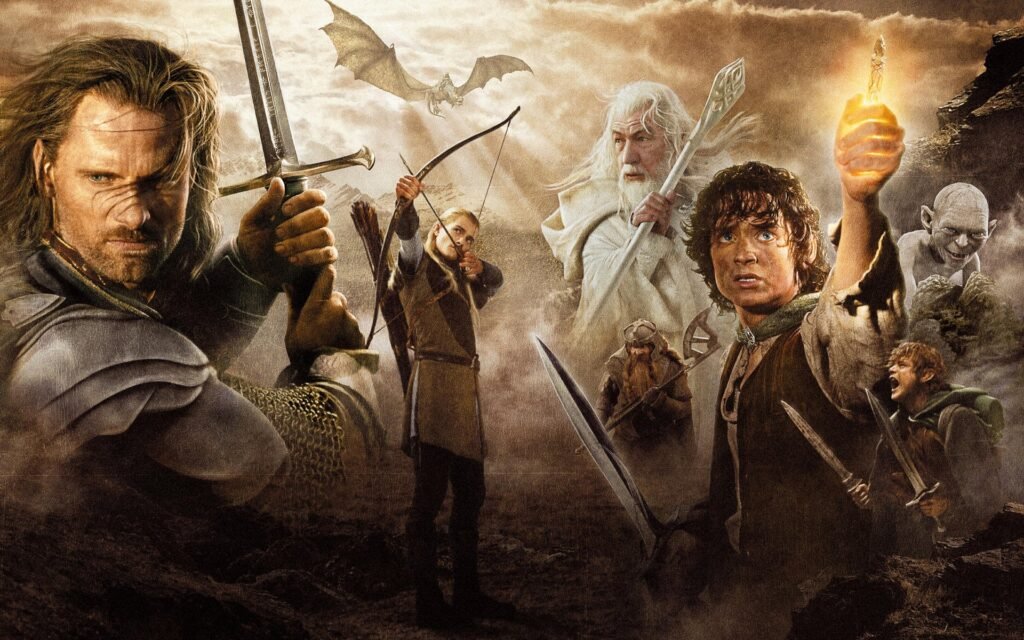
The Fellowship of the Ring premiered in 2001, followed by The Two Towers in 2002 and The Return of the King in 2003 — the latter sweeping the Oscars with 11 statuettes, including Best Picture, tying the awards’ all-time record and finally putting to rest any doubt about whether Middle-earth could fit on the big screen. Shot almost entirely in New Zealand, the trilogy would become a technical and narrative benchmark for generations of filmmakers to come.
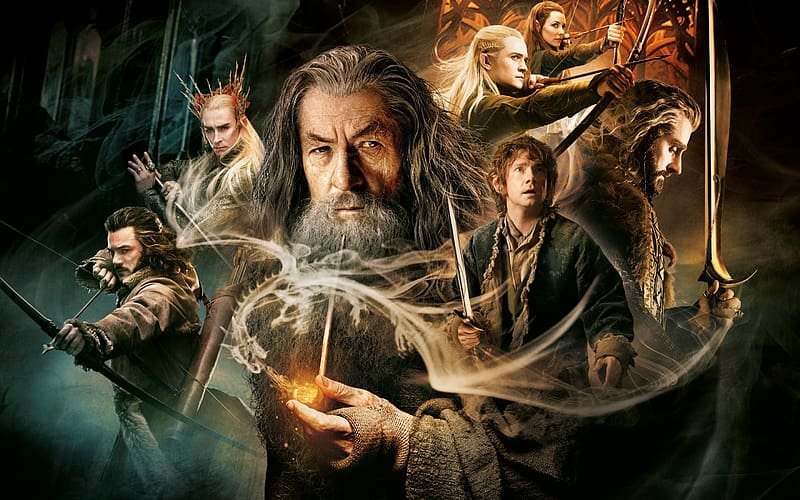
What decades of failed attempts had insisted was impossible, Peter Jackson proved, film after film, to be not only viable — but one of the greatest artistic achievements of modern cinema, completing the journey of a mythology that began as the personal dream of a professor passionate about ancient languages.